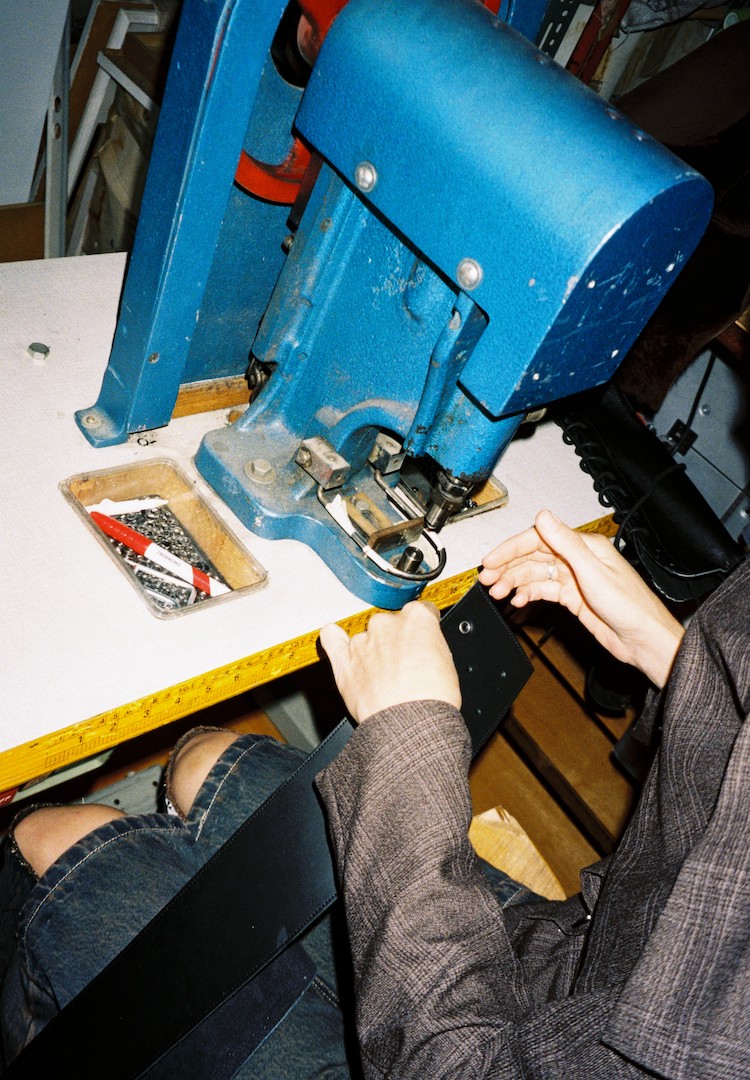



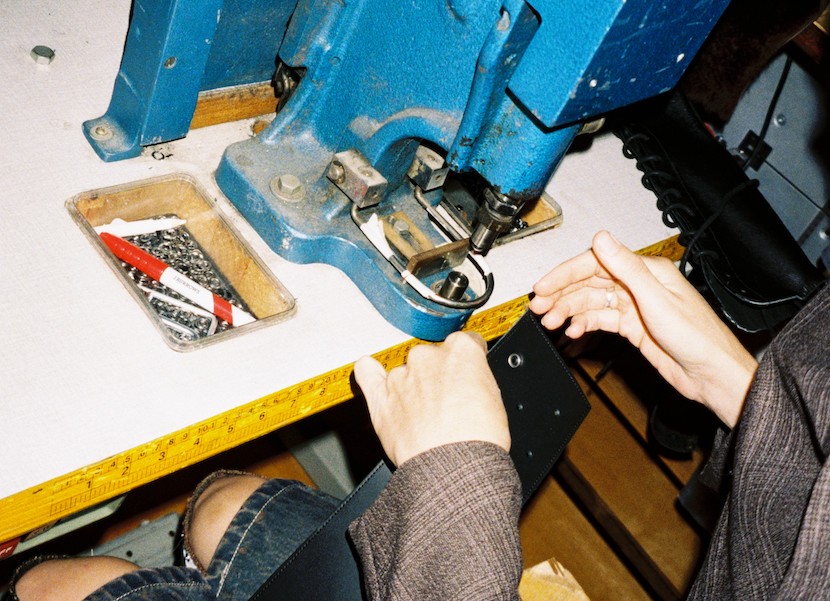
Australia has long been known for producing some of the world’s best natural fibres, from wool to cotton. But when it comes to turning those fibres into finished garments, the vast majority of production happens offshore. Announced today, a new national strategy is hoping to change that.
The Australian Fashion Council (AFC), in partnership with R.M.Williams, has launched the National Manufacturing Strategy for Australian Fashion and Textiles, a 10-year roadmap designed to rebuild local manufacturing capability across the country’s textile, clothing and footwear sector.
For more fashion industry news, head to our Fashion section.
Unveiled this week at Parliament House, the strategy marks the first coordinated national plan focused specifically on strengthening Australia’s fashion and textile production. Currently, a whopping 97 per cent of clothing and textile products sold in Australia are manufactured overseas, leaving the industry exposed to global supply chain disruptions and trade volatility.
Developed over nearly a year, the strategy draws on input from more than 300 stakeholders across the country. Through 14 consultations with manufacturers, designers, educators and policymakers, the industry generated more than 1,000 proposed initiatives to help map out its long-term future.
Rather than competing with large-scale overseas manufacturing hubs, the plan focuses on Australia’s strengths: premium natural fibres, high-quality design and emerging advanced manufacturing technologies.
“Australia already has exceptional design talent, advanced manufacturing capability and globally recognised brands,” says AFC executive chair Marianne Perkovic. “With the right coordination across industry, skills and procurement policy, we have a real opportunity to strengthen sovereign capability, create skilled jobs and position Australia as a leader in premium manufacturing.”
SCROLL TO CONTINUE WITH CONTENT
SCROLL TO CONTINUE WITH CONTENT
The roadmap centres on three key pillars. The first aims to activate demand for Australian-made textiles and garments, including through government procurement and stronger national promotion of local manufacturing.
The second focuses on building the future workforce, creating new training pathways while supporting the sector’s diverse workforce, where women make up 58 per cent of manufacturers and 41 per cent come from culturally diverse communities.
The third pillar looks to accelerate advanced manufacturing, investing in modern technologies while rebuilding early-stage fibre processing and yarn spinning capabilities that have largely disappeared from Australia’s supply chain.
Independent modelling by RMIT University suggests full implementation of the strategy could grow the sector’s manufacturing value from $2.6 billion to $2.9 billion by 2031, generating a $1.4 billion economic dividend over five years and creating more than 1,000 new skilled jobs.
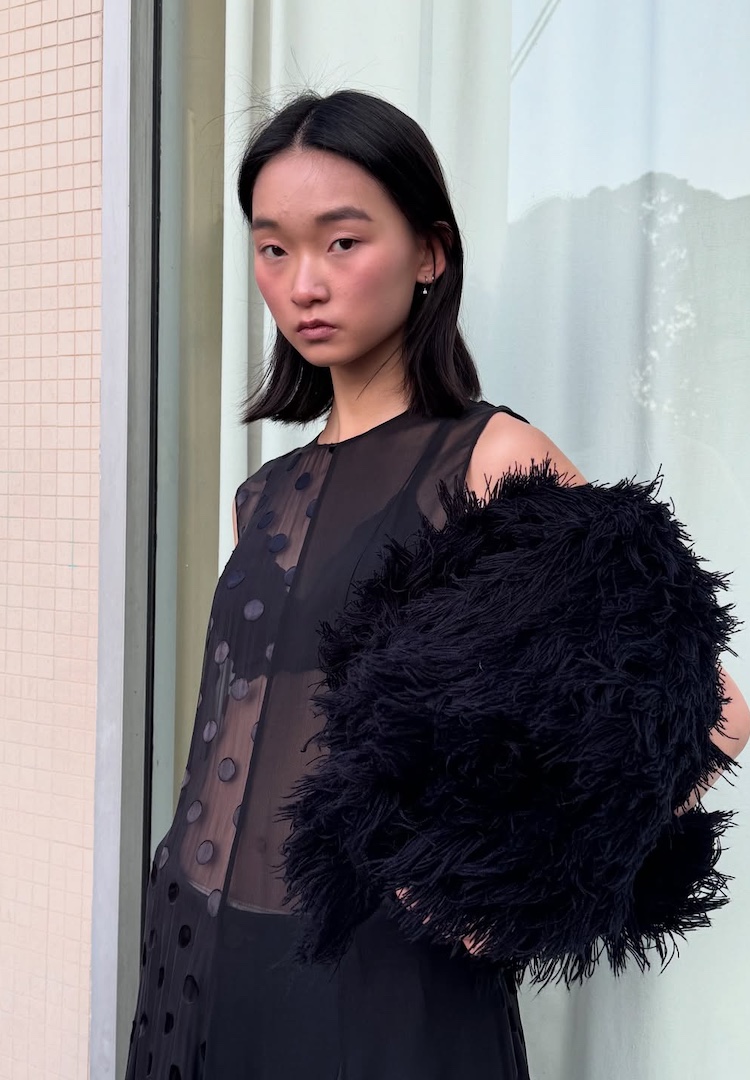
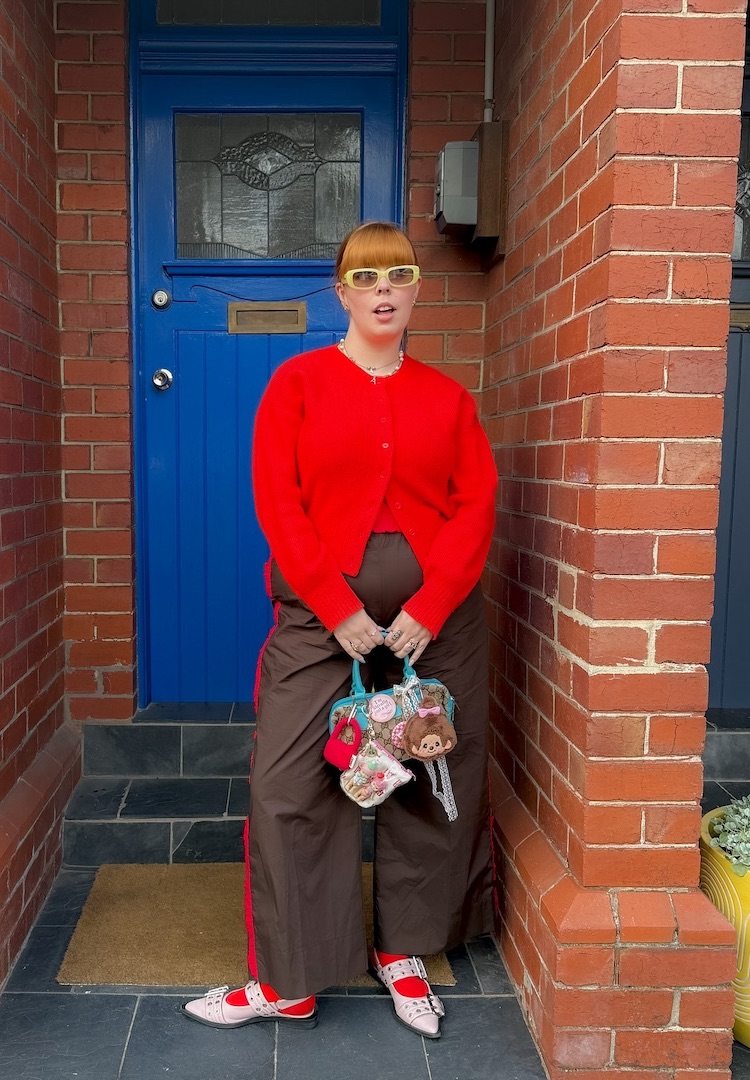
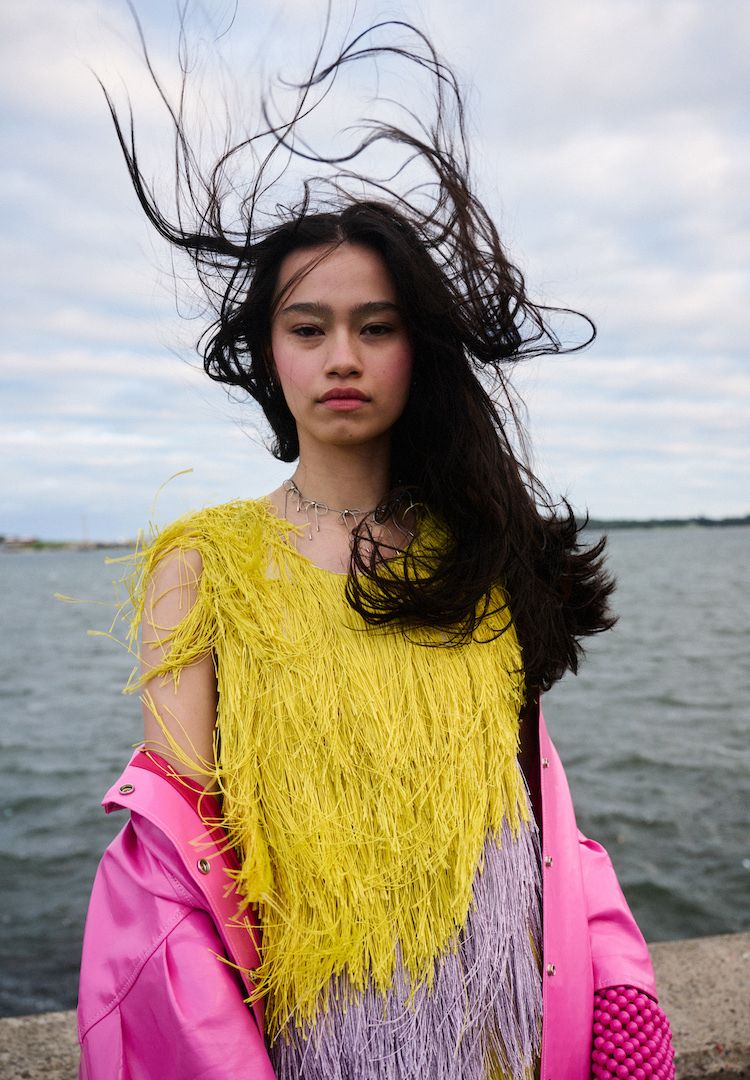
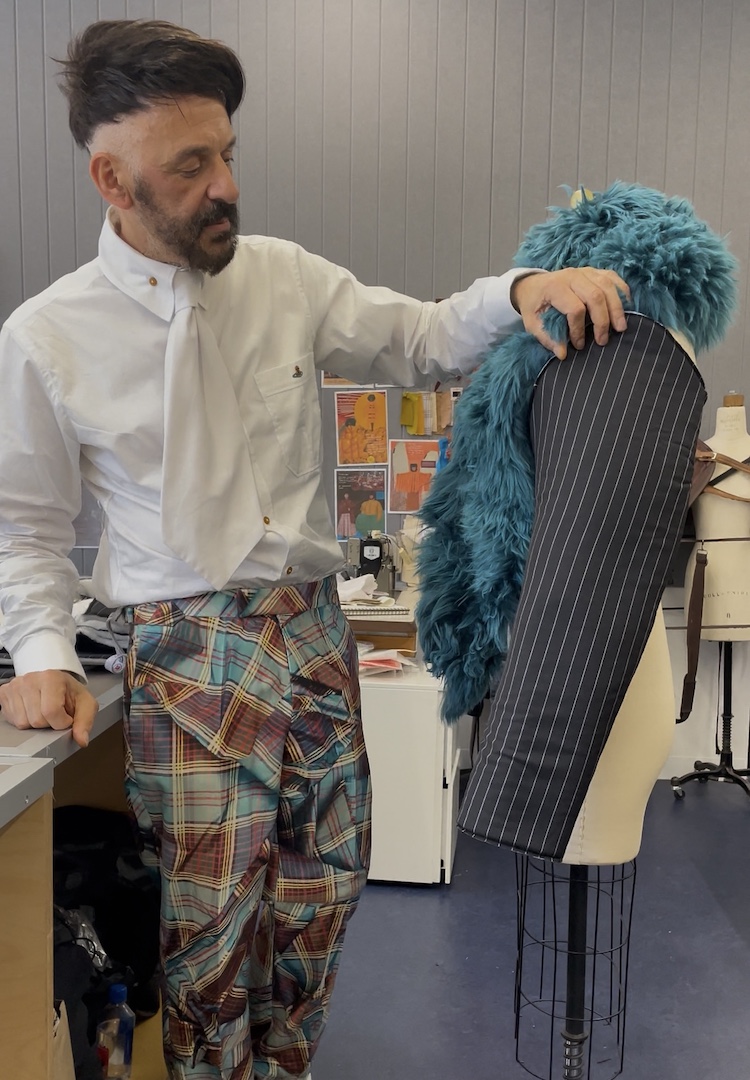
At the launch, a showcase of locally made fashion and textiles highlighted the breadth of domestic capability already in operation, with AFC members including Bianca Spender, Bond‑Eye Australia, Clothing The Gaps and Waverley Mills presenting work produced in Australia.
Led by the AFC, the strategy will roll out in stages through to 2036, beginning with an implementation review by 2029. For Australia’s $28 billion fashion and textile industry, the goal is clear: rebuild key parts of the manufacturing pipeline so more value (from fibre to finished garment) stays onshore.