

“A space for us to be taken seriously”: Three creatives on why student-run media matters
IN PARTNERSHIP WITH COLLARTS
WORDS BY IZZY WIGHT
“We reject the idea that fashion media has to be exclusive or intimidating.”
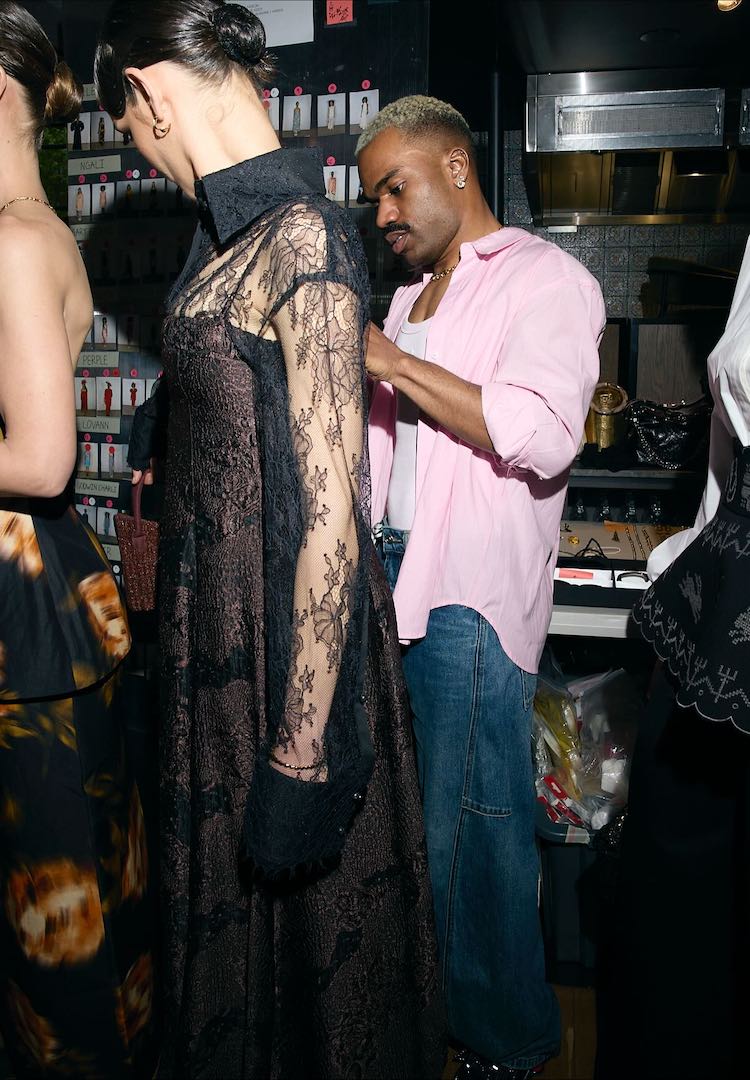
There’s a running theme among the fashion industry’s most celebrated designers: curiosity and groundbreaking talent, yes, but also a signature style shaped during their student years. Working with tight budgets and even tighter deadlines, there’s an unfiltered creative energy that emerges in that formative stage – and the students at Melbourne’s Collarts are using it to create something “radical”.
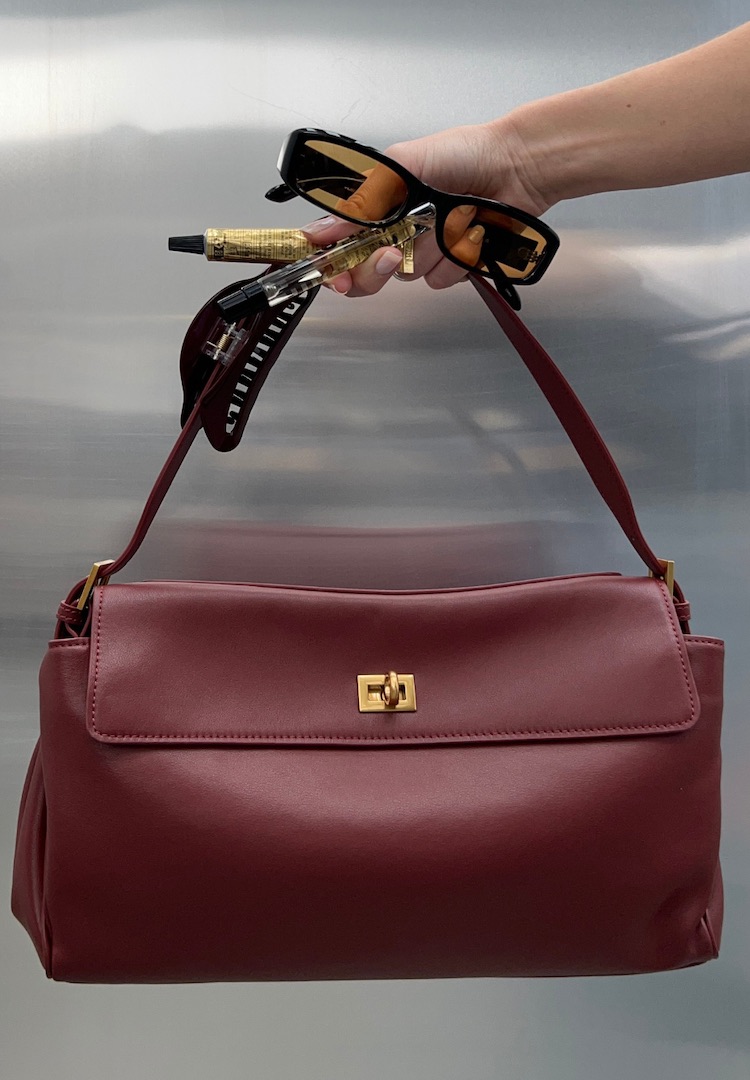
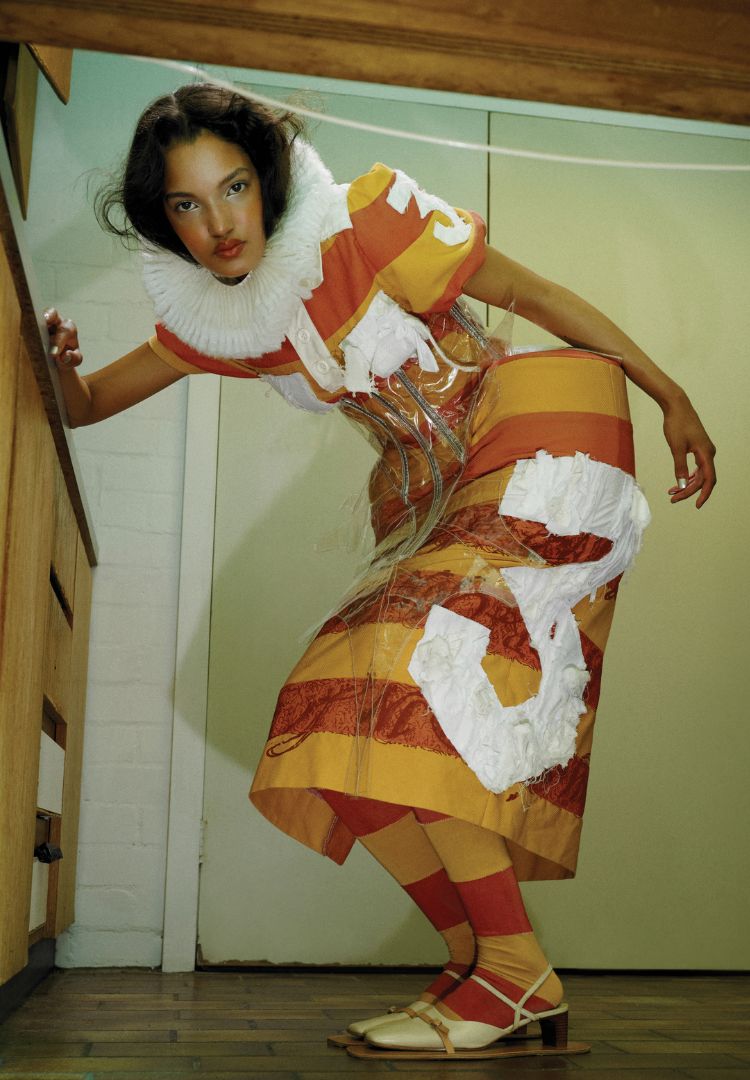
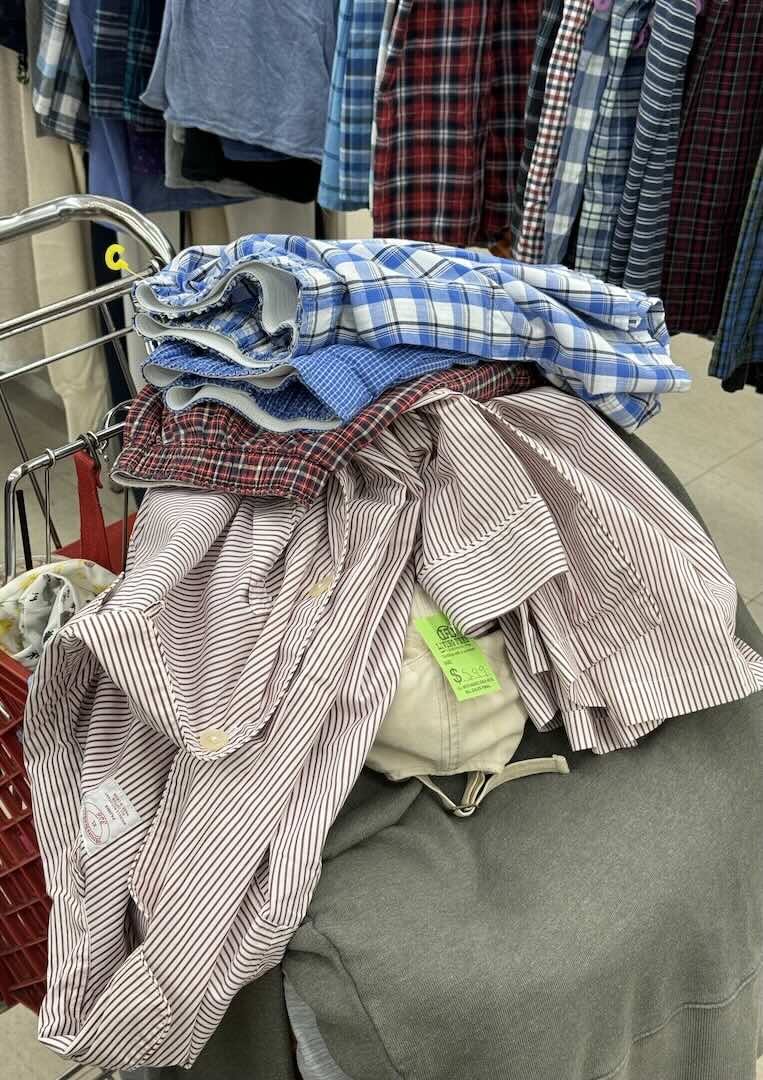
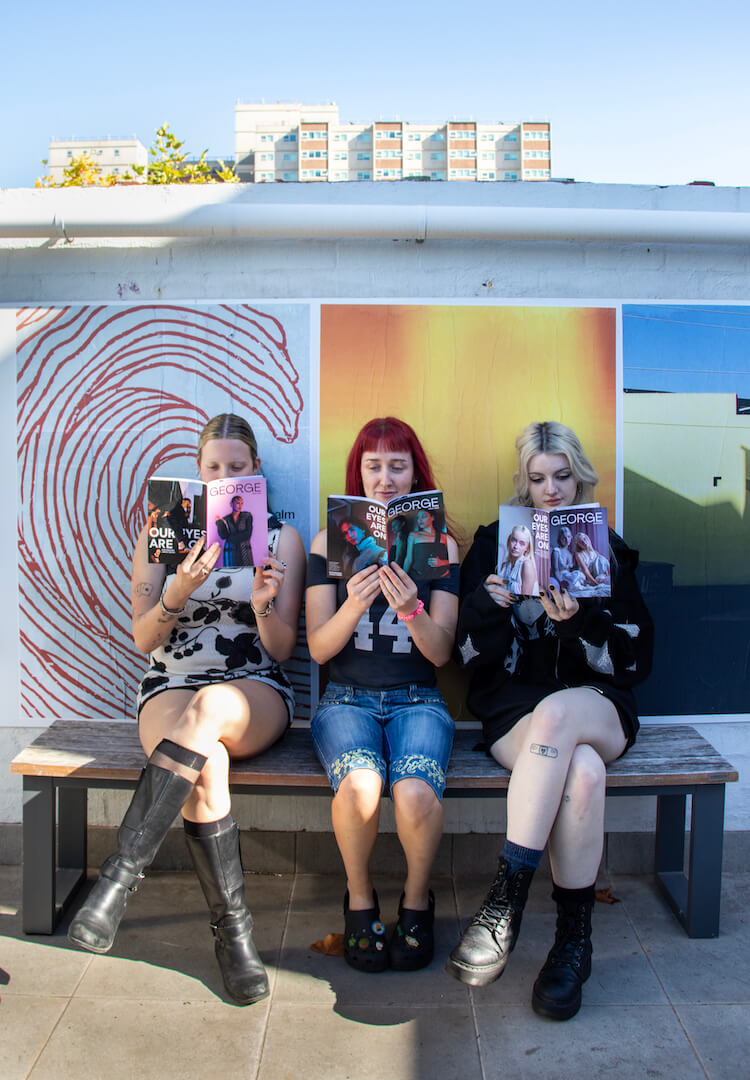
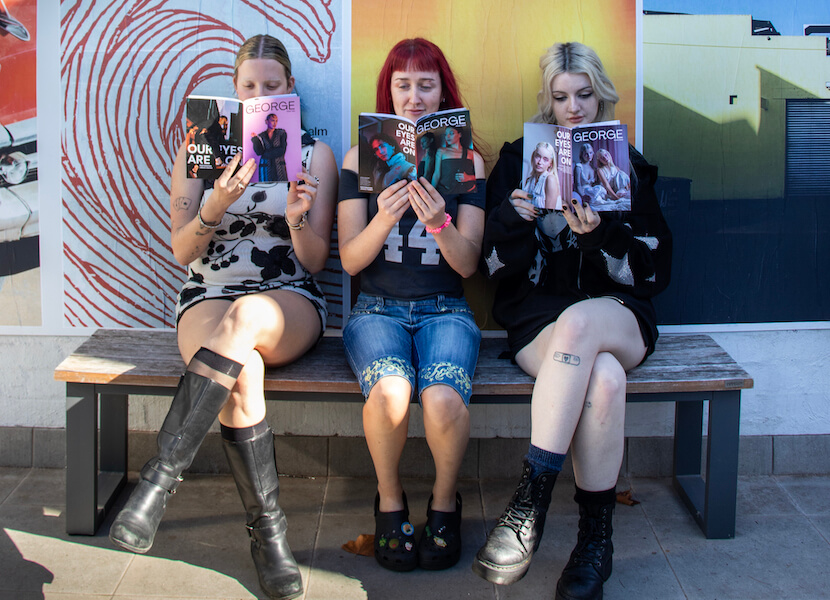
Published every trimester, GEORGE is a magazine created for students, by students. In an era dominated by screens, algorithms and shrinking attention spans, the grassroots print publication champions emerging talent nurtured through Collarts’ top-rated creative arts courses (Australia’s number one provider of creative arts courses, according to 2024 undergrads*).
For more fashion news, shoots, articles and features, head to our Fashion section.
Beyond the classroom, students are encouraged to initiate projects like GEORGE, with an emphasis on gaining real-world experience and building meaningful industry connections across all creative disciplines. Ahead, we speak to three of the students behind GEORGE about why student-run media matters, and what they’ve learnt by bringing each issue to life.
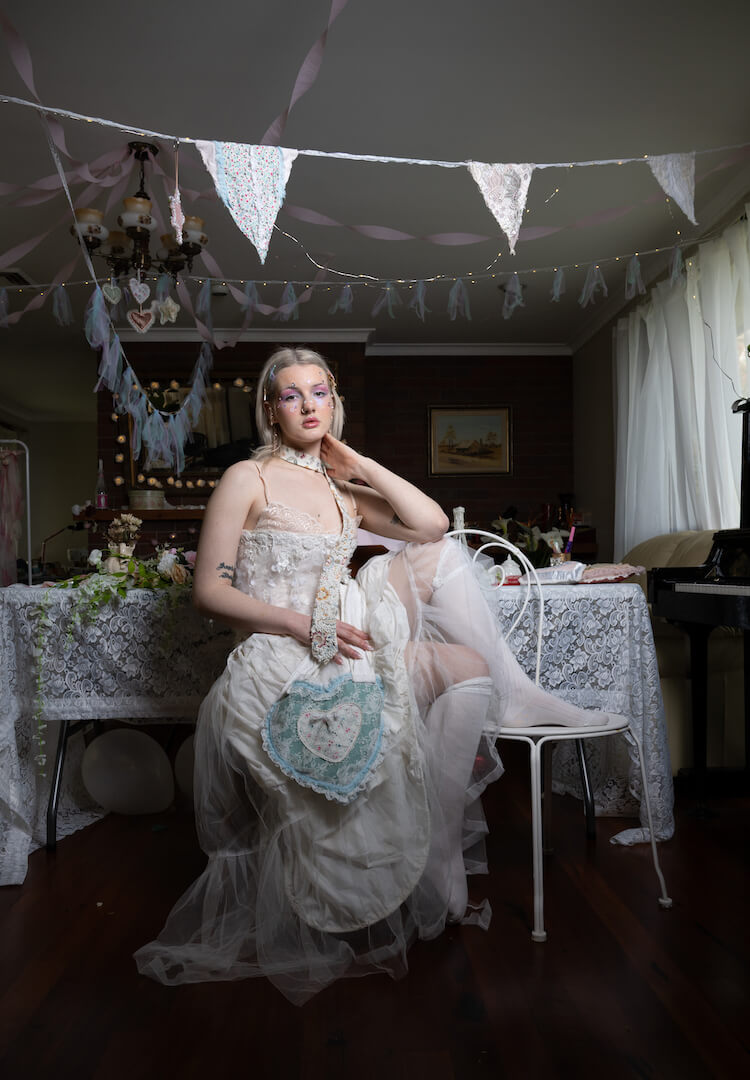
Susan Fernandez, Bachelor of Graphic and Digital Design
What inspired the creation of GEORGE, and what does the publication represent to you as a student creative?
It came from students who wanted a real creative outlet that actually reflected what we care about. It represents proof that you don’t have to wait until you graduate to do meaningful work. This is a legitimate publication, built entirely by people our age, and that’s kind of radical. It’s a space where experimentation is encouraged and fostered by our mentors, and where things can stay a bit raw and uncertain, which feels more honest to where we’re at as creatives who are still figuring things out.
Beyond being a platform for creativity, it’s also a time capsule. Every decision we make is going to be seen, and that accountability is something you can’t manufacture in a classroom. GEORGE captures a version of us that isn’t fully formed yet; ideas that are ambitious, sometimes messy, driven by instinct as much as intention. Eventually, all of that will evolve. People will refine, specialise, maybe even contradict what they made here. But this holds the moment before any of that happens.
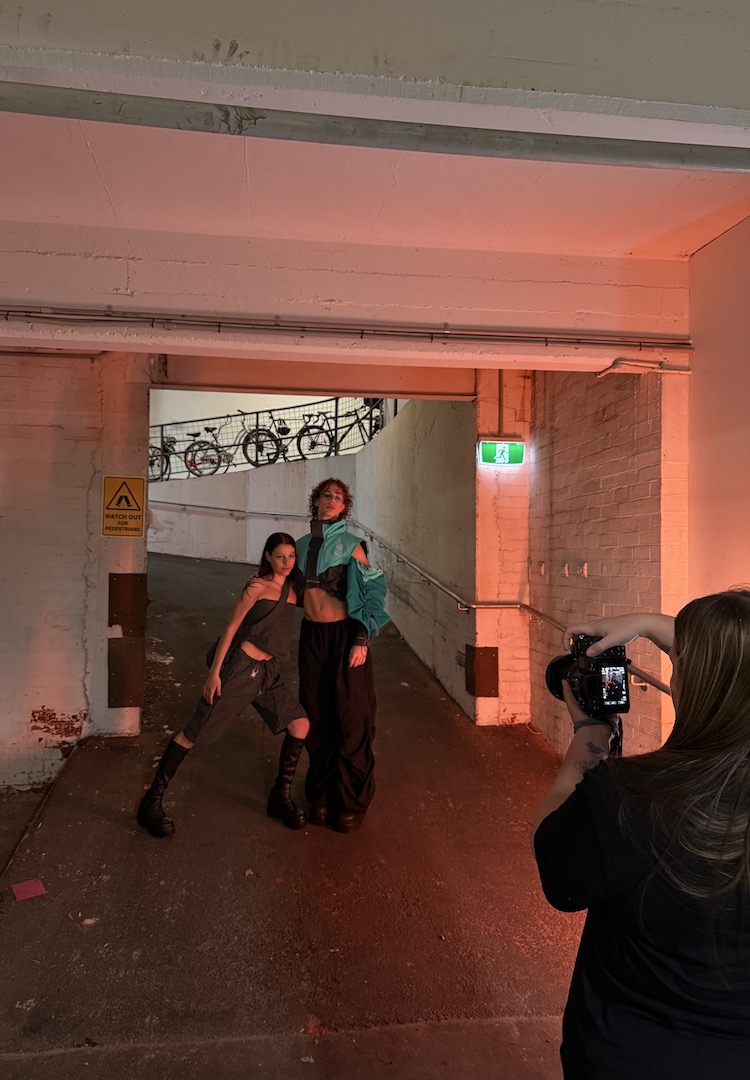
How does GEORGE reflect your generation’s perspective on fashion and culture?
I think our generation has a really different relationship with fashion than previous ones. We’re not passive consumers, we’re actively participating. We don’t really see fashion as separate from everything else anymore. We see it as something to question, remix, and use as a form of commentary. We’re thinking about sustainability, identity, culture and politics, about who gets to be represented, but we also have a willingness to contradict ourselves and sit inside those tensions rather than resolve them.
How has your course at Collarts helped prepare you to work on a project like the magazine?
Collarts has been really intentional about bridging the gap between studying design and actually practising it. The way our course is structured, you’re constantly working on briefs that feel real, with feedback, deadlines and an expectation that your work can stand up professionally. So by the time I joined the GEORGE team, I already had a sense of how to take creative direction, advocate for design decisions, and collaborate with people outside my discipline.
The cross-disciplinary nature of the course also prepared me in ways I didn’t expect. Working alongside photographers, writers and fashion students on GEORGE feels natural because Collarts has already exposed me to how those worlds overlap. Design doesn’t exist in a vacuum, and I think that’s something the course has made impossible to ignore.
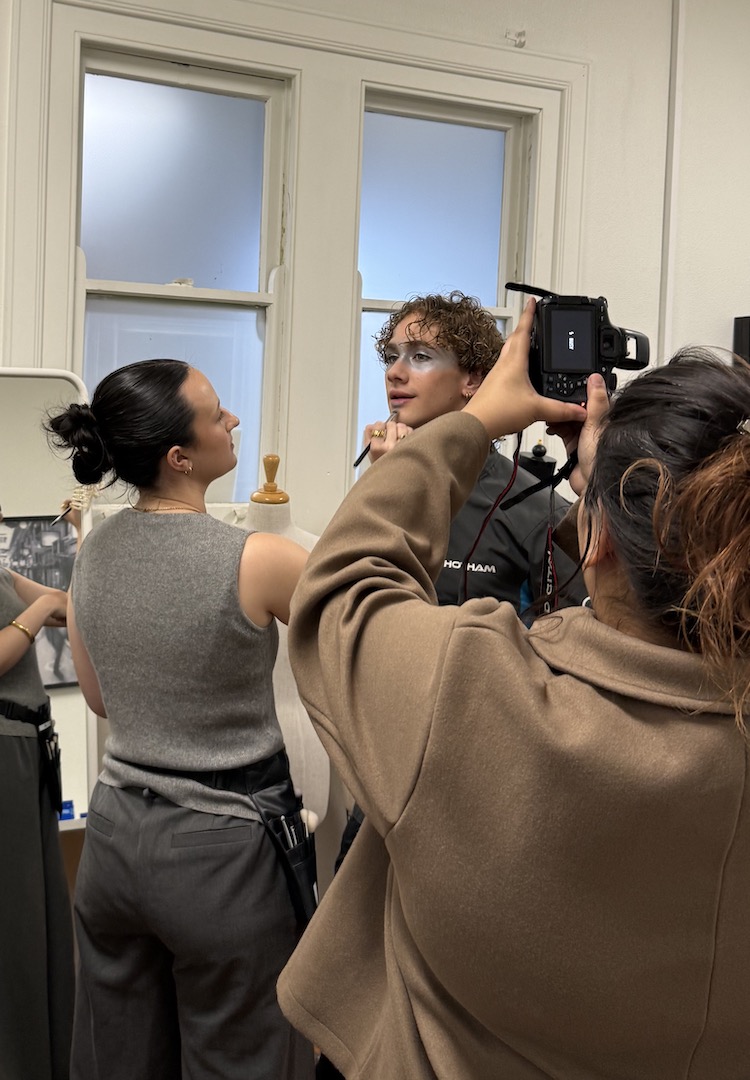
Jessica Tormey, Bachelor of Photography
What does the publication represent to you as a photographer?
GEORGE was created as a space for us to be seen, heard and taken seriously… To me, the publication represents community. We work alongside Monique Montfroy, Program Coordinator of Fashion Marketing, and Niki Bruce, Lecturer in Fashion Marketing, who provide editorial direction and oversight for the magazine. Overall, it shows what can happen when students are trusted with real creative responsibility and given space to build something together. As a student creative, it’s given me the chance to contribute to something bigger than my own work.
Can you walk us through how a typical editorial comes together?
Editorials usually start with a concept or creative direction centred on the issue’s theme. From there, the team starts thinking about how that idea can translate visually – what kind of mood, styling, locations, models, lighting and story will best suit the brief. Once the concept is clear, it becomes a collaborative process. The concept often evolves a little as everyone brings their own creative input.
After the shoot, images are selected, edited and refined before being handed over for layout and design. From there, the graphic designers and the writing team work on sequencing, typography, written content and how the images flow across the pages. It is a process that moves from an idea into something physical, and I think that’s one of the most rewarding parts.
What’s one thing you’re most proud of in this process?
One thing I’m most proud of is how much confidence working on the GEORGE team has given me. Before this, I didn’t really have any desire to photograph fashion. I didn’t even really care about how I looked or what I wore. I don’t think I fully understood how creative, collaborative and storytelling-focused it could be. But through this, fashion photography has become one of my favourite things to shoot.
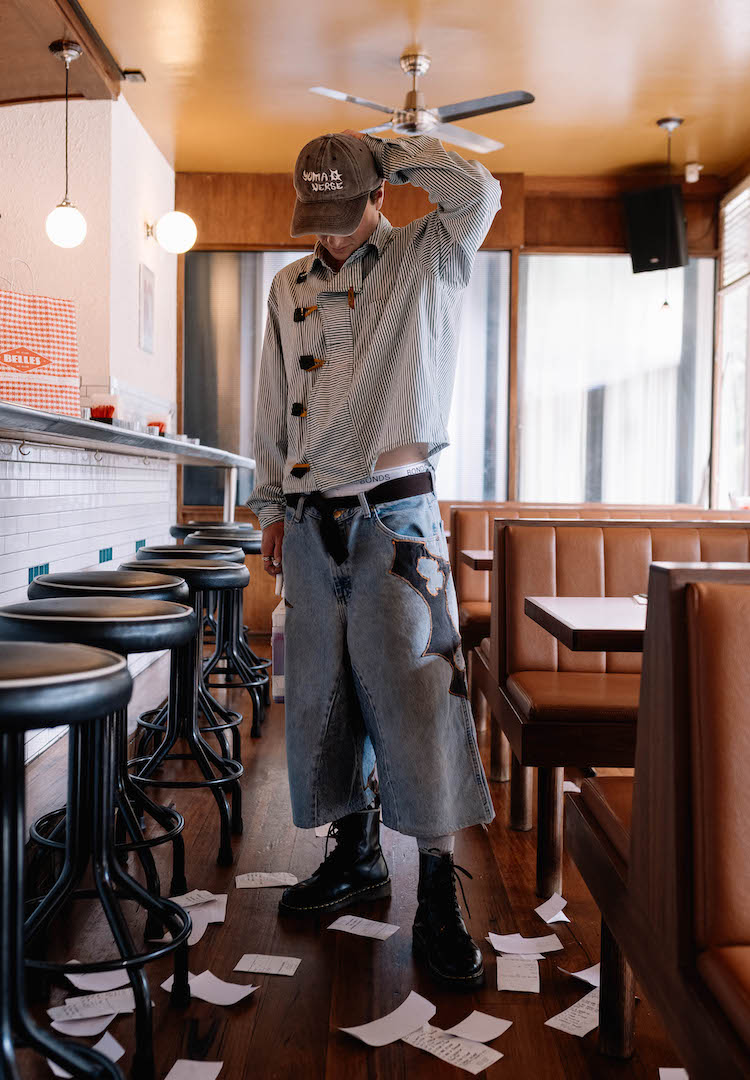
Steph Troiano, Bachelor of Design (Fashion and Sustainability)
Why is student-run media important to you?
Student-run media offers a different perspective from traditional publications. It’s not focused on profits or engagement clicks; it touches on the areas of interest and concern specific to emerging creatives. Additionally, it spotlights newer and smaller creatives on an intimate level. Ultimately, student-run media is fundamental to the continuation of creative industries.
How has working on GEORGE shaped you as a creative?
It has improved my confidence by interacting with and working alongside numerous other creatives. I’ve learnt when to contribute ideas and speak up, and help out when some extra work is needed. GEORGE has also helped me gain experience in and understand what is involved when working on a large project with tight deadlines.
It’s also given me a platform as a designer to share upcoming projects, like my debut runway. I am extremely grateful to GEORGE for being the first media publication to feature my brand – it’s given me confidence to put myself out to other media outlets in the future.
*Australia’s #1 provider of creative arts courses for Overall Educational Experience. Source: 2024 QILT Student Experience Survey (SES). Compared to all comprehensive creative arts course providers in Australia, excluding specialist field providers.
To read the latest issue of GEORGE, head here. Applications for Trimester 2, commencing in June, are now open, with Collarts’ August Open Day on the horizon for future creatives wanting to explore the campus.
Liked this? You’ll love these...