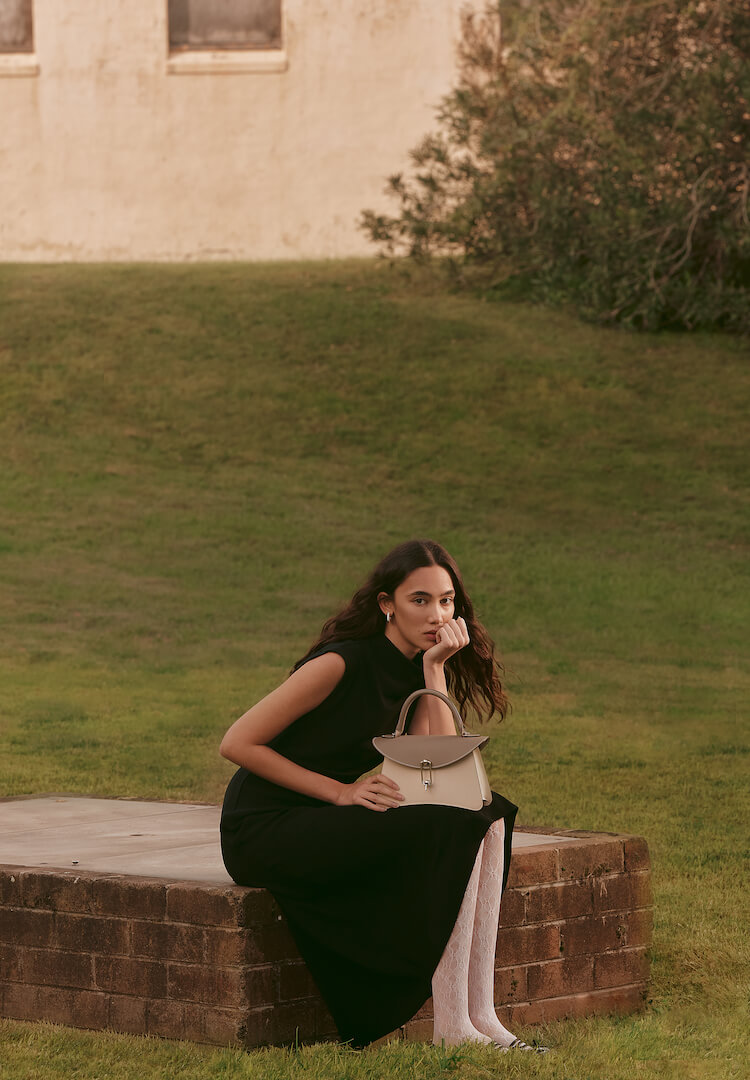


Jessica Micheline Pangestu’s graduate collection blends Indonesian batik with Western silhouettes
PHOTOGRAPHY BY Chrissy Dore and Naomi Rahim
as told to daisy henry
“Fashion, for me, is not just about aesthetics, but about identity, memory and emotion.”
When it came time to plan her graduate collection, RMIT student Jessica Micheline Pangestu had a clear vision. Drawing on her Chinese-Indonesian background, she knew she wanted her designs to tell a story about struggle, resilience and togetherness.
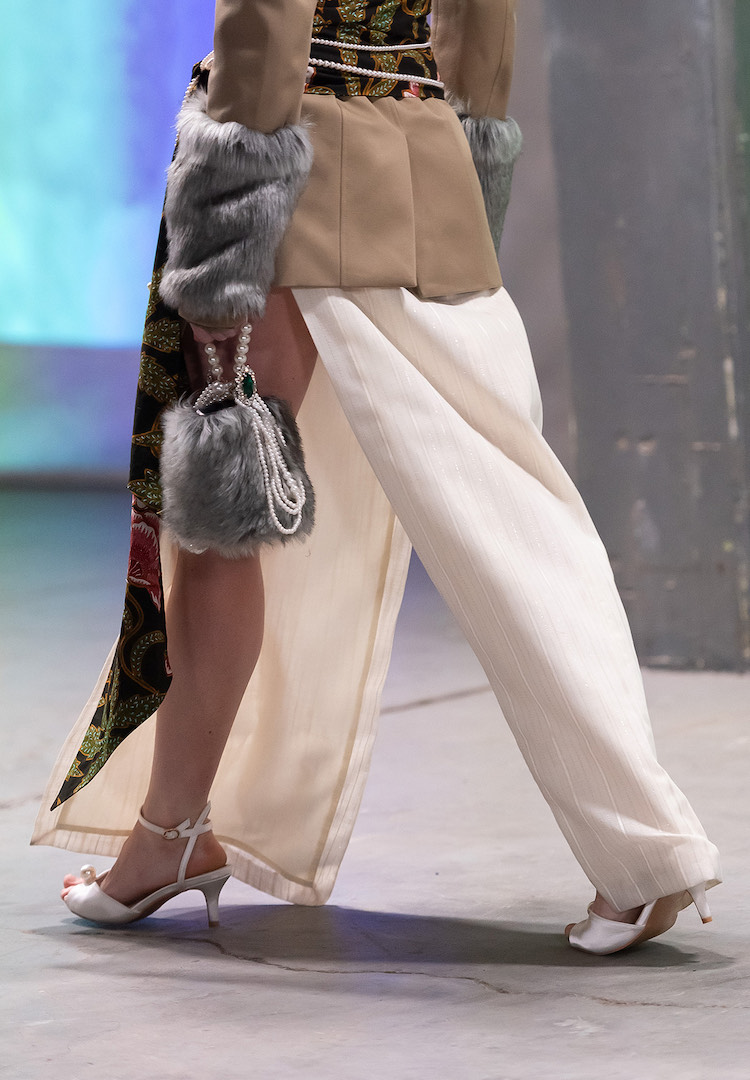
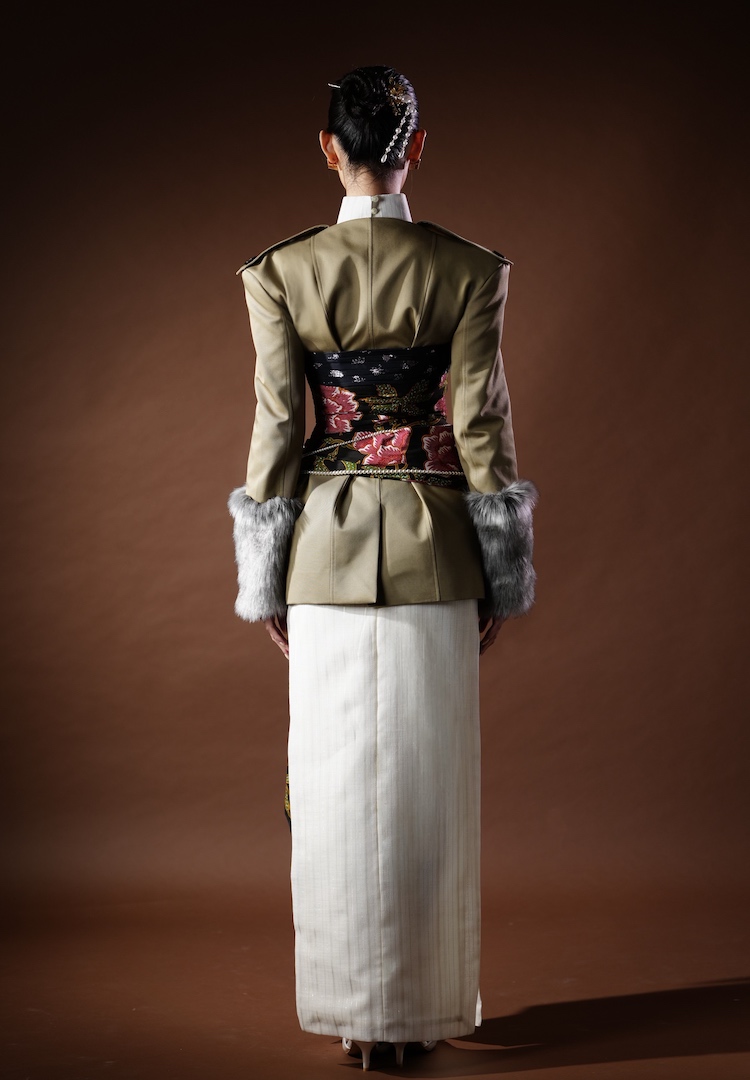
The biggest hurdle Jessica came up against was sourcing the right materials. “The batik fabric used across all four garments was specially ordered from Pekalongan, Indonesia, and brought to Melbourne by a visiting friend,” she explains. The gabardine twill, used in her trench coats, was shipped from Japan and arrived within the week.
For more fashion news, shoots, articles and features, head to our Fashion section.
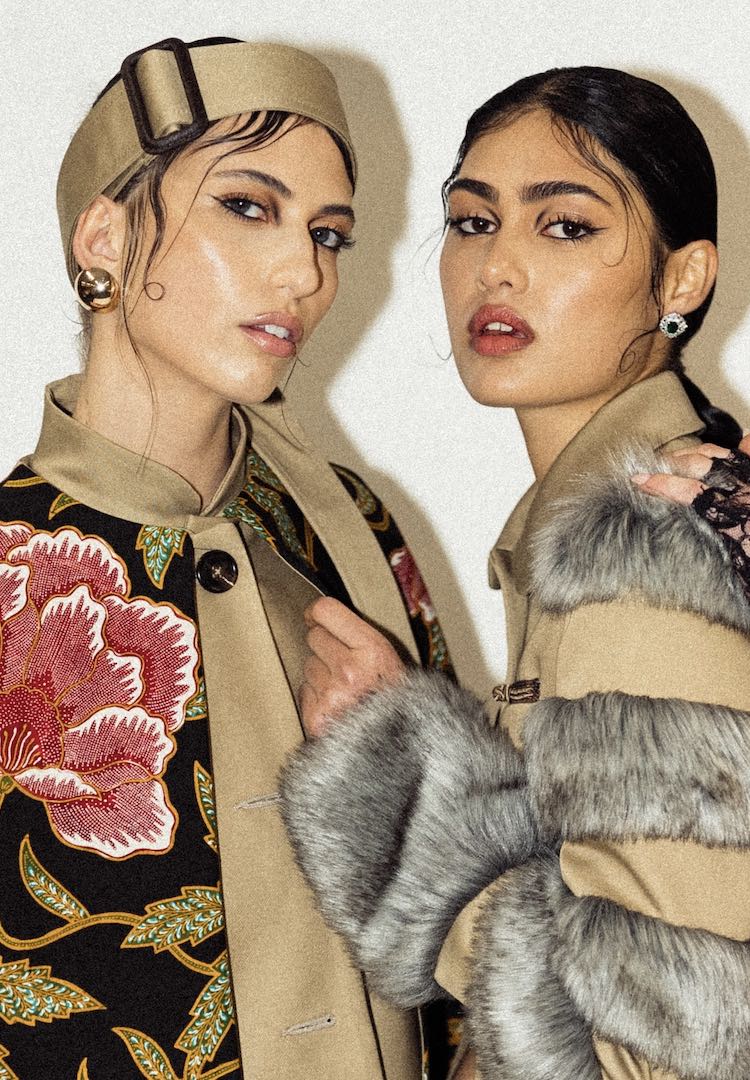
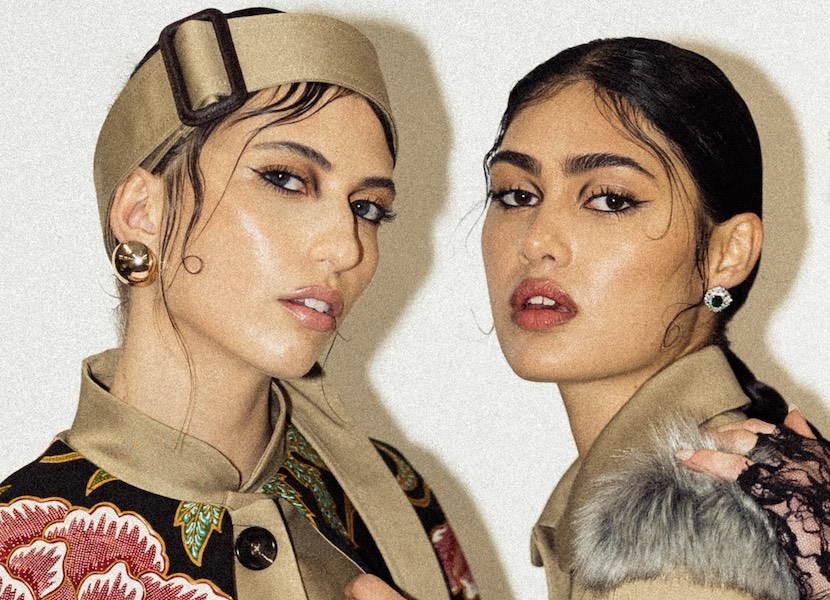
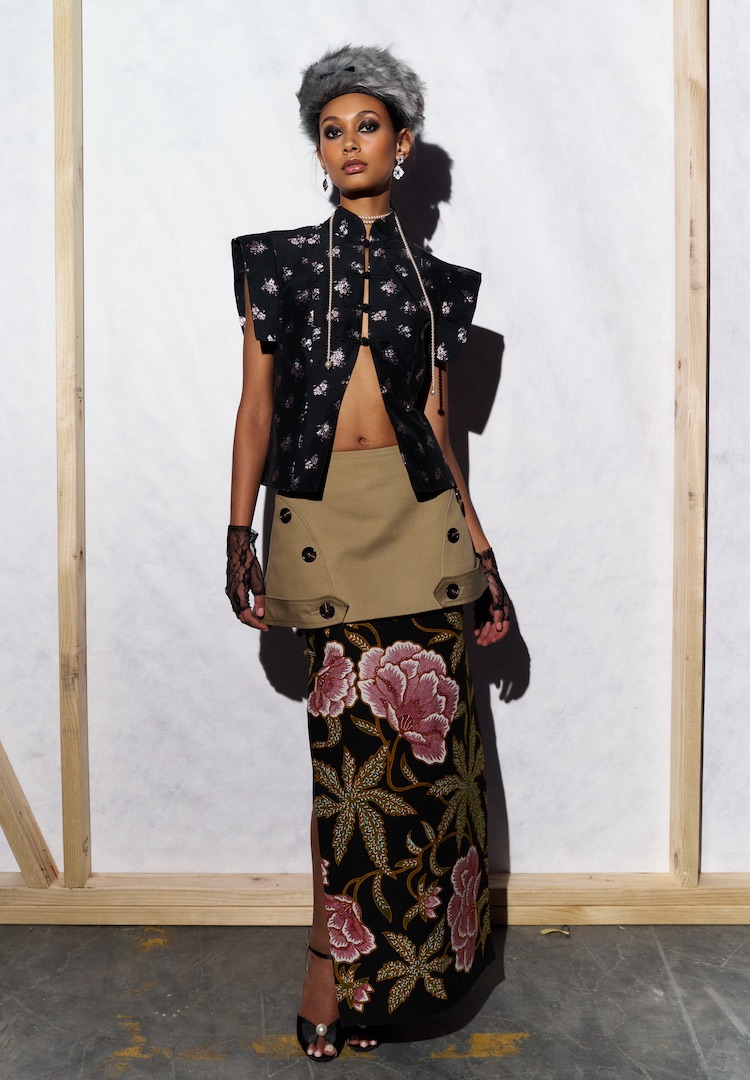
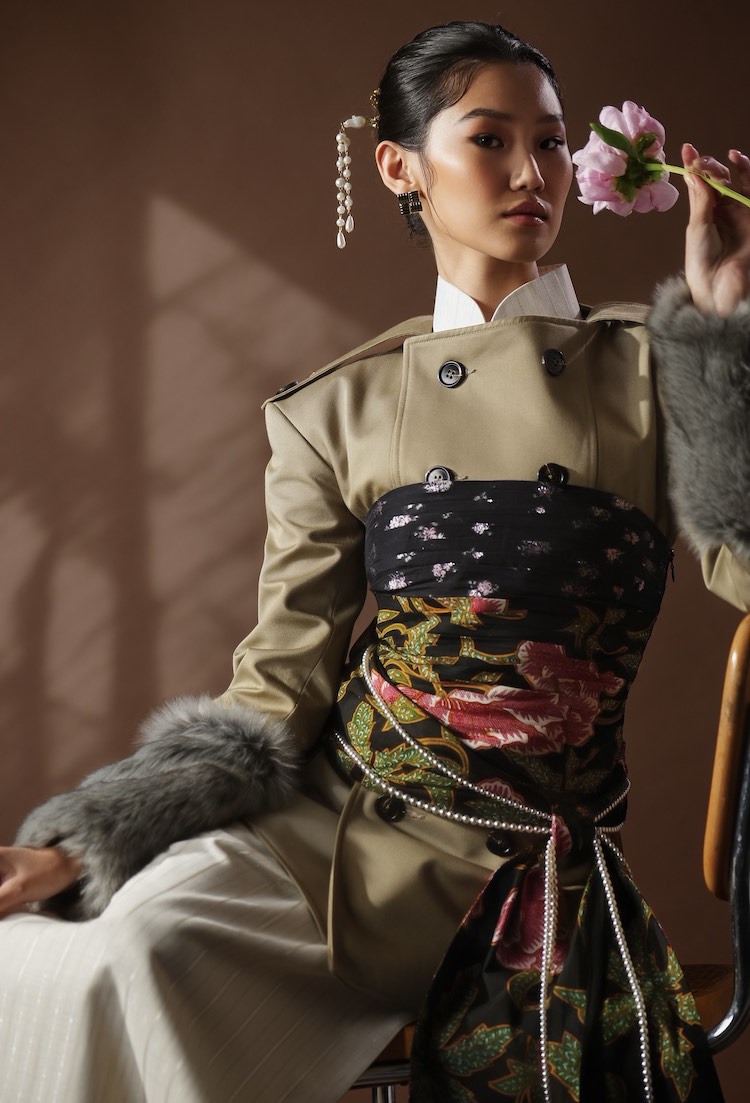
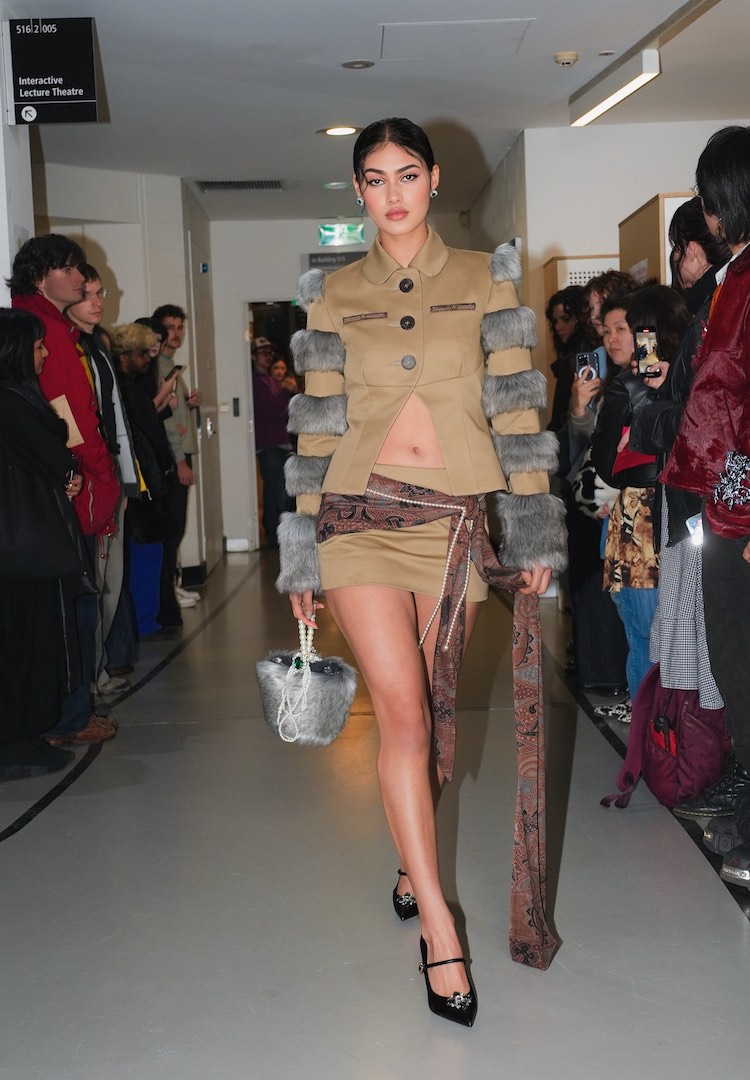
The resulting collection, aptly named ‘Threads of Identity’, reflects the beauty that happens when cultures come together. Combining the intricate patterns and colours of Indonesian batik with the sharp tailoring of Western fashion, Jessica’s designs aim to spark conversation.
“At the beginning, I underestimated how long sourcing, sampling and problem-solving would take, especially when working with overseas materials,” she says. However, trusting the process and learning to adapt is something she now views as being as essential as the concept itself.
‘Threads of Identity’ is one of many student collections that will be on display at the National Graduate Showcase as part of PayPal Melbourne Fashion Festival on February 24. Held at the Royal Exhibition Building, the runway will feature 12 graduate designers hand-picked from Australia’s leading fashion institutions. It’s always an exciting glimpse into the future of Australian fashion and Fashion Journal is proud to be a long-time media partner of the event.
Fashion Journal: Hey Jessica! Tell me about how you first got started in the fashion industry. Did you always want to be a designer?
To me, fashion is art on the body. It’s a powerful way of expressing identity without words. I’ve always been fascinated by how clothing can reflect personality, influence confidence and shape how people feel about themselves.
From a young age, I was especially drawn to dresses, particularly couture gowns. I admired their elegance, intricate detailing and sculptural forms. As I grew older, I became increasingly interested in the craftsmanship behind them — the precision, skill, and creativity required to construct a single garment. Understanding the process deepened my appreciation of fashion not only as an art form, but also as a craft that empowers the wearer.
Tell me about the collection you’re showing for the NGS runway. What was your inspiration and what is the message behind it?
My collection is inspired by my cultural background as a Chinese-Indonesian and the influence of Western fashion during the mid-20th century. Growing up in a multicultural society, I became aware of both cultural richness and division. The Chinese community in Indonesia has a long history of discrimination, which my parents and grandparents experienced firsthand. Despite this, they continued to build their lives with resilience and pride.
Studying fashion in Melbourne further expanded my perspective and inspired me to merge my heritage with Western silhouettes. Through this collection, I aim to show that the world is more beautiful when it celebrates diversity, belonging and shared humanity.
What has the process been like? Have there been many setbacks or challenges along the way?
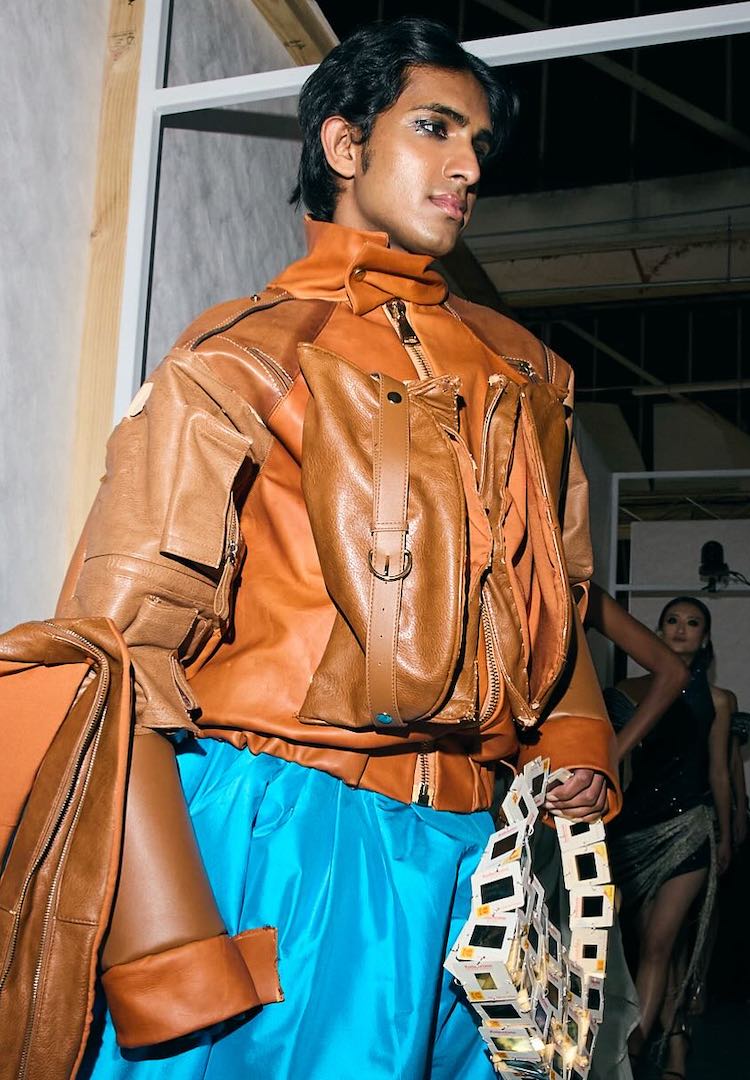
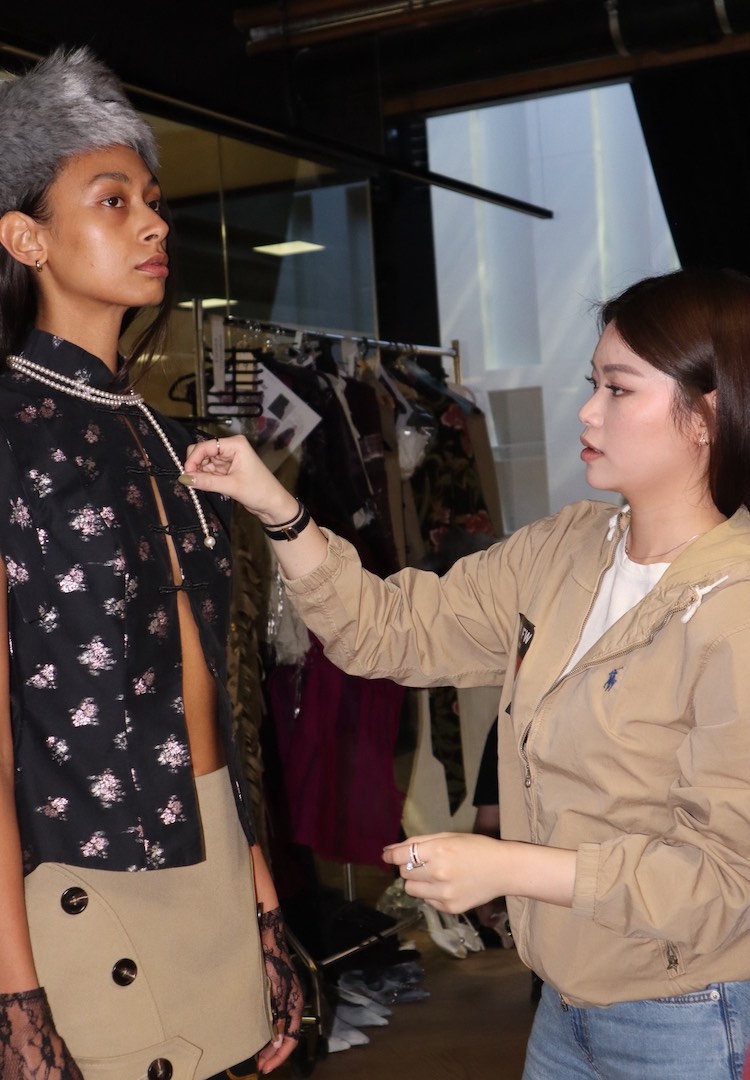
There are four looks in this collection. One of the biggest challenges was sourcing the right materials while working within tight time constraints. I had a clear vision for the designs, but after visiting numerous fabric stores in Melbourne, I realised the options were limited. The batik fabric used across all four garments was specially ordered from Pekalongan, Indonesia, and brought to Melbourne by a visiting friend. Additionally, the gabardine twill used for the trench coat elements was shipped from Japan and arrived within a week. Despite these challenges, I was able to complete the garments to the standard I had envisioned.
How would you describe your collection to someone who’s never seen it before?
The collection unfolds like a quiet romance, telling a story of struggle, resilience, and togetherness. Structured, trench-inspired silhouettes meet traditional Indonesian batik, blending strength with softness. Rooted in my Chinese-Indonesian heritage and mid-20th-century Western fashion, the garments reflect migration, identity and the beauty that emerges when different cultures come together.
What are you most proud of in your work so far?
I’m most proud of being able to turn a personal story into something tangible that people can see and feel. Watching the collection come to life through careful craftsmanship and thoughtful construction was incredibly meaningful. Seeing the garments move on the body and resonate with others reminded me why I chose fashion as a way to tell stories and express identity.
What do you wish you’d known when you first started your collection?
I wish I’d known how important time management and early decision-making would be. At the beginning, I underestimated how long sourcing, sampling and problem-solving would take, especially when working with overseas materials. I also learned that not everything will go exactly as planned and being flexible is essential. Trusting the process and adapting when challenges arise is just as important as having a strong concept.
Who is exciting you the most in local fashion right now?
I’m especially inspired by Jordan Drysdale, whose fashion photography captures mood, identity and power through beautifully composed imagery. His collaborations with local and international brands, as well as features in Vogue Australia and Fashion Journal, demonstrate a strong artistic vision that elevates fashion beyond clothing into emotion and narrative. His visual storytelling continues to inspire how I approach design.
What about the local fashion industry needs to change?
I believe the industry needs to shift further toward valuing craftsmanship, sustainability and longevity over fast trend cycles. Supporting ethical production, transparent processes and slower design practices would benefit both designers and consumers. This approach allows fashion to be more meaningful, responsible and culturally aware.
Who are your dream collaborators?
One of my dream collaborators is Sohee Park. I admire her dedication to couture craftsmanship and the way she tells powerful, emotional stories through fashion. Her ability to blend cultural heritage with modern elegance and intricate handwork is deeply inspiring. Collaborating with someone who values artistry, detail and narrative would allow me to further explore fashion as both art and storytelling.
Where do you hope to be in the next five years?
In the next five years, I hope to have my own studio and established brand, focusing on thoughtfully designed ready-to-wear pieces with couture-level attention to detail. I want to continue developing collections that tell personal and cultural stories while growing sustainably as a designer.
How can we see more of your work?
I’m currently working on a website and Instagram for my work, which will be launching soon. For now, I share updates and projects through my personal Instagram account.
Anything else to add?
Fashion, for me, is not just about aesthetics, but about identity, memory and emotion. I hope my work encourages people to reflect on their own stories and appreciate the beauty of cultural diversity through clothing.
Get your tickets to the NGS Showcase at PayPal Melbourne Fashion Festival here.
Liked this? You’ll love these...