

Why size inclusivity in fashion matters more now than ever
PHOTOGRAPHY BY Natasha Killeen
WORDS BY HOLLY VILLAGRA
“I just want to keep showing that you can have your curves, be healthy, ambitious, and still have fun with fashion, because that’s the real story.”
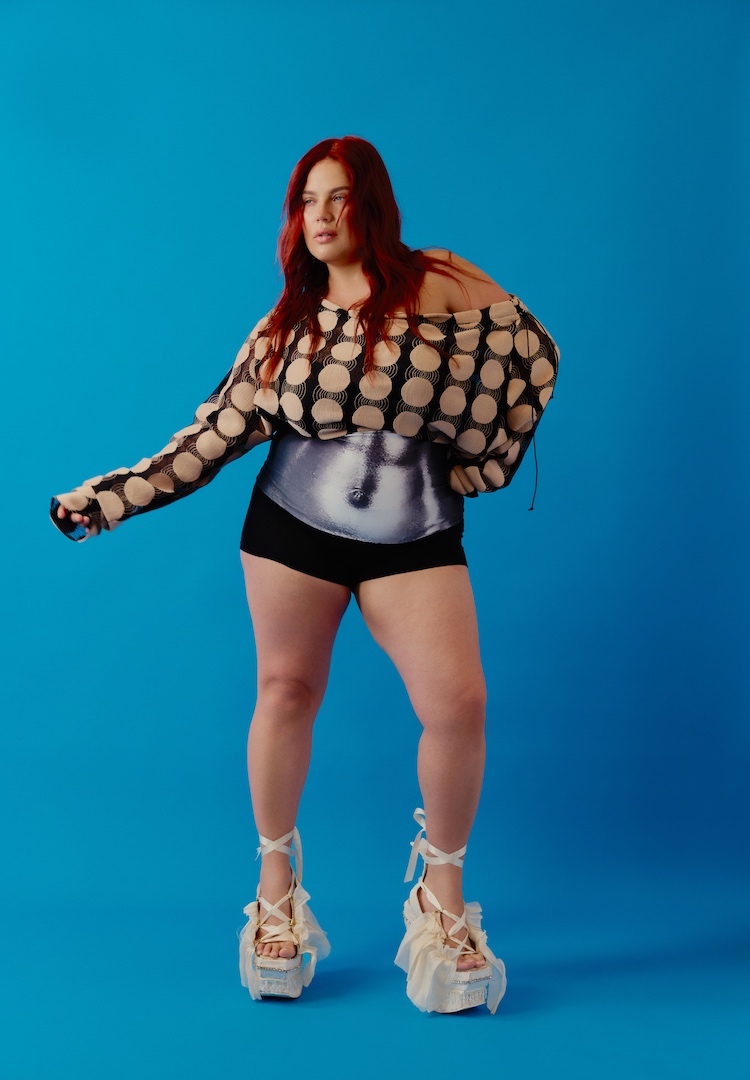
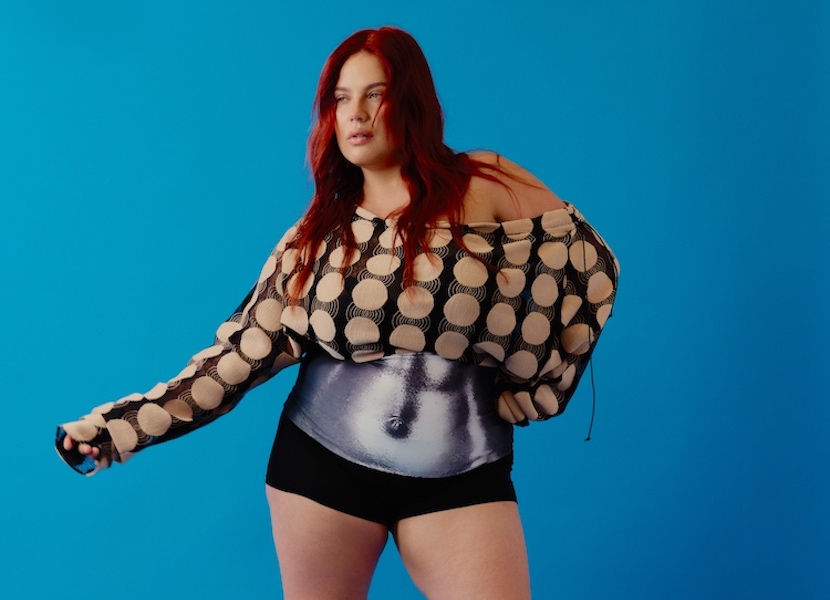
If you haven’t already spotted Bruna Lapinskas walking the shows at Australian Fashion Week, you’ve likely seen her fiery red hair on billboards, websites or your Instagram feed. The Brazilian-born, Australian-based model has fronted campaigns for major brands, including Mecca, Bec and Bridge, Bras N Things, and Aje Athletica.
Now represented by Primary Management, Bruna has made a name for herself not only as a model in Australia and internationally, but also as an advocate for curve representation. Having worked in the fashion industry for over a decade, her success is the result of persistence, determination and outspoken authenticity.
For more fashion news, shoots, articles and features, head to our Fashion section.
Bruna began modelling at the age of fifteen, while living in Brazil. Both curvy and 5’4”, launching her career proved to be difficult, given the pervasive diet culture of the 2010s. It was the era of Paris Hilton and Nicole Richie, of galaxy-tight-clad thigh gap pictures, of Yolanda Hadid telling Gigi to eat a few almonds when she felt she was about to pass out.
Thin was in. And due to the lack of size representation within the fashion world, Bruna found herself modelling for brands that catered to women three times her age. Even outside of modelling, there was a clear disparity between the outfit options she had as a young teen and those available to her friends.
“I remember being around 12 to 16 years old, that awkward stage when you’re figuring out your style and just want to look cute-ish, but finding clothes that fit and felt like me was a struggle. There wasn’t much out there,” she states. “I’d either dress like a tomboy or end up buying things from my mum’s section, which still makes me laugh.”
As a plus-size woman who also works in fashion, I can relate. Since starting my career at 19, I quickly realised that while you can approach the industry with all the optimism in the world, the reality is often very different.
I’ve worked in companies where I was the only plus-sized person in the room, and for brands whose clothes I couldn’t even wear. I’ve attended events for labels that claim to design for ‘every woman’, only to find their sizing stops at 14. I’ve watched runway shows without a single non-straight-sized model.
“I remember reading teen magazines and never seeing anyone with my body type. It just felt normal not to see girls like me represented. I didn’t even question it. My eyes just kind of accepted what was shown as ‘the standard’,” Bruna reflects.
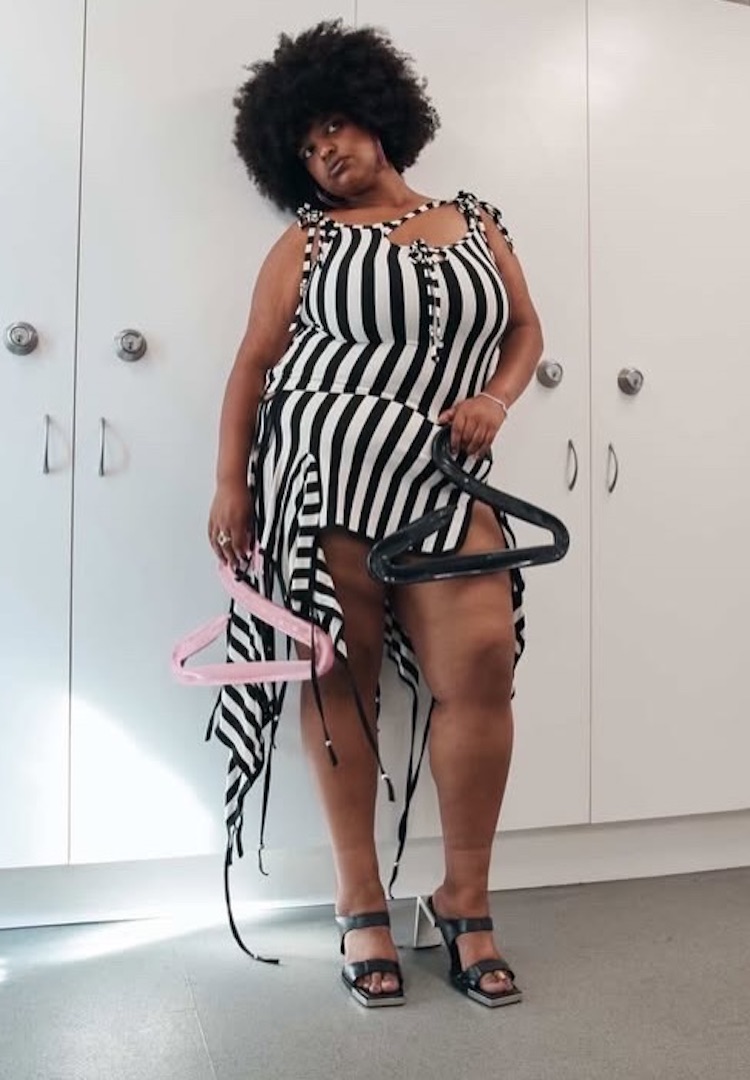
The significance of having Bruna on this cover of Fashion Journal, alongside a fashion spread composed exclusively of curve models wearing local designers, isn’t lost on me. Especially now, at a time when size inclusivity appears to be slipping through our fingers, slowly but surely.
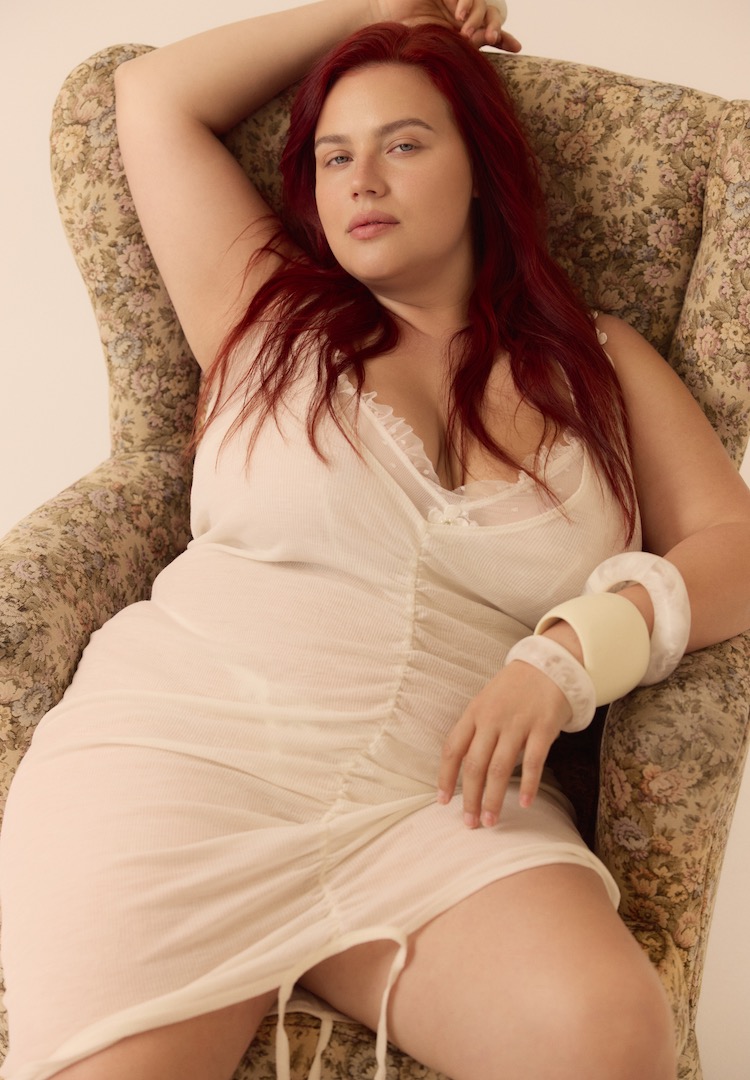
“In 2022, I walked for five shows at Fashion Week and not just me, there were so many incredible curve models finally owning the runway,” Bruna tells me. “It genuinely felt like a shift was happening. But lately, it’s like we’ve taken one step forward and two steps back.”
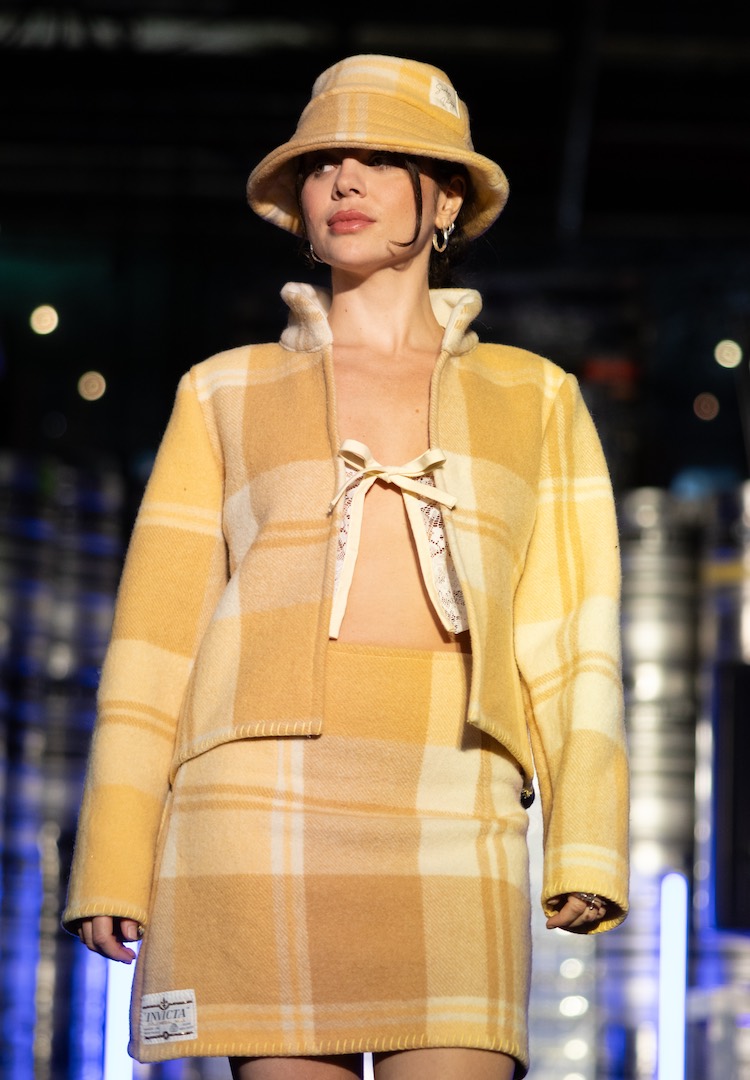
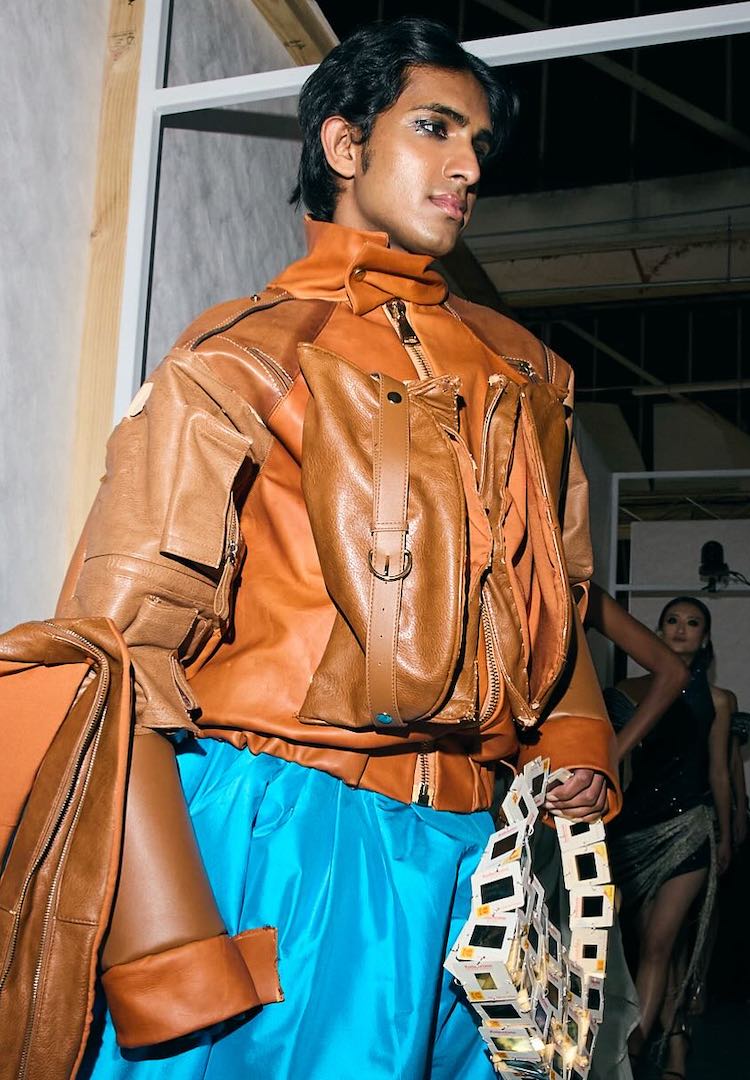
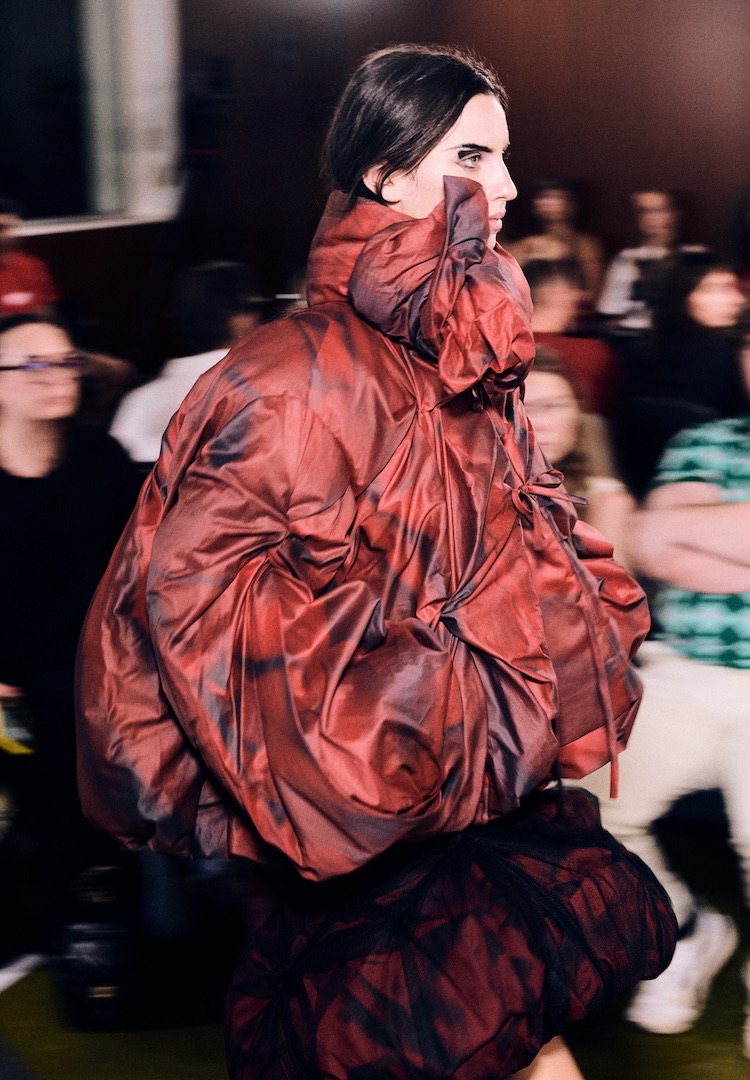
Despite progress, extended size inclusivity remains a longstanding challenge in the industry, with recent data indicating that representation is gradually declining. A 2026 Vogue Business report found that 0.3 per cent of models across Fall/Winter 2026 fashion week shows were plus-size, and locally, Australian Fashion Week featured under two per cent curve representation.
“Right now in Australia, you might see one or two curve models in a show, but most brands still don’t carry extended sizes or make them visible,” Bruna adds. “If you’re not showing curve bodies on runways, your campaigns or in stores, that audience will never feel invited in.”
“True inclusion means extending size ranges, offering in-store try-ons and featuring curve models in everyday campaigns,” she adds. “I’d also love to see more curves represented in high-end fashion. We want to look good, cool and expensive too!”
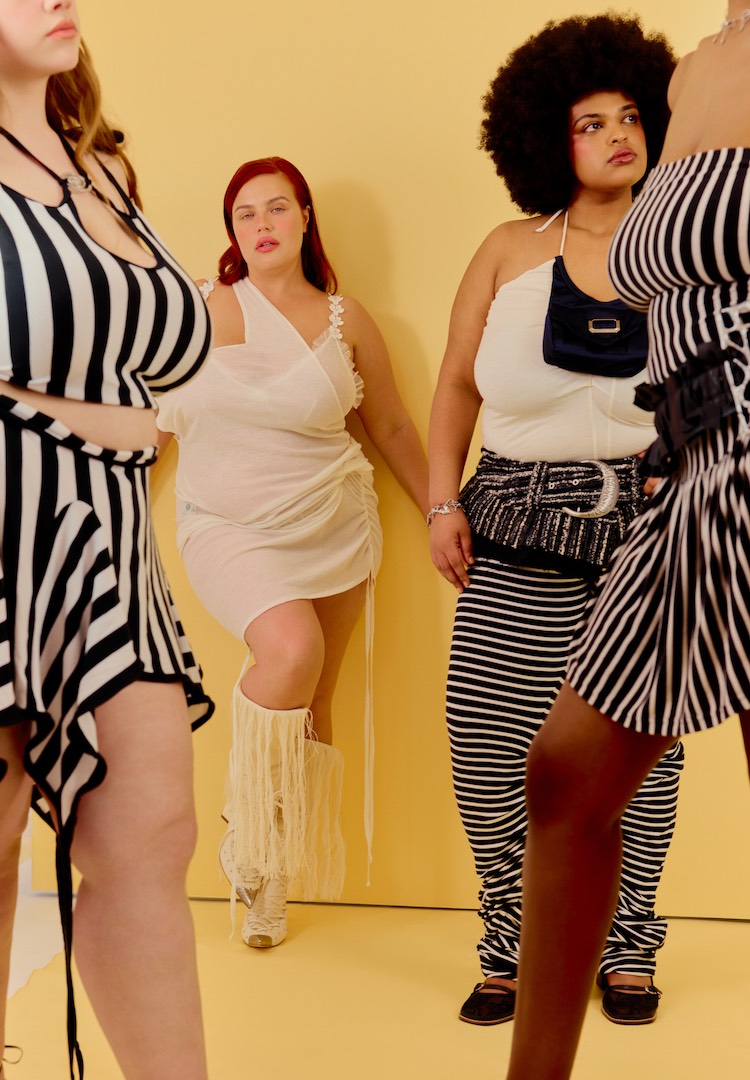
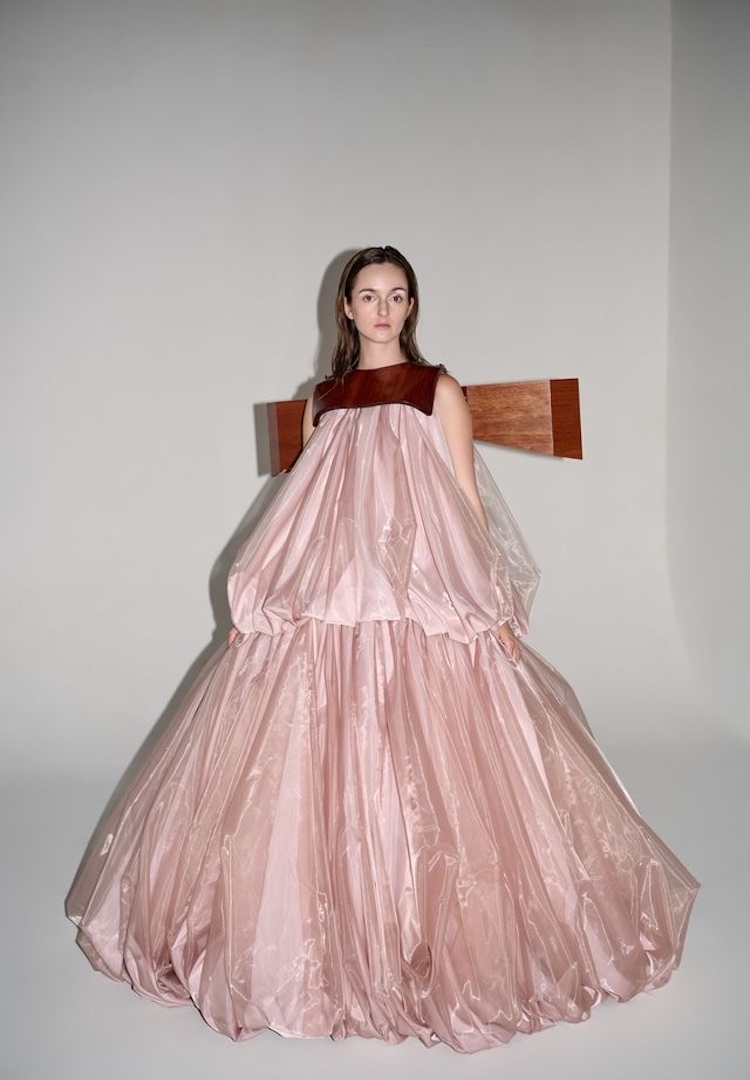
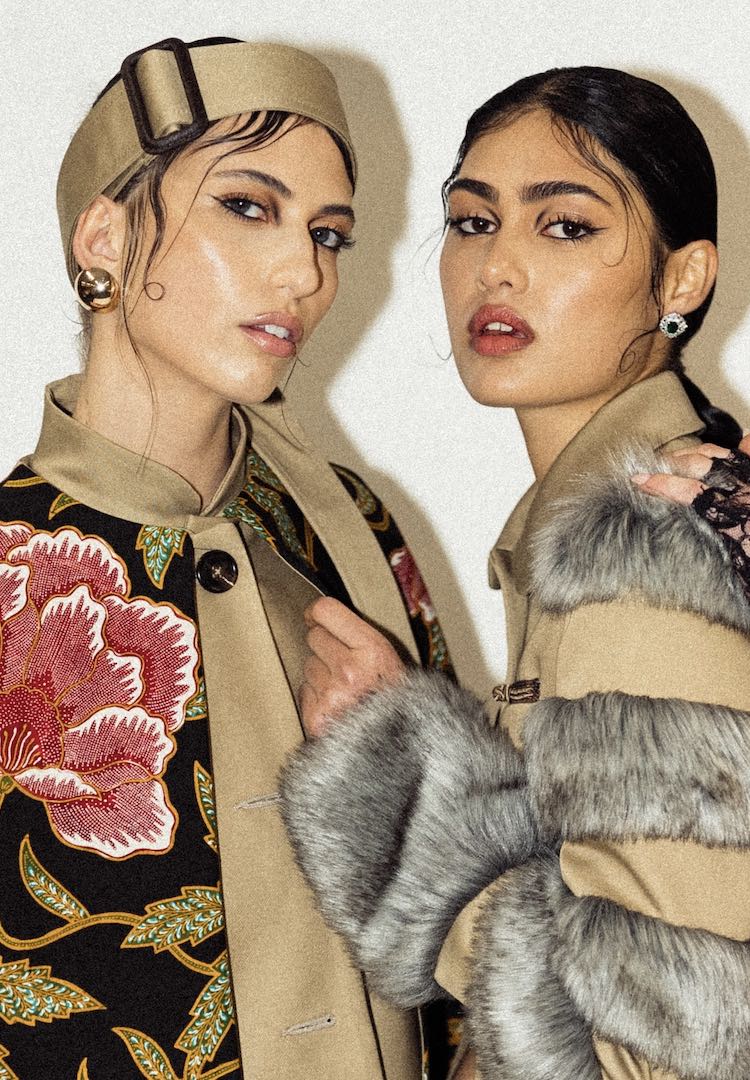
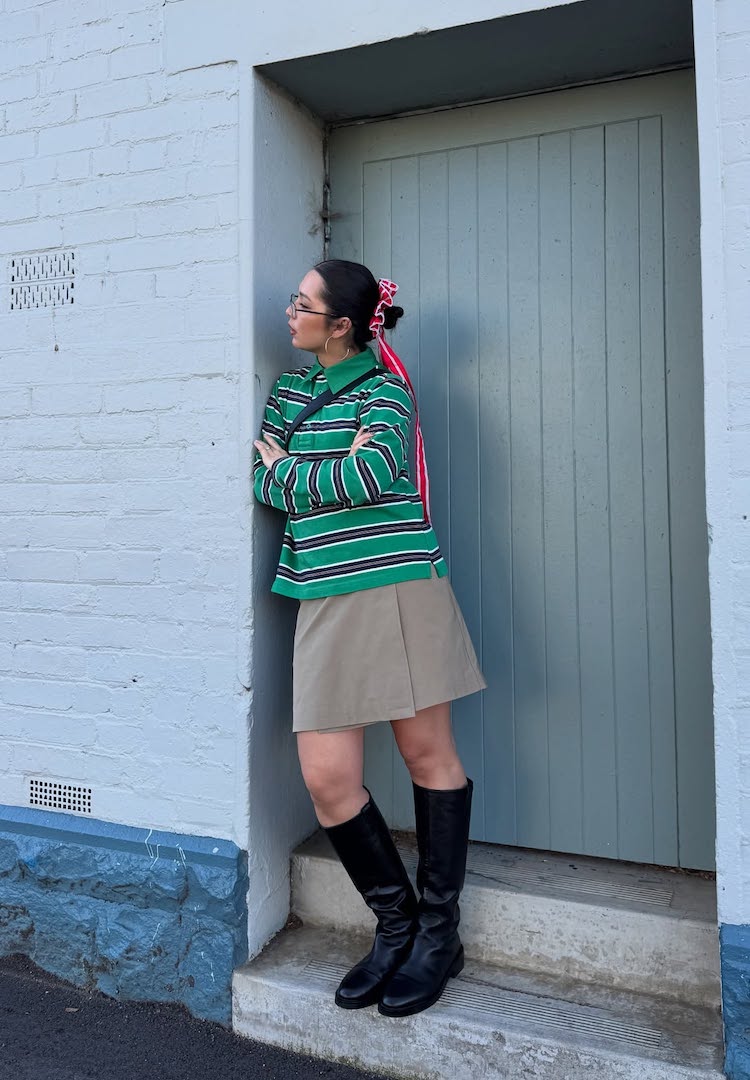
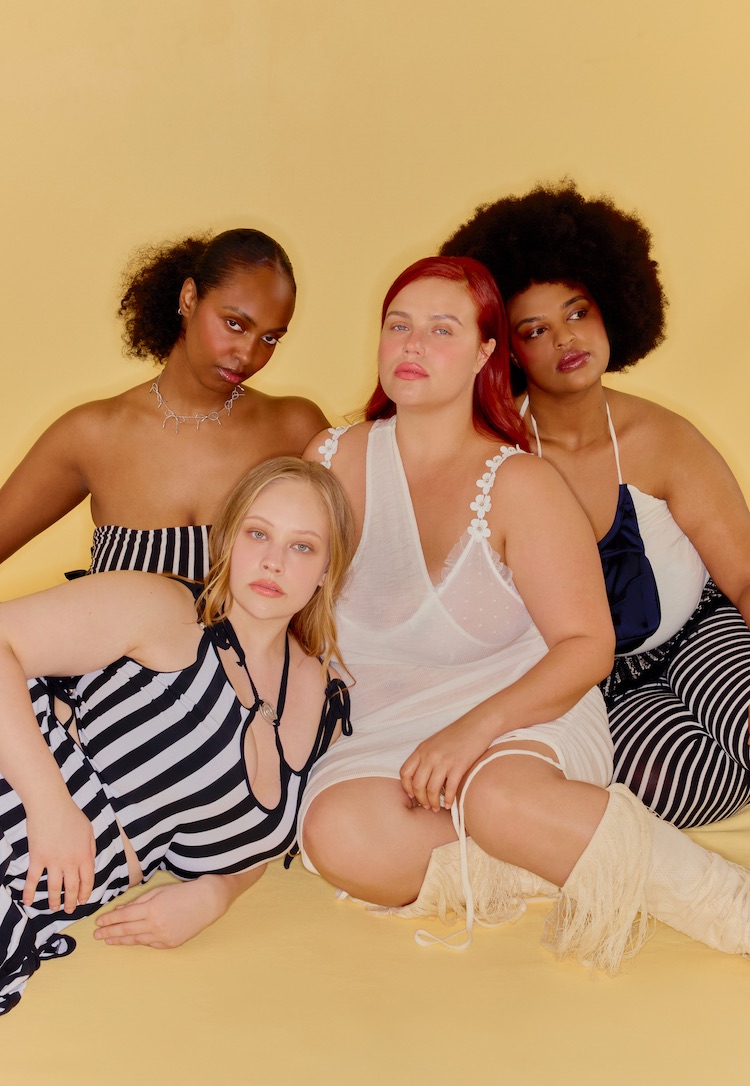
This shoot, produced by Studio Mimi and styled by Sydney Atakliyan, celebrates some of the local brands leading the way in size inclusivity, including (but not limited to): Cakey Sportsman, Niamh Galea, Katharina Lou, Karlaidlaw and Annie Berry. We recognise these names, plus many more, for delivering representation that’s authentic, consistent, continuous, and, might I add, fabulous.
“Some brands are moving in the right direction, like De Gail, Vagary and Youkhana, who really listen to their audience and create for them, not just about them. That’s the kind of energy I hope more Australian labels embrace,” Bruna says.
Stories like Bruna’s remind us that progress is still possible. The ongoing commitment to representation from designers, stylists, casting agents and creatives gives me, and other women with bodies like mine, hope that the fashion industry can evolve toward true inclusivity. And, how good it can look clad in Maroske Peech tights with incredible models like Bruna, Dunya, Lola and Reem at the forefront.
As Bruna puts it: “At the end of the day, I just want to keep showing that you can have your curves, be healthy, ambitious, and still have fun with fashion, because that’s the real story.”
This article was originally published in Fashion Journal Issue 199.
For more plus-size representation in fashion, head here.
Liked this? You’ll love these...