

What to know about cold water therapy and periods

words by daisy henry
Before you take the plunge.
Cold water therapy has been everywhere lately. If your algorithm is anything like mine, you’ve probably seen glowing wellness influencers praising contrast therapy, whether it’s finishing a shower with a blast of cold water or plunging into an icy pool. Devotees claim it can boost mood, reduce inflammation and leave you feeling invigorated.
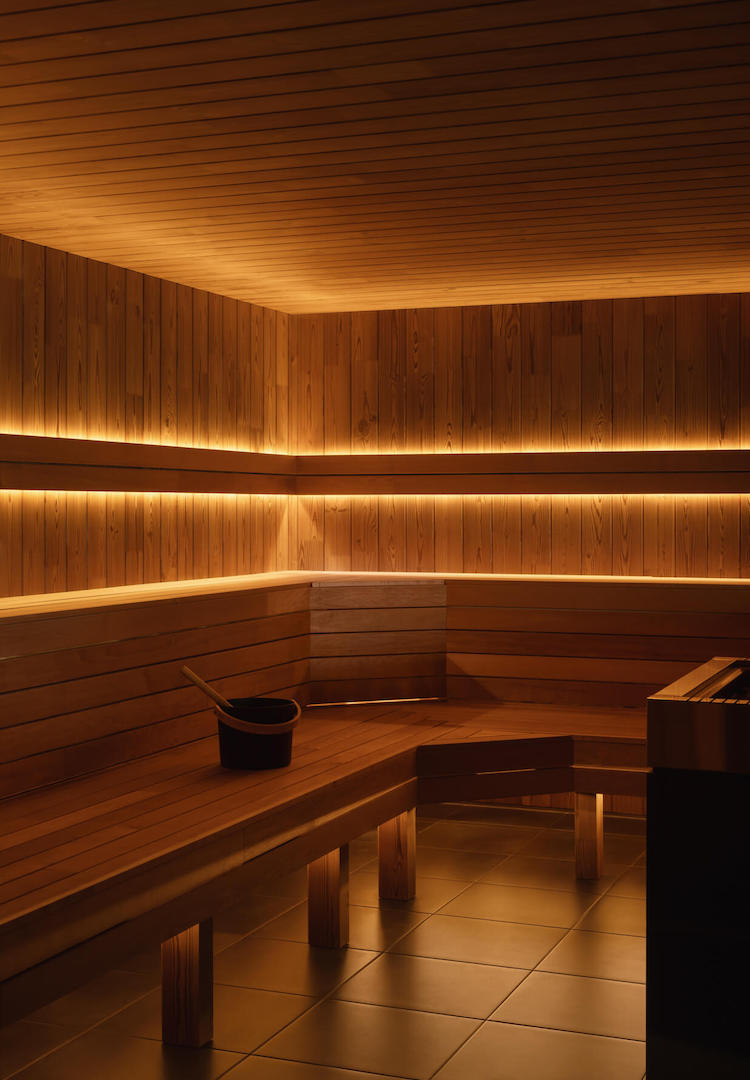
Since first learning about it, I’ve tried cold plunging a few times myself: once at the beach on a particularly cold morning, running into the ocean with friends, and another time at a local bathhouse moving between the warm pool, sauna and cold plunge. Each time I’ve felt exhilarated (and a little smug).
For more perspectives on wellness, head on over to our Health section.
But alongside the hype, there’s also been a growing chorus discouraging women and people who menstruate from getting involved – particularly around their cycle.
Curious to understand the benefits and potential risks, I spoke to the experts: Dr Vivian Tam, a holistic doctor of Chinese medicine, and Eric Drinkwater, a senior lecturer in sports science at Deakin University.
What does cold water therapy involve?
Though cold water immersion might be trending, it’s far from new. Roman bathhouses were said to have a frigidarium (cold bath) alongside warm and hot baths, with bathers often finishing their circuit with a cold plunge.
Today, cold exposure has become a staple for athletes and wellness enthusiasts alike, helped along by figures like Wim Hof, the Dutch extreme athlete. Nicknamed ‘The Iceman’, he’s broken world records for his ability to withstand cold temperatures.
Modern cold water therapy can range from a brief cold blast at the end of a shower to submerging in an ice bath for several minutes.
What are the benefits of cold water therapy?
According to Eric Drinkwater, a senior lecturer in sports science at Deakin University, the benefits of cold water therapy can be both physiological and psychological – though the research is still limited.
Cold exposure is often said to reduce inflammation, improve nervous system resilience and trigger an endorphin release, but much of the evidence comes from anecdotal reports or small studies.
“There’s a shutdown of the blood vessels to the skin in response to cold to try to limit heat loss, which pushes surface blood to the core,” Eric explains. “However, I’m not sure of any health benefits of this, as circulation would return to normal as soon as you start warming up again.”
For many people, the biggest benefit may actually be mental. Participants often report improved mood, reduced anxiety and a sense of invigoration after a plunge. “I can’t help but feel like this is mostly caused by people feeling a real sense of empowerment and belief in what they’re doing,” he explains.
“I can’t help but feel like this is mostly caused by people feeling a real sense of empowerment and belief in what they’re doing,” he says.
There’s also a strong social element. From ocean swims to guided plunges, many people take part in groups, creating a sense of community around the challenge.
What are the risks of cold water therapy?
Cold water immersion can shock the body, and the risks shouldn’t be overlooked. “The real negatives come from the huge increase in heart rate and blood pressure as soon as someone hits the cold water,” Eric says. “This can present a real risk of cardiovascular events.”
Cold shock can also cause hyperventilation, increasing the risk of blackouts, which is why experts recommend never plunging alone and speaking to a doctor before trying it.
From a Traditional Chinese Medicine (TCM) perspective, Dr Vivian Tam says excessive cold exposure can also strain the body. “Cold is considered a pathogenic factor, meaning too much of it can disrupt the flow of qi and blood,” she explains.
In TCM theory, too much cold can weaken digestion and leave people feeling bloated, fatigued or run down. Dr Vivian says that overdoing cold exposure can strain your nervous system, rather than strengthen it. “Excessive cold can weaken digestive qi, which is basically the body’s ability to transform food into energy,” she explains. “Digestion in TCM is like a cooking pot – it works best when it’s warm.”
How does it affect people who menstruate?
According to Dr Vivian, there may be some truth to claims that cold exposure affects people who menstruate differently. “Women are more blood and energy dependent because of the menstrual cycle,” she says. “From a TCM perspective, we are constantly balancing digestive function with reproductive function.”
Cold exposure can constrict circulation and introduce ‘cold’ into the meridians, particularly around the lower abdomen and pelvis. “Over time that can contribute to cramps, delayed cycles, clotting or a general feeling of sluggishness,” she says.
Men, she adds, don’t experience the same cyclical demand on blood and reproductive function and may tolerate cold exposure differently.
However, Eric says timing may matter. The luteal phase of the menstrual cycle can involve increased inflammation and pain, meaning regular cold exposure could potentially provide relief for some people. “It might make some people feel better if it’s something they routinely do,” he says.
Cold exposure may also help reduce vasomotor symptoms during perimenopause, such as hot flashes and sleep disturbances. Ultimately, every cycle is different, so blanket rules are difficult. Consulting a medical practitioner can help tailor advice to your body.
How to try cold water therapy
Dr Vivian advises avoiding cold plunges during menstruation and in the few days leading up to your period. “This is a phase where the body benefits from warmth to keep circulation moving smoothly and to support the release of blood without pain or clotting,” she says.
Instead, she recommends warm foods and drinks, gentle movement and extra rest during this time. If you’re new to cold exposure, start small. A brief cold burst at the end of a shower can be enough, just make sure to warm up afterwards.
For those ready to try a plunge, Eric suggests starting with water around 10 to 15 degrees celcuis for about two minutes, gradually building tolerance over time.
To read more about the benefits of risks of contrast therapy, try this.
Liked this? You’ll love these...