


I tried a lymphatic drainage massage, here’s my review
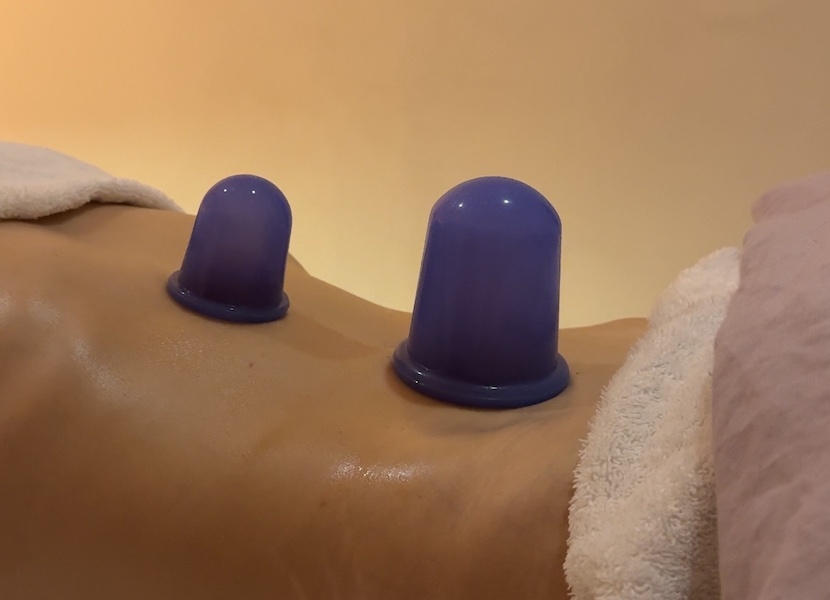
image via @___soften/instagram
words by daisy henry
A beginner’s guide to the lymphatic drainage massage.
I’ve been lucky enough to have had a few massages in my time. Whenever a birthday rolls around, a voucher will usually be high on my wish list. And thankfully my friends and family have come through, year after year.
I’ve sampled the standard 60-minute relaxation massage at different studios, had my knots worked through with a remedial massage and recently, had my first hot stone treatment. So when an offer to try a 90-minute lymphatic drainage massage came through my inbox, it was an instant yes.
For more perspectives on wellness, head on over to our Health section.
The treatment was a collaboration between bodywork-and-healing studio Soften and By Katia, using the brand’s new body oil and dry brush. I had heard of lymphatic drainage before and assumed it would be, more or less, similar to massages I’d already experienced.
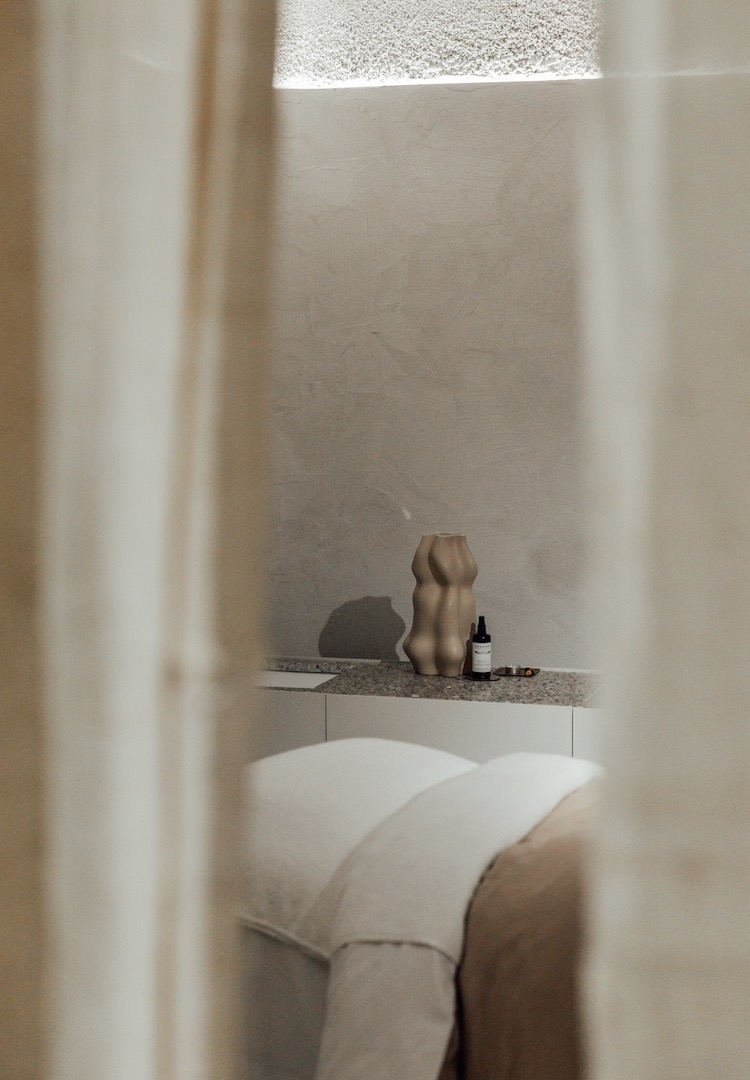
From the moment I arrived, the space felt quiet and calming, with dark lighting and palo santo drifting through the air (a sure sign that this was going to be bliss). My therapist, Regan, took me through what to expect, explaining some of the key differences between a lymphatic drainage massage and a standard treatment.
The first surprise was that I’d be lying on my back for the entire session, rather than face-down and flipping midway. The second was the technique itself – lymphatic pumping and somatic rocking, rather than kneading or deep tissue pressure.
However, walking out of the studio 90 minutes later, I felt the most relaxed and calm I ever have after a massage. Which, in a way, makes sense, because it really was unlike anything I’d ever tried. To better understand what sets lymphatic drainage apart from other treatments, I spoke with Soften founder, Holly Putna.
View this post on Instagram
What exactly is a lymphatic massage?
Essentially, lymphatic massage is a technique that helps aid your body’s natural drainage system. “Your lymphatic system moves fluid from your feet up toward your chest, but unlike your blood, it doesn’t have its own pump like the heart,” Holly explains.
While 90 per cent of blood circulating through the cardiovascular system returns to the heart, the remaining 10 per cent forms lymph, a fluid that leaks through the capillaries and contains protein, waste, cellular debris and bacteria.
Instead, your lymphatic system relies on movement, breathing and gentle pressure to keep it flowing. “When we sit a lot or don’t move much, lymph can pool in certain areas, which can lead to swelling and inflammation,” she says. Lymphatic massage acts as a manual pump, helping flush out excessive fluid and waste, so your body feels lighter and less inflamed.
How is a lymphatic massage different from a regular massage?
Most notably, the pressure of a lymphatic massage is lighter and more rhythmic. Rather than focusing on muscle tissue and breaking up knots, your therapist’s goal is to guide lymph fluid towards the body’s main drainage points, so it can circulate more efficiently. The massage is also performed entirely face-up, however for those in the last trimester of pregnancy, Holly advises that portions of the session are done side-lying for comfort and safety.
The intention is different, too. “Traditional or deep tissue massage is more focused on relieving muscle tension, improving relaxation, flexibility, range of motion and addressing muscular pain or injuries,” Holly explains. Lymphatic drainage, on the other hand, aims to improve lymph flow, reduce swelling and inflammation, supporting overall immune and fluid balance.
What happens during a lymphatic drainage massage
The the Soften with Katia massage begins with lymph pumping, including behind the ears, along the neck and chest, under the armpits and ribs, as well as the stomach, knees and ankles.
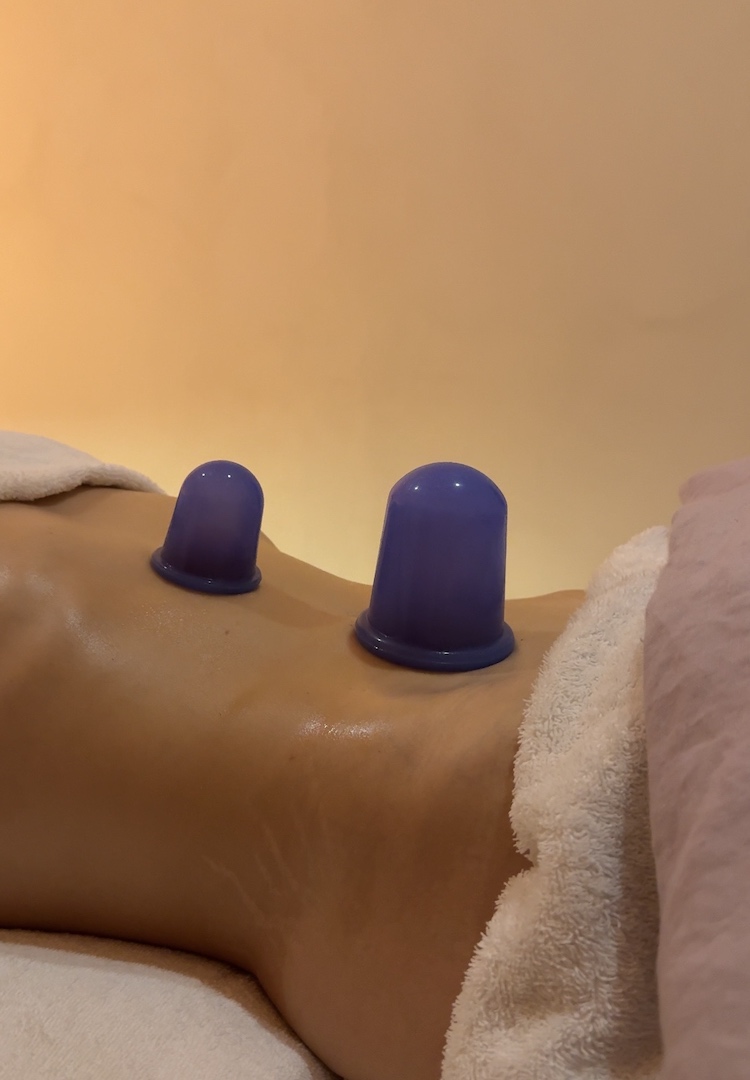
Each leg is treated individually, starting with dry brushing and then followed by a lymphatic massage using By Katia’s cleansing oil, gentle body cupping and a hot towel compress.
The same lymphatic techniques are then repeated on the arms and chest, followed by another hot towel compress. Next, your therapist will use an oil and facial cups to flush lymph through the face, jaw and neck, using deeper tissue techniques here if needed to target jaw tension. The treatment finishes with a head massage and leave-in hair oil.
View this post on Instagram
What are the main benefits of a lymphatic massage?
According to Holly, the benefits of a lymphatic drainage massage are tenfold. Aside from being incredibly relaxing, lymphatic drainage can reduce bloating, fluid retention and swelling throughout the body, helping to ease inflammation and tension. It’s also said to support immune function, improve oxygen flow to tissues and promote healthier, more radiant skin.
Who can get a lymphatic massage?
Lymphatic massage is suitable for most people, including anyone on a fertility journey (including IVF), people experiencing endometriosis, PCOS, and painful periods, and those dealing with general or chronic inflammation.
Holly also notes that lymphatic massage can be helpful for people with chronic sinus issues, those recovering from illness or wanting to support their immune system, and anyone in post-surgery recovery, once cleared by their doctor.
However, it may not be suitable for people experiencing their first trimester of pregnancy, anyone suffering from an active cold or flu, people prone to blood clots, those with heart, liver, or kidney disorders or disease or people currently undergoing cancer treatment, unless you’re in remission or cleared by a doctor.
What should you expect after your first lymphatic massage?
During the session, you can expect slow, fluid movements paired with gentle rhythmic touch and somatic rocking to calm youe nervous system. It was my first experience with cupping on the front of my body and though I felt a slight pinch in more sensitive areas, it passed quickly.
Regan also noted during my treatment that post-session you might notice increased trips to the bathroom or light sweating, which she says are positive signs your body is flushing and detoxing.
View this post on Instagram
How to support your lymphatic system at home
For most people, having a lymphatic drainage massage is an occasional treat, rather than regular maintenance. That said, Holly says there are simple ways to keep your lymph moving at home.
“Always start by pumping your lymph nodes yourself. These areas include behind the ears, neck, chest, under the armpits, diaphragm, stomach, behind the knees and ankles,” she says.
You can follow this up with a gentle stomach massage, lymphatic cupping on your stomach or legs, dry brushing or lying with your legs up against the wall to encourage fluid to return toward the heart.
And then there are the basics – “eat well, stay hydrated, go for regular walks and keep your body moving throughout the day.” Which means if you’re reading this while sitting at your desk or lying on the couch, consider it a sign to take a short movement break and refill your bottle.
For more on lymphatic treatments, try this.
Liked this? You’ll love these...