

How to hit the ground running as a new runner
AS TOLD TO MARYEL SOUSA
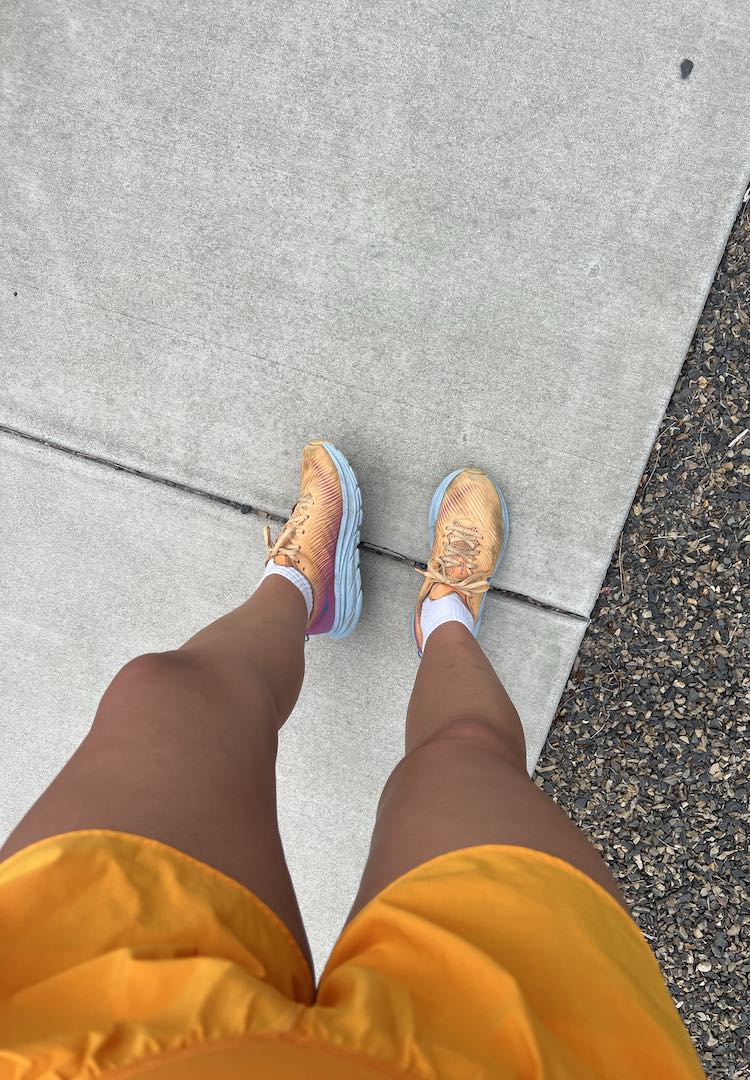
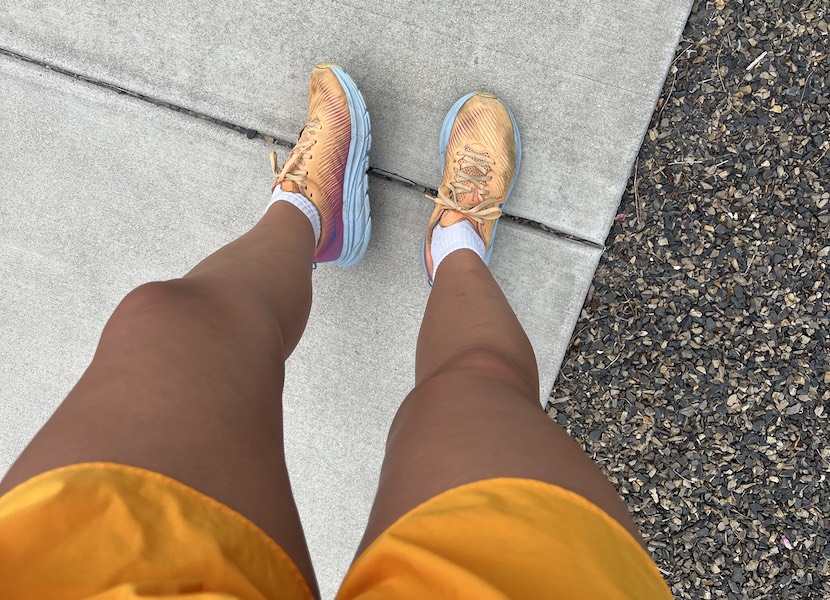
It all starts with the feet.
Is it just me, or does everyone have a friend who decided to run a marathon this year? Run clubs feel like they’ve replaced the actual club, seemingly taking the number one spot for making new friends and searching for romantic prospects.
I’ve tried many times throughout my life to become a runner. In high school, I was bullied off the track team for being too slow. A few years later, I tried running for about three days before deciding that gentle Pilates was much more my speed. Most recently, I committed to a running program only to suffer a knee injury that sent me limping to the physio.
For more health and wellness advice, head on over to our Health section.
As it turns out, my knobbly knees were aching and popping because my feet are flat (feel free to point and laugh). Nothing stunned me more than learning that being a healthy runner is about more than just your cardiovascular fitness. It all starts with your feet.
Podiatrist Maria Nomikos, director of LuxeFeet in South Yarra, understands why so many people fall in love with running. “Running is an excellent form of exercise,” she says. “It releases those amazing, addictive endorphins, creates stress release and helps keep us fit.”
But she also knows that improper foot care can turn a runner’s high into an all-time low. Below, she shares more about how new runners can maintain healthy feet for strong bodies and long runs.
Fashion Journal: Hi Maria! How do our feet connect to our overall health and wellbeing?
Maria: Your feet are the base of your entire body, so when they’re not functioning well, everything above them has to compensate. For runners, issues such as reduced arch support or reduced range of motion at the big toe can disrupt alignment and lead to knee, hip or lower back pain.
What are the top five non-negotiables you’d recommend to someone who’s just getting started as a runner?
First, properly fitted running shoes. Your shoes are your biggest investment. Getting expertly fitted with the right style (matched to your foot type, foot shape and activity) will help minimise your risk of injury.
For neutral feet, go for neutral shoes. Balanced cushioning, no extra control. It’s an easy choice if you don’t roll in or out too much. I’d recommend the Brooks Glycerin 22, Nike Pegasus or Hoka Bondi shoes.
For those with flat or low arches or overpronation (a foot that rolls inward excessively during walking or running), you’ll need stability/support shoes. These help stop that inward roll and can prevent common issues like heel pain and shin splints. Some of my personal favourites are the Asics Gel-Kayano or Brooks Addiction Walker sneakers.
For runners with high arches or supination (a foot that doesn’t roll inward enough during walking or running), I’d say look for well-cushioned neutral shoes. High arches don’t absorb shock well, so extra softness keeps things comfortable.
If runners experience recurring foot or lower leg discomfort, custom orthotics can be a game-changer. They help correct alignment, improve shock absorption and reduce repetitive stress that leads to conditions like plantar heel pain, shin splints and forefoot overload.
Next, high-performance socks with the latest in fibre technology for maximum comfort and protection. These enhance performance by keeping feet cool, dry and fresh and preventing blisters. Cotton socks are a no-go for new runners – try Lightfeet Evolution Technical Socks instead. Technical fibres make a huge difference.
My third non-negotiable is shoe rotation. By rotating between pairs, you can reduce your risk of injury, get more out of your shoes and more bang for your buck. Plus, you’ll avoid nasty bacterial and fungal problems.
As mentioned, you need to do calf and plantar fascia stretches. These are my two essentials: doing a gentle calf stretch against a wall and rolling the sole of your foot on a ball. These help manage tightness, improve shock absorption and prevent early-stage heel pain.
Finally, I’d suggest a proper training program. Don’t overdo it. Make sure you keep track of the distances and times you run and don’t increase your distances by more than 10 per cent per week. Some great apps to get you started are Couch to 5K or Strava.
What are some podiatrist-approved self-care techniques for before, during and after a run?
Everybody’s so keen to get out and go for that run! The reality is that nobody stretches before a run and very few stretch after. However, I can’t emphasise the importance of stretching enough.
Start with a quick warm-up: squats to get those glutes firing, hamstrings and calf stretches and gentle big-toe stretches to wake up the foot’s stabilising muscles. When you’re new to running, it’s good to start walking for two to three minutes before beginning the run. This gives your muscles a chance to warm up and increases the blood flow around your body.
During your run, focus on maintaining a comfortable cadence and relaxed stride to reduce impact through the feet and lower limbs. If you’re a beginner, adopt a run-walk pattern to avoid overload. Pay attention to hotspots in your shoes – heat or rubbing is your cue to adjust lacing or take a short break.
Don’t forget to stretch after your run. We recommend stretching the calf and plantar fascia. They’re so important for heel pain and tight arches.
What are normal ‘growing pains’ for newbie runners vs signals it’s time for a trip to the podiatrist?
New runners often experience a few very normal ‘breaking-in’ changes: mild blisters, arch tightness, achy calves and the occasional blackened toenail from extra pressure in the shoe. Persistent symptoms need attention before they become chronic and actually start affecting your everyday activities.
Problems to look out for might include heel or arch pain, Achilles stiffness, shin splints, big-toe pain or repeated blisters at the same location. This is often a sign of poorly fitting footwear (too narrow, too short, etc.) or footwear that’s not right for your foot type.
Red flags that warrant a podiatry visit include pain, swelling, numbness or tingling, or toenails that become painful, lifted or infected. These can signal conditions like plantar fasciosis, stress reactions, nerve irritation or developing nail trauma.
For more on becoming a long-distance runner, head here.
Liked this? You’ll love these...