


How to deal with a perioral dermatitis flareup
WORDS BY ALYSSA FORATO
“The most common cause seems to be the incorrect use of topical steroids to the area.”
Nothing gets my brain going more than when I’m scrolling through TikTok or Instagram and stumble across some beauty hack or skin condition I’ve never heard of in my life. So when I first learnt about perioral dermatitis, my interest was piqued.
I had absolutely no idea what perioral dermatitis was before stumbling across it online. To be honest, I didn’t even realise there was more than one type of dermatitis.
For more perspectives on wellness, head on over to our Health section.
Eager to learn more about the skin condition, I spoke to the founding dermatologist of Ode Dermatology, Dr Shammi Theesan, to get her insight on perioral dermatitis.
What is perioral dermatitis?
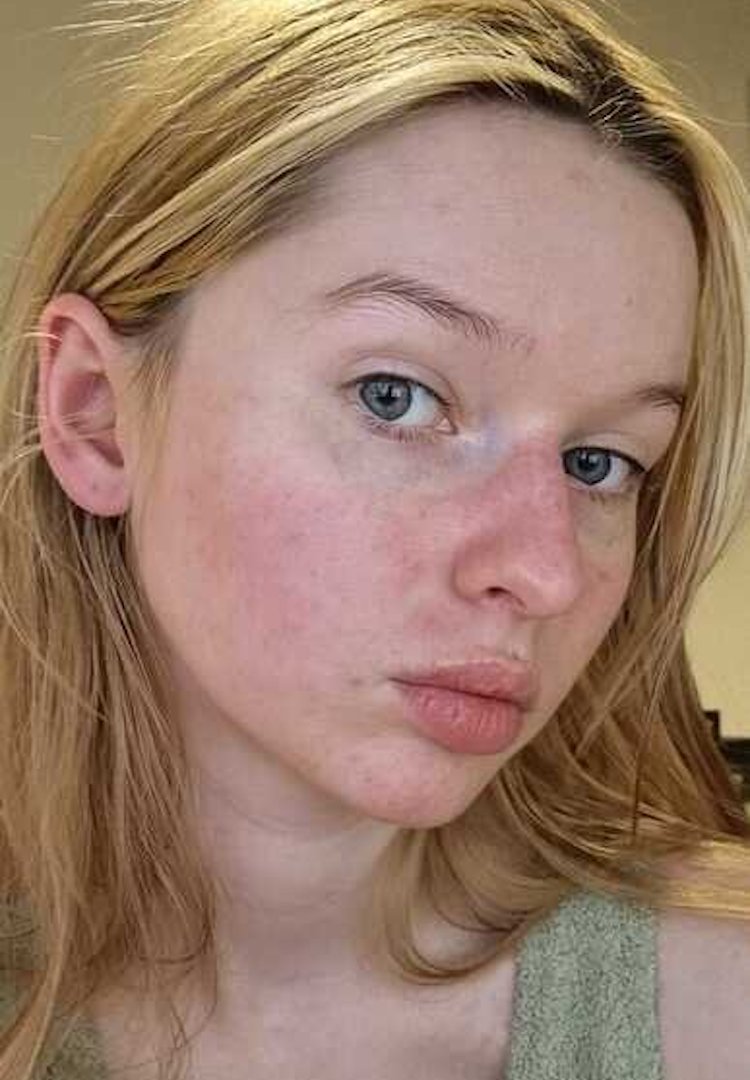
“Perioral dermatitis is a condition where the microbiome of your skin is altered,” Dr Sammi explains. “There is an impaired skin barrier, which results in areas of bumps, lumps [and] red itchy areas; the skin feels tight, and it can sometimes be sore or pus-y.”
Perioral dermatitis most commonly occurs around the mouth and nose, but can sometimes extend up to the sides of the eyes (ouch).
How does someone get perioral dermatitis?
Well, remember how Dr Sammi said it occurs when the skin’s microbiome has changed? This is what causes the skin condition, and it’s often because people use the wrong skincare.
Are you using too many topical products? Are you using too many active ingredients, like vitamin A or vitamin C? Are you slugging when it’s not suited for your skin type? Is your foundation too heavy? These are all questions you need to ask yourself if you’re suffering from perioral dermatitis, Dr Sammi says.
“The [most common] cause seems to be the incorrect use of topical steroids to the area. This can be prescription topical steroids that can be given thinking that the rash is eczema based [or] it can be due to taking nasal inhalers that are steroid based,” she explains. “You can also get this when you’re run down [or] when your hormonal changes affect you, such as, you know, postpartum or perimenopause, post-menopause.”
Who is most likely to suffer from perioral dermatitis?
According to Dr Sammi, it’s most common among young women aged between 20 to 45 years old – especially those with a lighter skin tone. It isn’t very commonly diagnosed in men, but children can also suffer from perioral dermatitis, usually when they’re between seven months and 13 years old.
Perioral dermatitis is best diagnosed by your dermatologist or GP. Symptoms of the skin condition include skin tightness, scaling, redness and an inability for your skin to sit well underneath makeup or even just moisturiser.
“Sometimes you can get pimple-like bumps, but you don’t have any whiteheads or blackheads,” Dr Sammi says. “You can have little fissures or cuts in the corner of your nostrils or the sides of your mouth called the oral commissure, and your skin just feels bumpy [and] dry and you’ve got these satellite lesions of red bumps and spots.”
Is perioral dermatitis a lifelong skin condition?
“It doesn’t have to be,” Dr Sammi tells me. “It’s the skill and determination of the patient, together with their dermatologist, to build that skin microbiome back.” Itchy, red and irritated skin really isn’t a vibe, so it’s reassuring to hear that people won’t necessarily suffer from it permanently.
How can people treat perioral dermatitis?
Getting rid of perioral dermatitis isn’t a quick and easy fix that can be achieved overnight. There are numerous lifestyle changes and treatment options involved, which all take time.
Dr Sammi explains that to rebuild your skin’s barrier, you need to remove all the offending agents, whether topical or nasally inhaled steroids or even heavy makeup. She says it’s also important to improve your gut health and reduce your stress levels.
“I would incorporate a gentle vitamin B or niacinamide-based moisturiser that’s not too heavy,” she says. “Definitely only wash your face once a day with a gentle…ceramide-rich cleanser.
“I’d be sleeping well. And I would reduce things like dairy, gluten, processed foods [and] really looking at optimising your gut microbiome. Certainly, see a dermatologist – we’ve got oral options and topical options that we can put you on.”
This story was originally published on June 15, 2023.
For more on perioral dermatitis, head here.
Liked this? You’ll love these...