


What does it actually take to become a Pilates teacher?
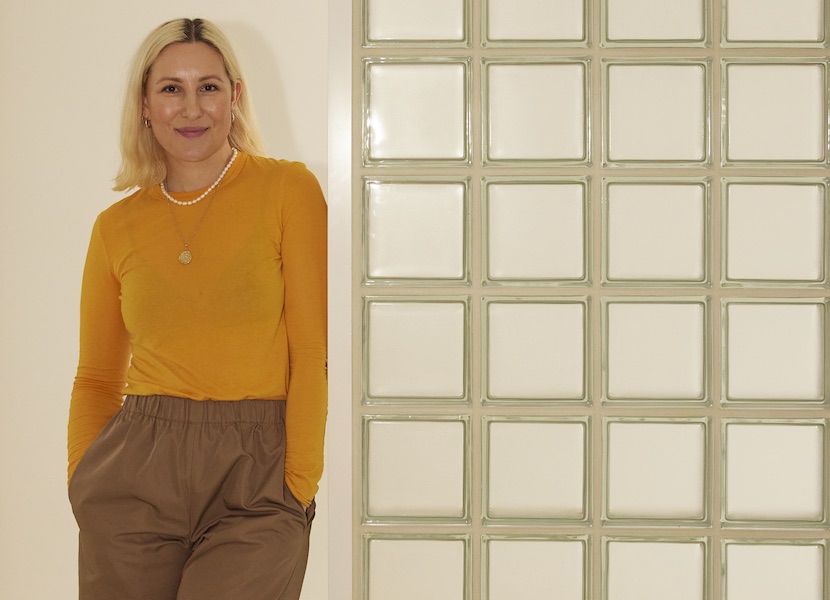
image via @goodtimespilates/instagram
words by daisy henry
“When opportunities come up, studios often think of the people who are already contributing to the culture.”
I’ve been a Pilates attendee for the greater part of 10 years. The appeal is hard to put into words – it’s about fitness, sure. But it’s also about the environment. As someone who’s never quite felt at home in a gym, it’s a relatively calm setting that’s all about conscious, guided and intentional movement.
People can get pretty cult-y about their devotion to this specific form of exercise, and I get it. Whether you’re a regular at the same studio, or known to sample every introductory trial in your vicinity, there’s an addictive sense of community. It’s partly what drew Sienna Doolan, the Head of Pilates Eduction and an instructor at Upstate Studios, to the practice.
Looking for a new 9 to 5? Head to our Careers page for new listings daily.
For Cat Webb, an instructor and owner of Good Times Pilates, it changed her entire understanding of exercise. “I was the person who wagged PE in high school,” she says. “Structured exercise never felt like me. I’d much rather be on a dance floor until 2am than out for a run.”
When she attended her first reformer class at 27, something clicked. A year after that class, Cat enrolled in her Certificate in Fitness and Pilates and started teaching. Now, she has studios in Fitzroy, Northcote and Brunswick.
For both Sienna and Cat, the appeal of teaching is less about transforming their clients’ bodies, and more about watching people change their relationship with movement. Though a love for Pilates may simply begin and end with a weekly class, it might also light the fire for something more. If you’ve ever been curious to join the teaching side, here’s what it actually takes to become a Pilates instructor.
View this post on Instagram
Do you need to be at an expert level in your own practice to become a Pilates teacher?
Both Cat and Sienna are quick to myth-bust this one. Though having your own practice can help, they’re both adamant that you don’t need to be the most advanced person in the room to teach it well.
“Being a great teacher isn’t about how well you perform the exercises, it’s about how well you connect with the people in front of you,” Cat explains. “Teaching motor skills requires a completely different skill set than physically executing those skills.”
Sienna echoes this sentiment, adding that the training can almost work in reverse, helping you improve your own skills because you develop a greater understanding of your body. “Some of the best coaches in professional sport can’t perform the skills they coach. Their expertise lies in seeing, communicating and guiding. Pilates is no different.”
What qualifications do you need to become a Pilates teacher?
In Australia, you need to complete an accredited training program but there isn’t a single governing body, which means there are multiple pathways. Some courses are offered via industry bodies, like Pilates Association Australia, while others can be completely directly with studios.
At Upstate, the teacher training follows a blended learning model. “The theoretical components, including anatomy and biomechanics, are delivered online so you can work through them at your own pace,” Sienna explains. From there, you will complete an in-person component, focusing on movement, class planning, cueing, spring selection and teaching in a group environment. This will include reaching a designated amount of observations hours, so you can build confidence before leading your own class.
Costs for enrolment can vary. For example, Upstate’s individual Mat Pilates Certification or Reformer Pilates Certification are both priced at $2,500, while the combined course costs $4,500. Timeframes can also vary, but according to Sienna, you can be fully qualified in just a few months, provided you’ve satisfied all requirements.
Though it might feel overwhelming to weigh up the different ways to do it, Cat’s suggestion is to start by thinking about the studios, teachers and even the apparatus you gravitate towards most. “Your training can evolve from there. Teaching Pilates involves ongoing learning,” she says. “There are endless opportunities for continued education, from short workshops to weekend intensives and industry events.”
View this post on Instagram
So, what should you consider before signing up?
Before committing to a course, ask yourself where and what you see yourself teaching. “Group mat or reformer, small group boutique spaces, clinical settings and the apparatus a studio uses all influence the training that makes the most sense,” Cat explains.
“Some people begin with mat and build from there, adding reformer and other apparatus over time. That staggered approach is very common.” With that in mind, she says most studios typically look for instructors with a solid qualification, including both reformer and mat.
When you start searching for a course, her suggestion is to research providers and go directly to your favourite studio. “Ask where their teachers trained and what they value in a training organisation. Building relationships and understanding different teaching styles will give you a clearer picture before committing to a course,” she adds.
How easy is it to get a job in a studio?
When it comes to finding a job as a Pilates teacher, it’s similar to most other industries. Relationships matter, and it’s important to put yourself out there. “Introducing yourself to studio owners and managers can make a big difference,” Sienna suggests. “Attend classes, engage with the community and network intentionally.”
If that feels intimidating, Cat explains that studios aren’t necessarily chasing the most experienced person in the room. “Studios are often looking for great people, not fully polished teachers,” she tells me. “Technical skills can be developed. Curiosity, care for people and willingness to learn are much harder to teach. Soft skills are often more valuable to a studio’s community.” For aspiring teachers, that’s a reminder that personality and presence can carry just as much weight.
In practice, this might mean showing up in person. Spend time in spaces you respect and enjoy being in, take classes with different teachers, and introduce yourself to people in the community. “When opportunities come up, studios often think of the people who are already contributing to the culture.”
Before you step into the studio
Sienna’s suggestion is simple: practise, and then practise some more. “Teaching is a skill, and like any skill, it develops through repetition.”
Cat builds on this, channelling her years of experience into a few key reminders. “I give you permission to be your authentic and wonderful self in every class and movement experience you facilitate,” she says. “Always introduce yourself to the teachers and create as many connections within the industry as you can.”
Alongside that, she suggests reading Caged Lion by John Howard Steel (a book Joseph Pilates, the very man who created the practice), and reminds aspiring instructors that there’s no strict uniform required. You don’t have to wear lycra or leggings to teach, or attend, a Pilates class.
For more about becoming a qualified Pilates instructor, try this.
Liked this? You’ll love these...