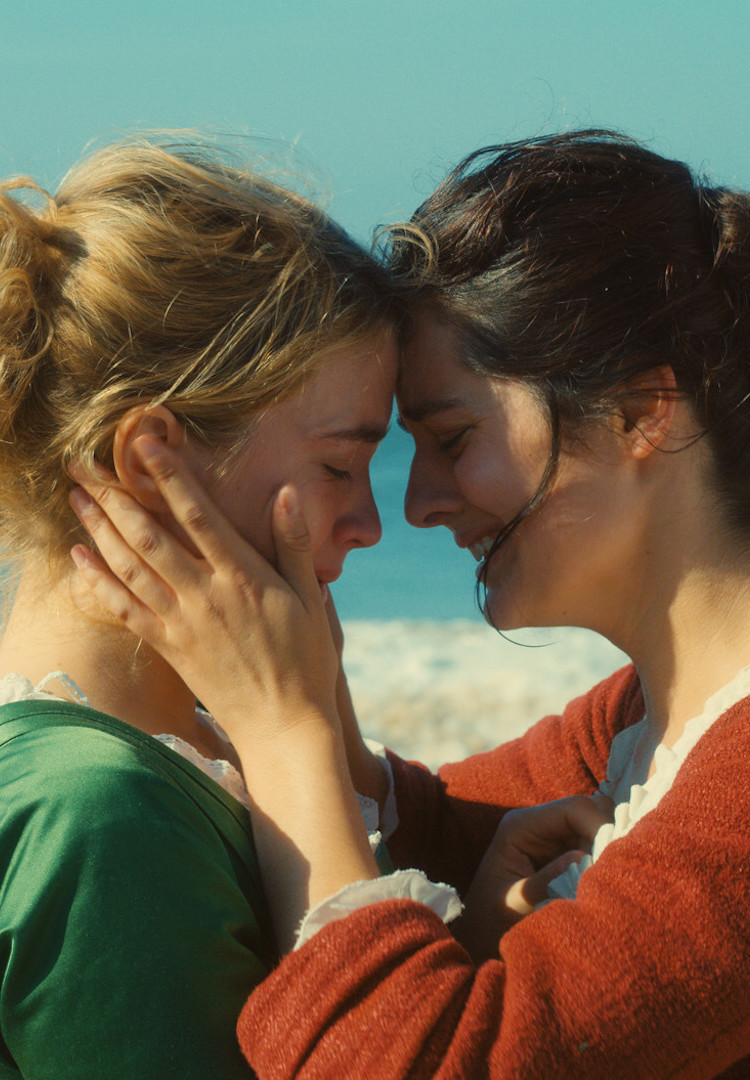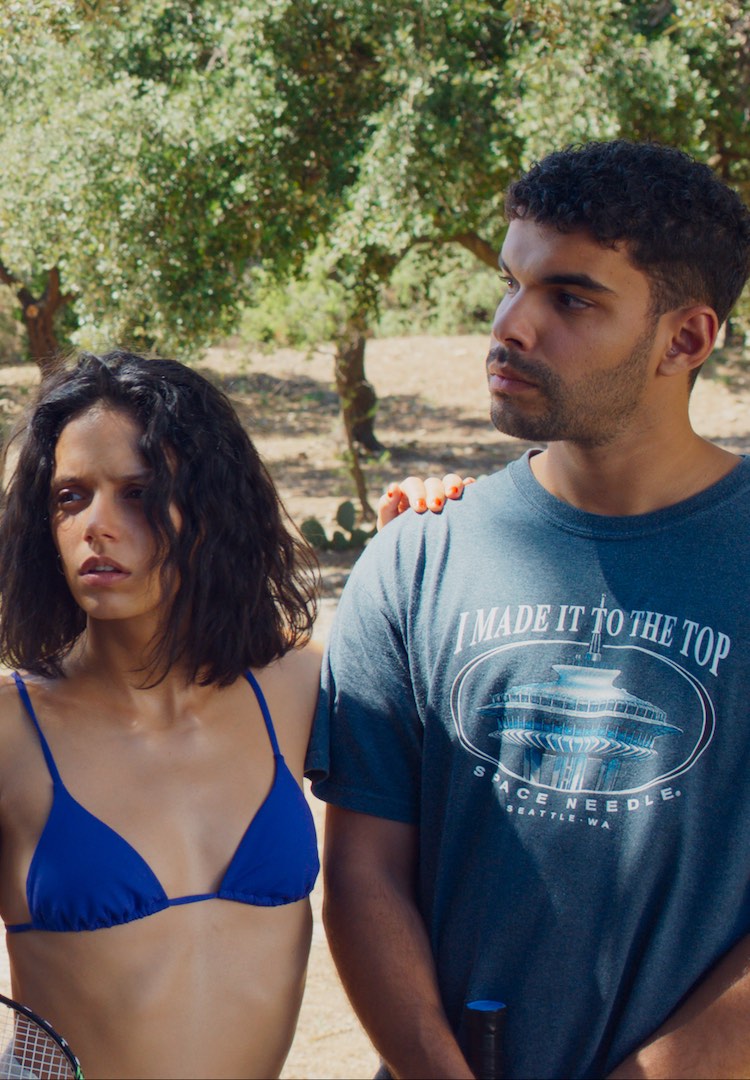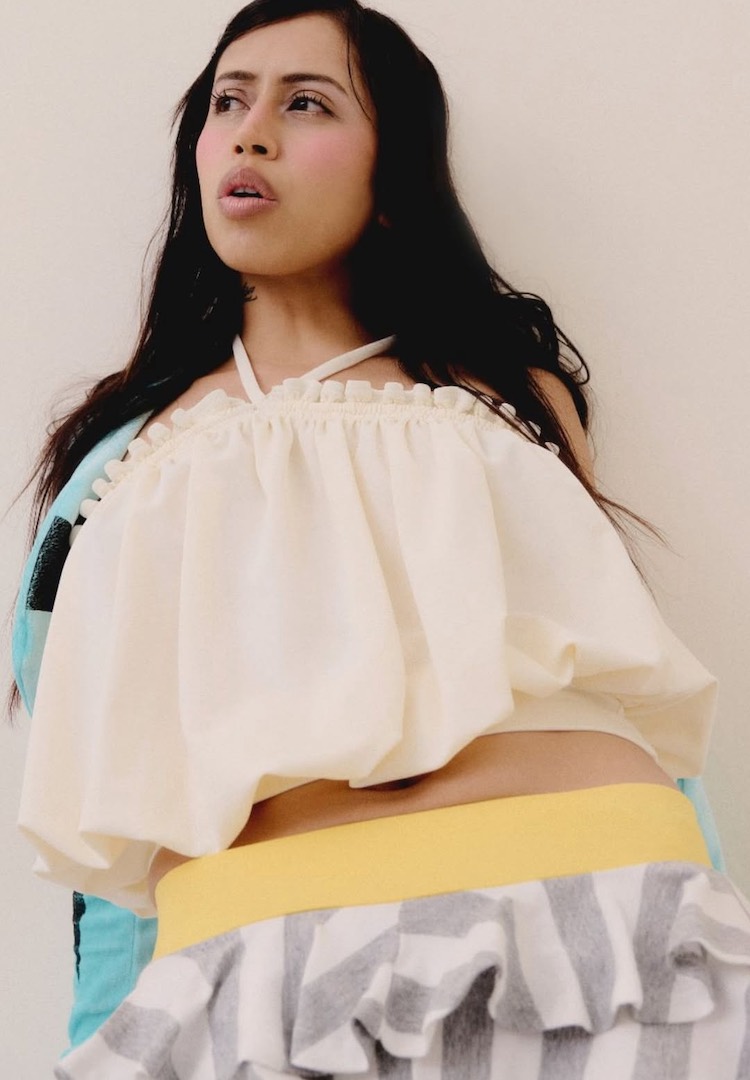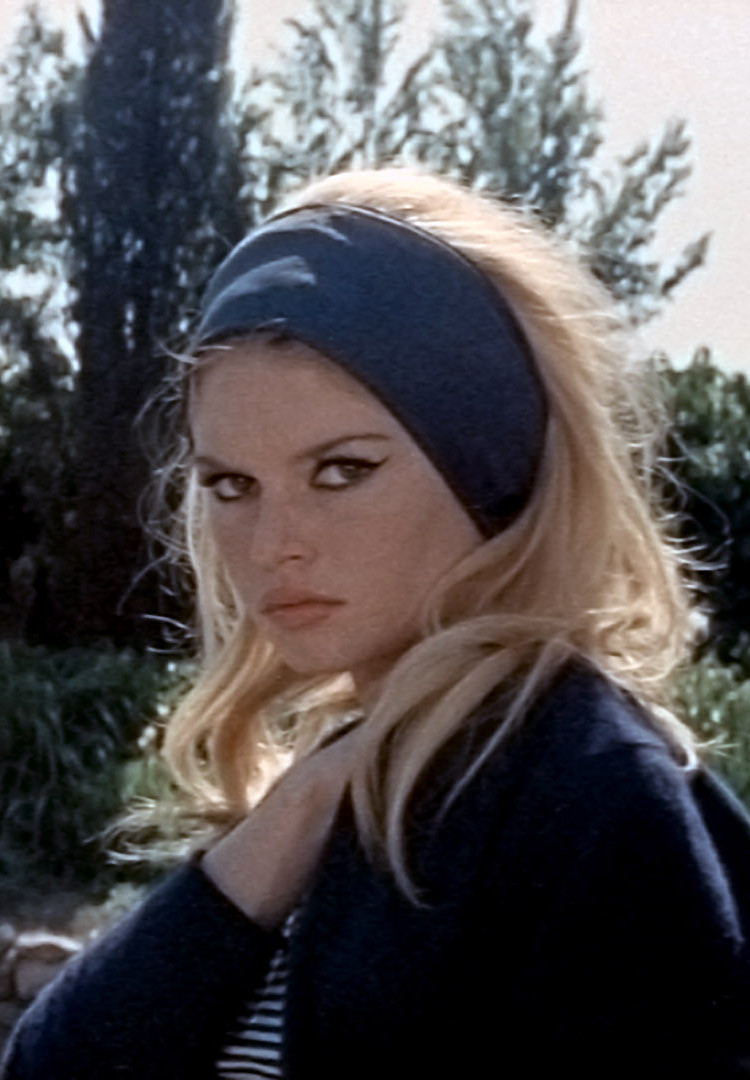


The five films that shaped Australian director Madeleine Gottlieb
From Lynch and Hitchcock to Monty Python.
Madeleine Gottlieb remembers the first time she felt intensely moved by a film. It was while watching Disney’s The Lion King on VHS, Hans Zimmer’s instrumental score reaching a crescendo as (spoiler alert) Mufasa falls to his death.
“I didn’t know that it was possible to feel feelings through anthropomorphic creatures,” the award-winning Sydney-based director explains to me over video, halfway through a round of edits for an upcoming project. Like so many others, Madeleine developed a love for movies in drama school before quickly realising she was “much, much better” behind the camera.
Interested to hear how others navigate the world? Head to our Life section.
“I’m interested in the spaces people create around themselves and what happens when those spaces start to fracture,” she explains. “I love characters who are trying very hard to hold it together, even if what’s underneath is chaos, longing, or something they can’t quite name. I like films where people are trying very hard to behave properly and then something feral slips out.”
It’s something Madeleine tries to capture in her own work – like her short films Laura, Snare and You and Me, Before and After. Splitting her time between producer, director and screenwriter, she’s worked across everything from deeply personal projects to the latest season of the Australian anthology drama, The Twelve: Cape Rock Killer.
View this post on Instagram
Madeleine’s taste is expansive, too. A fan of characters that are admittedly “a little unhinged”, she turns to platforms like MUBI to find a curation of cult classics and original films. “Actors are the most amazing, ephemeral, magical creatures and as a director, you have a front-row seat to every performance… I feel more alive on a film set than anywhere else.”
The movies that’ve shaped her the most range from wildly funny to disturbing, but they all share a common thread: a deep interest in performance – not only on stage or screen, but in how we act out identity, family roles, desire, and even the idea of being ‘normal’, and the personal price that comes with it. From Hitchcock to Monty Python, this is the collection of films that made Madeleine the director she is today.
The Birdcage (1996)
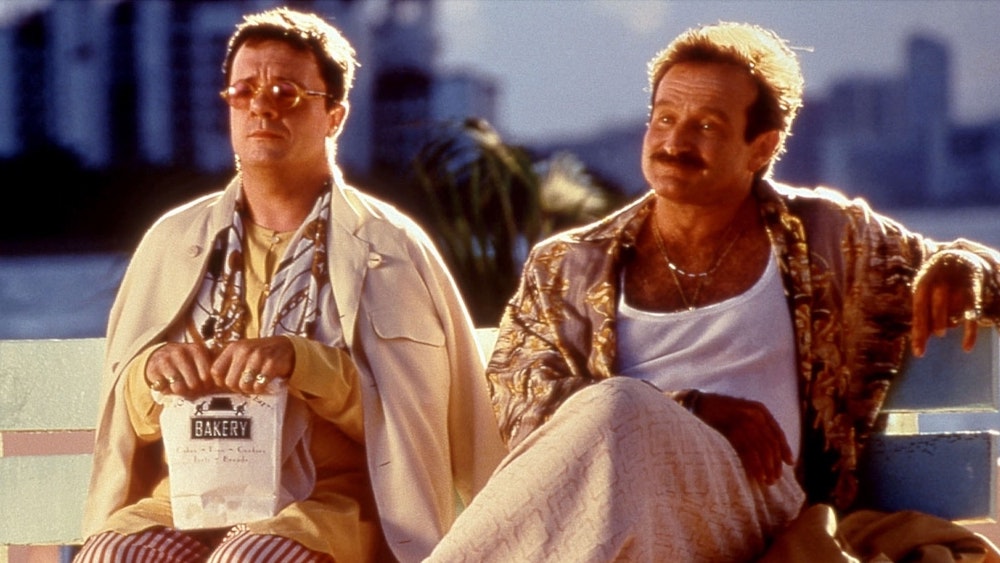
Starring Robin Williams and Nathan Lane, Mike Nichols’ cult-classic comedy is the movie Madeleine watches when she needs to remember “what cinema is actually for.” It tells the story of a gay couple, a cabaret owner and his drag queen partner, who pretend to be heterosexual when his son’s future family-in law pay a visit.
“It’s a farce about two people who love each other trying to survive a dinner party – which, when you think about it, is basically the plot of every prestige drama ever made, just with better costumes,” she explains.
“What kills me is how generous and beautiful it is. It understands that camp isn’t the opposite of sincerity; it’s sincerity with the volume up. It reminds us that visibility is political. It’s Robin Williams. It’s Nathan Lane. It’s Hank Azaria in denim cut-offs.”
Rear Window (1954)
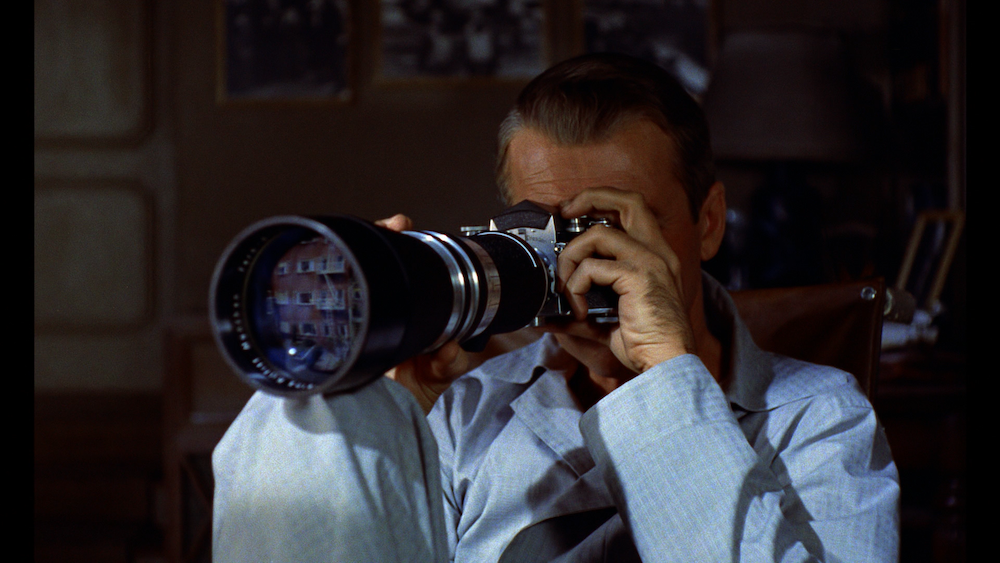
“Rear Window is about a man who’s bored and nosy and absolutely certain he’s right – which is to say, it’s a film about most directors,” Madeliene says. Confined to his New York apartment after breaking his leg, photographer J.B. Jeffries begins spying into his neighbours’ apartment and becomes convinced he’s witnessed a murder.
“Hitchcock builds an entire thriller from one apartment window. It’s cinema about cinema and spectatorship itself. It’s a masterclass in constraint and a damning portrait of a man who’d rather solve a murder than have a conversation with the intelligent, beautiful woman sitting next to him.”
Lost Highway (1997)
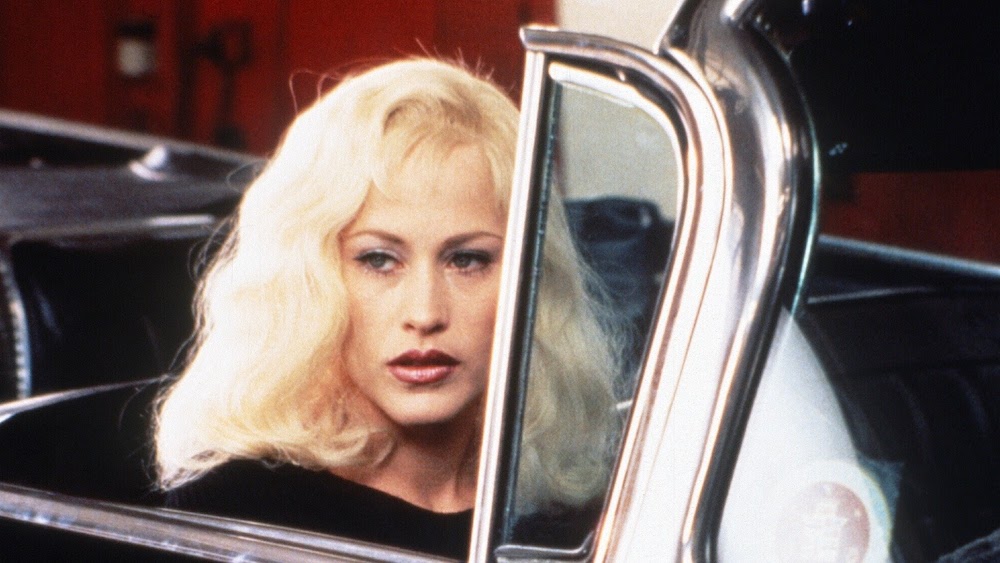
A classically confusing, surreal Lynchian thriller, Lost Highway tells the story of a jazz musician who, after suspecting his wife of an affair, gets framed for her murder. “Lost Highway is Lynch at his most hostile to the audience; identity collapses, timelines eat themselves, Bill Pullman may or may not be two different people, and the film has absolutely no interest in helping you sort it out,” Madeleine says.
“I find it thrilling. Most films are desperate to be understood; this one would rather be felt. It taught me that atmosphere isn’t decoration, it’s meaning. And that sometimes the most honest thing a story can do is refuse to make sense.”
Raw (2016)
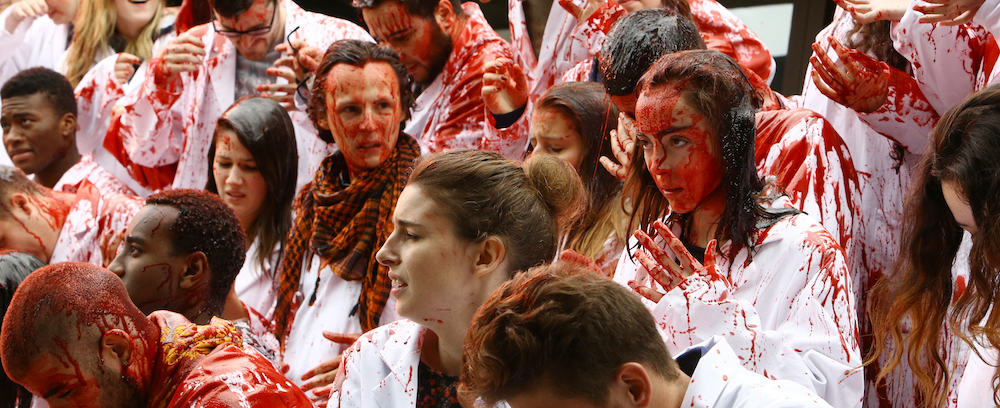
“Raw is a coming-of-age film where the coming-of-age is cannibalism,” Madeleine tells me. Starring Garance Marillier, Raw tells the story of 16-year-old Justine, a strict vegetarian and veterinary student who develops a taste for human flesh.
“Julia Ducournau understood something essential: that becoming yourself is not a gentle process. It’s hunger and mess and the horrifying realisation that your appetites don’t care about your manners. It’s visceral and tender at the same time, a combination I’m always chasing in my own work. It’s a modern horror masterpiece.”
Life of Brian (1979)
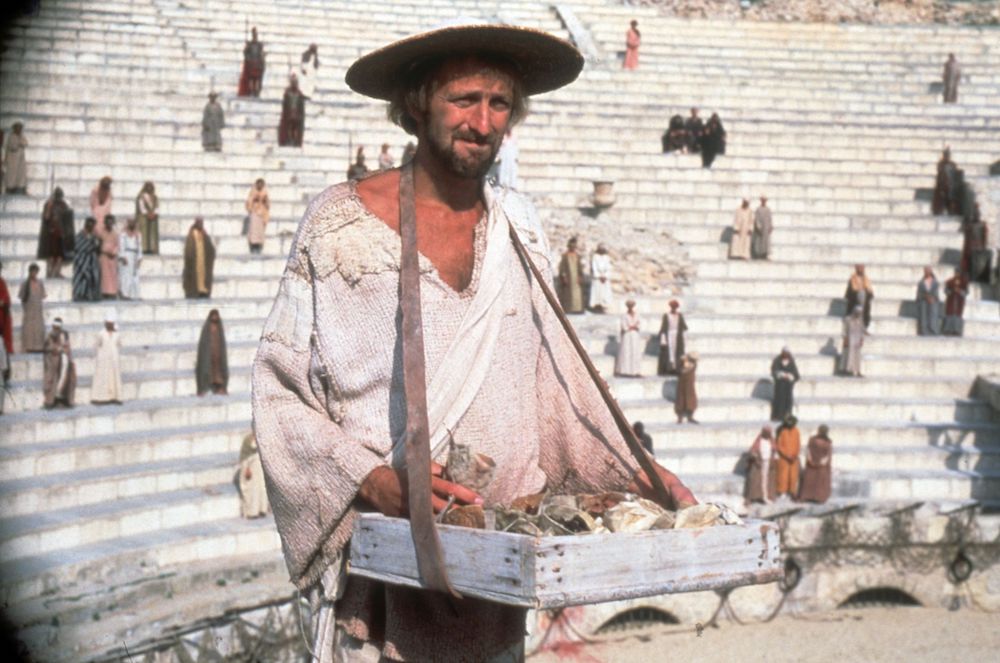
Monty Python’s beloved Life of Brian stars Graham Chapman as Brian, a young Jewish man mistaken for the Messiah. “Life of Brian is proof that the highest form of intelligence is the ability to be very, very silly about serious things,” Madeliene says. “It takes organised religion, political tribalism, and the human compulsion to follow anyone who speaks with enough confidence, and dismantles all of it in ninety minutes. What’s sneaky about it is how structurally precise the comedy is. Every joke is also an argument. It’s one of the smartest films ever made and also the funniest.”
To browse more cult classic and original films, head here.
Liked this? You’ll love these...