

Inside Kiki House of Furia’s ‘Fantasy Ball’, a night of underground ballroom excellence
PHOTOGRAPHY BY alexisdleaphotography and Jacob Gamble
words by harry reid
A window into Naarm’s ballroom scene.
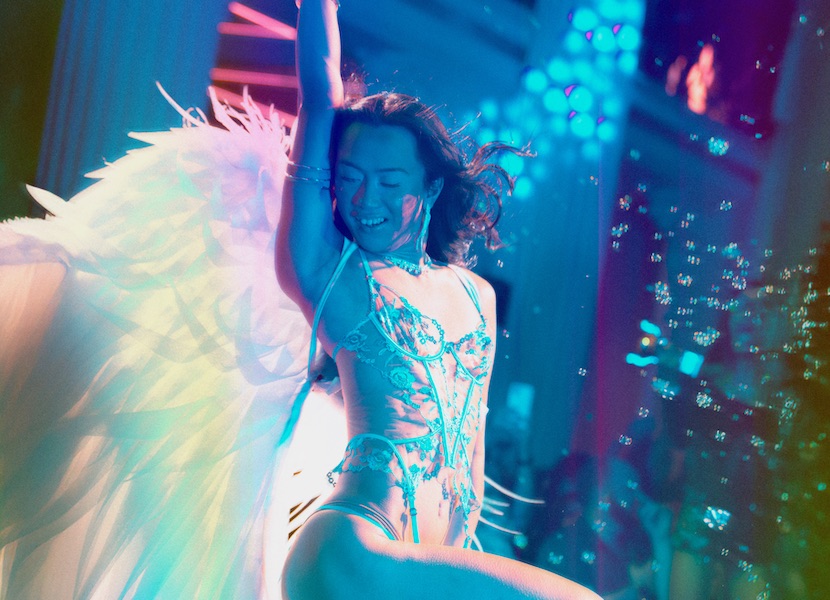
On Saturday, the State Library of Victoria was transformed into a stage for POC and queer excellence for House of Furia’s ‘Fantasy Ball’, presented by Midsumma Festival.
From the moment I saw the promotional video, with Founding Mother Angel Furia adorned in local designer Jarrod Reid’s signature red tartan, surrounded by her four femme queen daughters, I felt chills run down my gay little spine. And that’s not to mention when Fantasia Furia’s voice declared, “to make it in this world, you must live your fantasy”. Safe to say, it set the perfect tone for the ball.
For more content like this, tap through to our Life section.
House of Furia was first established in Naarm in 2024 and has since made a name for itself as one of the hottest houses on the scene. While they’ve hosted several functions, the Fantasy Ball was undoubtedly their most grand, with Angel Furia describing it as an ode to both old-school ballroom and Naarm’s underground queer culture.
I attended the event as a double agent, walking the ball as ‘Cavalli IMAN’ and getting the Fashion Journal scoop on the floor.
What exactly is ballroom culture?
If your first thought when reading ‘ballroom culture’ is the partner-based dancing of yesteryear, you may be in for a surprise.
‘Ballroom culture’, as many now know and love it, was popularised in Harlem in the ’60s and ’70s by Black and Latinx queer people, particularly trans women. At its core, it was created not only as a safe space for marginalised communities, but a celebratory one, where people could come together and compete in ‘balls’.
Each ball is made up of various ‘categories’, which were initially designed to reclaim the very standards and expectations that participants were held to by society. This ranges from ‘Face’ (one’s ability to sell the natural beauty of their face) to ‘Realness’ (the performance of normative expectations of gender and sexuality).
The cornerstone category is referred to as ‘Performance’, encapsulating the different forms of voguing, whether it be old way, new way or vogue femme. Broadly speaking, voguing is a stylised dance inspired by model poses seen in the pages of Vogue.
Walkers ‘get [their] 10s’, which is achieved when all of the judges are satisfied that they’ve demonstrated the elements of the given category – or they get ‘chopped’. If walkers get their 10s, they compete in ‘battles’ until a final winner emerges.
The community is also made up of ‘houses’, which are chosen family networks led by house mothers and fathers. They can adopt their children for various reasons, whether it be because their biological family don’t accept them, or simply because they’re a good fit for the house.
I remember meeting my femme queen mother, Overall Australian Mother Leah IMAN, shortly after I joined the scene and it wasn’t long before she asked me to be her child. Since then, she has nurtured, humbled, loved and supported me in a way that only a parent could do.
It’s worth noting that ballroom culture in Australia and Aotearoa has a very distinct character from places like New York. “What makes Oceania so special is that it is rooted in the cultural practices of First Nations, Pasifika and Southeast Asian trans women,” explains Mahia Furia, the First Lady of the House of Furia. “All of these cultures felt a strong connection and tie to ballroom that resembled ways that their cultures celebrated queerness pre-colonisation”.
For instance, many indigenous cultures have pre-colonial understandings of gender that exist outside Western society, encapsulated in the acronym ‘MVPFAFF+’ (Māhū, Vakasalewalewa, Palopa, Fa’afafine, Akava’ine, Fakafifine, and Fakaleiti), which was created to provide a culturally specific alternative to Western LGBTQIA+ identities.
The Fantasy Ball
As the name suggests, the night was full of otherworldly spectacles, with looks drawing inspiration from fairytales, mythologies and legends, all set against the dramatic backdrop of the State Library.
The night started with the House of Furia’s grand march, a beautiful showcase of the house members and some of their strongest categories. The rest of the night was divided into eight categories, each calling for a specific ‘effect’, whether it be an outfit, accessory or prop, intended to elevate the performance.
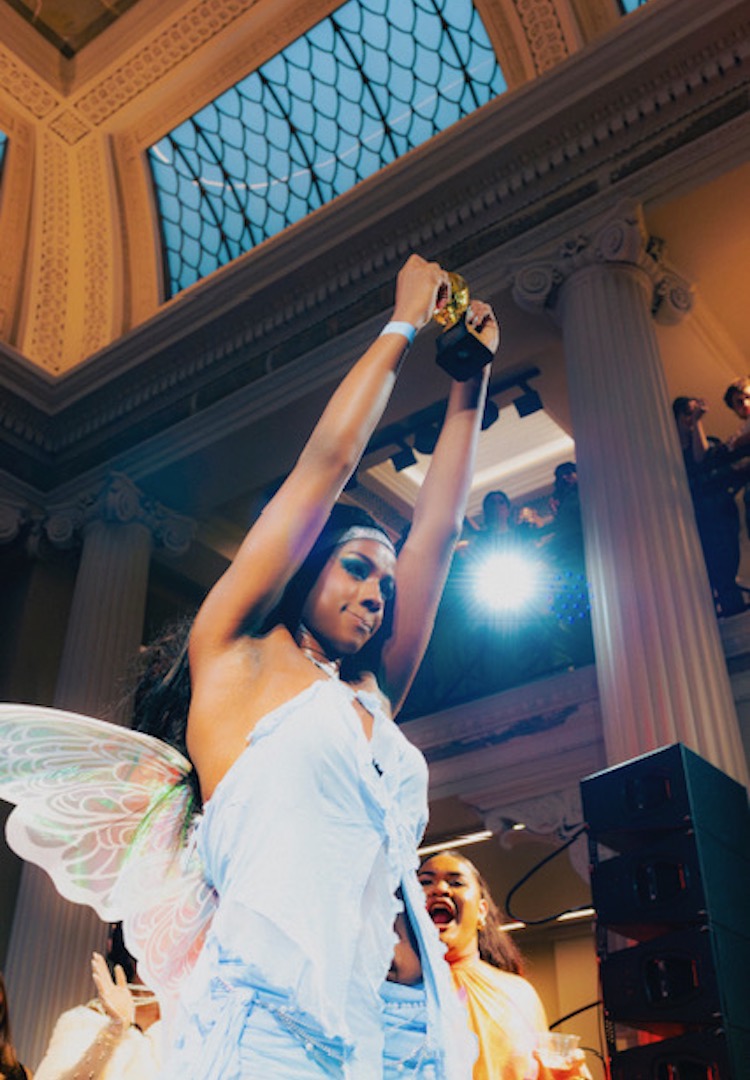
While I’d be lying if I said that my highlight wasn’t my own effect (more on that later), another standout moment was watching my sibling, Solana IMAN, win ‘Beginners Performance’ while dripped out in a baby blue Y2K fairy effect, wings and all.
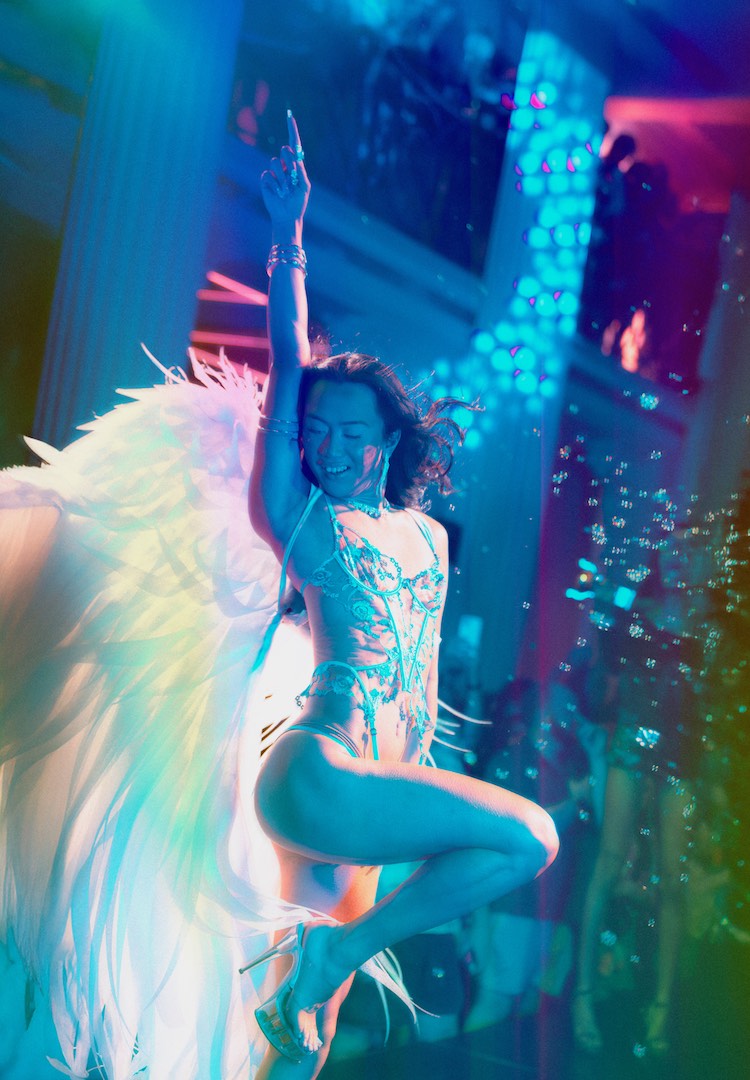
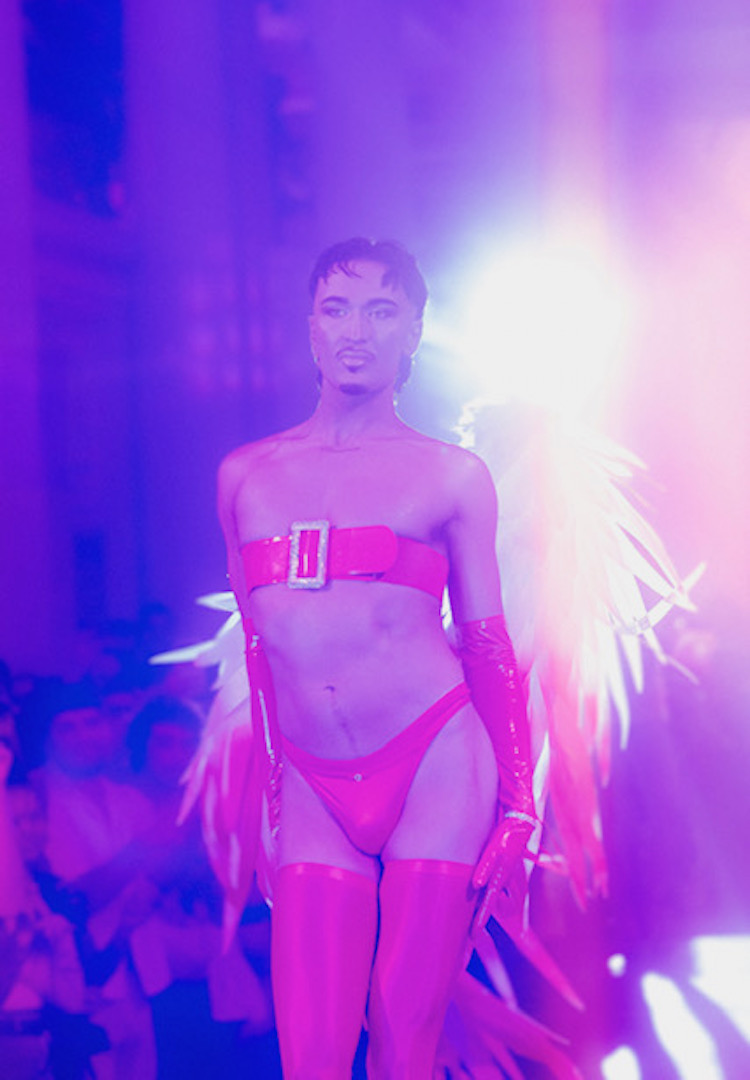
As a stereotypical gay boy who grew up watching America’s Next Top Model, I also loved the ‘European Runway’. The category called for a Victoria’s Secret-inspired effect, and the top of the runway was equipped with a fan to replicate the windswept look of the likes of Gisele Bundchen and Heidi Klum. This time, the top angel was crowned Gia Diesel.
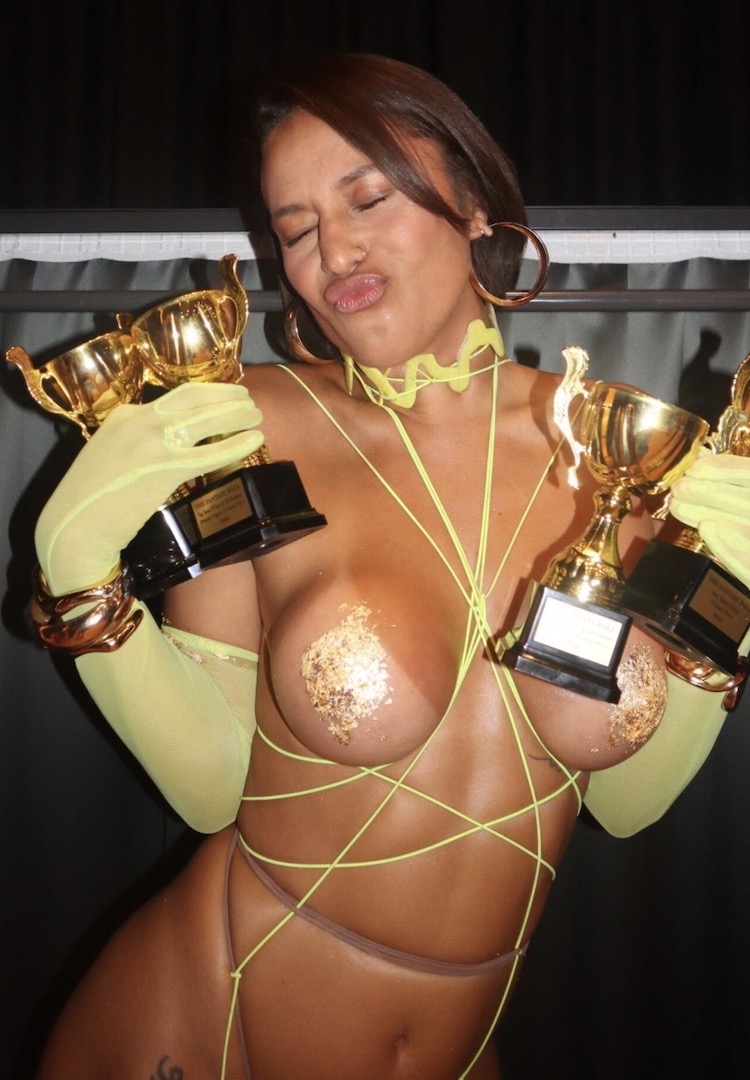
It would also be remiss not to mention Leah IMAN, who decided to walk ‘Sex Siren’ at the last minute and took out the $1000 grand prize in a Dubai chocolate-inspired effect.
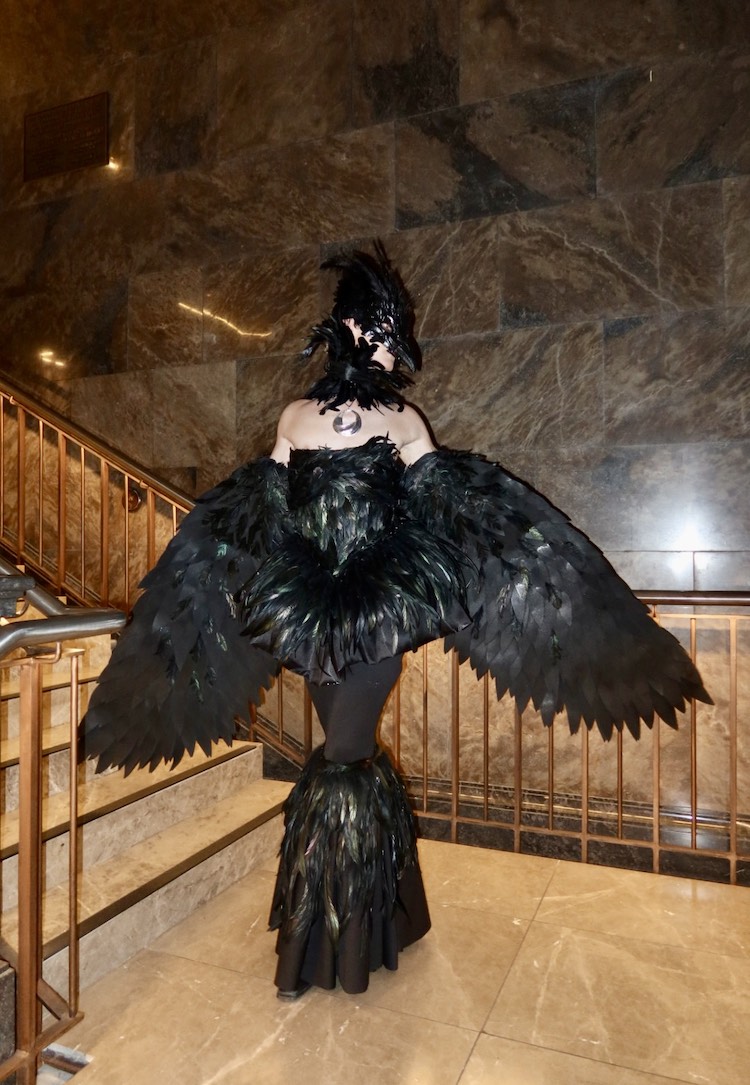
The Fantasy Ball marked my debut in the House of IMAN, where I walked ‘Bizarre x Best Dressed’, a hybrid category where wearable art meets Fashion Week. The category called for an effect based on a deity from one’s ancestry, so I drew on my Irish roots and created an Alexander McQueen-inspired look based on ‘The Morrigan’, the Celtic goddess of fate, death and war, who is often depicted as a shapeshifting raven. I got my 10s and then soared my way to the final battle.
As I was walking, I was also able to experience the green room, an environment infectious with anticipation, excitement and a hint of rivalry. That said, while everyone was there to compete against one another, there was still a strong sense of community in the air, with houses getting ready next to each other, cheering one another on (sometimes) and coming together for a shared love of the art form. It was a reminder that there is no ballroom without community.
Finally, for anyone curious about joining ballroom, Mahia Furia first recommends doing your research and digging into your ‘why’.
“Ask yourself what ballroom can do for you, compare that to what ballroom has done for others, and allow that to navigate where you are and what your place is,” she says.
Stay up to date on upcoming House of Furia events here.
Liked this? You’ll love these...