



How I fell for the finance bro trope and what I learnt

words by lily beamish
“He checked his emails while I was breaking up with him.”
You’ve probably heard the sound bite: I’m looking for a man in finance. Trust fund. 6ft 5″. Blue eyes. Finance.
I had. It was all over my Instagram – girls posting odes to their finance boyfriends: clean-cut, suited up, taking them out for nice dinners. This was not a language I was fluent in. My relationship lexicon consisted of hand-rolled cigarettes, singularly pierced ears and the recurring question: “can we split the bill?”
For more content like this, tap through to our Life section.
I’d never thought of myself as someone who would date a ‘finance bro’. Call it judgmental, overly categorical or self-important, but I assumed dating one would amount to a kind of spiritual capitulation.
But lethargy is a bitch and at some point in my mid-twenties, I grew tired of the DJ-artist-chef-creative-director archetype I kept returning to. It felt like time for a sea change. Enter: the finance bro.
At first, when I saw ‘M&A’ listed on his Hinge profile, I assumed it stood for Master of Arts. I was wrong, it was Mergers and Acquisitions. He fit the finance bro trope to a tee: 6ft 5″, sparkly blue eyes and a big-boy job that eclipsed my annual income tenfold. It was like nothing I’d ever experienced before.
“Gimlet. 8.30pm. Wednesday,” he texted me, organising our first date. Yes, sir.
This style of dating was a complete gear change, a total reset from what I was used to. There was no decision-making, no guessing. I could take my hands off the proverbial wheel. And, unexpectedly, in the beginning, it felt more equal than a lot of my other relationships. He made plans, paid for dinner, talked openly about marriage, children and the future. He spoke about building a life together, moving in, being in a partnership, and I felt excited to be with a man who leaned in rather than shied away from romantic connection.
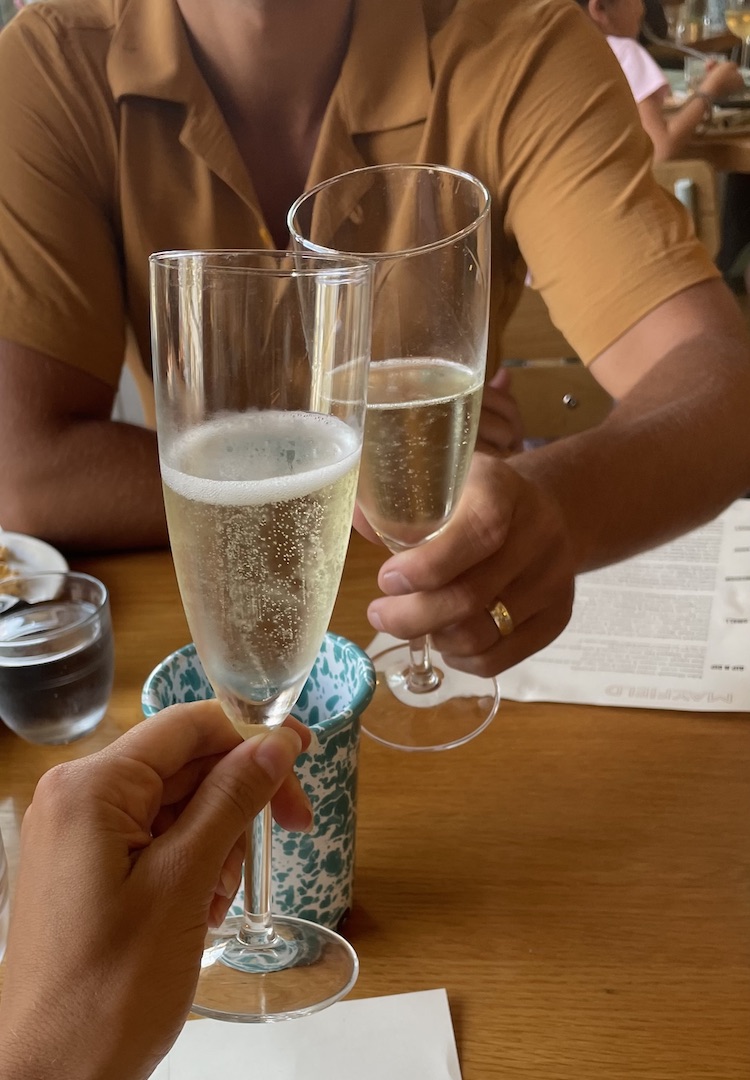
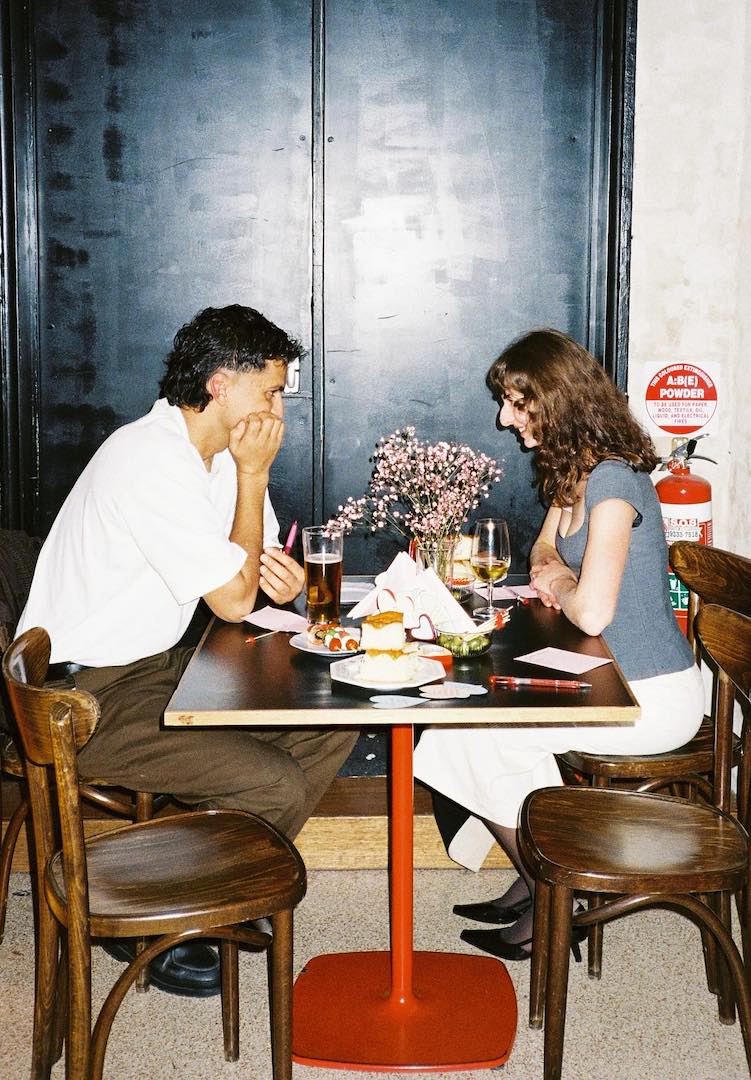
It was also fun. We’d bounce from Siglo to Grill Americano to the European, then back to Siglo for cigars. He’d order me a top-shelf dirty martini, check his emails and tap his Platinum Amex without so much as glancing at the total. Finally, I thought: the princess treatment I deserve.
I swapped my usual skirts-over-jeans for tight dresses, heels and blow waves. It was never explicit, never ‘change yourself for me’, but I wanted to keep the good thing going. I liked the attention, the validation, the masculine certainty.
“Thinking Daylesford this weekend,” he’d text. I’d cancel my plans without hesitation. The trip would never eventuate. “Sorry, darling. Work came up.”
The slip had started. I was spending most of my time with him, doing what he wanted, on his schedule. He didn’t like my share house, the art exhibitions I went to, or my friends – and they definitely didn’t like him. At dinner, we talked about his day, the stock market, whatever was happening at his office. Or we didn’t talk at all.
I would send him my writing, hoping for an engaged, critical response. “You sound so intelligent,” he’d respond. “It’s really beautiful, darling.”
As the reality of the finance-girlfriend lifestyle settled in, the shine began to wear. There’s only so much patience a fine-dining dinner can buy when the person across the table is elsewhere. We weren’t in a relationship so much as performing roles – flattened, interchangeable archetypes built for digital consumption. He was my stable, providing boyfriend; I was his beautiful, accommodating girlfriend. Neither of us existed fully outside the fantasy.
I thought about why I’d bought into it. The pendulum has swung decisively away from #girlboss, She-E-O feminism. Social media has repackaged traditionalism as aspiration. It’s not a small problem. My For You Page is dominated by ‘Day in the life of a stay-at-home girlfriend’, ‘He made me safe enough to wear pink again’, or ‘I’m just a girl‘ videos. This cultural lean towards female infantilisation isn’t fringe ideology; it’s a cultural norm.
View this post on Instagram
It makes sense. Women are tired. The millennial promise that women could ‘have it all’ has been repeatedly undercut by men in power, followed by a bruising, demoralising unravelling of the equality we thought we were achieving. It’s an exhausting, bloated, post-feminist mess. And within it, a quiet return to old hierarchies, dressed up in better lighting. So sue me if I fell for the glamour, the pre-planned dates, the neatly packaged care of a finance bro. On paper, the archetype doesn’t sound so bad.
I broke up with my finance boyfriend over the phone. He was too burnt out from work to see me. During the call (after silently avoiding any decision) he finally said, “I don’t respect you, and you don’t respect me.” Ouch.
This isn’t about demonising men who work in finance. It’s about recognising how easily traditional power dynamics re-enter relationships when they’re framed as care. When men control the money, the plans and the pace, women are encouraged to shrink, to become more agreeable, more beautiful, more flexible. What looks like being ‘looked after’ can quietly become being managed.
Social media has made this dynamic seductive. It sells dependence as safety and submission as softness. But when women trade agency for stability, even temporarily, the cost is always paid later. Equality doesn’t mean splitting the bill or rejecting romance; it means not having to contort yourself to be chosen, kept or provided for.
The finance bro isn’t the problem. The fantasy that a man can replace autonomy is. And that fantasy, however well-lit and well-dressed, is still built on old hierarchies. As women, our agency is our most valuable asset. That, ultimately, is what I learnt.
For more on dating in 2026, try this.
Liked this? You’ll love these...