


How personal style is shaping a new era of bridal dressing
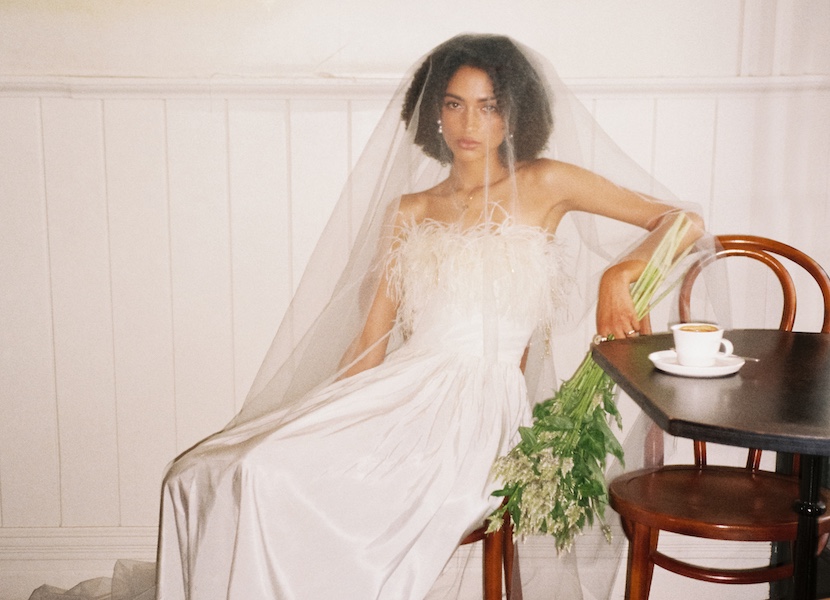
Vintage lace, corsets and colour.
While a veil or flurry of white tulle may feel synonymous with a wedding dress, increasingly, there’s no longer a one-size-fits-all look for brides. Where weddings may have adhered strictly to tradition, today’s brides are embracing individuality. From two-piece outfits to evolving silhouettes and textures, the archetype of a wedding dress is (thankfully) now open to interpretation.
In most cases, the search for a wedding dress (or outfit) is both a source of joy and tension. Some will enter into the process with a vision in mind, while others prefer to explore the endless range of styles.
To find out the different approaches brides are taking, we spoke to Lauren Kay Hooper, the director of New Zealand label Lvr Bridal, and Lizzie Langridge, the vintage curator behind Love James. Although Lauren and Lizzie approach wedding dressing from different angles, their work has led them to the same conclusion: the best bridal looks start with personal style.
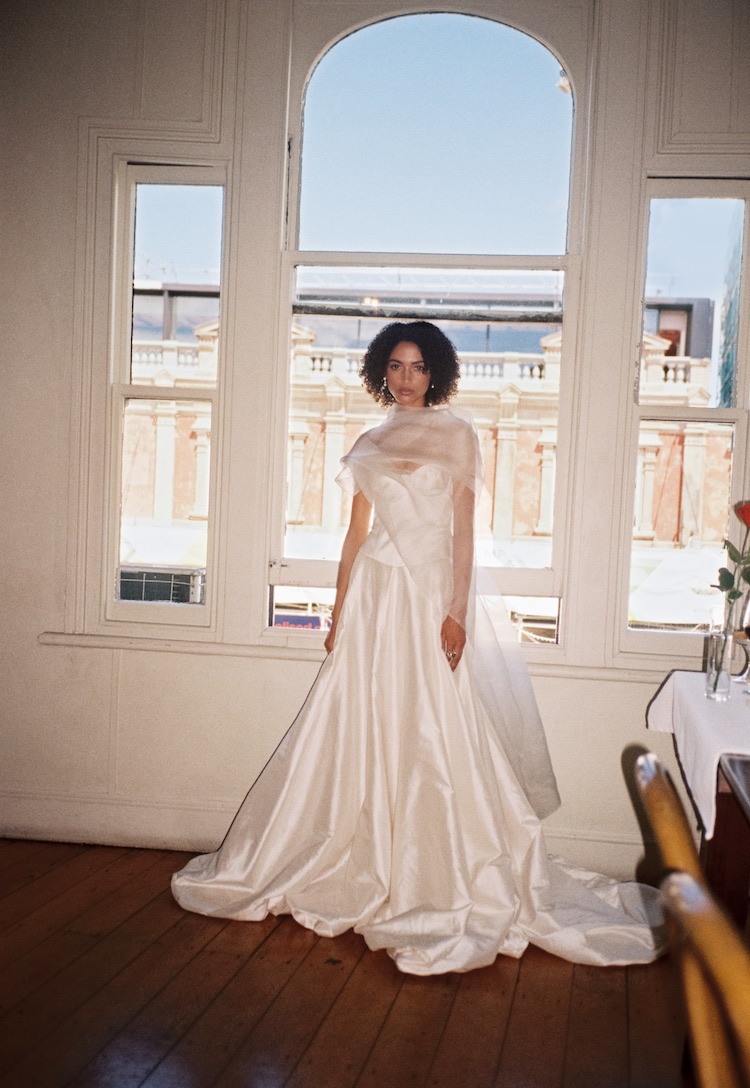
Individuality over tradition
Lvr Bridal was created by Lauren and her friend, Jacque Shaw, after noticing a gap in the existing wedding dress landscape. “Everything out there felt like it was speaking one language: traditional, trend-led, one idea of what a bride should look like,” Lauren explains.
This realisation formed the foundation of the label, influencing everything from the design process to silhouettes and fabrications. Rather than focusing on wedding catalogues, Lvr looks to fashion trends and runways for inspiration.
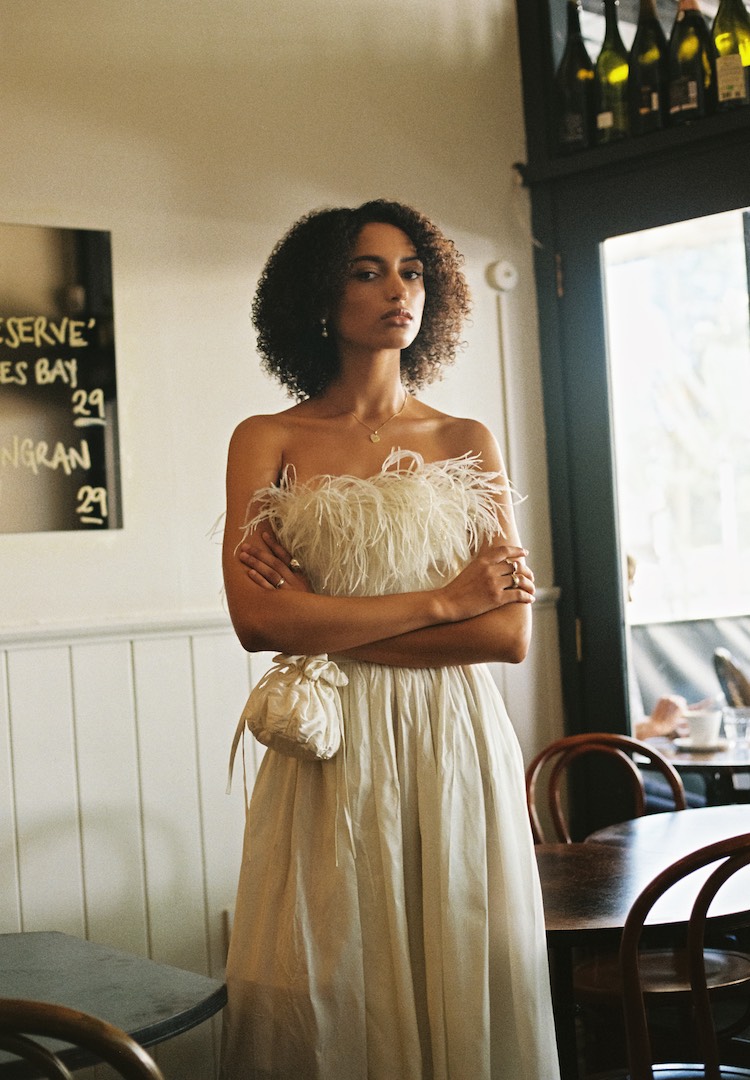
In a similar vein, most of the wedding gowns Lizzie sources for Love James are unique, one-of-one finds – something of an antidote to “an often monotonous bridal world”.
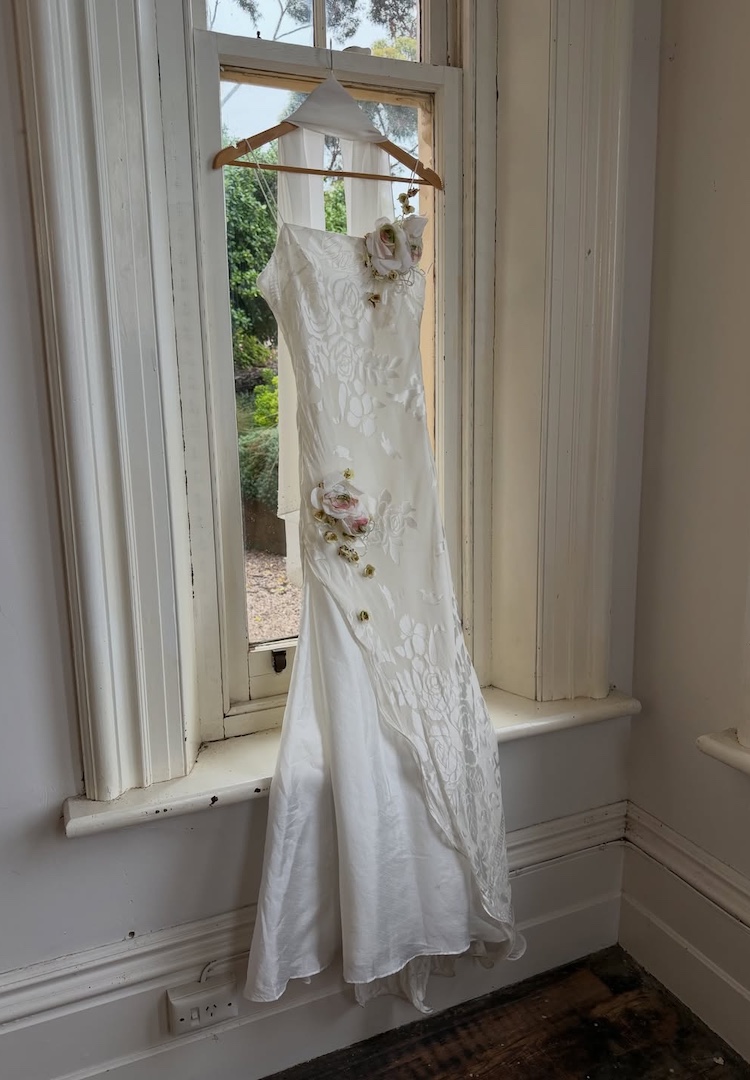
“A piece that has lived a life carries a quiet power that only time can give – it feels storied, rare and alive,” she says. “You’re stepping outside the cycle of mass production into something that already has a history.”
Love James offers a range of designer and vintage bridal and occasion wear from the 1910s through to the early 2000s, with a variety of shapes, styles, silhouettes and even colours. Having recently sourced a bright red Scassi silk gown for a client, Lizzie’s of the belief that wedding dresses should be guided by feeling, not obligation.
The rise of separates
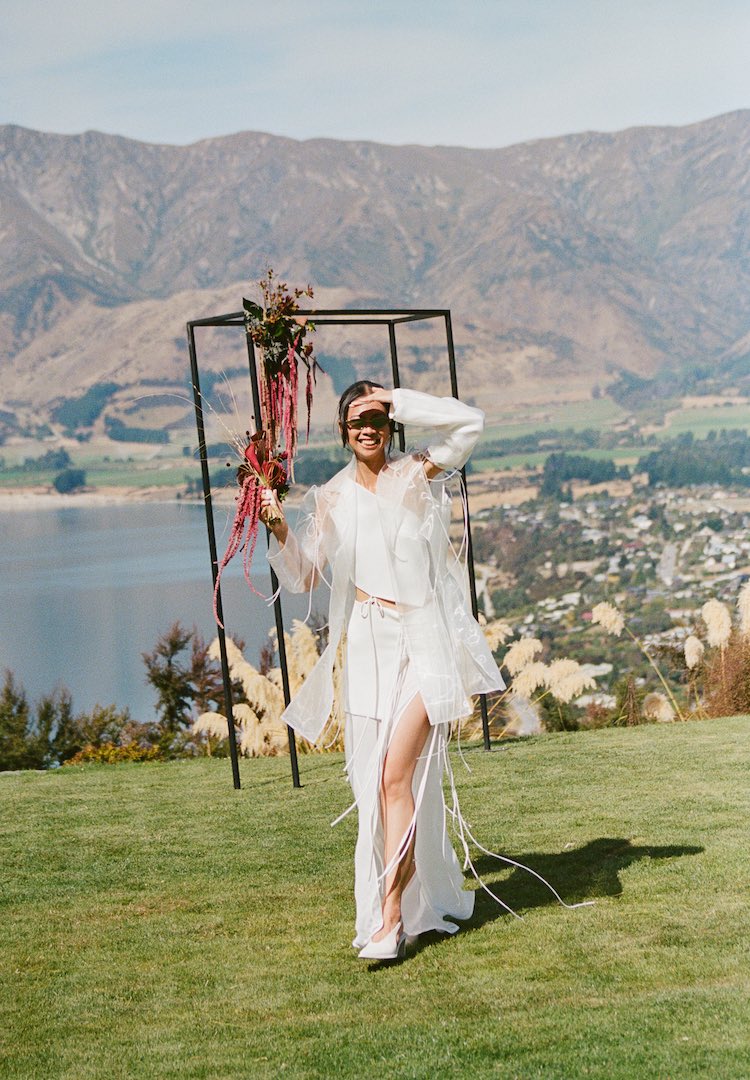
As well as being exclusively made in New Zealand, Lvr Bridal’s collection is built around separates, rather than fixed gowns. From corsets to skirts, veils and lace cardigans, its pieces are designed to be mixed and matched, so brides can build their own look. “It means every bride ends up with a look that feels like her own,” Lauren says.
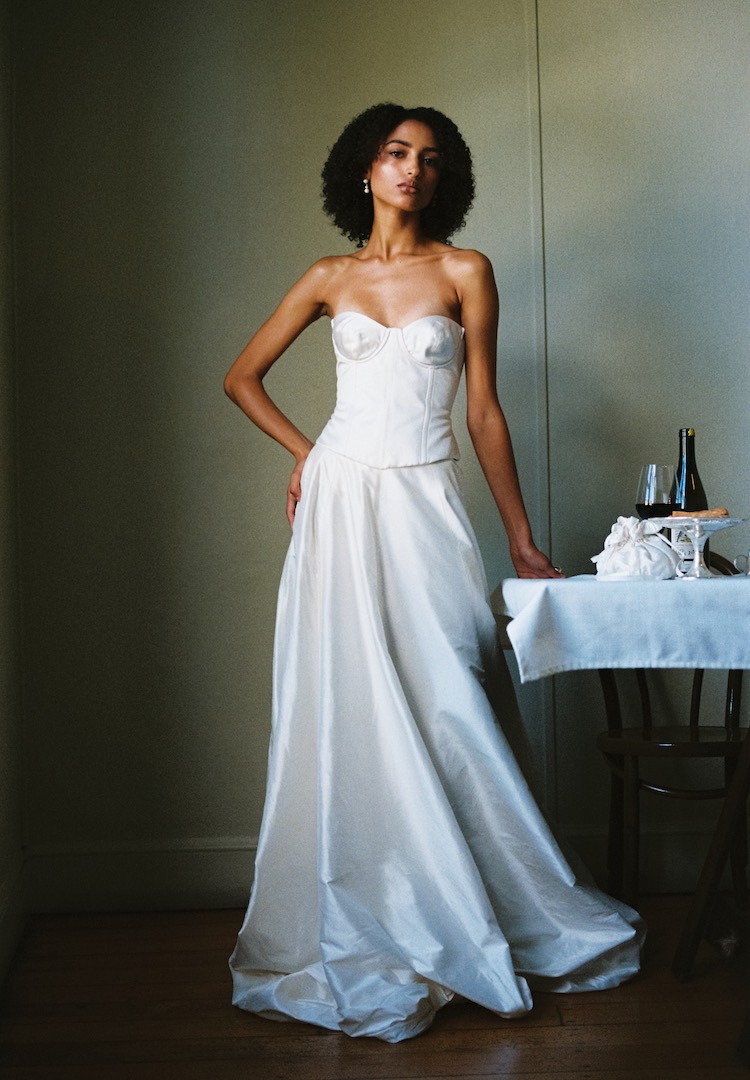
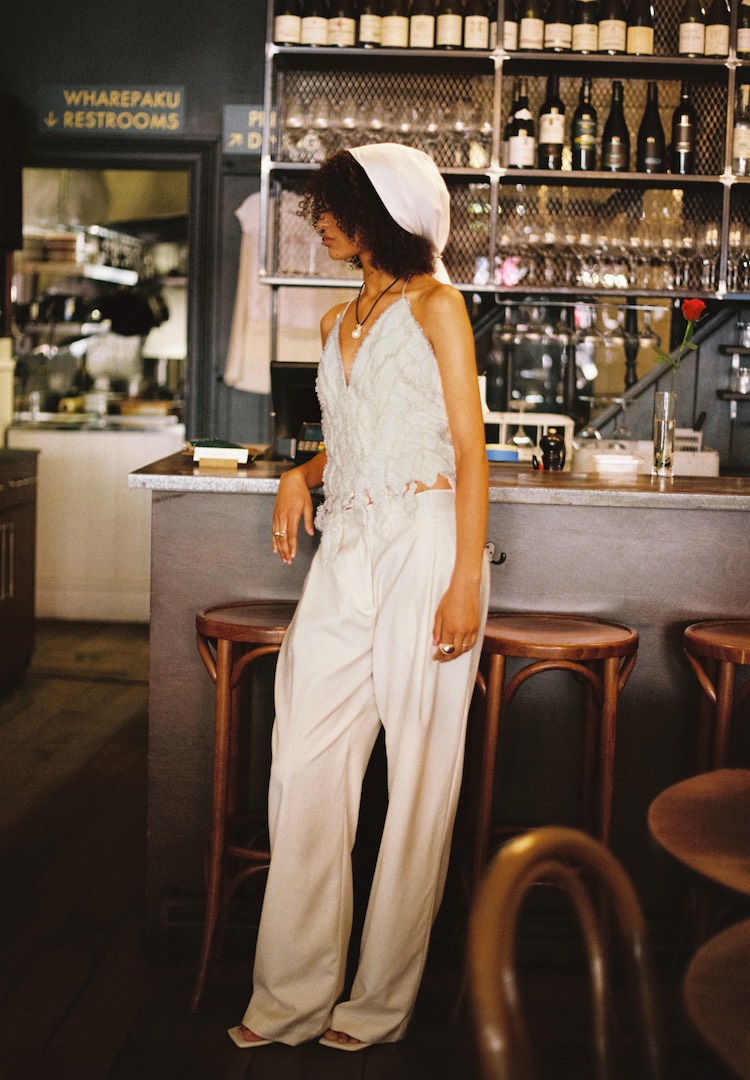
Structured romance
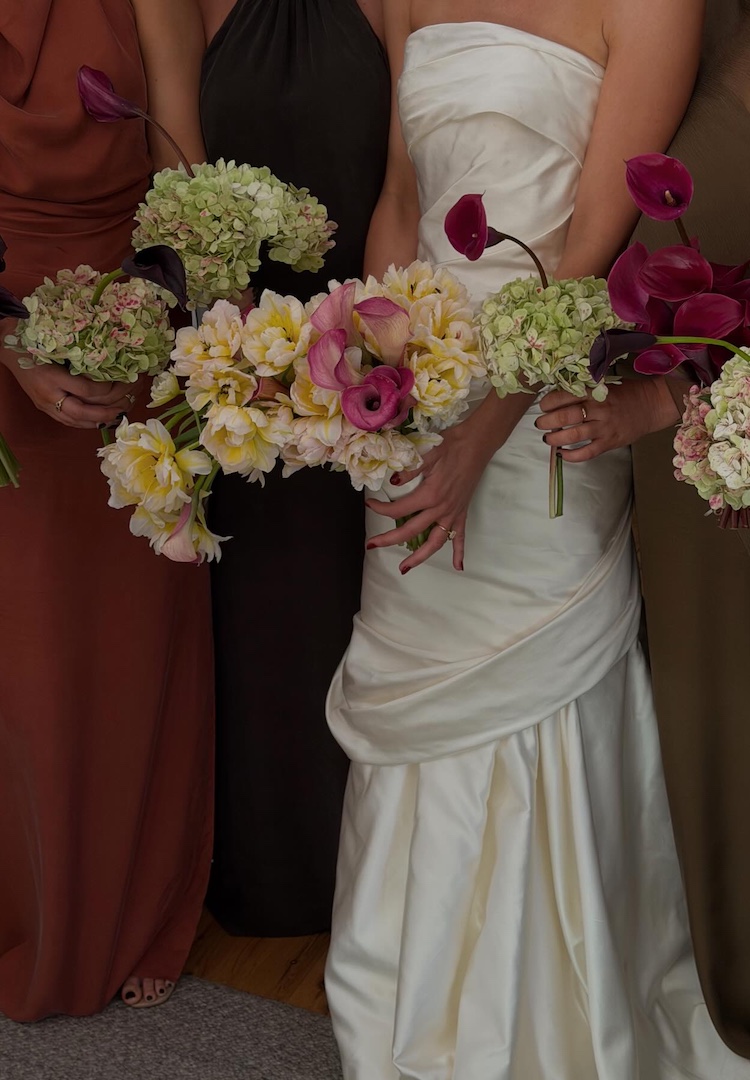
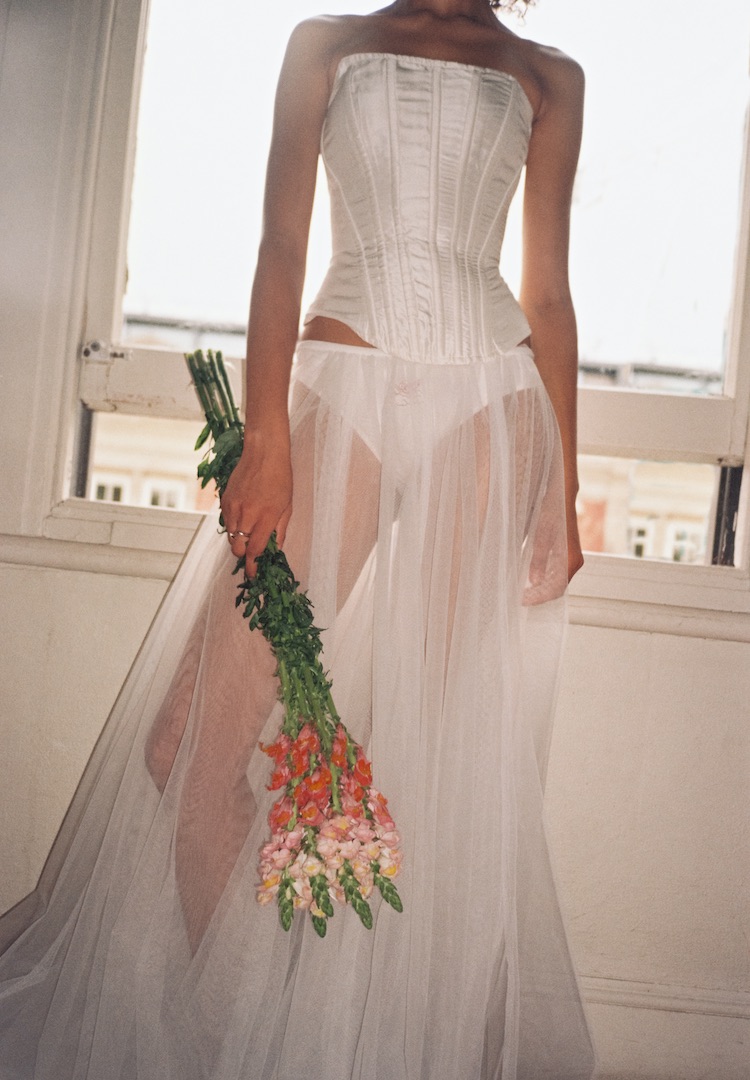
Both Lauren and Lizzie have noticed more brides gravitating towards structured shapes, from corsetry to basque waists. For Lvr Bridal, its Margot Corset has become a hero piece.
“What we’re finding most interesting, though, is the contrast: something sharp and structured up top, something soft and fluid below,” Lauren adds. Tulle skirts, crepe and bubble hems add a sense of movement, offsetting the rigid nature of a corset.
Texture over minimalism
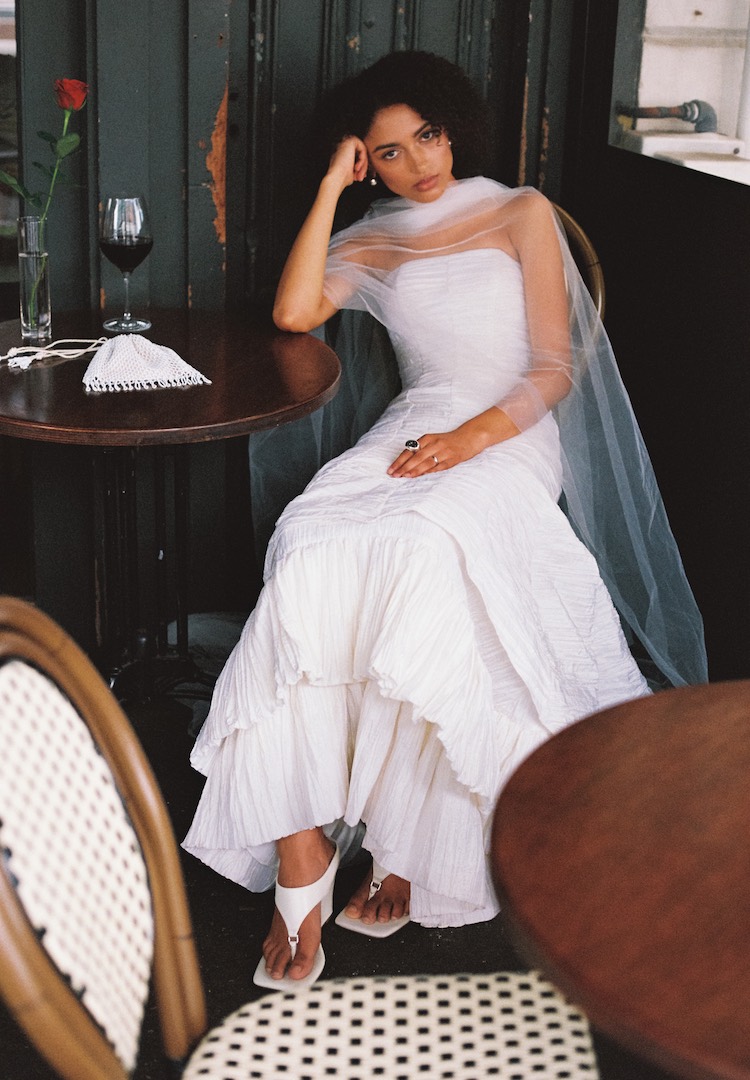
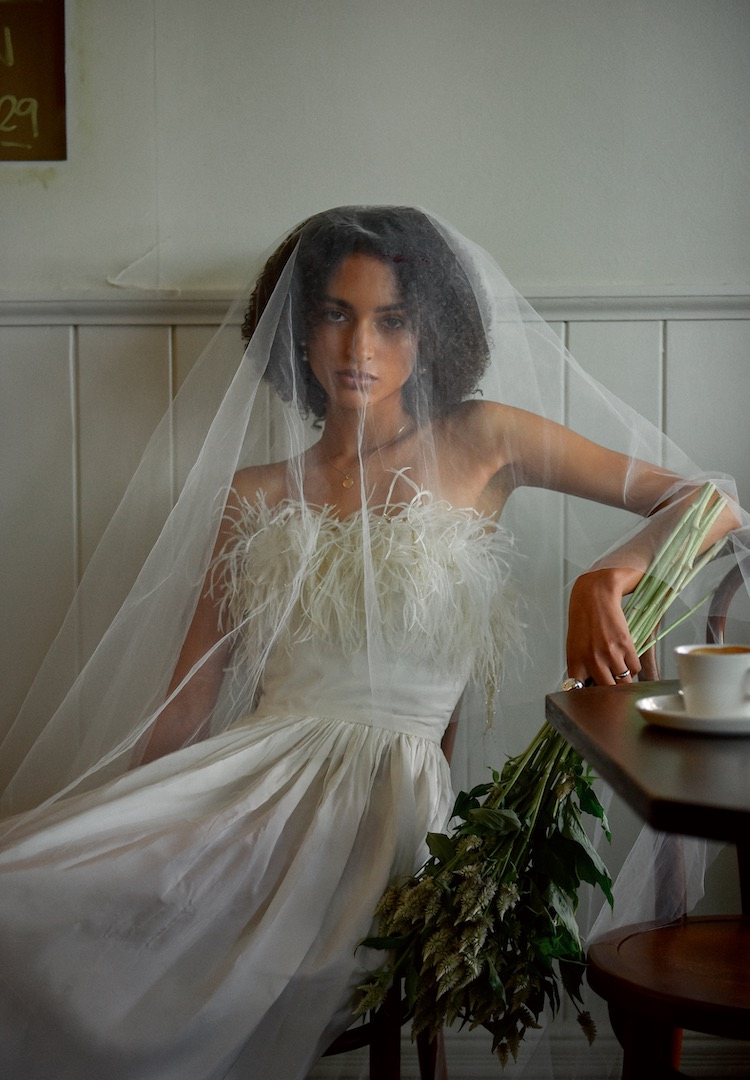
Lizzie is seeing brides open up to more texture generally, like raw silks, beading, antique-style lace and semi-sheer fabrics, rather than a flat, uniform satin. “I’m also seeing brides move away from just white or ivory towards the warmer tones you find naturally in vintage fabrics.”
“We’d love to see bridal move away from the idea that there’s one look a bride is supposed to have,” Lauren adds. “More fashion-forward silhouettes, more individuality, less following a formula. ”
For more on 2026 wedding trends, try this.
Liked this? You’ll love these...