

In this new era of pre-loved fashion, curation is everything
photography by Zebe Haupt and Lola Adami
WORDS BY MAGGIE ZHOU
The global resale market is growing at three times the rate of first-hand fashion, so how are local curators and consignment stores setting themselves apart?
Secondhand fashion is not a monolith. Australia’s growing pre-loved culture has given way to a new generation of vintage resellers making a name – and a brand – for themselves. It’s no longer a question of whether people shop secondhand, but where they go.
Pre-loved fashion regulars like myself have a sort of mental Rolodex they consult for specific missions. I head back to the suburbs I grew up in for vintage, locally-made shirts from iconic Australian brands. Out in regional Victoria, I know I can always find pure wool sweaters. I window-shop in high-end consignment store, Bruce, and flick through the racks of Second Life Markets for going-out clothes.
For more on the circular economy, head to our Pre-Loved section.
Different secondhand retailers serve unique purposes, catering to a spectrum of tastes, price points and clients. Recent research by Boston Consulting Group and Vestiaire Collective estimates the global resale market will be worth $360 billion USD (approx $550 billion AUD) by 2030. It’s growing at a rate three times that of the first-hand fashion market. Thanks to the increased appetite for vintage, we’ve welcomed a wealth of new stores trading in pre-loved wares.
So, how are they setting themselves apart in an increasingly crowded industry? Many have carved out distinct, niche corners of the resale market for themselves. This new era of pre-loved is strategic, curated and deliberate.
Melbourne’s iconic vintage and costume destination, Shag, has been around since 1996. At its inception, it focused on retro ’70s styles. Fast forward to today and it’s still a constant bestseller. Sydney’s So Familia store is hyper-curated to fit a youthful, eclectic aesthetic, with ’90s and Y2K attire sitting alongside dozens of first-hand independent labels.
A Plus Market hosts in-person events, catering specifically to people who wear sizes 16 to 32 and beyond. Salon Archive in Melbourne only sells archival Jean Paul Gaultier, Vivienne Westwood and John Galliano – less than a year since opening its first brick-and-mortar, it has already moved into a bigger space in the iconic Nicholas Building.
Secondhand fashion stores most certainly have distinct brand identities; there’s a clear difference between Salvos and Swop, Facebook Marketplace and Depop, Retrostar and TheRealReal. But this isn’t an obvious conclusion to draw. Unlike typical fashion brands that design and manufacture their own stock, these outlets deal in pre-loved goods; one- of-ones that they have little control over.
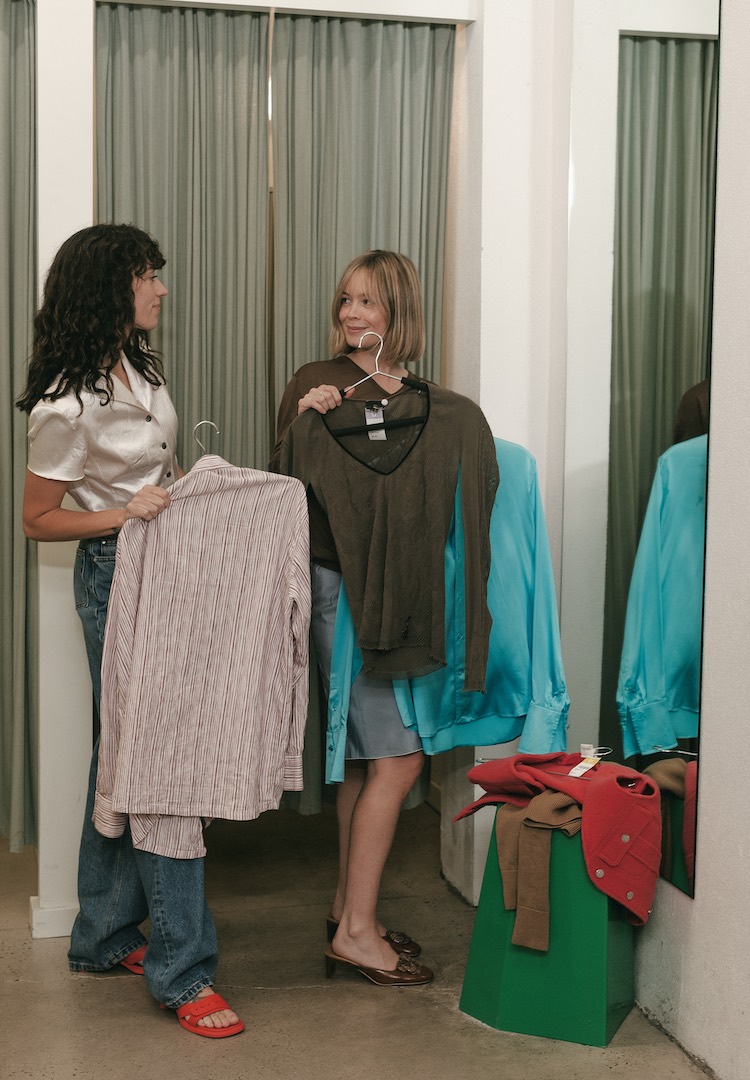
Of course, they have the power of curation, arguably the most important part of the pre-loved shopping experience. It’s PDA Shop’s biggest strength. Headed up by housemates Sarah Lamont and Belle Saunders, the year-and-a-half-old vintage destination, nestled on Fitzroy’s Johnston Street, feels like it’s been around for much longer. Everything that’s stocked is carefully passed through both of their hands.
“We never want to not be the people curating it,” Belle says. “Instinctual” is how Sarah describes their curation process. The pair don’t see PDA Shop as a fashion brand but rather a “curated vintage design studio”.
Hybrid fashion and lifestyle businesses are becoming increasingly popular, mirroring consumers’ multi-layered interests and personality facets. PDA’s motto is “please dress, dine and dance accordingly”; for them, it’s never just been about the clothes.
“The vintage is how we can communicate with people every single week, every day, and a reason for people to come again and again. It’s what fuels the other projects,” Belle says. Collaborating with chefs, DJs and other creatives in their orbit is what has helped bring the PDA world to life.
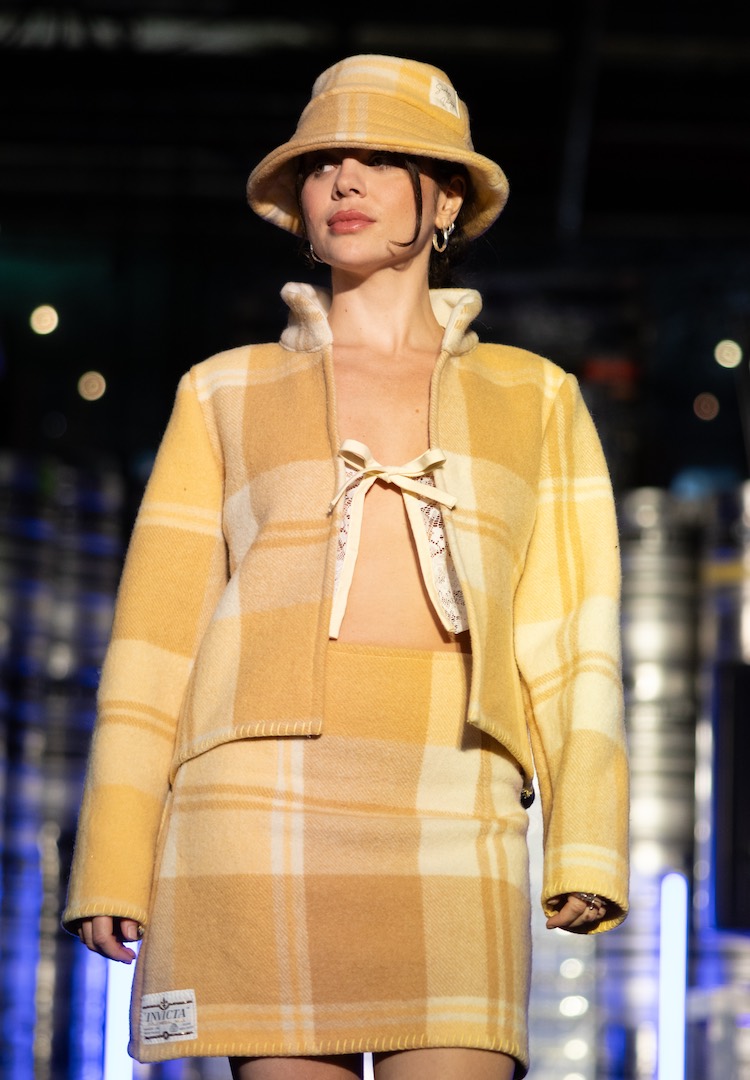
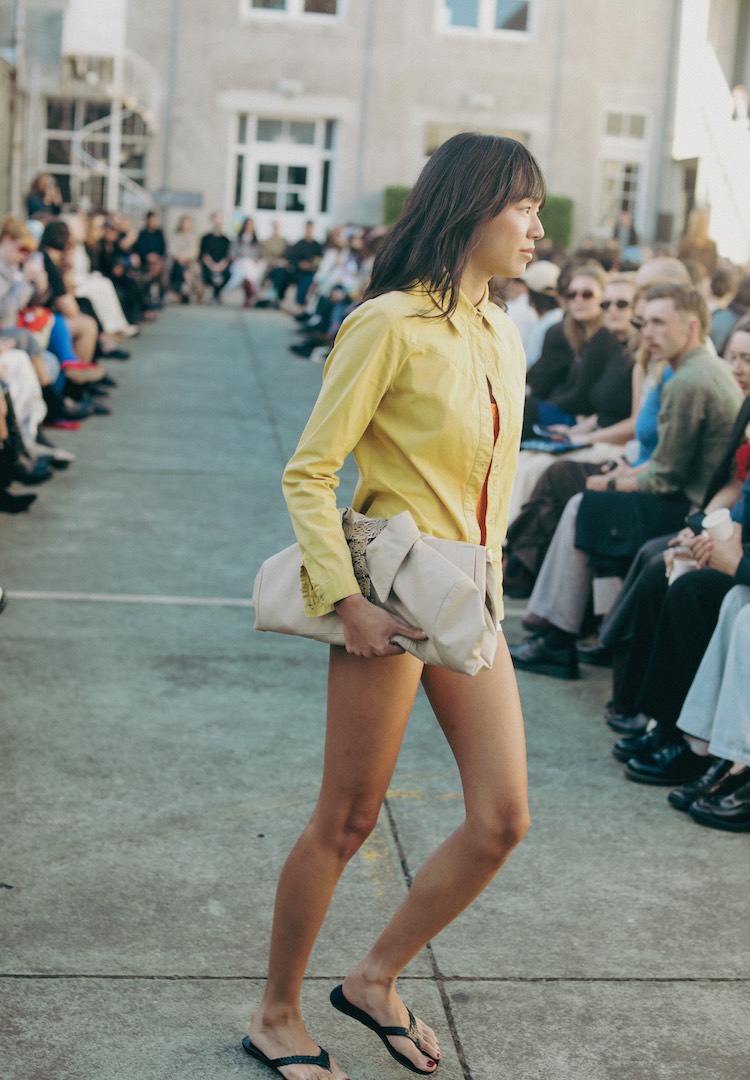
Its solo runway in February embodied this. They pulled together around 30 models from an Instagram call-out, spent 30 minutes styling each person with stylist Thalea Michos-Vellis, and ended up with an audience of 300. Sarah and Belle gush when reflecting on the day. “It was a really special way to see vintage framed,” Belle says.
Recently, PDA has reduced to seasonal online collections, rather than its previous fortnightly drops. In line with that, Sarah and Belle are focusing more on one-on-one shopping appointments. In a roundabout way, the pair has been able to stand out in the secondhand market by centring the experiences they facilitate, rather than the clothes.
Operating for a decade with six stores nationwide, Goodbyes is Australia’s largest resale bricks-and-mortar service. Despite its iterations and rebrands (the concept started in New Zealand as Recycle Boutique), and its 60,000 nationwide sellers, Goodbyes has been able to maintain its reputation for stylish, high-quality, pre-loved threads.
Monique Thomas, who co-founded Goodbyes with friend Olivia Mangan, puts it down to sticking to the business’s values of being “grounded in community” and “second to none”. This looks like celebrating staff and sellers’ unique style on social media, as well as “consistency conventions” when it comes to content and product alike.
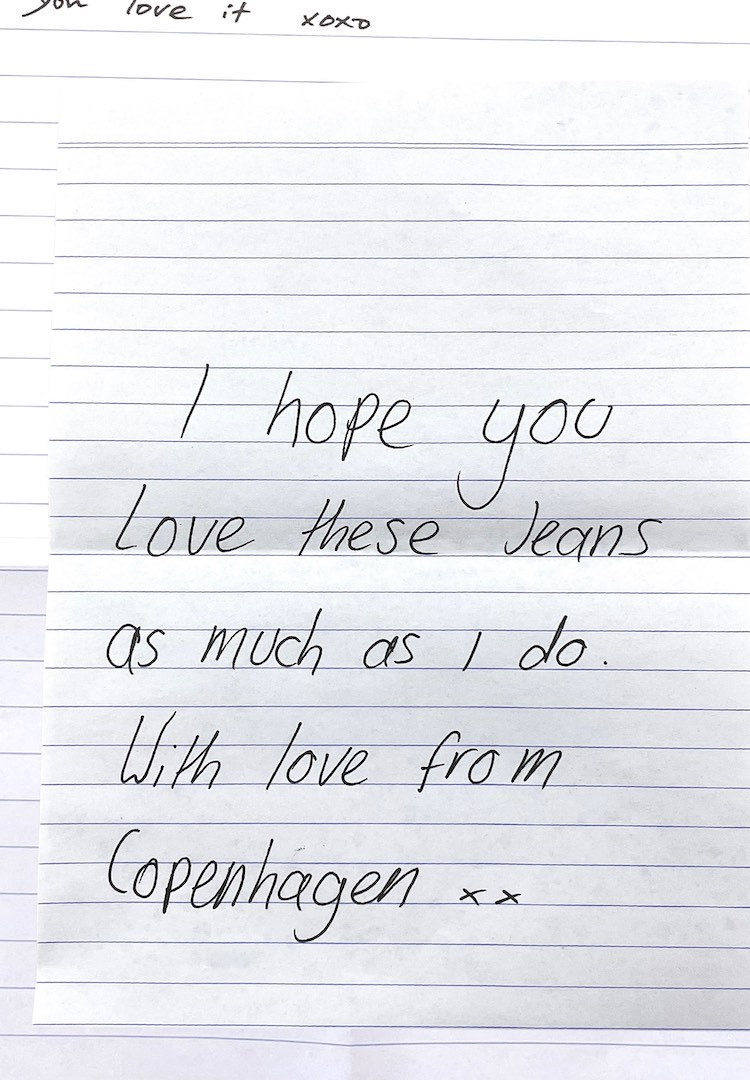
Then, at the start of the year, Goodbyes decided to take a six-month social media break, scrubbing its entire Instagram and TikTok feeds. In a move we’d expect to see from luxury fashion houses, Goodbyes reappeared in August with a new campaign. “It’s all about celebrating the emotional connection to clothing… We’re trying not to make content for content’s sake, making sure it really resonates and feels like Goodbyes,” Monique says. Part of this was a ‘love letters’ project, encouraging sellers to leave a note to the future owner of their clothes.
“Because the product is ever-changing, consistency with the service and the physical space is really important to us,” she says. “We also really celebrate the diversity of the product. That’s the joy of secondhand shopping.”
Now, more fashion labels are cashing in on the world of recommerce. New Zealand label Kowtow launched its own reselling platform earlier this year, purchasing pre-loved garments directly from its customers. With the help of software and service business Revibe, The Iconic is now reselling repaired garments.
Sydney-based designer, Niamh Galea, has had her heart set on resale for years. The founder of her eponymous label (formerly Ramp Tramp Tramp Stamp) started what was then her “teeny- tiny, peer-to-peer” resale arm back in 2020. She was inspired by slow fashion designer Eileen Fisher’s buy-back program, which has been running for 16 years. And also, because well-meaning customers were dobbing people in for reselling their RTTS pieces.
“I started getting messages from people basically saying, ‘Oh my god, I’m so sorry to tell you but someone’s listed your item on Depop’ as though it was something really sad and shameful,” Niamh says. In reality, she felt a sense of pride seeing sellers set high prices and “naming the brand as though it’s a thing”.
By taking resale into her own hands through her platform, Resale World, Niamh has added worth to her products, signifying that her pieces can retain their value. The value exchange of a product doesn’t stop after the first purchase, but lives on through resale.
Niamh is unabashed about wanting to make “a second profit” off her own creations. “It’s my intellectual property. Why should I be giving [consignment stores] basically free money?”
Six months ago, Niamh began mirroring Swop’s consignment method, ditching her peer-to-peer system and instead buying back pieces and offering 30 per cent cash, or 50 per cent credit on the resale value (most people opt for credit). The pick-up was immediate.
I ask Niamh what it’s like receiving pieces that past customers no longer want. “I’m a hustler. It doesn’t bother me at all,” she says, laughing and adding that she’s even sold on pieces from her own wardrobe.
She’s been encouraging her friends who own fashion labels to start their own resale arm. Her advice? “Don’t let other people make money off your creative work when you could just as easily be doing it.”
Pre-loved is good business. When clothes continue to circulate, it not only halts their journey into landfill, but can create more financial value for sellers and brands. The biggest winner from all this? Arguably us, the customers, whose choices when it comes to buying and selling secondhand clothes only continue to grow.
This article was originally published in Fashion Journal Issue 199.
For more on the plus-size representation in fashion, try this.
Liked this? You’ll love these...