

From curtain to micro: How to choose your perfect fringe
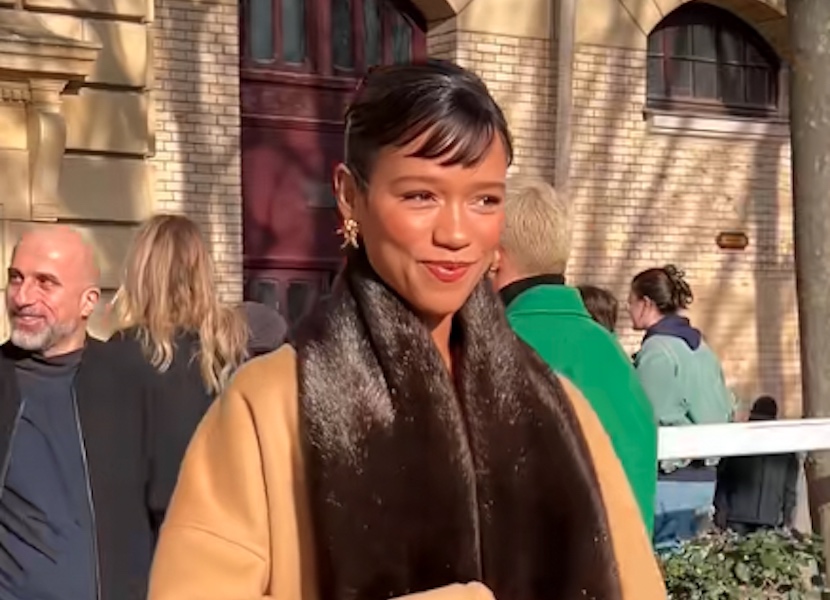
IMAGE VIA @LOEWE/tiktok
AS TOLD TO DAISY HENRY
The year of the fringe.
It’s almost a rite of passage that at some point in a person’s life, they will contemplate cutting bangs. Whether it’s emerged from a period of restlessness, experimentation or a sudden life change, like a break-up. Having frequently experimented with various fringe types myself, I’m a strong proponent of making the chop.
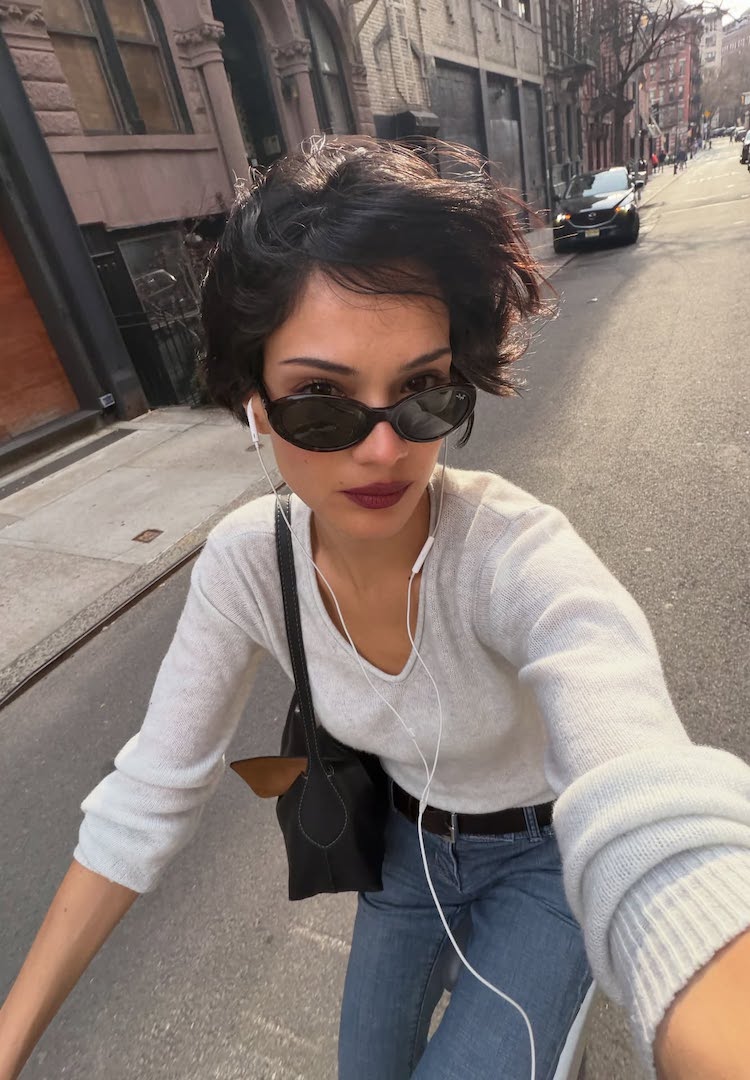
Whether it’s a Dakota Johnson-esque blunt fringe or messy, curly bangs a la Odessa A’Zion, they add an interesting point of difference, just like a good accessory might. I’ve also found they’re a great way to build character and fortify resilience (particularly on mornings when they refuse to function).
For more haircare reviews, check out our Beauty section.
According to Bianca Hobson, a hairstylist based at Donna Sheridan in Fitzroy, more people are committing to bangs this year than ever. “It’s the conversation I’m having with almost every client,” she says.
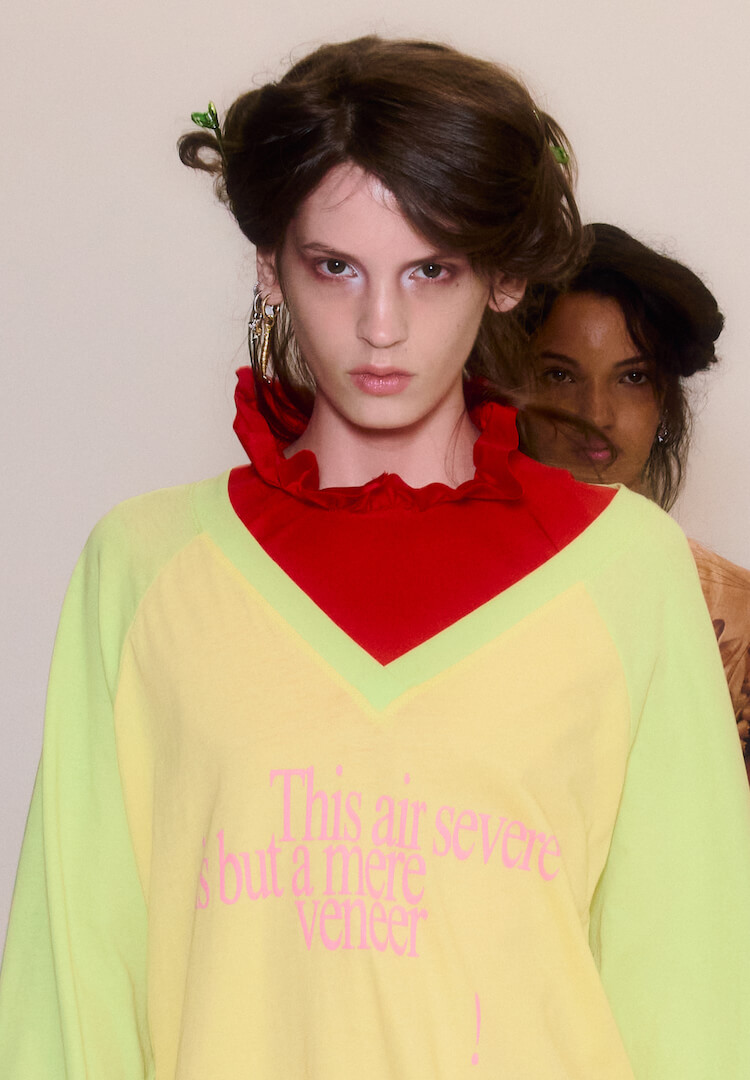
Though there are plenty of different directions you can take, this season, fringes are feeling less polished and more instinctive, explains Bianca. “Think soft shapes, movement and that lived-in, romantic feel.” Below, she steps us through her four favourite styles of fringes.
Blunt fringe
View this post on Instagram
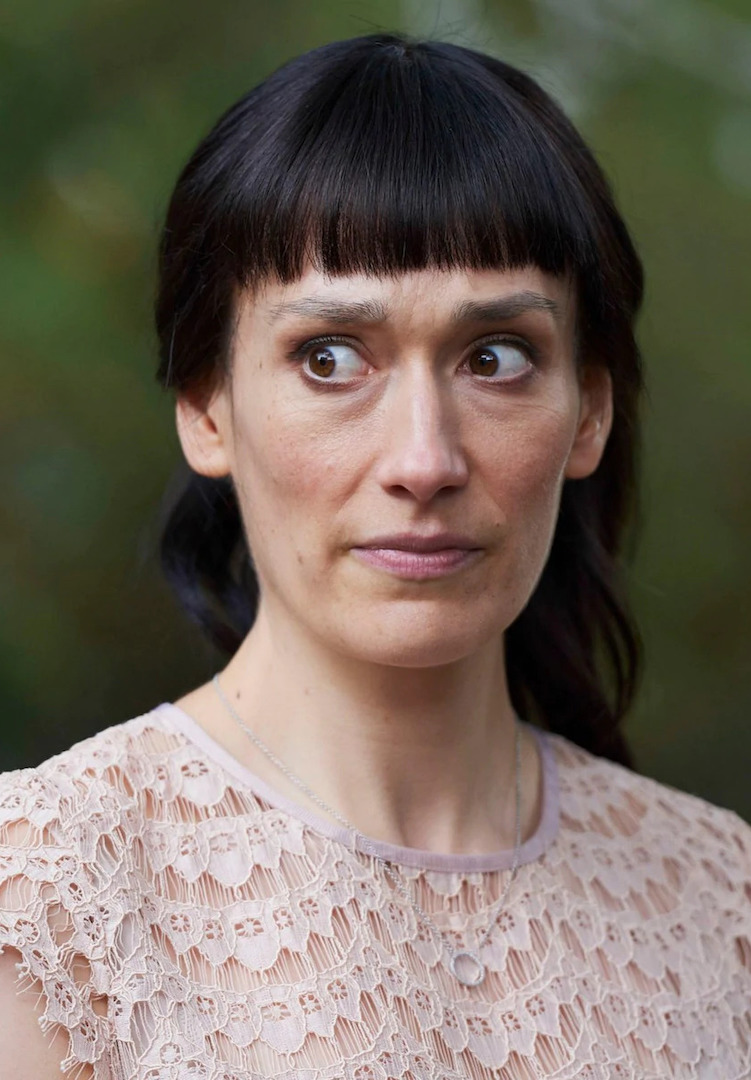
The blunt fringe is one of the more familiar styles on the list, characterised by Bianca as being “clean, graphic and quietly rebellious”. While it can vary slightly depending on the person and hair type, it usually sits straight across the forehead, sitting at or just below the brow. “It suits oval and longer face shapes, especially if you want more structure.”
A high-commitment option, Bianca advises making a standing appointment with your hairdresser every four to six weeks for a fringe trim to maintain the style.
Curtain or side swept bangs
View this post on Instagram
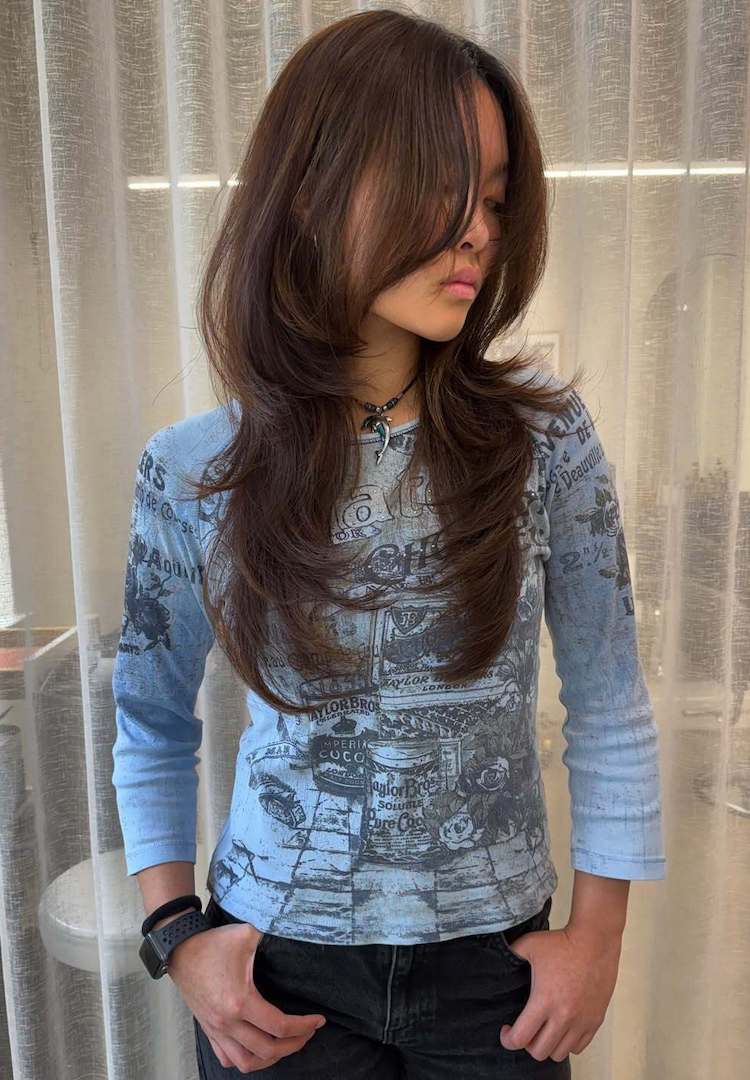
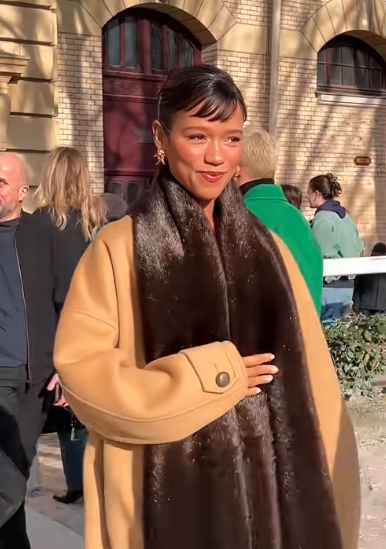
Curtain and side-swept bangs are soft, low-maintenance and are, according to Bianca, the most wearable fringe types on the list. “They suit most face shapes and work especially well if you want movement without a dramatic change.”
For the signature face-framing look, she suggests asking your hairstylist for a longer fringe that works with your natural hair part and blending it into the front layers. “It’s low-commitment and can be styled with a quick blow-dry or air-dried with sea salt spray.”
Micro fringe
View this post on Instagram
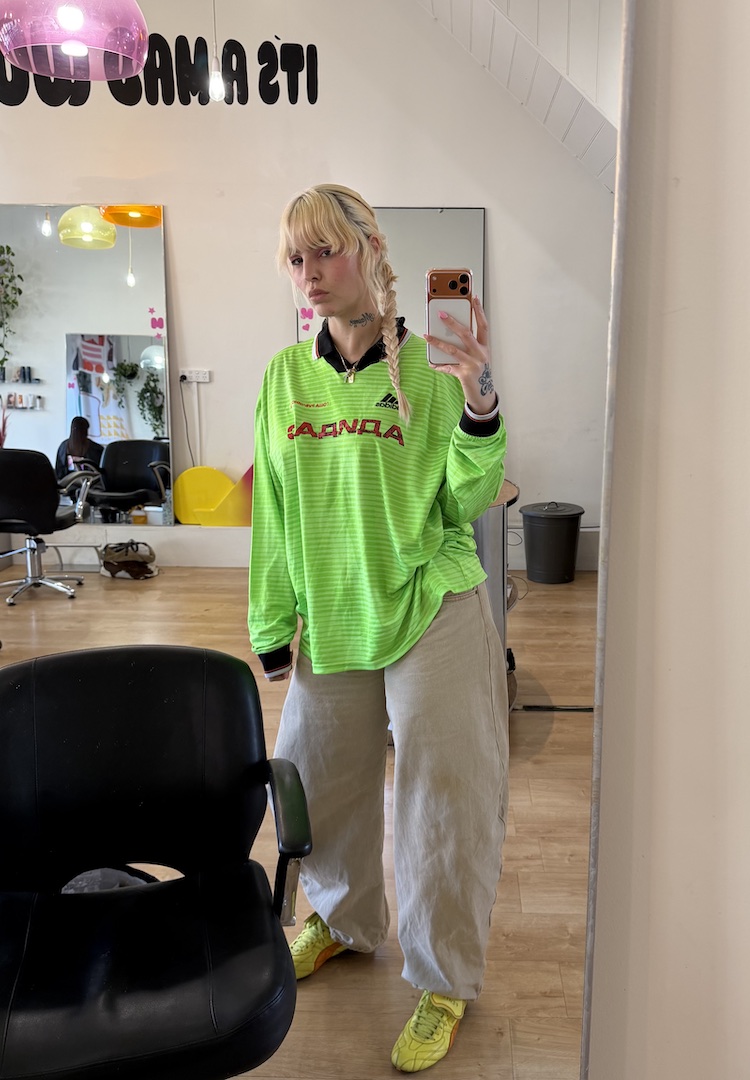
Micro fringes are short, sharp and slightly unexpected. “It sits above the brow and leans more edgy than classic,” Bianca explains. “It suits strong features and anyone comfortable with a bolder shape.” To get the look, ask for a cropped fringe cut above the eyebrows, either soft or blunt, depending on your preference. Although its a statement style requiring frequent trims, styling is minimal.
Curly or textured fringe
View this post on Instagram
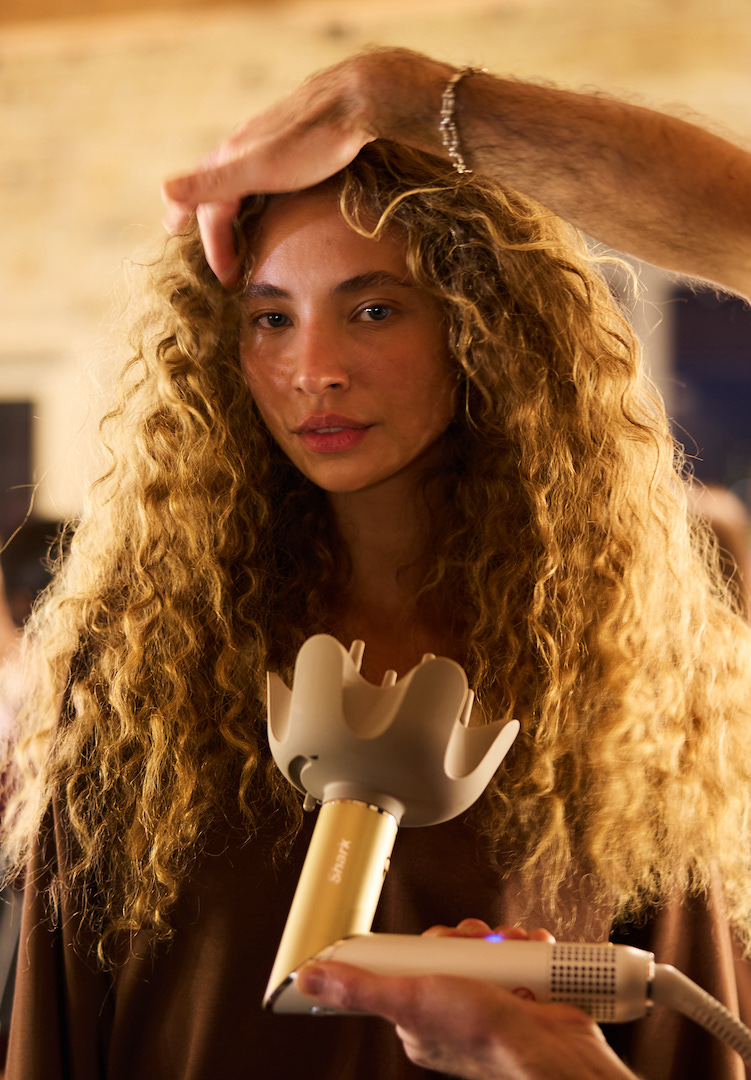
If you have naturally curly or wavy hair and don’t want to commit to frequent styling, then Bianca recommends leaning into your natural texture. “A textured fringe works with natural movement, adding softness without feeling too polished,” she explains. “It’s relatively low effort when cut well, with styling mostly relying on air drying with a texture product. The Kevin Murphy lotion motion is a favourite.”
Keep up with Bianca here.
Liked this? You’ll love these...