

I tried the cummerbund trend and now I think about my body differently
Words by Tessa Patrick
“I quickly realised that in this fantastic pair of trousers, I was thinking more about what I was wearing than the body underneath it.”
There are two reasons why I swore I’d never try the cummerbund trend. The first, I’ve spent more than a decade working in the fashion industry, and if I’ve learnt one thing, it’s that trends that live hard also die hard.
As for the second, I’ve spent an equal amount of time (if not longer) feeling utterly dissatisfied with my body. So pulling focus to something I often try to hide didn’t particularly elate me. Yet somehow, not in spite of but because of it all – the runways and the rather convincing styling of people whose waists I’ve never had – I too tried the cummerbund trend. As hard as it is to admit, turns out I’ve been entirely wrong about everything.
For more style analysis, head to our Fashion vertical.
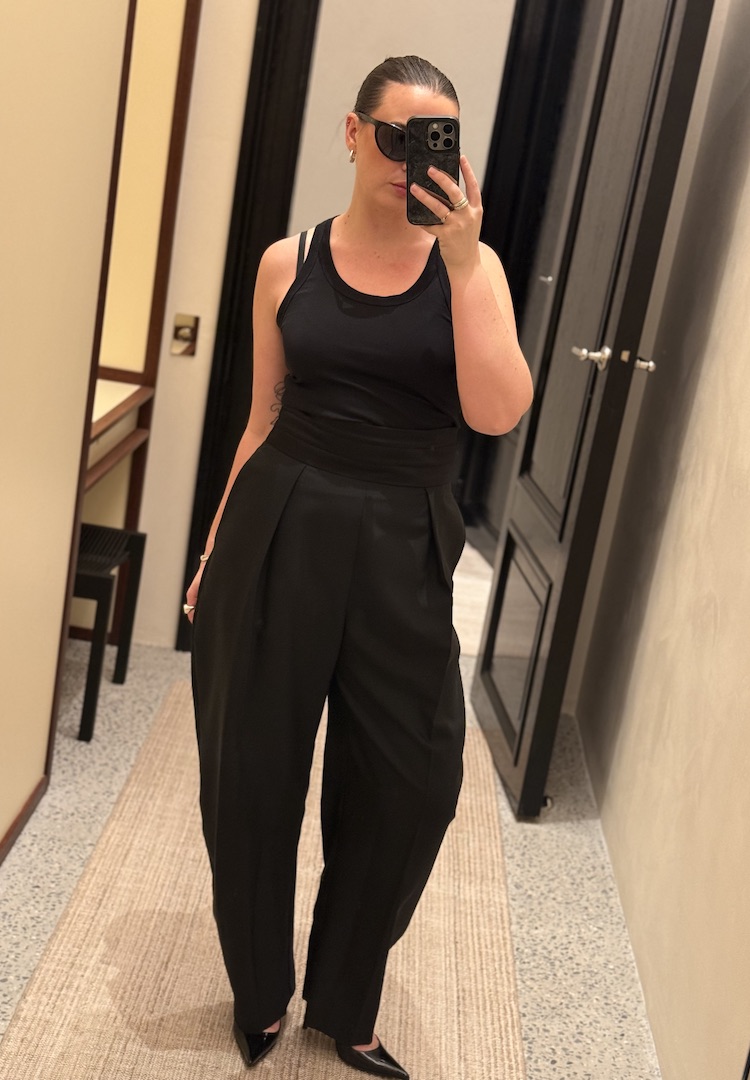
My love affair with the entirely unnecessary accessory began with a pair of pants. They were a tailored, slightly barrelled black trouser, with a cummerbund introduced into the waistband: a more palatable take for someone trend-averse.
They were a great pair of trousers too, and perhaps that eased any anxieties. But with a simple tank and pair of heels, they found their way out of confines and down to happy hour.
I quickly realised that in this fantastic pair of trousers, I was thinking more about what I was wearing than the body underneath it. It feels odd to articulate, but something about the cummerbund (and perhaps it is the sensation of a close hug) feels secure. And while I’ve always sworn I hate the term ‘flattering’, I did feel as though the silhouette flattered me, introducing shape back into the body I’ve spent so long trying to hide.
A shift in perception
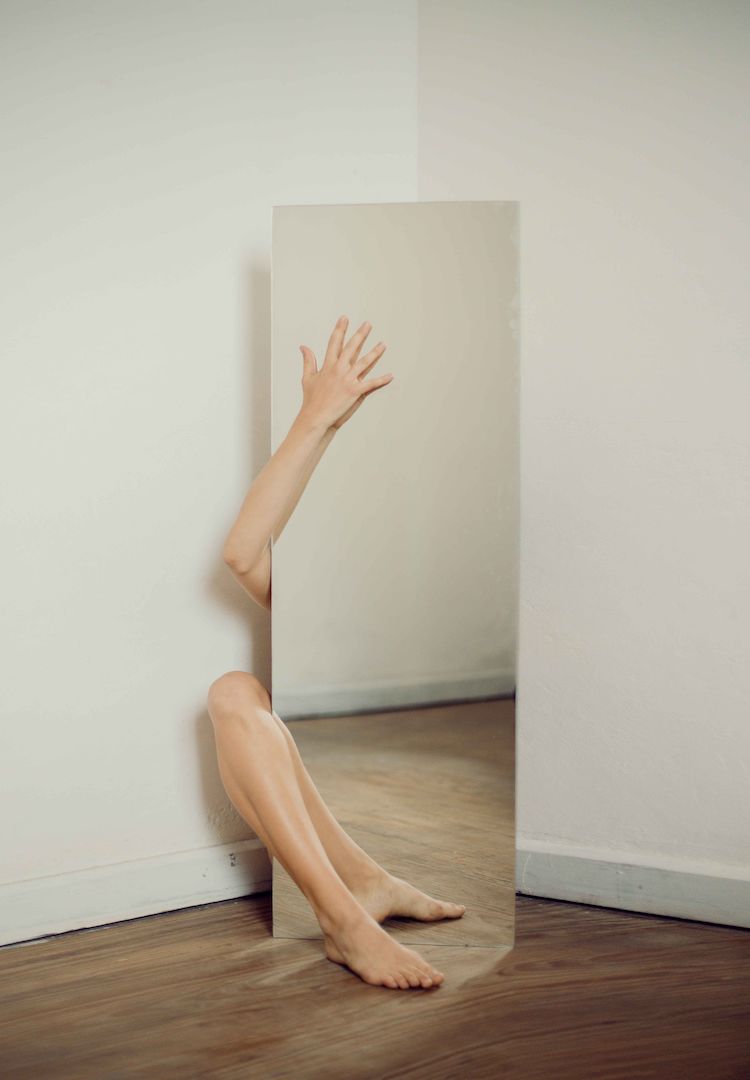
It would be an oversimplification to say this introduction to menswear cured my body dysmorphia overnight. But in the last 15 years, I could probably count on one hand the times I’ve felt happy in my body.
It sounds silly and probably dramatic to most people. For all intents and purposes, I’m really healthy. No physical ailments, no enduring illnesses. But I have body dysmorphia, and it changes the way I see myself.
It has, by and large, made perceiving my body an all-consuming experience, no matter what I do. It seems so trivial that something like a false perception of how I look continues to weigh on me so greatly, but it’s there. It’s always there. I am learning to live with it, but, especially in an industry that really rewards thinness, I’ve found it hard to see my life beyond it.
My solution has always been to wear baggy clothes. Only my boyfriend’s biggest shirts; my comfy jeans even in the height of summer. My calves have never fit into the boot of the moment, so I’m often wearing sneakers.
For a long time, I felt scared that others would see me the same way I saw myself. I’d go to great lengths to hide my body. At face value, a cummberbund is the antithesis of this.
A brief history
Probably given its masculine associations, the cummerbund was never intended, as far as I can tell, to make the waist look smaller.
Historically, elaborate sashes were worn across South Asia long before British officers stationed in colonial India adopted them as an alternative to the waistcoat. Eventually, the cummerbund (the word is derived from the Persian ‘kamarband’, meaning waistband) became a staple of Western eveningwear, where it remained dutifully tucked beneath a dinner jacket.
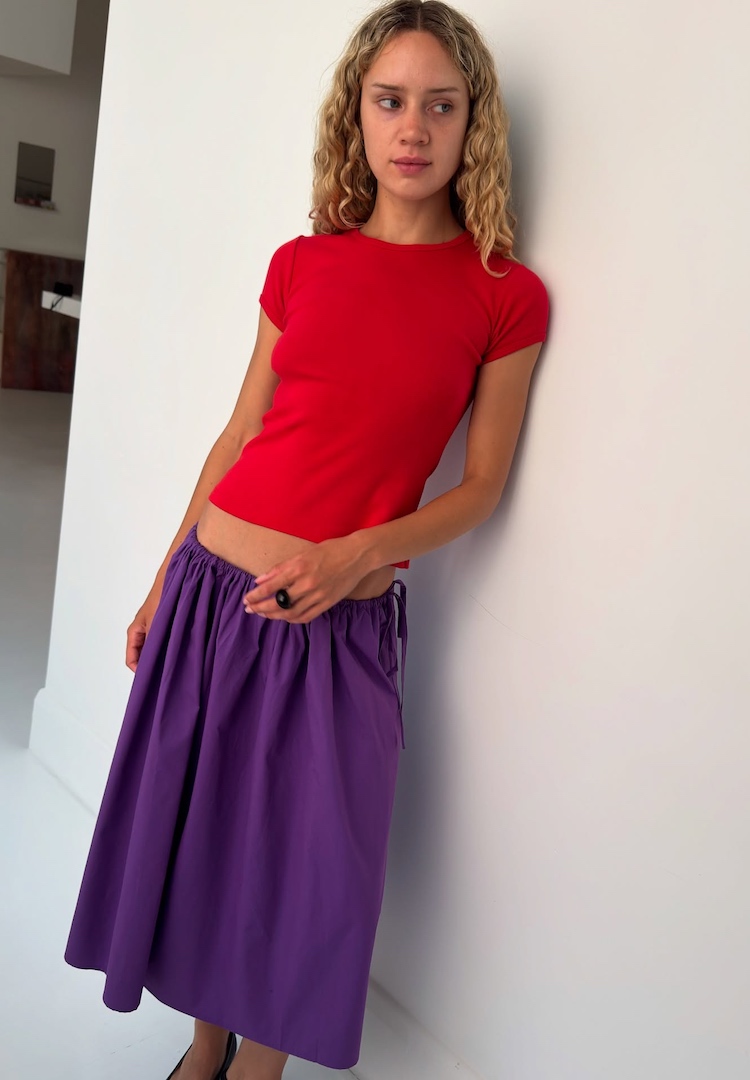
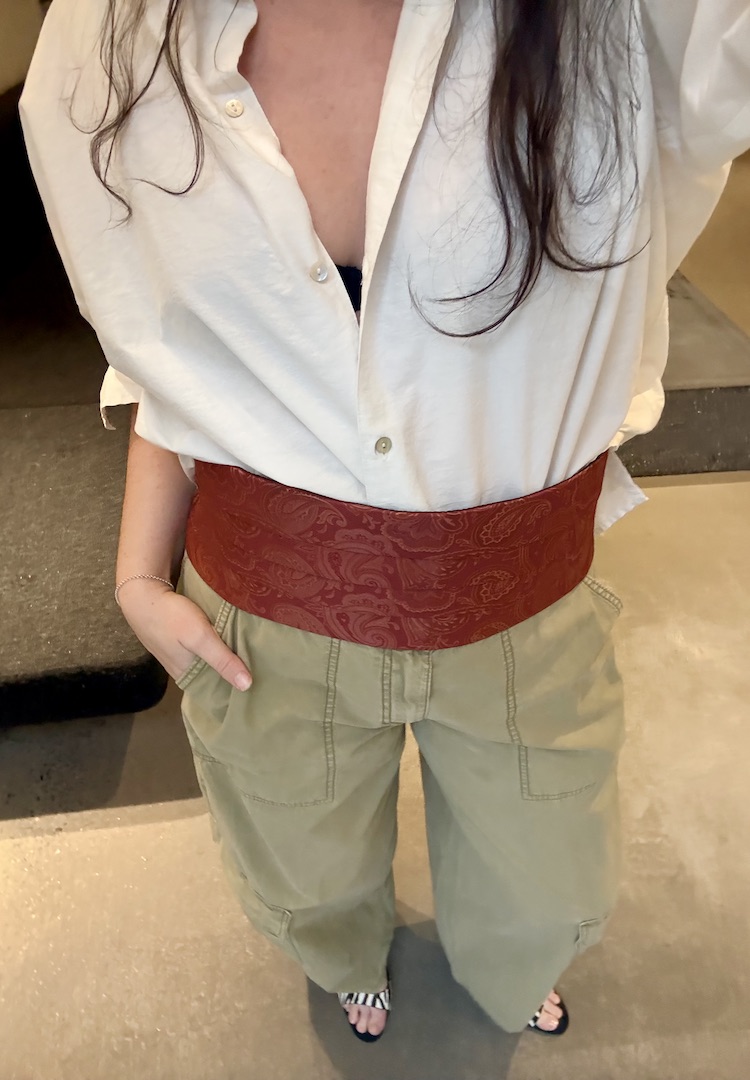
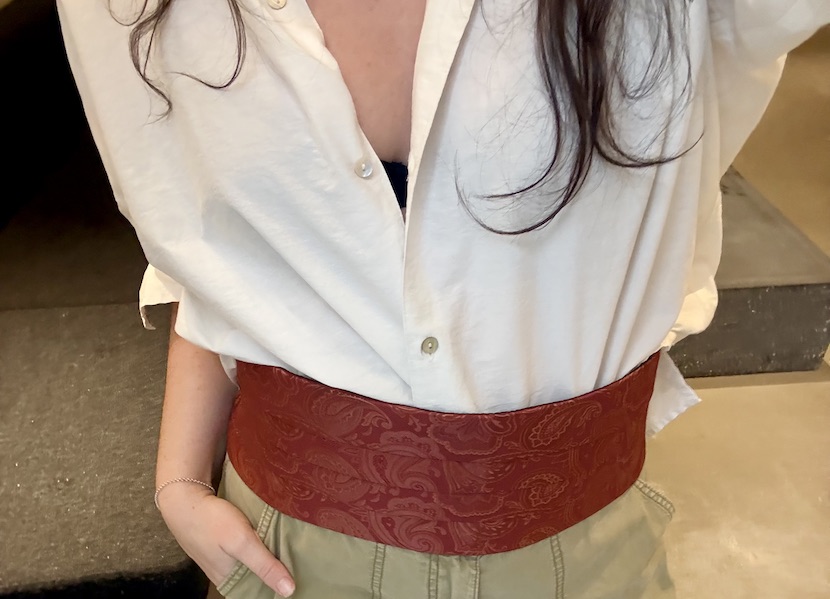
In recent seasons, designers have been rather enthusiastically dismantling its conventions. At Dries Van Noten, Julian Klausner has offered silk, beaded and leather iterations across collections; Michael Rider has introduced brilliant pink and plum versions at Celine; and at Róhe, the whole proposition became even simpler with cummerbunds incorporated directly into trouser waistbands, including in the pair I love so deeply. Which is all to say that the cummerbund has travelled rather a long way from its origins, and evidently, so have I.
The joy of dressing
While experimenting with this trend, I’ve been digging out trousers with silhouettes I’d fallen out of love with, playing with colours I’d been previously scared to try and scouring op shops for the perfect, very-loved pattern. What’s surprised me most is how much fun I’ve been having getting dressed. It’s been fun getting dressed!
Yes, this sounds egregious coming from someone who has made a career out of clothes. But when you’ve spent years deciding what to wear based on what you’d prefer nobody to notice, the pleasure of dressing for no reason other than because something looks good (and fun and comforting and delightful) can feel rather novel. And okay, maybe I do like the way the cummerbund made my waist look.
Have I just fallen into the trend trap? Maybe. But I like it here, I feel good here and I think I’ll stay a while. All fashion is fleeting but sometimes, it can be healing too.
If you’re struggling with body dysmorphia, head here or call the Butterfly Foundation’s National Helpline on 1800 33 4673.
Liked this? You’ll love these...