

LCI Melbourne’s Head of Fashion and Costume Design on why “comfort is the enemy of excellence”
IN PARTNERSHIP WITH LCI MELBOURNE
WORDS BY IZZY WIGHT
“I don’t want to produce designers who play it safe. I want to grow designers who shock even themselves.”
Have you ever stalked someone on LinkedIn and wondered how on earth they managed to land that wildly impressive job? While social media might have us believe that our ideal career is a mere pipe dream, the people who have these jobs were, believe it or not, in the same position once, fantasising over someone else’s seemingly unattainable role.
But behind the awe-inspiring titles and the fancy work events lies a lot of hard work. So what lessons have been gleaned and what skills have proved invaluable in getting them to the top of their industry?
Looking for a new 9 to 5? Head to our Careers page for new listings daily.
Welcome to How I Got Here, where we talk to people who are killing it in their respective fields about the peaks and pits, the failures and the wins, and most importantly, the knowledge they’ve gained along the way.
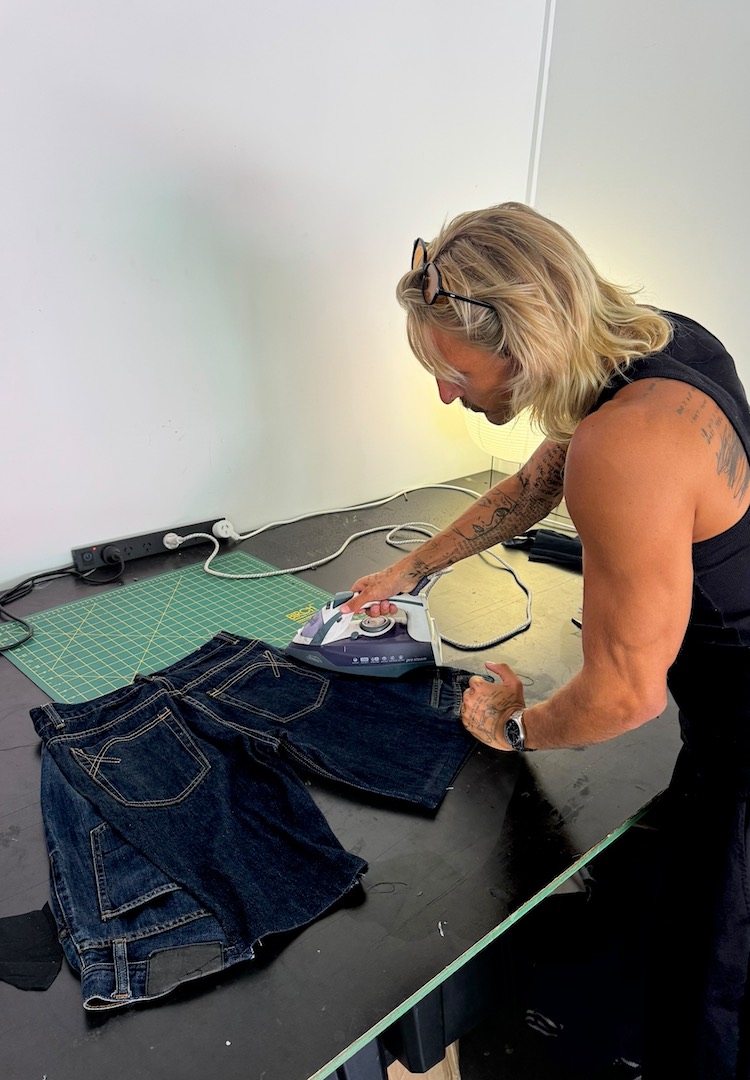
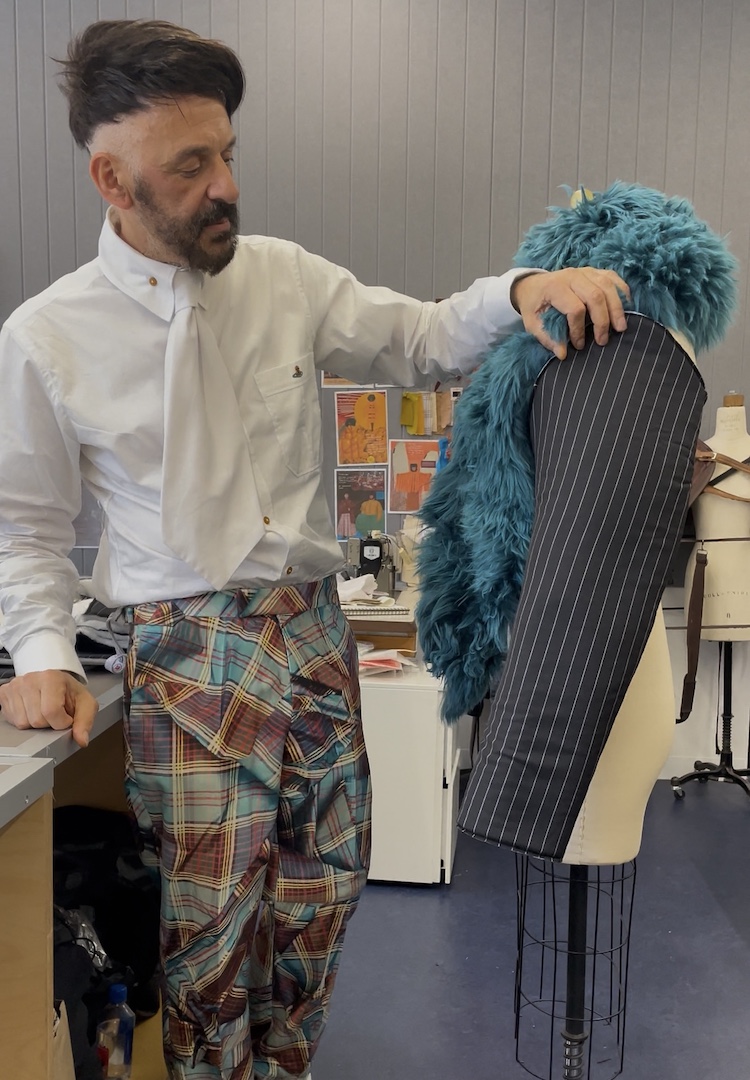
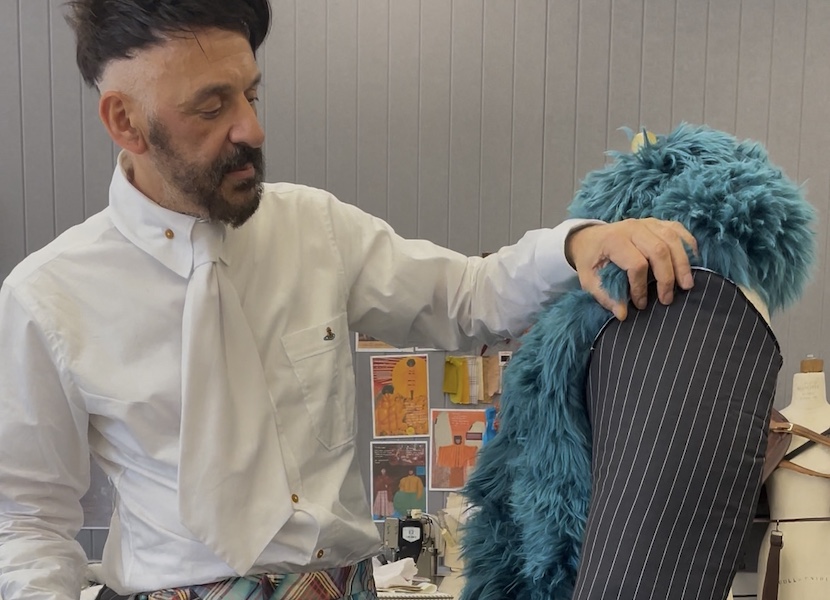
This week, we hear from Darran Arabin-Gander, Head of Fashion and Costume Design at LCI Melbourne. With over two decades of experience in the industry, Darran’s resume reads like every aspiring designer’s dream: a collaborator of Christian Lacroix and Giles Deacon, a designer behind Kylie Minogue’s iconic white jumpsuit, and a Central Saint Martins alum who knew Alexander McQueen when he was just ‘Lee’.
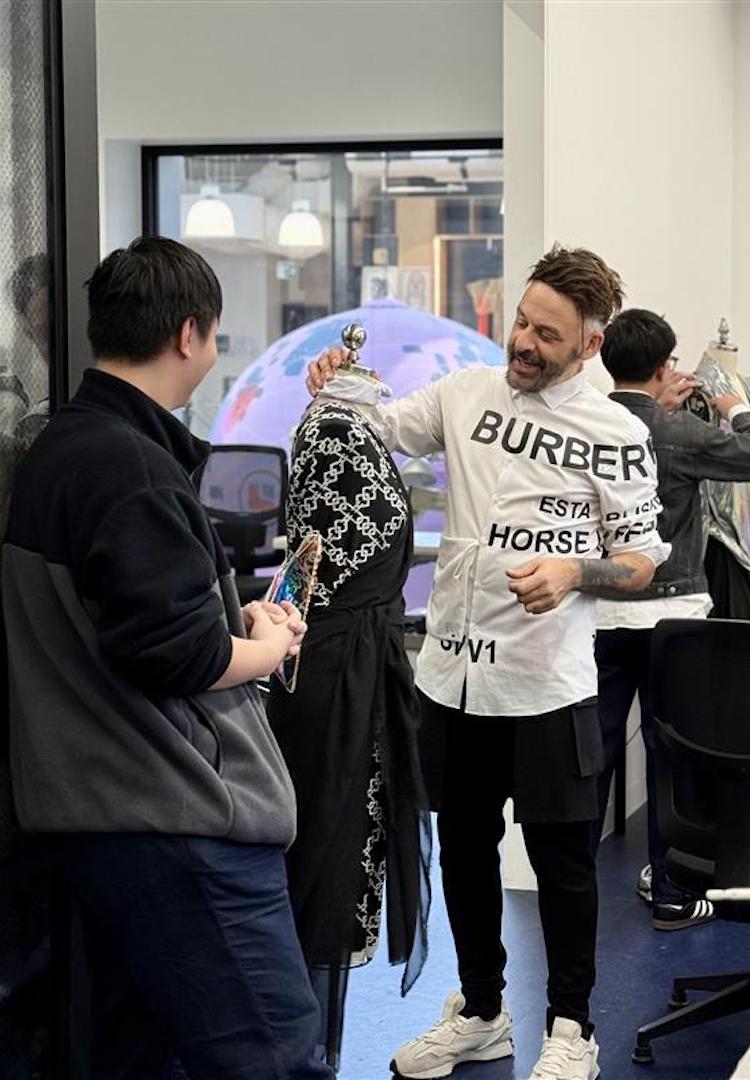
Trained by the likes of Vivienne Westwood and Joe Casely-Hayford, Darran’s formative years at Central Saint Martins inspired an academic career that eventually led to shaping the next generation of fashion talent. At LCI Melbourne, Darran encourages his students to take risks, learn their craft “obsessively” and push the boundaries of their own creativity.
“Watching a student go from tentative to unstoppable, seeing them hold a garment in their hands and say, ‘This exists because I imagined it,’ is a privilege,” he says. “My job is not to tame them; my job is to unleash them.”
Hi Darran! Looking back on your early years in the industry, who were the teachers that shaped your approach to fashion and creativity today?
London was everything. Not the polite London of postcards – the London of subcultures, raw energy, contradictions, Club Kids and couture. That’s why Central Saint Martins was the only place I ever wanted to study.
The MA program was brutal in the best way. From day one, you were trained to be fearless…You’d stop asking “Can I do this?” and start asking “How do I make this happen?”
We were taught by the best patternmakers and visiting designers. Vivienne Westwood came in and obliterated every assumption you had about silhouette, rebellion and gender. Joe Casely-Hayford showed me how tailoring could challenge norms; how you could bend structure, tension, and identity without disrespecting craft. Tailoring for him wasn’t tradition, it was intellectual provocation.
And then there was Professor Louise Wilson, the force who shaped all of us. She was brash, sharp, painfully honest. If your work was rubbish, she would say so without hesitation. But you respected her because she was connected to everyone – designers, houses, creative directors – and her opinion mattered. Louise didn’t nurture your ego; she built your backbone. She prepared you for the real world.
During that time, I spent a lot of time with Alexander McQueen, fresh from his MA. He wasn’t an icon then, just Lee. We’d talk, watch each other work. He wasn’t fearless because he was reckless; he was fearless because he was technically armed. He could cut, sculpt, pattern and transform vision into a garment. That was the biggest lesson of my life: imagination is nothing without the craft to back it. It inoculated me against creative fear. Dullness became the enemy. Failure became fuel.
What drew you to pursue a career in teaching?
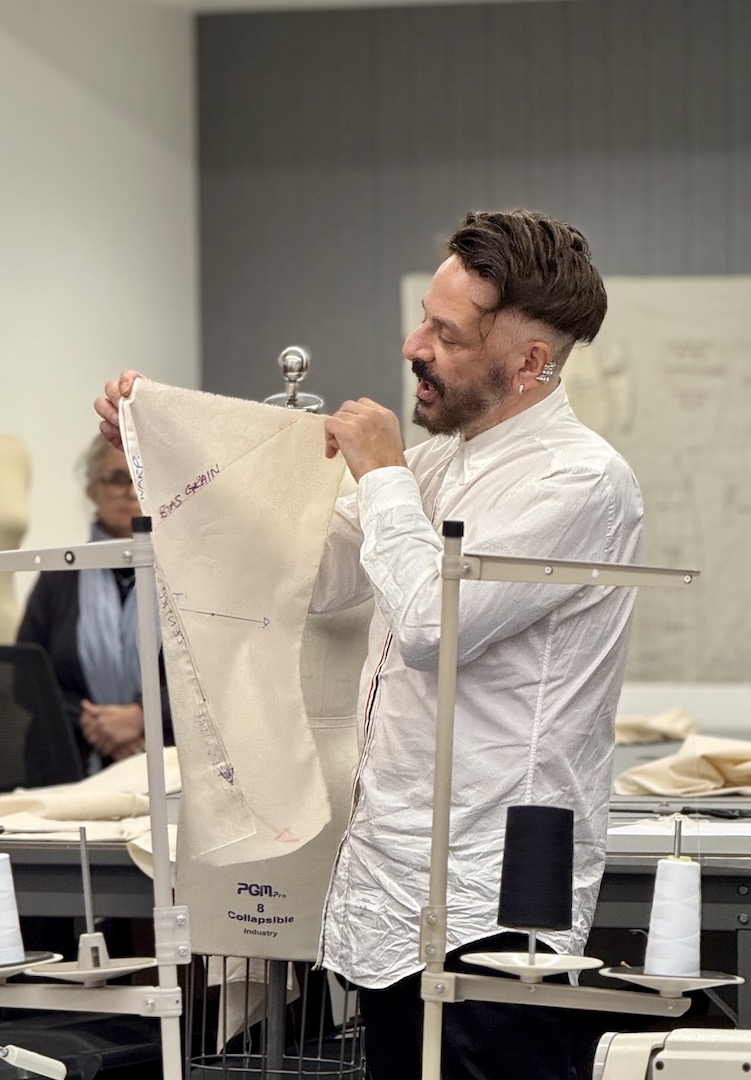
Young designers are pure instinct. They haven’t learned to bow to the industry or second-guess their creativity. Teaching allows me to protect that instinct while giving them the technical muscles to execute it.
I don’t want to produce designers who play it safe. I want to grow designers who shock even themselves. Watching a student go from tentative to unstoppable, seeing them hold a garment in their hands and say, “This exists because I imagined it,” is a privilege. My job is not to tame them; my job is to unleash them.
Are there any ‘pinch me’ moments from your design career you still think about?
My first major break in the high-end sector was working with Giles Deacon as his right-hand. It was the definition of being thrown into the deep end; fitting garments on the supermodels like Linda Evangelista, Shalom Harlow and Yasmin Le Bon. I would fly to Italy to work on his collections for brands like Daks and spend days in factories perfecting samples for Milan sales.
It was intoxicating, that feeling of being surrounded by remarkable talent, extraordinary opportunity and staggering pace. At the same time, I was guest lecturing at Central Saint Martins for both the MA and BA programs, as well as Kingston School of Art and the Royal College of Art.
I honestly don’t know how I did it all. I had a constant fire back then. I couldn’t imagine having that same stamina now, but when you’re young and living at the centre of fashion, you run off pure creative adrenaline.
And even then, it was always the moment before a runway that grounded me. The hush. The chaos that suddenly freezes. The breath a model takes before stepping into the lights. No matter how many shows you do, that moment never loses its power.
What advice do you have for the next generation of designers?
Protect your creativity as if it were oxygen. Do not let dull minds, safe opinions, or small expectations shrink your ambition. Learn your craft obsessively – pattern cutting, construction, fitting. Technique is freedom. Don’t design to please, don’t design to sell, design to express. Trends are noise, vision is legacy.
What skills have served you well in your industry?
Fearlessness backed by hard skills. Couture-level patternmaking. Tailoring, pleating, corsetry. Sculpting fabric into identity. Emotional resilience, because design [can be] vulnerable. Leadership rooted in empathy; pushing others to greatness without crushing their individuality. And the ability to see opportunity where others see impossibility.
What makes LCI Melbourne’s Fashion and Costume Design program different from others in Australia?
We don’t churn out trend-followers, we cultivate designers with voices. Heritage craft and future technology live side by side: corsetry, pleating, drape and tailoring next to CLO3D, digital avatars and immersive storytelling.
Students don’t theorise design, they produce fully realised collections with real stakes. Teaching in small cohorts, our graduates walk out with the confidence of European MA alumni: technically strong, creatively fearless, culturally literate.
What about your teaching style?
I don’t stand at a distance – I challenge them, I question them, I push them into risk. Comfort is the enemy of excellence. I refuse to allow students to dilute themselves. There is no ‘LCI aesthetic.’ Twenty students should produce twenty worlds, not twenty variations of a single idea.
I treat them like emerging professionals – not children – and in return, they rise to meet the expectation, they become designers.
Looking ahead, what excites you most about the future of Australian fashion?
Australian fashion is evolving. Designers are moving beyond ‘minimalism for market’ into ‘storytelling for soul’ – garments that hold emotion, culture, rebellion and memory. That shift excites me deeply.
LCI is at the forefront of that movement. We are raising designers who don’t ask permission to be world-class. They will not be labelled ‘Australian talent’ – they will be recognised as exceptional talent, full stop. The future belongs to the fearless, and that’s exactly who we are shaping.
Head here to launch your fashion career at LCI Melbourne.
Liked this? You’ll love these...