


Lessons in upcycling from Collarts’ fashion graduates

IN PARTNERSHIP WITH COLLARTS
WORDS BY IZZY WIGHT
“Through repair, craft and time, each garment can be given new life and continue the story of the wearer.”
It’s no secret that Australia, along with the rest of the world, is tackling a textile waste crisis. Between the fashion industry’s accelerating trend cycle and the 300,000 tonnes of clothing sent to landfill every year, it’s easy to become engrossed in a cycle of bad news.
But according to the next generation of graduate designers, change is upon us. With such a surplus of discarded material at our disposal, Collarts’ Bachelor of Design (Fashion & Sustainability) is teaching emerging designers how to work with what already exists.
For more fashion news, shoots, articles and features, head to our Fashion section.
Guided by industry veterans like Meg Parry and Tamara Leacock, the course, based out of Collarts’ Fitzroy campus, is centred around the intricacies of slow production and circular fashion systems.
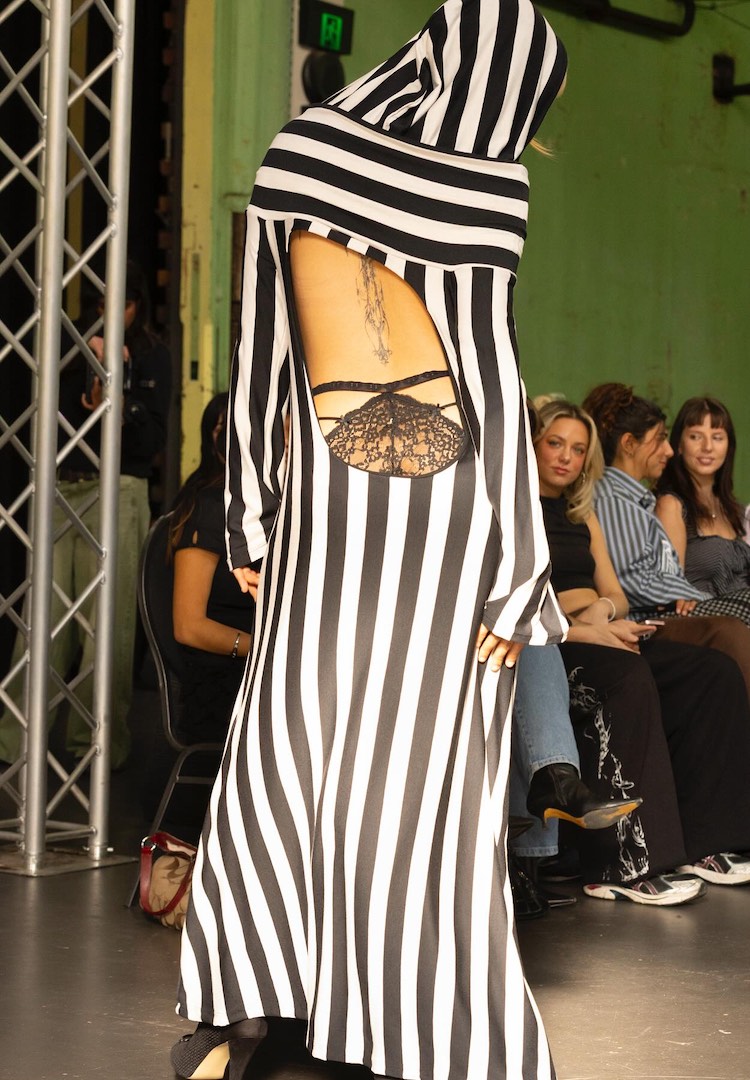
These learnings culminate in a final-year capstone project, where students have the chance to showcase an original brand identity. From innovative garment and textile solutions to experimentation with repair techniques, these garment concepts expand the scope of what upcycled fashion can look like today.
Here, four Collarts graduates share what they learned during their capstone year and how those lessons are shaping the future of their practice.
Mikayla Scott
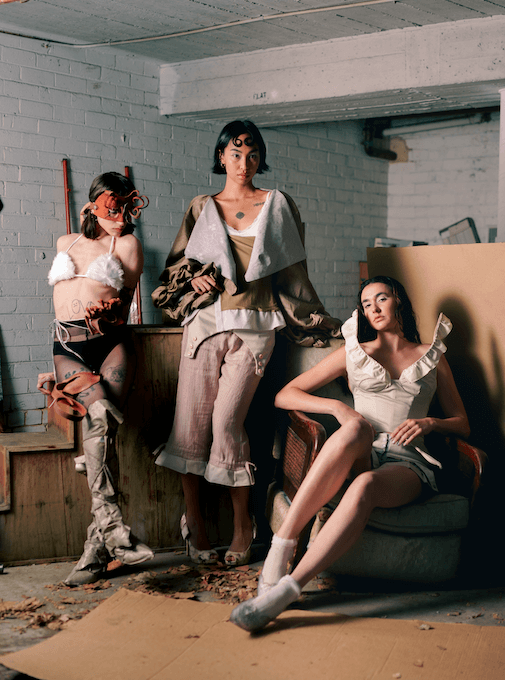
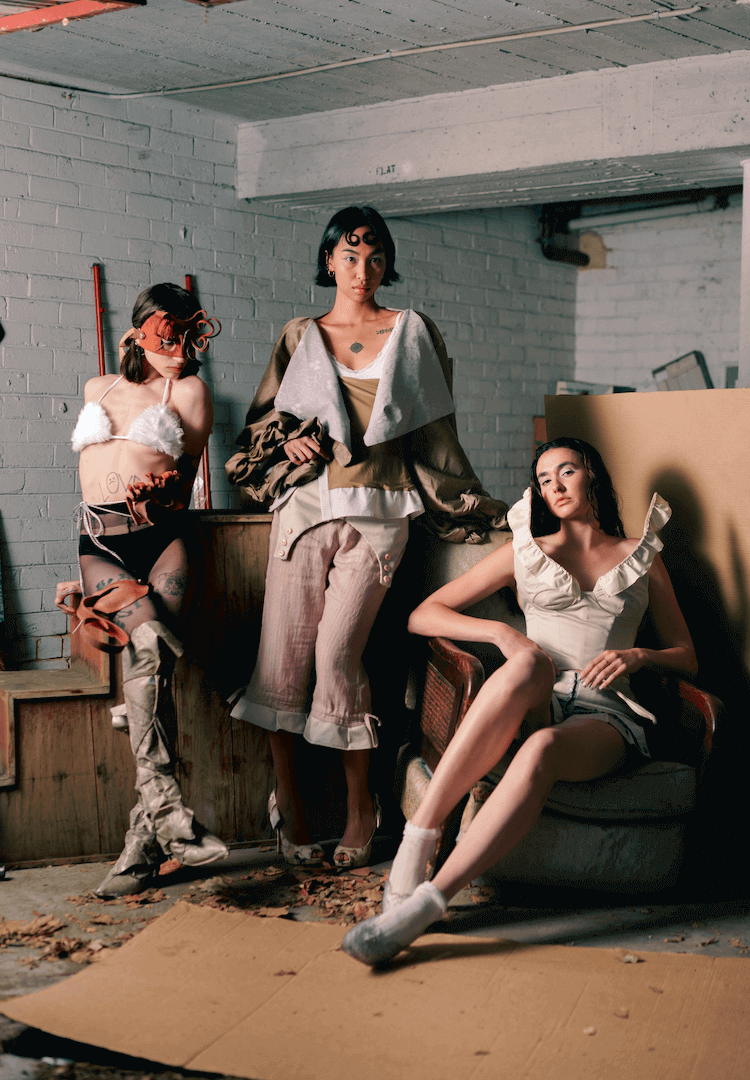
Can you tell us about your graduate capstone project, Human Remains?
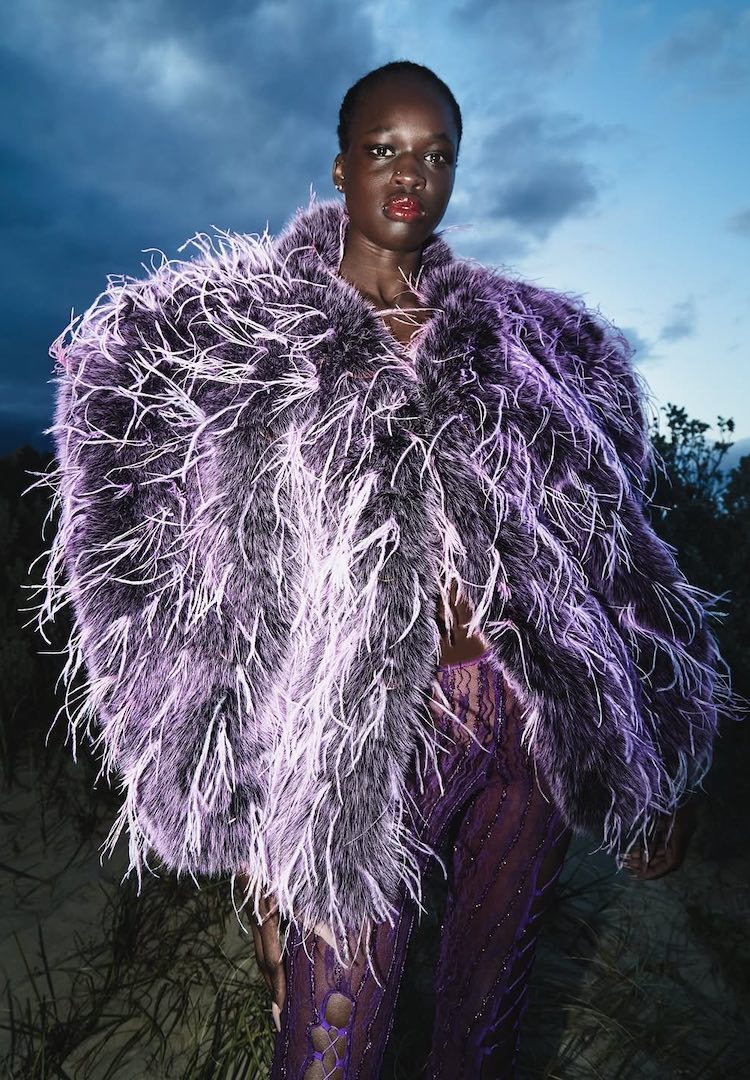
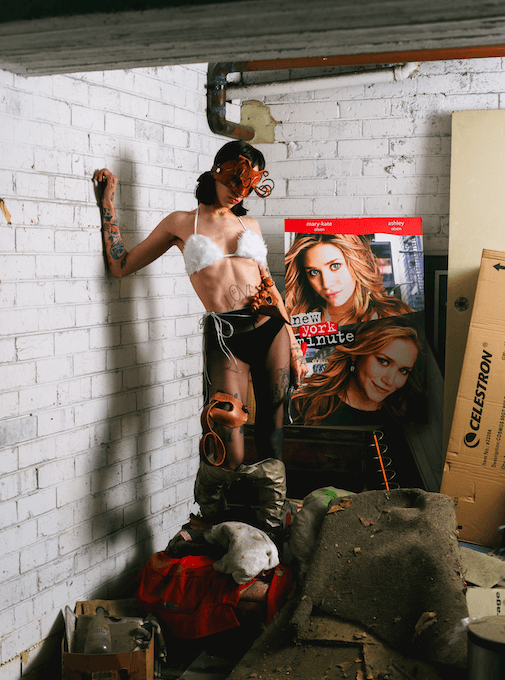
Human Remains has developed from my own aesthetic into a brand that challenges the conventional views of fashion. Throughout this capstone project, I strived to experiment with the movement and structure of fabric, and how this can communicate to an audience.
I’ve always been curious about the natural oddities that surround us… Imagination and curiosity drove this collection to be what it is… Most importantly, [it] questions the idea of what ‘the end’ truly means. [It’s about] viewing an ending as an evolution and allowing space for materials to continue their full life cycle.
Your work speaks to ’emotional and material longevity’. How does that philosophy shape your approach to design?
Much of my work is informed by the histories embedded within materials, achieving longevity through storytelling and personal connections… When a wearer can see a part of themselves reflected in a piece, or feel a sense of familiarity or curiosity towards it, it repositions the relationship they have with their clothing.
Why was upcycling important to this project?
Opting for reclaimed materials represents both a challenge and an opportunity; they carry limitations in quantity, condition and consistency, which… [encourages] a more thoughtful and responsive design process.
Using upcycled materials and deadstock was a non-negotiable in this project. [It’s both] part of my creative practice and a form of quiet activism…This collection demonstrates how circularity can coexist with experimentation, storytelling and emotional connection.
What was the biggest lesson you learned about sustainability while studying at Collarts?
Sustainability is both an individual and a collective responsibility. It is no longer a luxury or an optional add-on within fashion, but a necessity for the planet to continue to survive. Through my studies, I was drawn to the philosophies of Kate Fletcher, understanding that change cannot be achieved through surface-level solutions but requires a fundamental shift in perspective.
Callum Amor
Can you tell us about your graduate capstone project, Amend Amor?
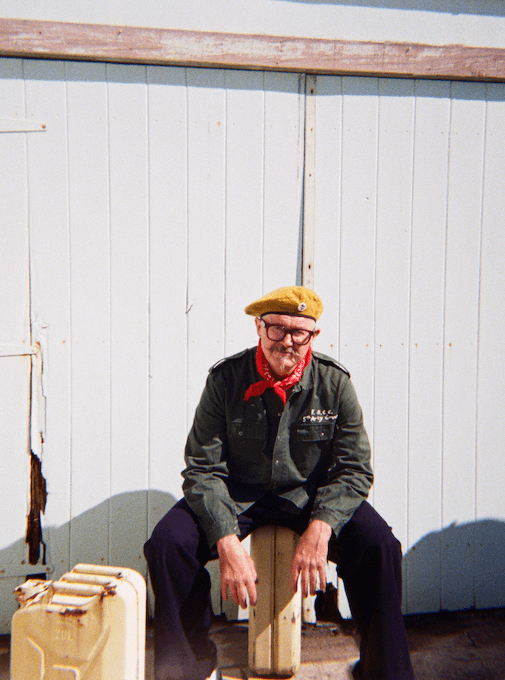
Amend Amor stems from two ideas – the first being no more ‘more’. We have so many garments sitting in landfills, our wardrobes, warehouses and in every corner of the earth. By tapping into this, we can reduce our consumption of new garments and reduce the production of new materials.
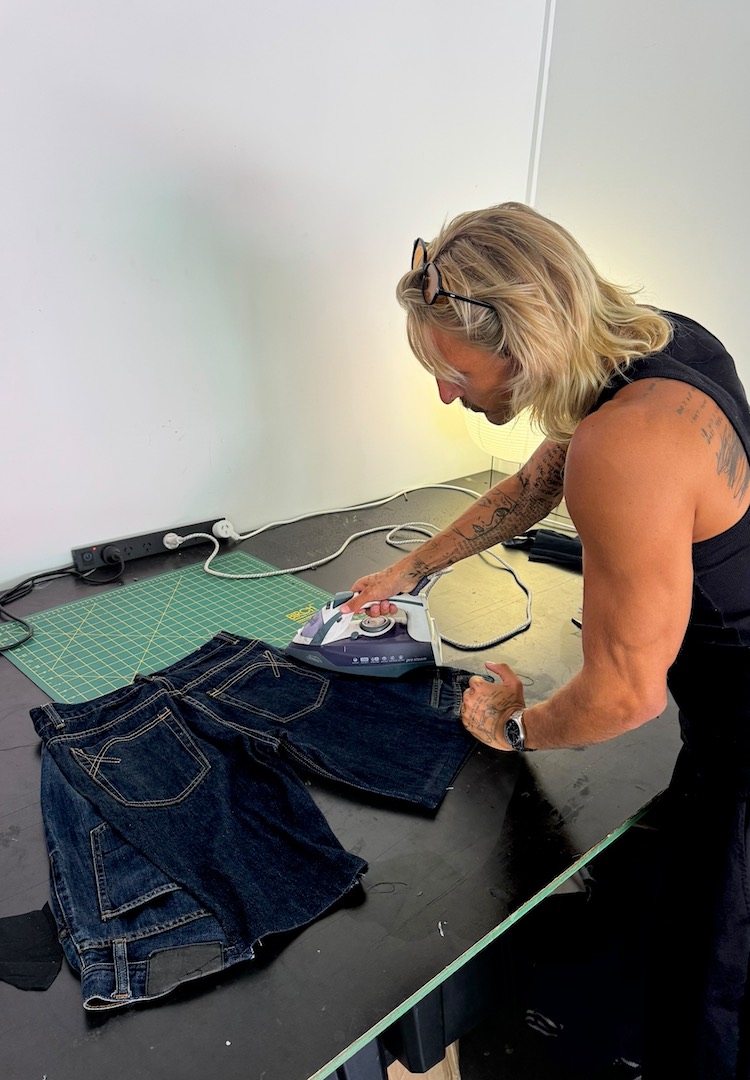
The second idea is to wear our love. Through repair, craft and time, each garment can be given new life and continue the story of the wearer. The commitment to getting a garment repaired… shows love for what we wear and a commitment to reducing waste.
What’s your approach to garment repair and renewal?
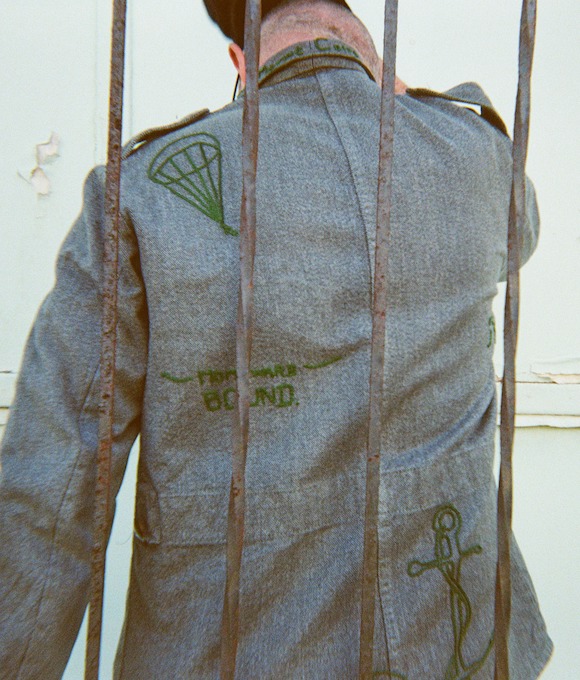
It’s been very free-flowing. [My philosophy is about] adapting to the garment itself, rather than trying to hide imperfections… This renewal is extended to cotton knit garments, through an indigo overdye service that gives beautiful hues and shades to a once-old garment.
I also wanted to give an option to add value to a garment regardless of its condition, and my love for chain stitch embroidery… is something I wanted to share.
What was the biggest lesson you learned about sustainability?
That change is possible. At times, it’s easy to feel hopeless about the future of the fashion industry… but change is happening. By focusing on building communities within fashion, people will start to care… like in Melbourne, where we have so many local brands that use deadstock materials.
Education is the most important part of a sustainable future. People do care; they’re just unaware of how destructive fast fashion is.
How do you hope people feel when they experience your designs?
I hope people feel connected… both as a community and to their garments. I want people to feel proud that they care for a garment enough to get it repaired, and proud that they care about a sustainable future.
Cala Hernandez-Godoy
Can you tell us about your graduate capstone project, Citrine?
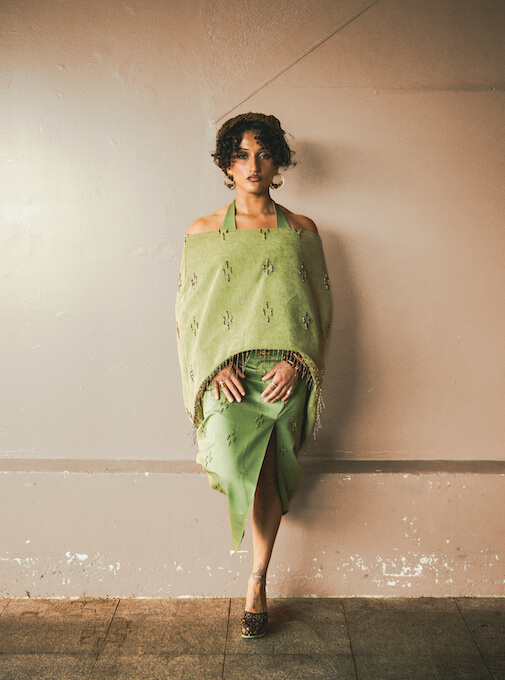
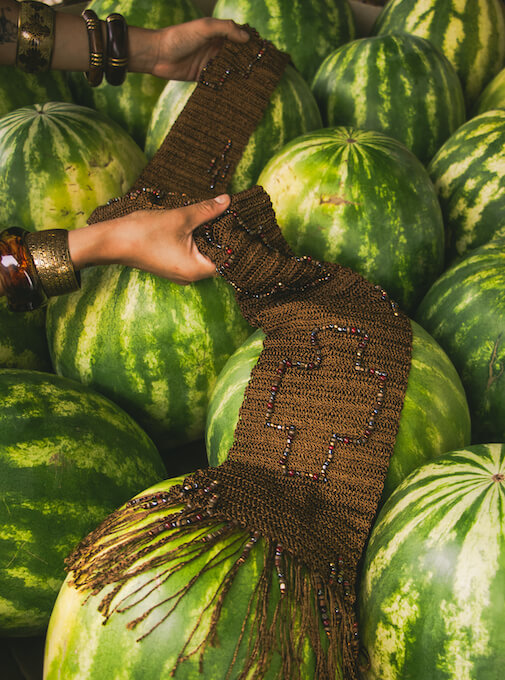
My graduate capstone collection was designed to merge my Latin American heritage with contemporary fashion design. Each piece tells a personal narrative while reflecting my ongoing commitment to ecological responsibility.
Sustainability is at the core of my brand… with the collection created using 100 per cent deadstock and upcycled materials, as well as reclaimed animal leather. Traditional hand-crafting techniques such as embroidery, crochet and slow-making methods were central to the process.
How does your heritage influence your designs and creative process?
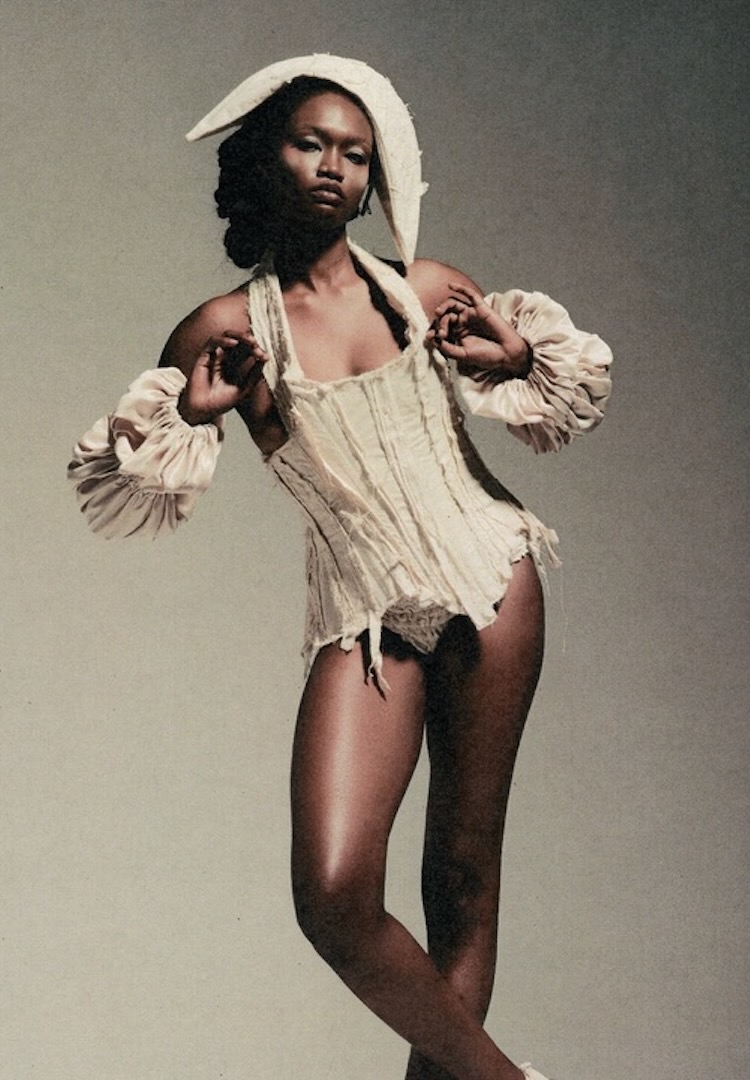
This project was heavily influenced by my Indigenous Latin American background, particularly Mapuche and Andean cultures. I drew inspiration from traditional motifs and the way Latin American art seamlessly merges creativity with the natural world.
As someone of Chilean descent, I was also deeply moved by the devastating images of textile waste in the Atacama Desert landfill. This collection acts as a response to these catastrophic sites, translating cultural identity into a broader environmental and social commentary.
What was the biggest lesson you learned about sustainability while studying at Collarts?
The creative process never truly ends, even after a ‘final’ design is completed. Viewing a design as finished can be limiting to creativity. I have learnt the importance of listening to experienced voices while also recognising the value in being headstrong and experimenting independently. Making mistakes firsthand has been one of the most valuable ways I’ve grown as a designer.
How do you hope people feel when they experience your designs?
I hope people feel a sense of cultural pride when wearing my designs, particularly those who identify with Latin American heritage. I want them to feel confident, beautiful, and feminine, while also feeling inspired to invest more consciously in sustainability. Ultimately, I hope the collection encourages greater awareness of the environmental damage caused by fast fashion and its impact on textile waste, ecosystems and communities around the world.
Alyssa Dimakakos
Can you tell us about your graduate capstone project, Second Skin?
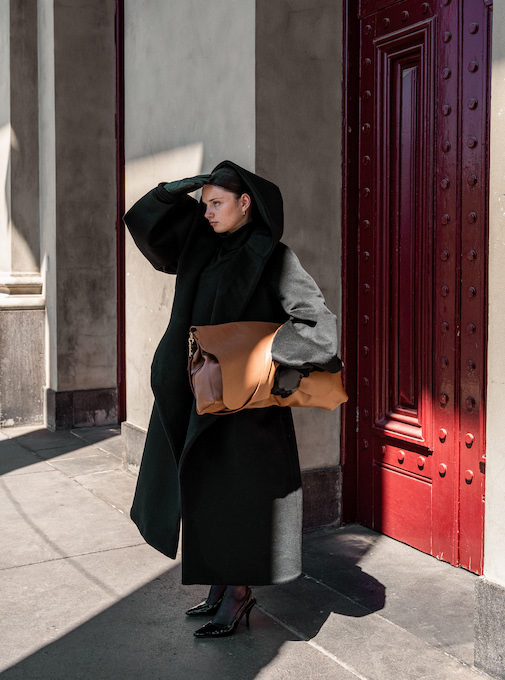
Second Skin is about the feeling of home – not as a place, but as something you carry within yourself. It came from the idea that you are your own protector, your own safe space and the one who carries your strength and happiness forward.
For me, Second Skin is a reminder that comfort, safety and confidence start from within. I wanted to create pieces that feel grounding and protective, almost like emotional armour, while still allowing softness and vulnerability.
What was the inspiration behind the collection?
A lot of my inspiration came from architecture, the elegance of 1950s fashion and the bold, unapologetic power dressing of the 1990s. I’ve always been drawn to strong silhouettes and structure, but I wanted to balance that with emotion and fluidity.
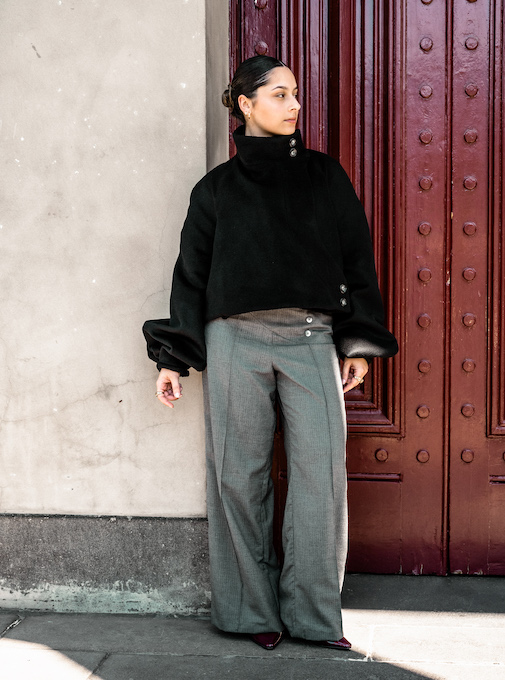
This led me to explore tailoring as something timeless, empowering and gender-neutral. I loved the idea of combining the precision of traditional tailoring with the clean, architectural lines of modern design, creating garments that feel like both armour and art. At the heart of the collection is a conversation about women’s strength and identity, and how clothing – especially the suit – has long been used as a symbol of power.
Why was upcycling and working with deadstock materials important to this project?
Sustainability was never an afterthought for this collection. It was part of the foundation. From the beginning, I chose to work with 100 per cent natural, biodegradable fibres like wool, silk, and leather because of their longevity, renewability and the way they naturally connect to the body.
These materials age beautifully and feel like they grow with the wearer over time. By focusing on slow production, made-to-measure pieces and thoughtful material choices, the collection pushes back against fast fashion and encourages a deeper emotional connection between the wearer and their clothing.
What was the biggest lesson you learned about sustainability while studying at Collarts?
Sustainability is layered and complex. Using natural materials alone isn’t enough, and many brands aren’t as transparent as they claim to be. True sustainability requires honesty, accountability and consideration at every stage – from sourcing and production to longevity and end-of-life.
Studying at Collarts really challenged me to think critically and design with intention… it pushed me to slow down, ask more questions and understand the real impact of the choices I make as a designer.
To learn more about studying fashion design at Collarts, head here.
Liked this? You’ll love these...