

At 20 I was told I had PMOS, here’s what I wish I’d known sooner
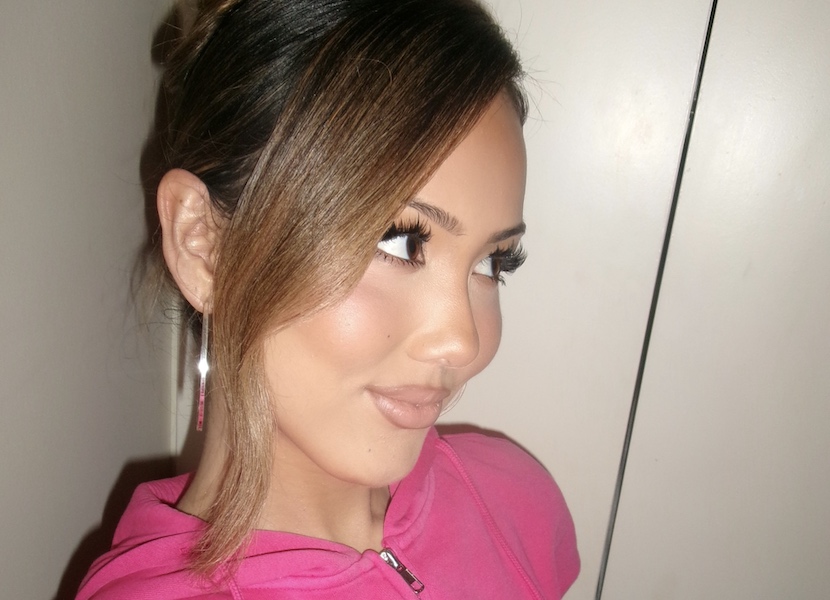
IMAGE VIA @ninagracesuzuki/INSTAGRAM
WORDS BY Nina Suzuki
“The more women speak up, the more demand there is for further research into women’s health.”
I remember the first time I heard of PCOS. I was in high school, and one of my close friends vented to me that her struggle with weight loss was due to something hormonal. ‘Polycystic Ovarian Syndrome’.
“Does that mean you have cysts on your ovaries?” I asked, curious and slightly scared. I forget how she explained it, but it sounded complex and foreign, and I remember feeling thankful I didn’t have to experience it.
For more content like this, tap through to our Life section.
Fast forward to when I was 19, and I could never tell whether my period would come every 20 days or every 40. My mood was awful a lot of the time, often worsening in the days leading up to my period. I booked an appointment with my GP, blissfully unaware that I was experiencing symptoms of what is now called ‘polyendocrine metabolic ovarian syndrome’, or PMOS.
Being an IVF baby was something that was ingrained into my identity all my life. I was deemed a ‘miracle’, and my determined mother had to go through three rounds of in vitro fertilisation before she successfully had a baby.
I remember her telling me her story, that she had a cyst on her left fallopian tube and her right one was blocked. She was told by doctors that she wouldn’t be able to have children. Yet it never really occurred to me that I might have my own issues with fertility.
After a few doctor’s appointments and a rather uncomfortable internal ultrasound, I discovered that I ticked two of the three criteria that are required to be diagnosed with PCOS. I remember my stomach dropping at the thought of being ‘infertile’, and feeling irritated and hopeless at the fact that there was no cure.
And that’s not to mention the overwhelming feeling of having a life-changing medical diagnosis. Though, in a way, it was validating that my concerns with my period and mood were being taken seriously.
It felt even more confusing learning that now, at age 22, the term PCOS was changed to PMOS because not all those who experience it actually have cysts on their ovaries. My own research showed that there were different types of the condition and different extremes people could experience, and I still didn’t know where I fit in the midst of it all.
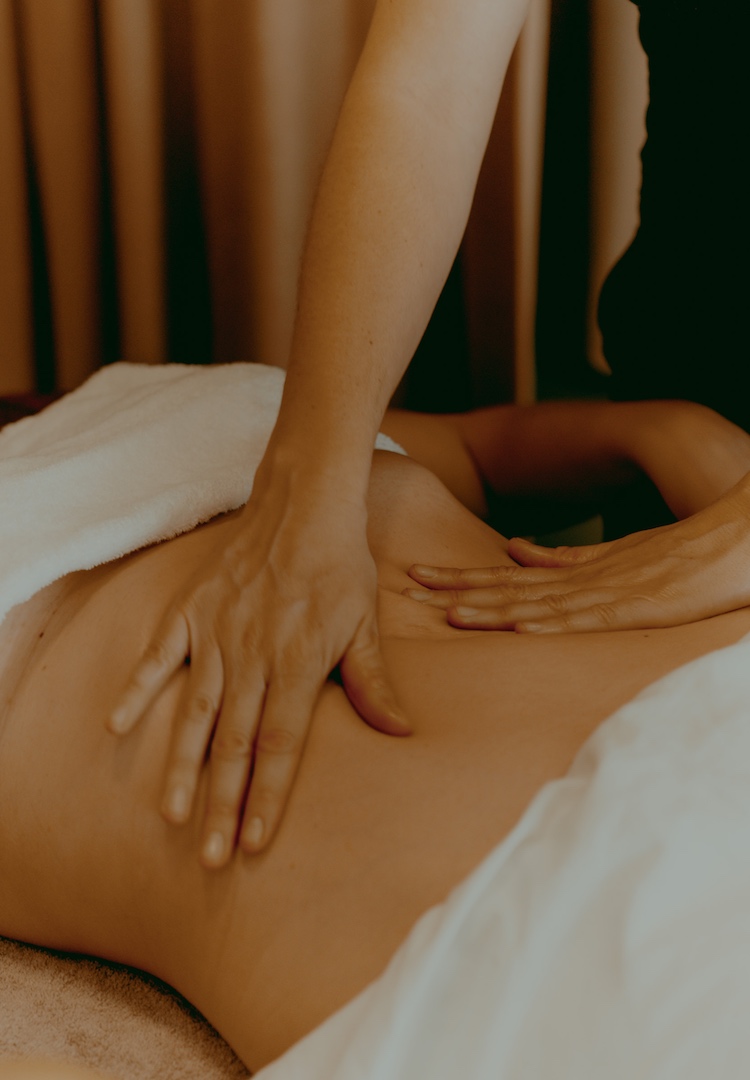
I felt uncomfortable in my body, and my weight was constantly fluctuating. I tried to go on birth control, which was not for me, and ended up getting acupuncture to help manage my symptoms and regulate my cycles.
My encounter with Angie Kent on the F Chat Podcast created by IVF Australia was vindicating. I hadn’t seen a woman speak so unabashedly about being diagnosed with a hormonal condition.
Even though I technically knew that PMOS affected many women, I’d never spoken to someone else in real life who had experienced it and was willing to share what it was like for them. This inspired me to be a part of a bigger conversation surrounding fertility, so more women can feel seen and supported on their journey with PMOS.
Now, I’ve had to slightly change my lifestyle and habits. Taking supplements to regulate my blood sugar every morning, incorporating light exercise and strength training and prioritising high-protein, nutrient-dense meals. And the occasional acupuncture session if I feel like I need it.
It’s not perfect, but it’s okay. It’s just something that I have to maintain and it helps to be gentle with myself along the way. It makes me hopeful that anyone questioning their hormonal health can advocate for themselves and seek further help without fear. The more women speak up, the more demand there is for further research into women’s health.
Read more about PCOS here.
Liked this? You’ll love these...