


Why do I feel like crying after a massage?
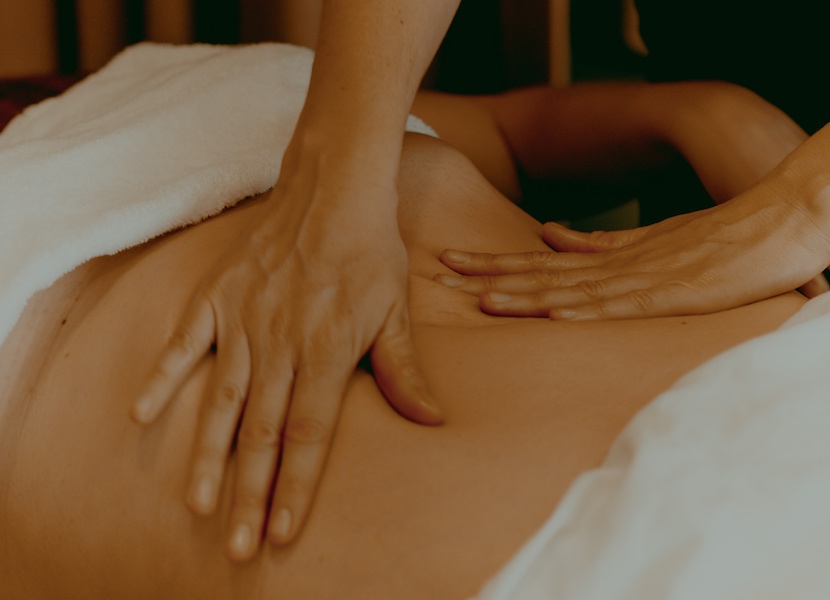
image via @bodyworks______/instagram
words by daisy henry
“There’s a vulnerability required to let go.”
Whenever I have a massage, I typically leave the studio feeling either blissfully relaxed or sore (in a good way). Until recently, I’d never left a session on the verge of tears. It was a new experience, to say the least. I drove home, cancelled my plans for the night, put on my cosiest clothes, jumped straight into bed and cried.
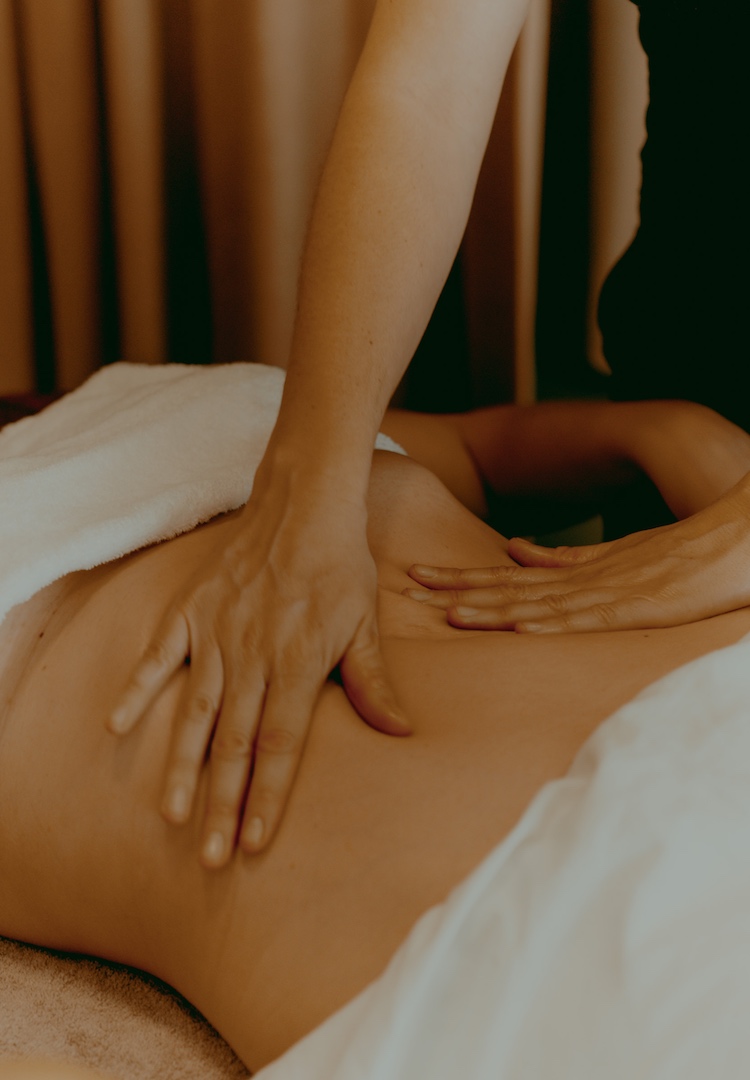
It happened a couple of weeks ago when I was invited to Bodyworks, a holistic massage space based in Fitzroy North. The appointment, which went for two hours, started with a thorough consultation. Bodyworks’ founder, Georgia Jane, asked me a series of questions about how I was feeling – not only physically, but emotionally and mentally.
For more perspectives on wellness, head on over to our Health section.
Rather than choosing a standard treatment from a menu, Bodyworks’ signature sessions are prescriptive and tailored to you. It’s designed to treat the body as a whole, and practitioners look beyond the physical when forming a diagnosis. While it can incorporate remedial and relaxation massage techniques, there’s a strong focus on breathwork and tension release.
During my treatment, what struck me was how difficult I found it to fully relax my face and muscles, and to let myself fully exhale, like I was coming up against some kind of resistance. By the next day, I felt lighter, as though a load I didn’t realise I’d been carrying was lifted off my shoulders. I’d left massages in the past feeling relaxed, calm, looser or tender before – and I felt all those things – but I felt almost as though I’d had a therapy session as well.
However, it did leave me wondering what it is about having a massage that can leave us feeling so emotionally vulnerable. And according to Georgia, there’s not one clear-cut answer.
Fashion Journal: How often do you have clients cry or leave a treatment feeling emotional?
Georgia: It’s really common, and I often have clients emailing me post-session saying they had a big release as soon as they got in the car or when they got home. It’s not every single time, and it’s not our intention or goal to ‘make’ people cry (haha). But we do understand that tension in the body isn’t always just physical. Tension can be held and felt in the body when we have incomplete stress cycles, repressed emotion, or something in our brain or emotions that is ‘stuck’.
When we create the conditions for people to deeply feel what is happening in their body, as well as support them to move the tension, the emotions can get unblocked and find their way out. If a release doesn’t happen within the session itself, sometimes it can bubble up in the privacy of your own space, particularly if you’re not used to being vulnerable in front of other people.
Why do you think massages can stir up emotional responses in people? Is it to do with physical touch, being in a safe space or something else?
I feel it’s a combination of all of the above. It happens sometimes that people walk in the door and almost immediately tears start flowing; they’re almost taken by surprise and say things like ‘I didn’t know I was going to feel like that!’
I feel that we all know to some degree that we don’t always express everything we want to. We fight back tears or put on a brave face. Our culture certainly leans towards being accepted, strong and keeping it all together. There’s a vulnerability required to let go, and not all spaces are conducive to that.
Because of the way I talk about bodywork, and my personal experience, people know and feel this is a safe, non-judgmental space where they can let go of whatever it is they’re holding. And that permission to purely be in the felt experience without having to analyse and explain is liberating.
What happens in the body and nervous system during a massage that can cause an emotional release?
Speaking from my personal experience and experience of facilitating and witnessing emotional release, when we have to show up in our lives, hold down our jobs and interpersonal relationships, the fullness of life leans towards us ‘keeping it all together’, and this can intercept our innate ability to process emotion.
When we get on a massage table and we can fully let go, our nervous system switches into parasympathetic. We digest experience, repressed emotion, stress, anxiety and thoughts. When our tensions are being encouraged to shift and move, whatever was creating that tension can begin to free.
An emotional release can look different but it can involve some or all of the following: lightheadedness and dizziness, heat, involuntary shaking and trembling, tetany (involuntary tensioning in the hands and face), crying and sobbing.
Are certain types of massages or treatments more likely to trigger this?
This is a great question because I think it’s easy to assume that there are specific techniques and it’s the massage itself and something that we are ‘doing’ to create an emotional response, and what I have come to know is that this is not entirely the case.
Massage is a collaborative process. Yes, we use our hands and different techniques to create stimulation and down-regulation in the body, but we can’t let go for you. Over the eight years I’ve been treating clients, I know that not everyone is ready to feel deeply, release what they’re holding and surrender into a state of letting go.
For me, what facilitates emotional release is creating an environment where people can feel they can be themselves. Building trust and safety is imperative. And also setting intention and understanding that release can happen and it’s okay if it does. This is all to prepare the mind to get out of the way if the body wants to spontaneously let go of something. One thing that is almost always a part of emotional release is the clients capacity and willingness to use their breath to meet what is arising.
If someone left a treatment feeling emotional, what should do they do afterwards to process the experience and take care of themselves?
Drink lots of water, prioritise rest, journal and write whatever is coming up – burn it if you need to! Go for a walk, spend time in nature, allow the feelings to keep moving through you as they come.
Find more from Bodyworks here.
Liked this? You’ll love these...