

Horny, haunted and historically inaccurate: A “Wuthering Heights” review
words by alexcea apostolakis
Warning: spoilers ahead.
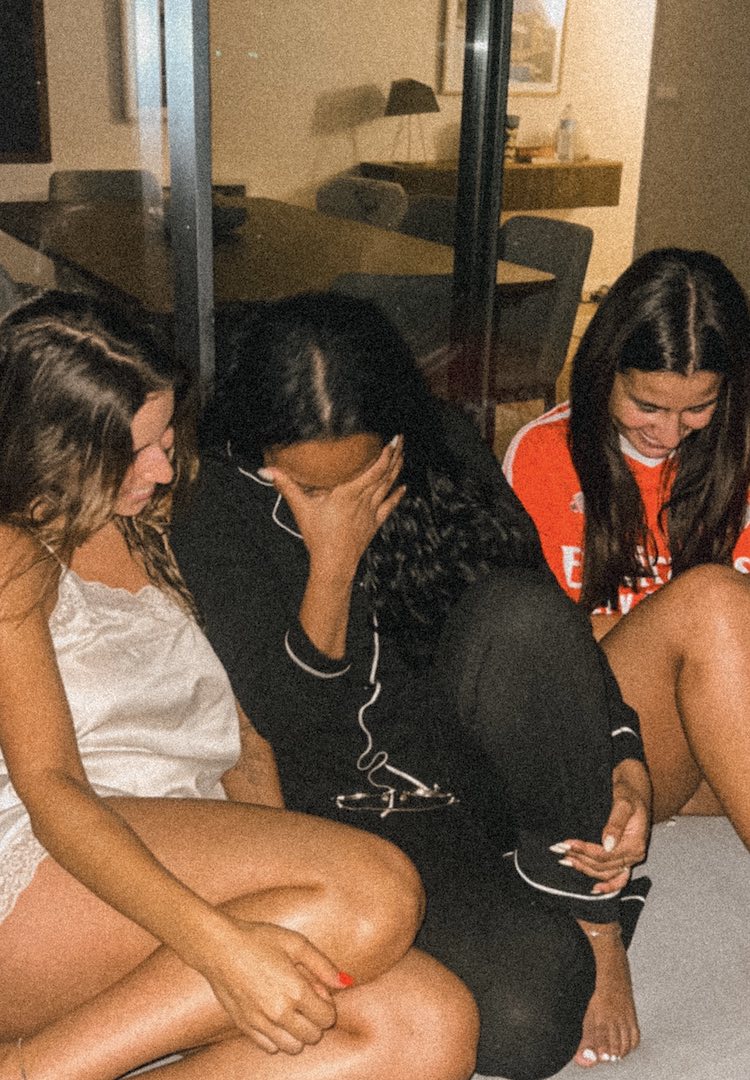
Yearning is so back and I am all the way in. Last week, my friends and I flocked to Cinema Nova to see Emerald Fennell’s hotly-anticipated “Wuthering Heights”. My friend Beth booked the perfect seats in a crowded theatre – it being the national premiere, the estrogen in the room was high to say the least.
I’m just going to say it: the film was perfect. I give it a 9.5 out of 10. The only reason it loses half a point is that it should’ve been three hours longer.
Interested to hear how others navigate the world? Head to our Life section.
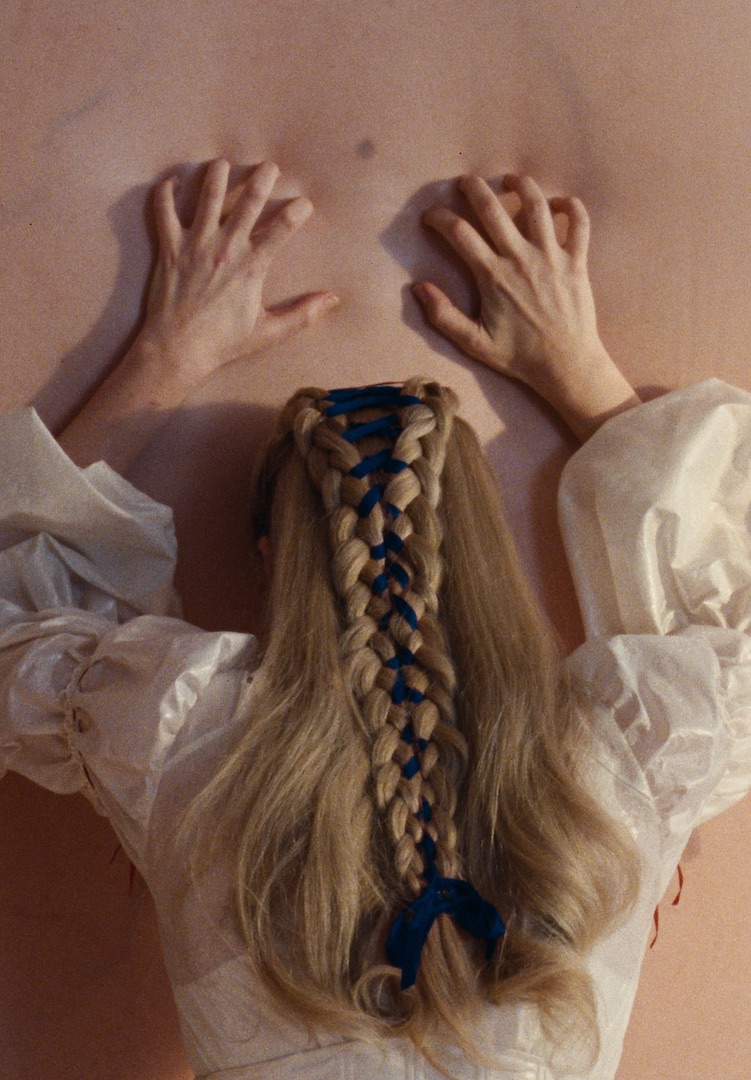
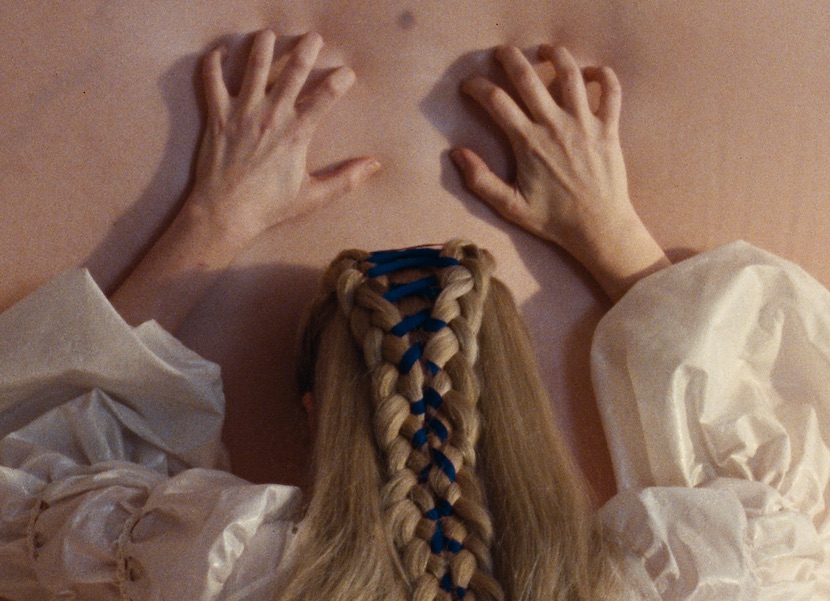
One of my favourite moments (I’ll be saying this a lot) was the opening title sequence. A young Catherine and Nellie running through the windswept moors, their youthful giggles and flowing locks set against gloomy thundering skies. It was pure girlhood and imagination, hinting from the get-go that this is less of a book-to-film adaptation and more of a fantastical projection of the classic Brontë story.
My pure enjoyment aside, I’ve been made (very) aware this week that some didn’t take to this film like myself, a metaphorical moth to the metaphorical flame. I’m open minded, but I must concur all the bad reviews have to be fake, or written by some bitter old Borris who doesn’t understand the sentiment of passion and unrequited love.
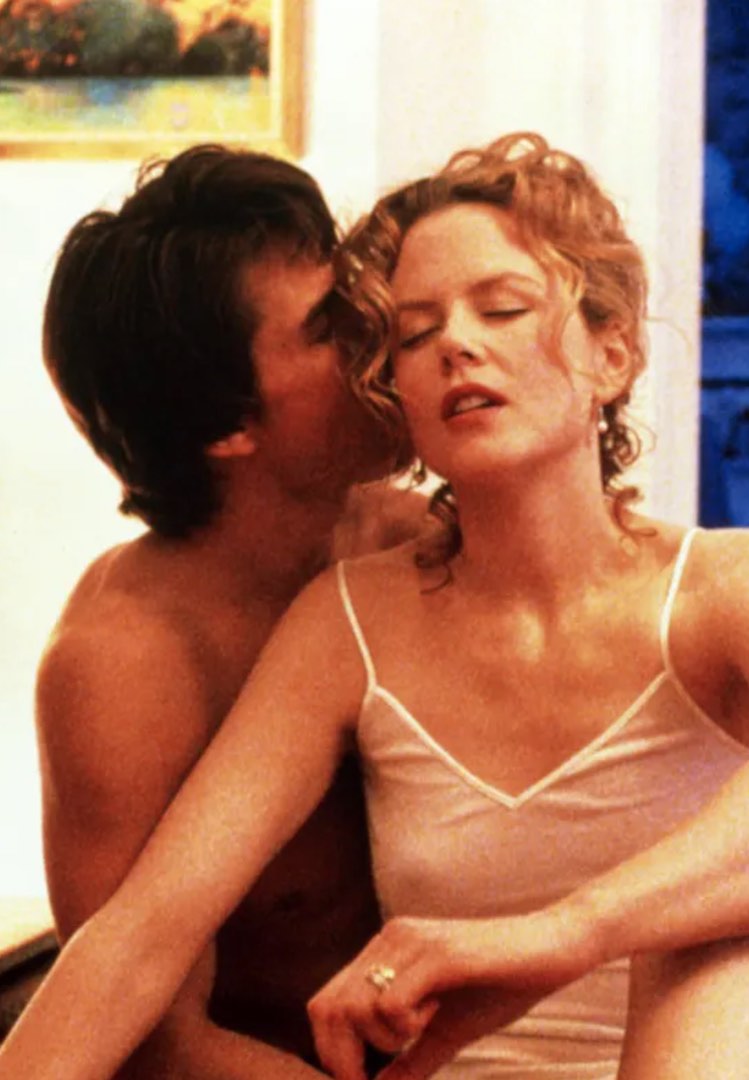
Most of the negative reviews focussed on the sexual nature of this adaptation. A few Rotten Tomatoes reviewers deemed it “depraved and sickening”, “Too gloomy… too much sex!!”, “Grotesque… soft porn”. To that I say: okay, and? God forbid a woman is horny. For me, it hit every mark. It was camp. The set design was indulgent. I didn’t want to risk blinking for missing a single moment.
I’ve seen the discourse around casting a non–person of colour actor as Heathcliff, and it’s a fair point. But the film never claims to be a strict period piece, it feels more like a fantasy projection (albeit a white-washed one) than a faithful recreation. In that sense, Jacob Elordi embodies less a historically-accurate Heathcliff and more the ultimate modern-day crush.
What’s interesting (and less talked about) is casting Shazad Latif as Edgar Linton. Edgar’s character in this version is more emotionally intelligent, he acts as the moral centre, subtly shifting the power dynamic. There’s power in shifting moral gravity toward a character of colour, allowing him to be measured, desirable, and potentially more compelling than the so-called romantic antihero. In a story centred on obsession, that subversion feels not only thoughtful, but actually quite radical.
Throughout the film it’s like you’re flicking through a storybook. There are so many ornamental and lavish settings, but one of my favourite scenes came from a grittier moment. When Earnshaw is dying (I did warn for spoilers), his yellow, decaying body is framed by absurdly towering piles of green glass bottles. His own addictions became something larger than himself, a demise by his own hand, a total mess.
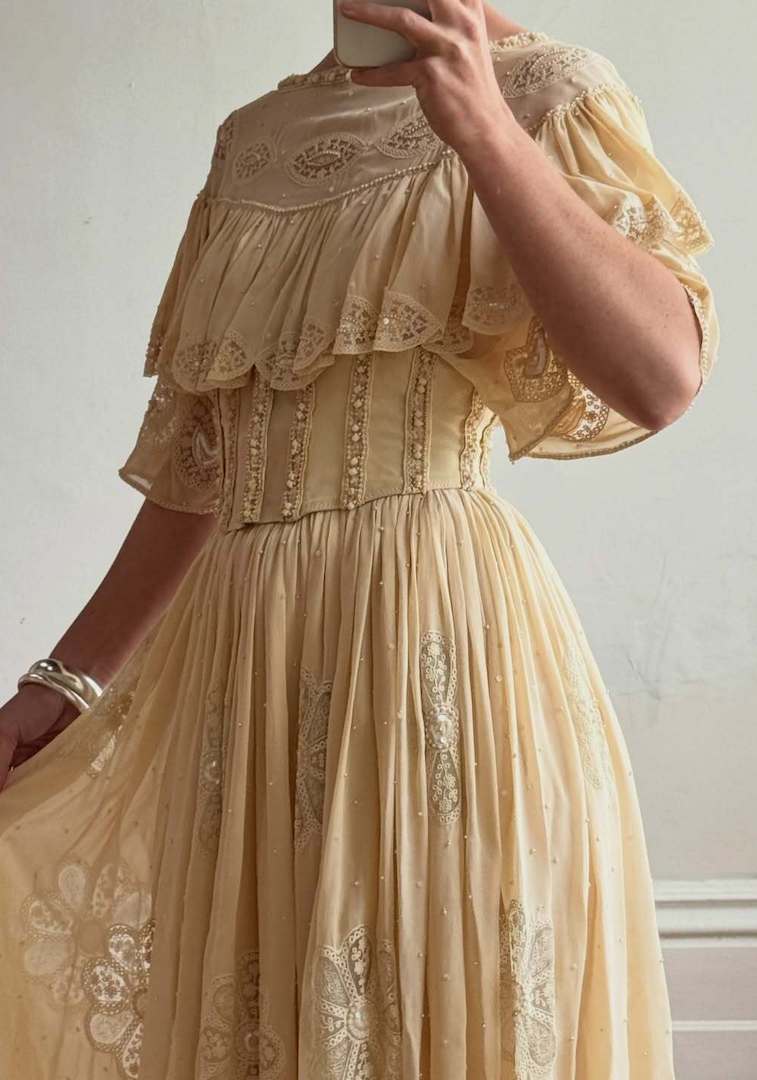
The costumes were like pieces of art. As an art history nerd, I can get around the creative liberties taken here. I think as a society, we can all benefit from seeing a red latex gown, a shimmering organza night dress and vintage Chanel jewellery used in the film, despite their historical inaccuracy. As mentioned, this felt like a projection of self into the classic story, so to me it makes sense that you’d imagine the most perfect and modern garments, too.
This film really had it all. A tragically beautiful love story, elements of thriller with a gothic edge, brooding English moors, bows, horses, and Jacob Elordi with a gold tooth (something I didn’t know I was into until now).
I’ve tried to reject the Jacob Elordi propaganda for a while. There’s no way one man can be so dashing, tall, handsome, earnest, talented, and kind. I was not buying it. Then I watched Frankenstein and was like damn, okay, this guy can act. Needless to say, after “Wuthering Heights”, I’m drunk on the Elordi Kool-Aid and baby, my tongue is stained red!
For the sake of the fact that my dad reads my articles, I won’t dive too deep into the topic of the sexy stuff. I will say this, however, during one of the film’s many steamy scenes – I really can’t make this up – the lens of my glasses popped out of the frame and went flying across the room. This was followed by a Velma Dinkley-esque sequence of me padding around in the dark trying to locate the runway lens – jinkies!
My one disclaimer before seeing the movie. If you have a lingering love, a toxic situationship, a bad crush… delete their number before seeing this. The yearn factor is turned all the way up and you may be inspired by a few of the not-so-R13 scenes to reach out to that person. I would say learn from my mistakes but hey, you do you!
It was a cathartic viewing experience, the whole theatre blushing, gasping, giggling and sobbing altogether. In a moment towards the end of the movie, while crying in the dark with strangers, I had a gut-wrenching thought about the endurance of Emily Brontë’s writing. The preservation of women’s stories is important, and telling them and retelling them is unifying and validating. The story of Wuthering Heights has seen multiple renditions and adaptations in film, on stage, and in song, because the feelings persist! Love is real, but so is loss.
“Wuthering Heights” is an exploration of womanhood, female desire, and of course heartache. The past and the present melded together, intertwined more than ever, through Emily and Emerald’s visions of love and lust. It left me feeling inspired and proud, to be a woman and a writer.
In this modern world, I think this movie can be seen as more than a sexy little love story. It felt to me as a small reminder of our humanity, that we all need to love a little harder, and say what we mean!
For more on Wuthering Heights, try this.
Liked this? You’ll love these...