

How I Do It: Illustrator Monica Keeler on breaking out of a creative rut
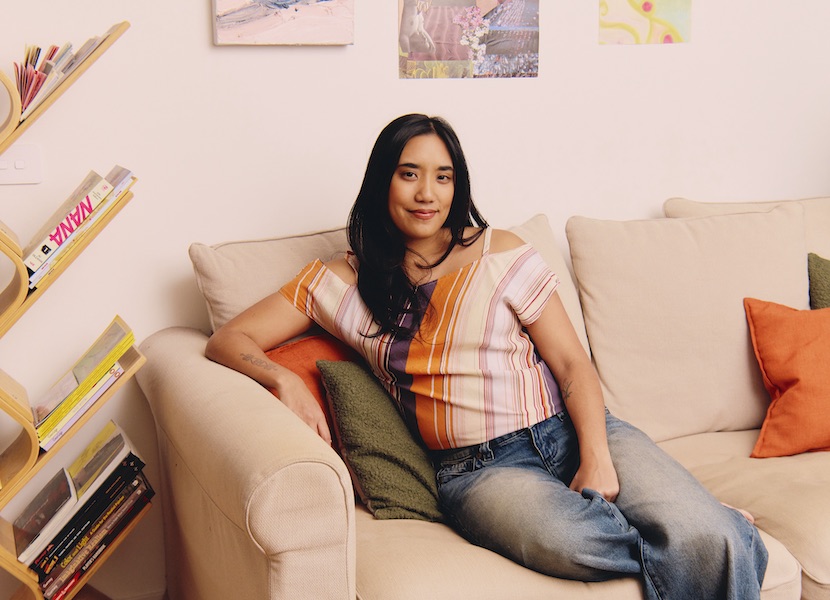
“I used to equate guilt to discipline. Now I value taking a break, grounding myself and collecting inspiration.”
Spotlighting local, creative talent has long been a focus at Fashion Journal. From designers to photographers and beyond, we’re always curious about what happens behind the scenes. In collaboration with Adobe, our new series, How I Do It, asks creatives across disciplines how they bring their ideas to life, from concept to final form.
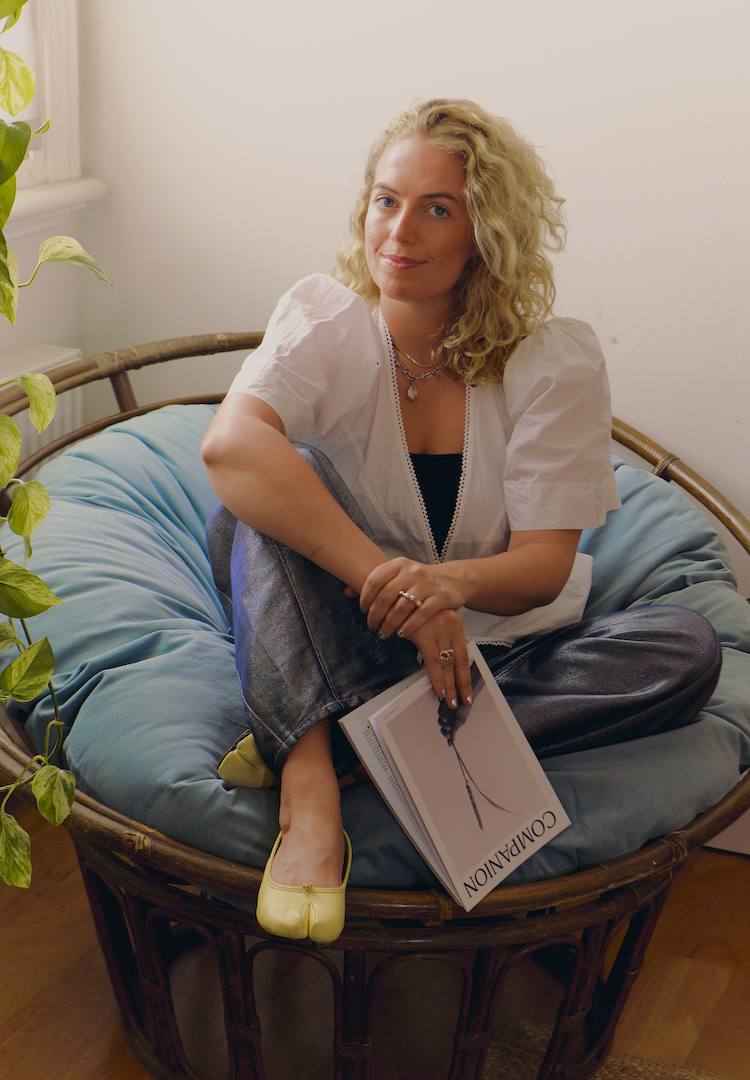
It’s particularly heartening to watch someone turn their childhood pastime into a successful career. While some of us dreamt of being princesses or fire engines, Monica Keeler always knew she wanted to be an artist – even if she wasn’t sure how to get there.
For more content like this, tap through to our Life section.
Known for her soft, textural illustrations and cutting-edge game design, the multi-hyphenate Melbourne artist acknowledges she’s always felt creatively inclined. Drawing was one of her favourite pastimes growing up, and after pursuing a variety of arts subjects throughout high school, she enrolled in a Bachelor of Design (Games) at RMIT.
“Doing a Bachelor’s Degree was always a part of the plan,” Monica explains. “But not knowing much about the industry, I didn’t know ‘illustrator’ was a job I could pursue. “Because video games are a form of media in which all the arts – animation, sound, music, art and design – overlap, I knew there would be a role for me somewhere. The course helped me to develop my skills and narrow down my niche.”
It wasn’t until two years after Monica graduated, however, that she was approached to do illustration work for artisanal Filipino dessert spot, Kariton Sorbetes. “I was recommended by a fellow Filipino who I crossed over with in high school… Clients and opportunities began to snowball from there.”
Finding creative balance
The intersection of illustration, game design and storytelling is what makes Monica’s role as a UI (User Interface) and UX (User Experience) Designer at Melbourne studio Ghoulish feel especially unique. “The game we’re developing at the moment has a strong visual style, with very painterly, rich backgrounds and a story set in 2006. We wanted the UI to feel seamless and reflective of that.
“I’ve been able to really pull in my style and voice, delving away from standard clean and sleek UI to something more maximalist, visceral and representative of the time period,” she explains.
“I think we’re at a period in design where we find a middle ground between being expressive and experimental, while still meeting accessibility needs. What I’ve learnt doing UI for Ghoulish has bled into how I feel about graphic design at the moment… The design and arts community now seem to be gravitating towards mixed media and blending the old with the new.”
Bringing different disciplines together
While Monica has always created vibrant, whimsical work, she emphasises the importance of experimentation and curiosity. “Visually, my art is a culmination of my different roles across illustration, UI and branding, where the diversity of my experience lends itself towards fusing opposing techniques and aesthetics,” she tells me.
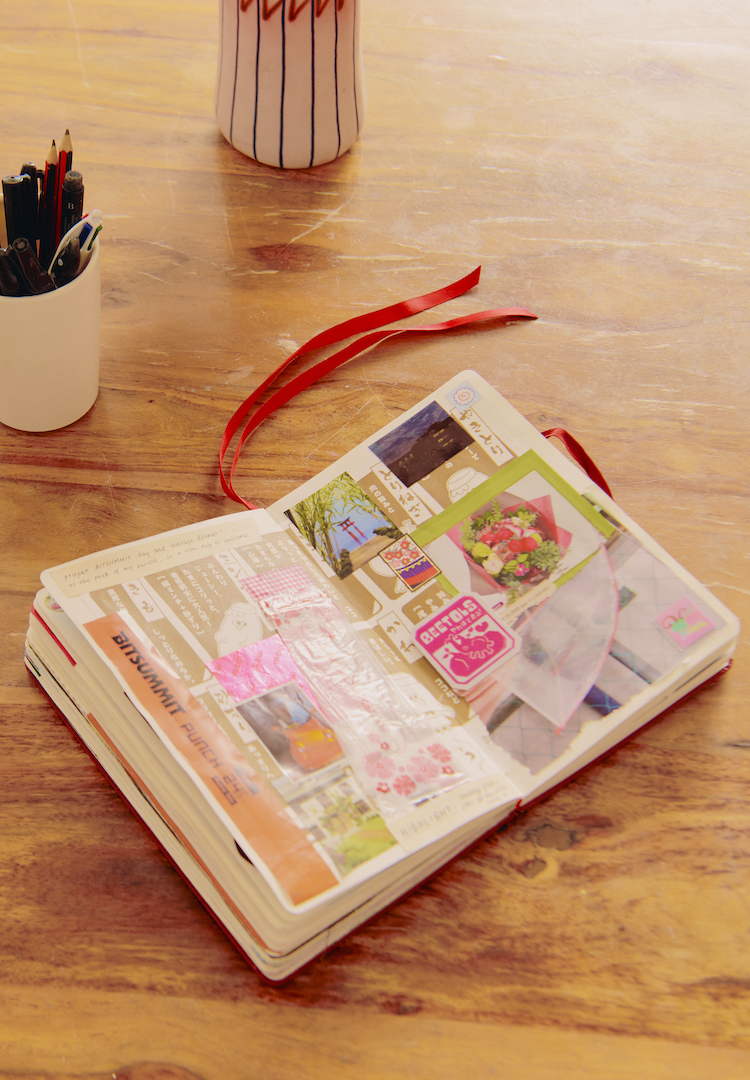
Monica’s creative process always begins with gathering inspiration – whether from film, painting or the natural world – before organising her ideas on moodboards. “I find threads to hold on to and connect, and then I identify patterns, whether that’s in colours, textures or composition. And then, specific imagery sparks! Fruits, flowers, fish, bugs, organs and mould are my current hyperfixations.”
When it comes to putting pen to paper (or laptop, or tablet), Monica turns to Adobe Illustrator, a program she says has been her “best friend” since studying game design. “My friend first introduced me to the Pen Tool in Photoshop, where I would create shapes and then add texture using different brushes. After that, I discovered Illustrator, where the Pen Tool helped me create vector art. This became a base for most of my work ever since.”
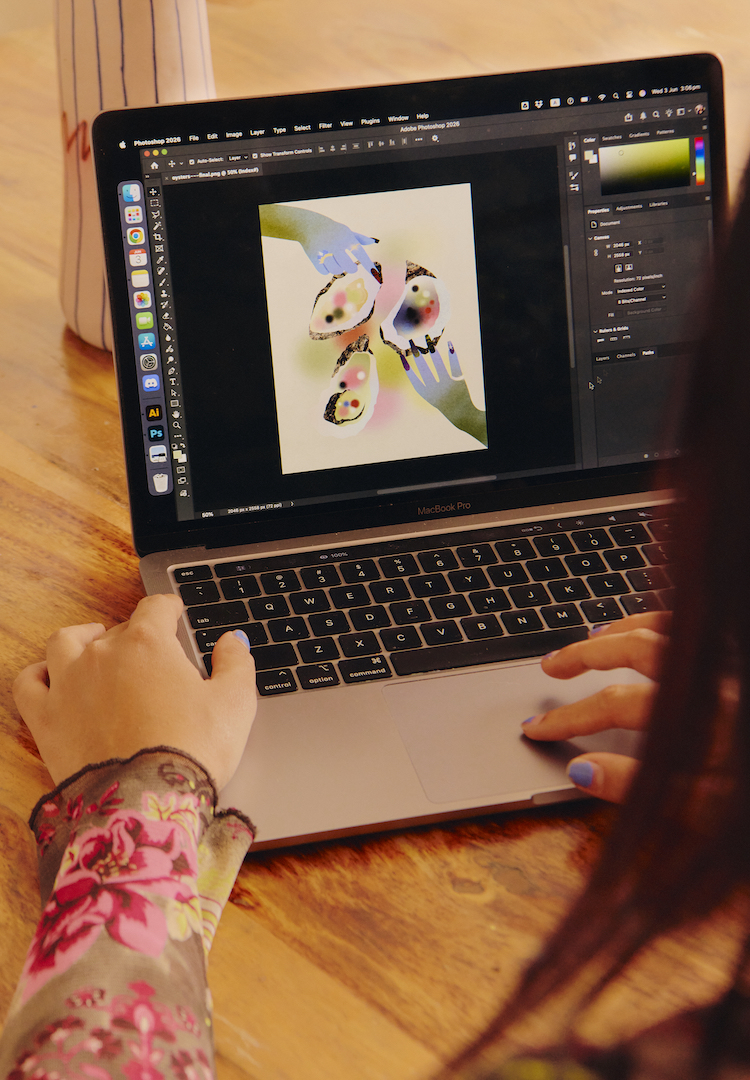
Moving between Illustrator and Photoshop, Monica uses the Pen Tool to create basic shapes and manipulates Layer Masks to incorporate photos into her mixed-media works. “I also use the Image Trace Tool to get interesting and unique outcomes from my pictures.
“Once I get the base, I move into Photoshop to add more texture. I always come back to airbrush and gritty textured brushes, as well as noise or paper overlays. I also go crazy with blend modes,” she explains.
“Importing hand-drawn elements into Illustrator has been such a time-saver… converting my raw sketches into clean vector paths saves me from manually tracing over my drawings with the Pen Tool. I can then jump straight into colouring and refinement.”
Why structure matters
Balancing a part-time role in game design alongside eLearning and freelance contracts, Monica often found the creative juggle challenging – until an ADHD diagnosis brought greater clarity to how she works best. “I was only diagnosed with ADHD just under a year ago, at the ripe age of 28, which was the first step towards understanding what was needed for me… Management and prioritisation are challenging, which is why having a morning routine, a thorough Google Calendar and asking for solid deadlines is essential,” she says.
Above all, Monica now understands the importance of stepping away from the desk. “Being surrounded by like-minded people who are amazing at what they do and lift each other up… that keeps me inspired,” she says.
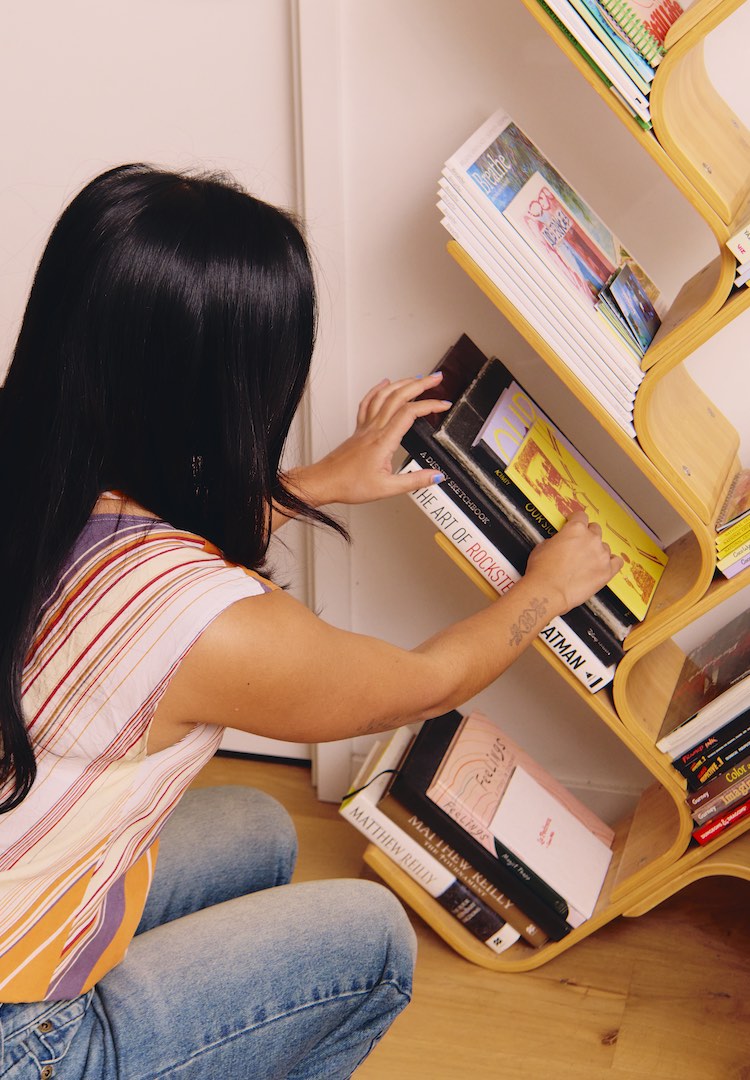
“I’ve learnt to rewire my brain – I used to equate guilt to discipline. Now I value taking a break, grounding myself and collecting inspiration, because it puts me in a better mindset. Learning and trying new things leads to improvement.”
Ready to take your career to the next level? Discover how Adobe Creative Cloud can help you get there, here.
Liked this? You’ll love these...