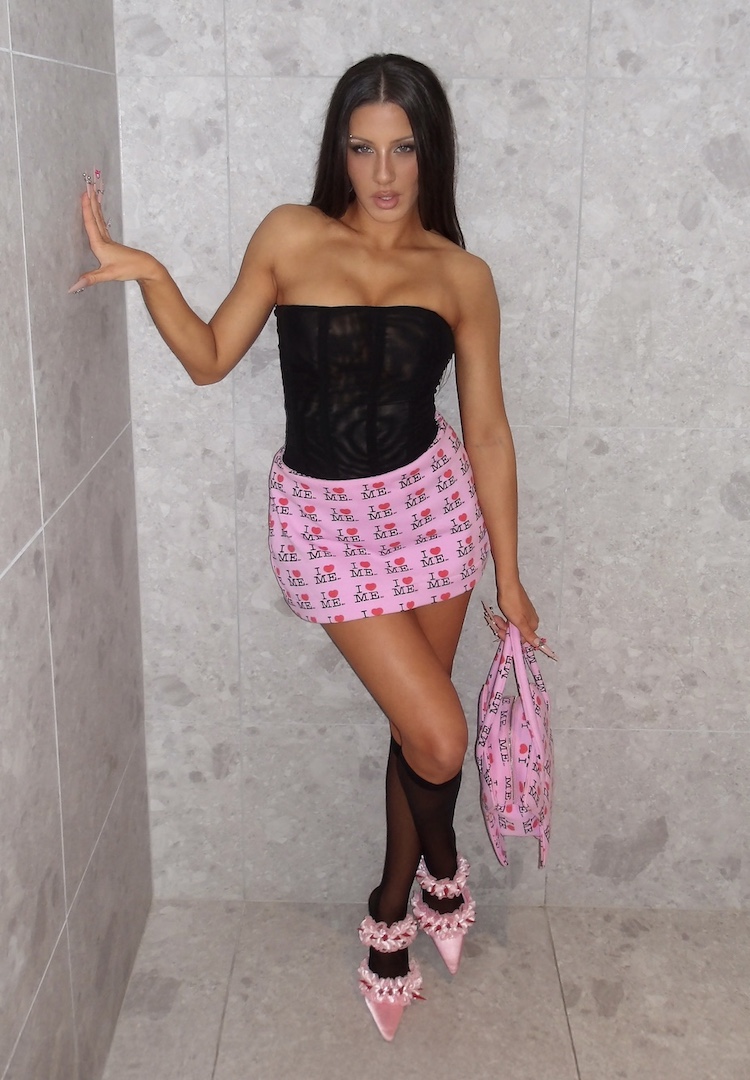


How I Got Here: Art director Teressia Carr has “never had imposter syndrome”
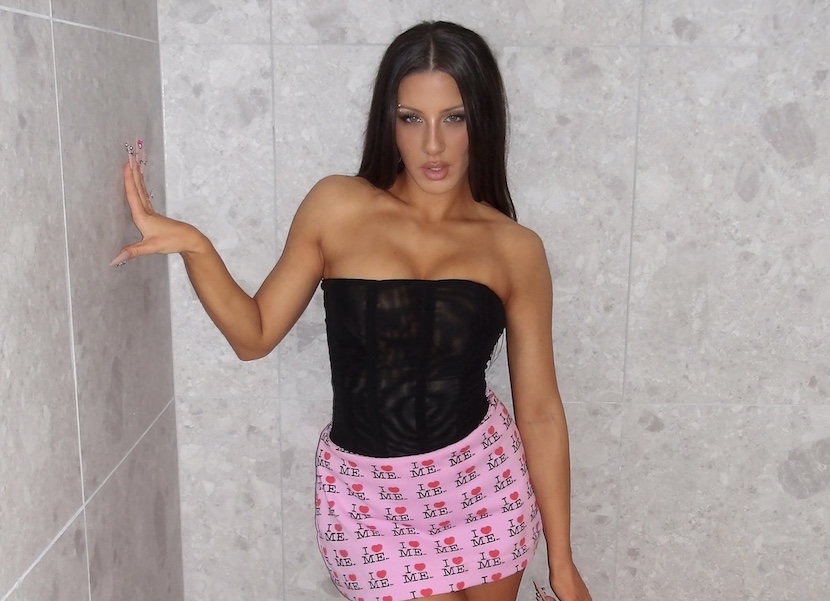
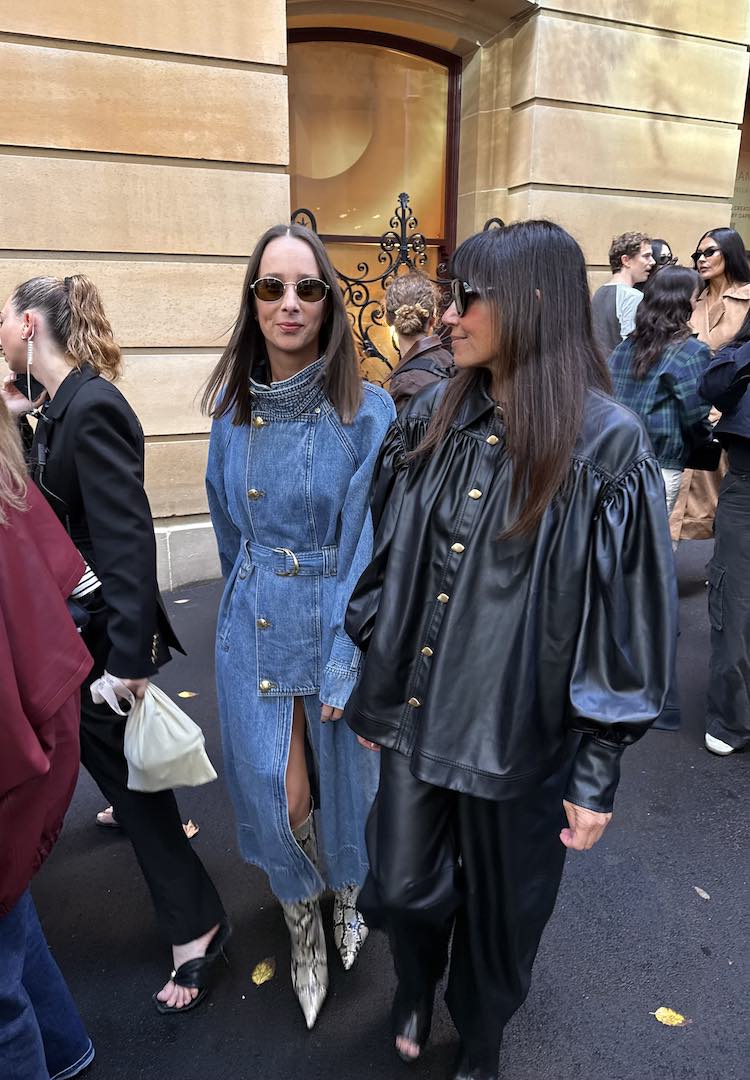
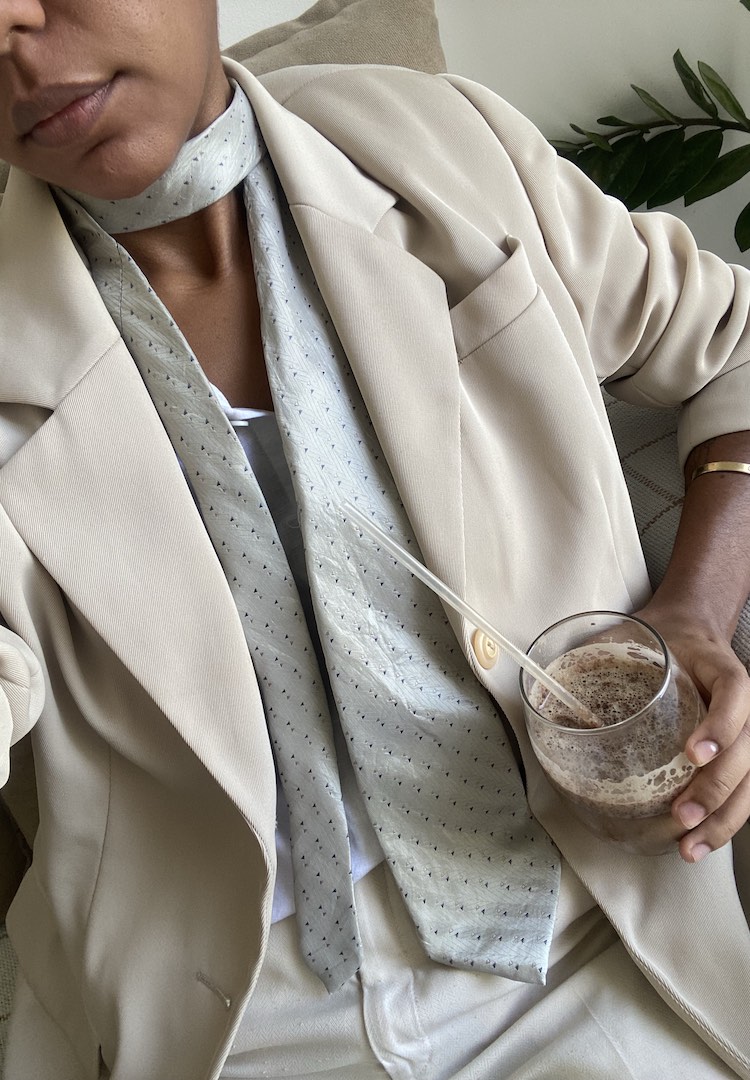
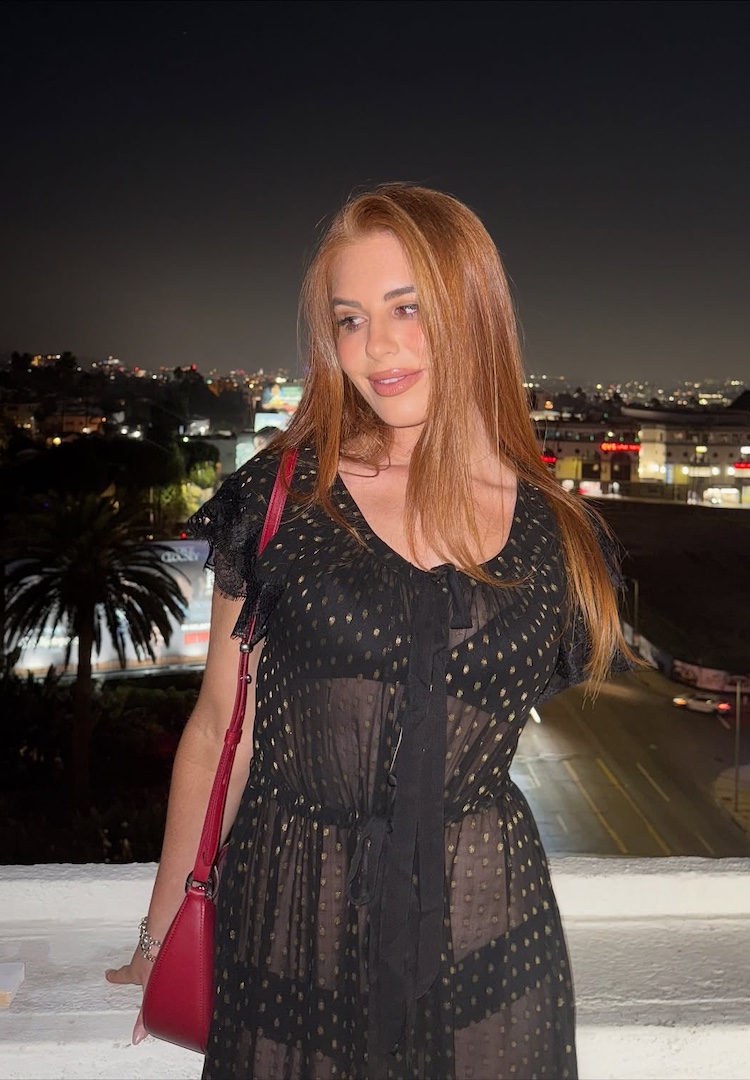
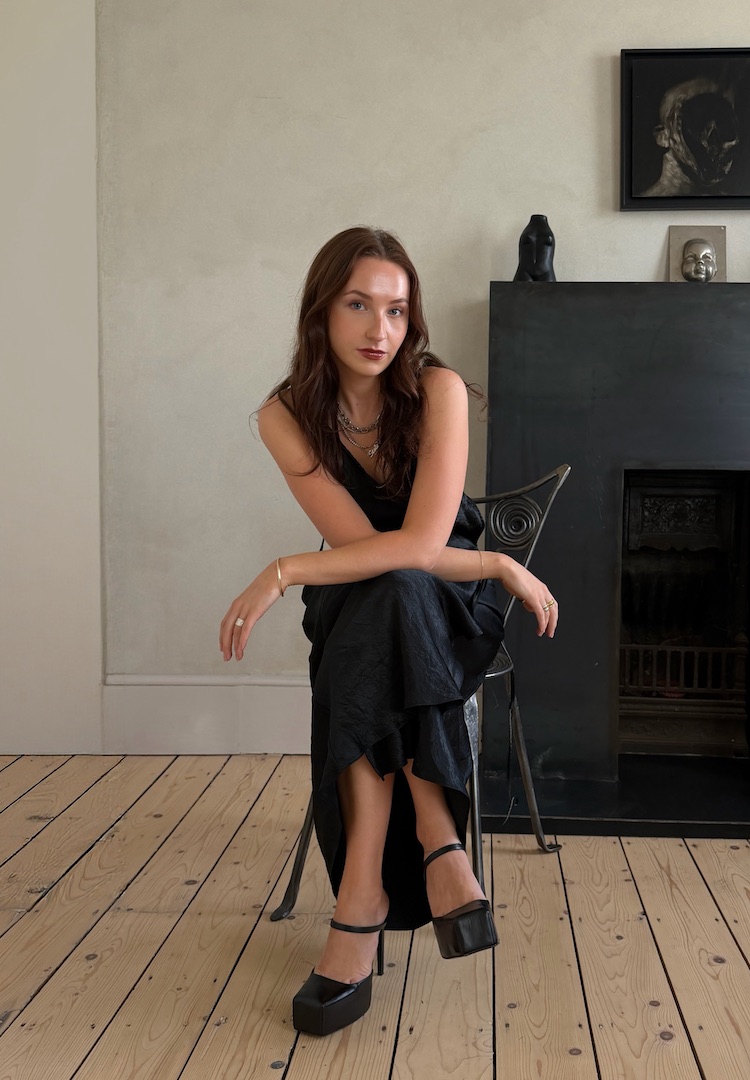
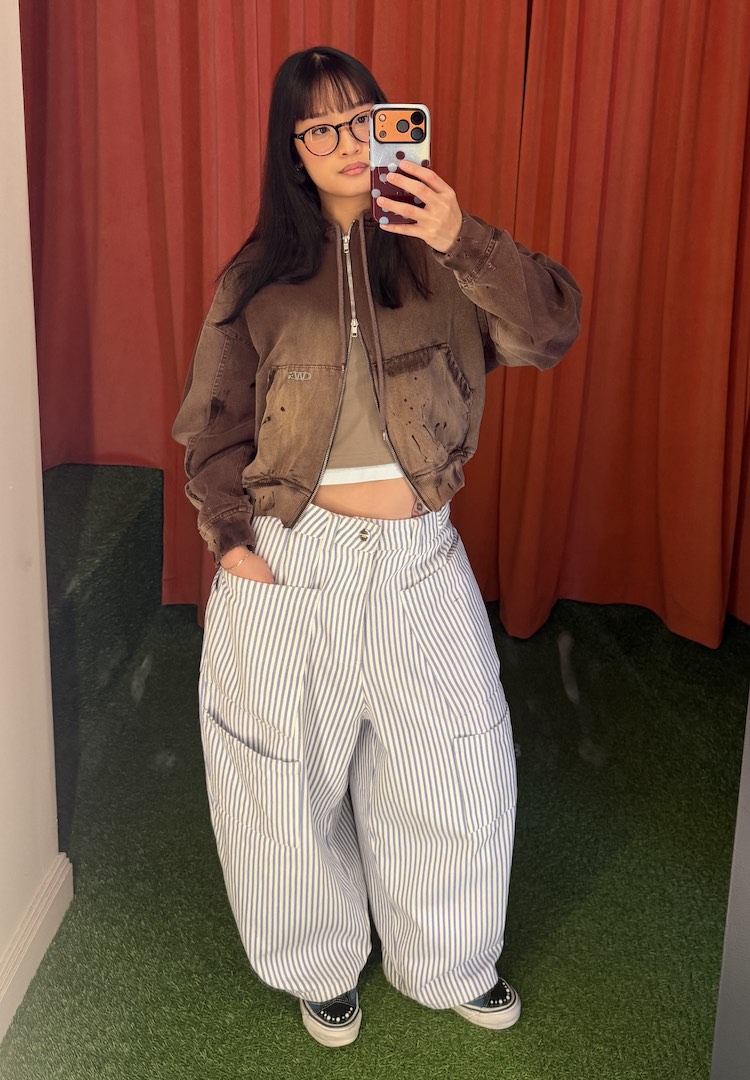
image via @teressia/INSTAGRAM
as told to lara daly
“Confidence is the most valuable thing you can have in this industry.”
Welcome to How I Got Here, where we talk to people who are killing it in their respective fields about how they landed their awe-inspiring jobs. We explore the peaks and pits, the failures and the wins, and most importantly, the knowledge, advice and practical tips they’ve gleaned on the journey.
At first glance, the list of skills on Teressia Carr’s resume might read like someone with boundless talent but no clear direction. She’s been a makeup artist, a photographer, a producer, a graphic designer, a writer, an editor. All she knew, from a very young age, was that she only wanted to work in fashion.
Looking for a new nine-to-five? Head to our Careers page for new listings daily.
“I felt very empowered by fashion and used it not only to express myself but to protect myself,” she tells us. “It often added a layer of confidence I didn’t always have. I still use it to control a narrative on how I want to be perceived by others.”
In many ways, that mindset makes her role as an art director feel inevitable. Working across two major Australian fashion labels, her days are spent shaping visual worlds through photoshoots and creative storytelling, a culmination of the many disciplines she’s mastered. Rather than specialising in just one corner of fashion imagery, her strength lies in understanding how every aspect works to bring it to life.
Throughout her career, Teressia’s “delusional” sense of confidence has been a superpower. “A lot of my success in being recognised came from my drive, paired with having no doubt in my mind I wasn’t going to make it in the industry,” she says.
When she applied for her first design role at a fashion magazine, her portfolio was almost entirely made up of self-initiated projects. “I would use my tallest friends as models, style them in my clothes, do their hair and makeup, take and edit the photos myself. I would create graphic design projects from scratch with no real clients.”
But it was enough to showcase her creative eye and land her the job. Below, Teressia tells us about her career-defining moments, the fashion industry clichés that turned out to be true, and her advice for getting ahead.
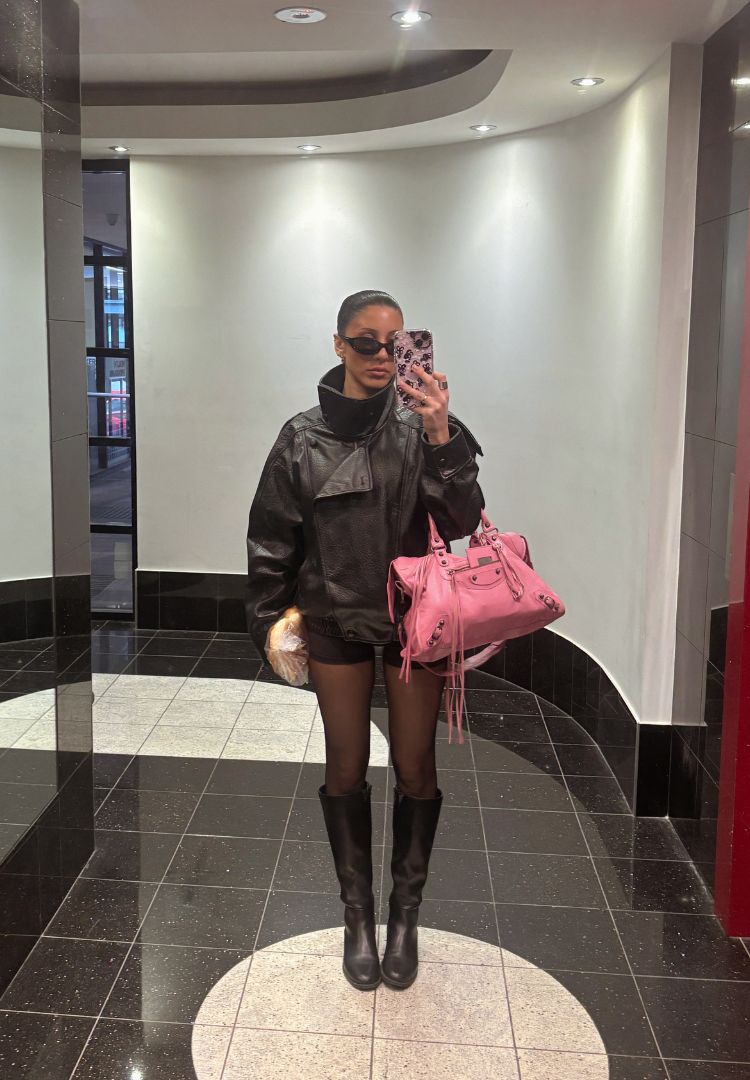
Fashion Journal: Hi Teressia! What do you do and what’s your official job title?
Teressia: Hi! I’m an art director. Currently, I’m working as the art director for two Australian fashion brands, Acler and Significant Other.
Did you have an idea of your dream job growing up?
I always knew I only ever wanted to work in fashion. That said, I never knew what an art director was until I was offered a job as one. But as soon as I started, it felt like I was in a role perfectly suited for me.
I have memories as early as kindergarten when I would daydream and dissociate about beautiful clothing… In fact, the only thing I really remember from primary school is how much I cared about ‘casual days’, where you wore your own clothes instead of the uniform. I would think about my outfit months in advance.
One year, I begged my mum to take me to McDonald’s every week because Happy Meals came with Care Bear keychains. By the time mufti day rolled around, I’d collected them all and clipped them to the belt buckles of a pair of incredible rhinestoned flared jeans I’d also begged her to buy me. I remember walking into school and getting exactly the reaction I’d been hoping for. I remember thinking, ‘Wow, I’m really onto something here.’
Take us back to when you were first starting out in the industry. Did you study?
My first attempt at studying was completely wrong for me. I went to an open day determined to study fashion but was talked out of it by the woman helping people sign up. She said I’d be better off studying something practical like events management – essentially becoming a producer. I think she was trying to scare off students who weren’t passionate enough about fashion to apply, which is kinda badass and something I’d probably do now, too.
To this day, I’m still a bit shocked I didn’t pass her test, considering how sure I’d always been. But I was young and impressionable, so I listened. I went on to study Events Management for three weeks before dropping out and returning to university the next year.
I eventually went on to study a Bachelor of Design in Fashion and Textiles at UTS, and during that time received a scholarship studying luxury fashion at Polimoda Fashion School in Florence. At university, I learnt what I liked and didn’t like. I hated sewing and sketching, so I knew I wouldn’t be a designer. When I discovered graphic design, it was another one of those moments where I realised I’d found something I was naturally good at – I had a natural desire to practice because I enjoyed it so much.
In the background, I worked at Mecca as a makeup artist, which I went on to do for seven years. I loved makeup, so I was super happy working there. When it came to working with fabric or illustrating, I couldn’t quite figure it out and I remember thinking, ‘Why not? I’m creative, why can’t I do this?’ but when I discovered makeup, everything clicked again. Essentially, I was finally finding all the right tools for me.
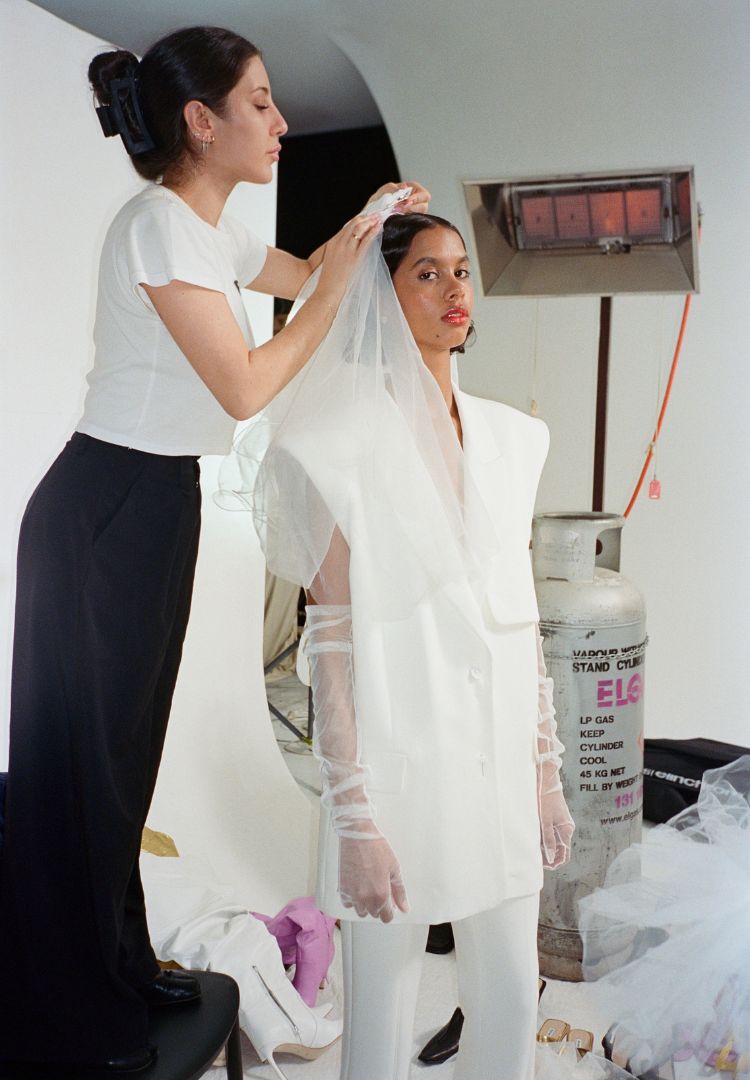
When I landed my first ‘real’ role in the industry – a designer for Russh magazine – my portfolio largely consisted of projects I was creating myself with friends. I would use my tallest friends as models, style them in my clothes, do their hair and makeup, take and edit the photos myself. I would create graphic design projects from scratch with no real client. However, I had enough to show my skillset, and it got me through the door.
At Russh, I really honed in on my graphic design skills and was introduced to professional fashion sets and creatives. With my background in beauty, I was also producing content and writing for the magazine’s beauty columns. All of a sudden, I was receiving PR boxes from Mecca and sitting front row at fashion shows for brands I used to use as north-star inspirations during university. Both ironic and very cool.
How exactly did you transition into art directing?
A few years in, I was approached by an old colleague to work alongside her in an art director role. Honestly, many of the typical industry cliches stand true – this was very much a ‘it’s not what you know but who you know’ moment. That’s not to say I wasn’t able to get the role based on my skills, but I wouldn’t have known about it without my connections.
As an art director, you’re responsible for creating a visual, so naturally you need to have a detailed understanding of all the elements that bring that to life. As someone who now understands photography, videography, post-production, graphic design, hair and makeup, and even down to how clothes are made and the unique techniques that make them special, becoming an AD allowed me to utilise all these skills and gain great success from that. I feel really lucky to have found a role that lets me draw on so many of my creative passions and skills.
Can you walk us through a typical day for you on the job now?
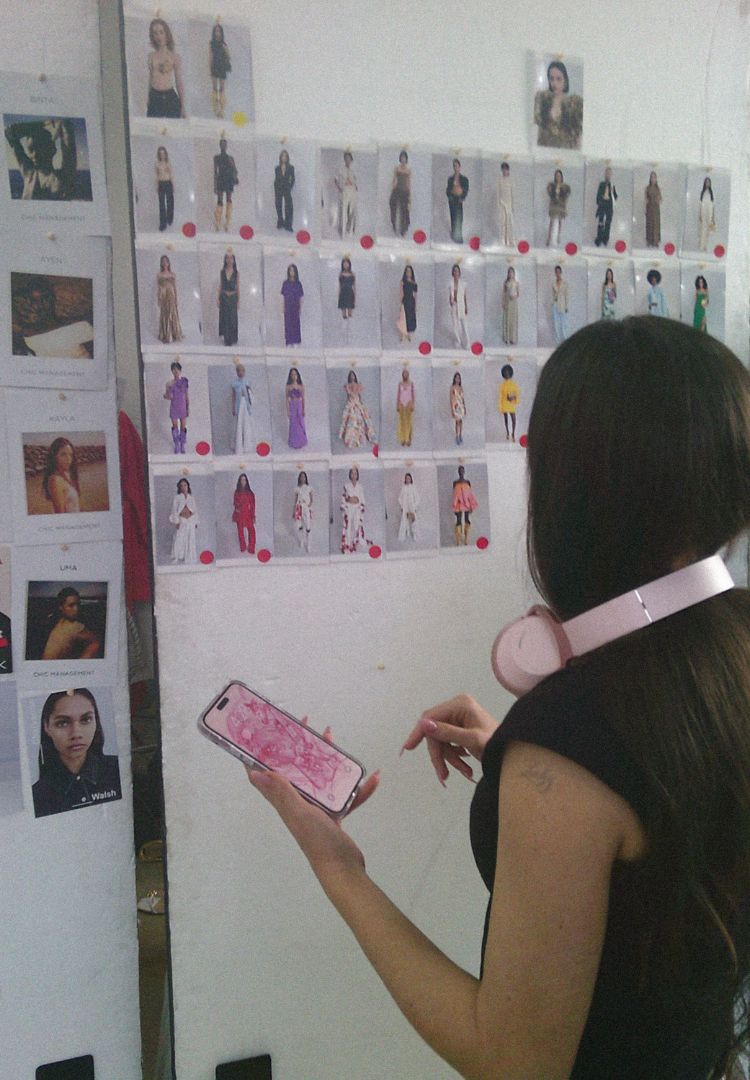
My life revolves around photoshoots and telling creative stories. As an art director, you’re developing concepts and figuring out the most compelling way to bring them to life. Oftentimes I can see exactly what I want in my head, and the skill is translating that into an image or video, while relying on a team of people to understand it, too.
When you gather and prepare teams of people to bring that vision to life – photographers, stylists, hair and makeup artists, models – it becomes a skill you learn over time to spot the little things you can look for when choosing the right people for the job. This could be the way a stylist makes something feminine feel masculine, or the way a model introduces herself in a casting.
Photoshoots can feel like the end, but in many ways they are just the beginning, and typically once it’s all over, this is where you take back a lot of the control. You spend a lot of time in post-production, making sure the right images are selected, perfecting the visual into what was once just an idea in your head.
What has been a major career highlight for you so far?
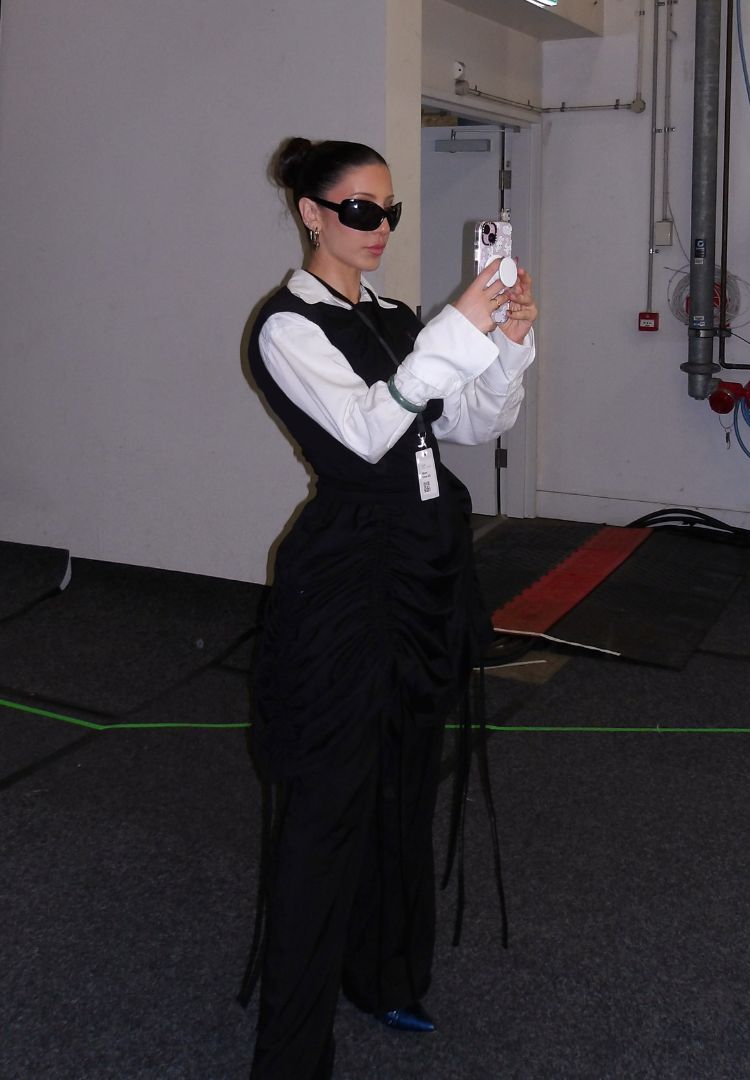
The obvious answer is all the glamorous stuff. I’ve travelled the world through my job. I’ve received so much PR I’ve had to donate most of it to charity. I’ve sat front row at Fashion Week and even art-directed runway shows from behind the curtain.
As exciting as those experiences are, they do become your normal. Honestly, the real highlight for me has been the people I’ve met. All of a sudden you’re in a room full of the same once-weird Tumblr-famous kids. It’s refreshing to be surrounded by like-minded people whose brains work like yours, or who care about fashion in the same way you do. Essentially, if I ever need someone to convince me a vintage Roberto Cavalli dress is a sensible financial decision, I know exactly who I’d call.
What challenges have you faced getting to where you are now?
Being a young woman. Surprisingly, for an industry that relies so heavily on women to drive its success, many of the positions of power are still held by men. As a society, we’re still not quite at the point where women are automatically seen as the leader in the room, and it can be hard to stand your ground or command respect.
I’m often the youngest AD in the room and am small in stature, so it’s rare that anyone assumes I’m the one running the show. No matter what role you’re in, or how others might perceive your ‘place’ in the room, practising radical self-acceptance and understanding you are brilliant even if it isn’t always recognised is very important. Great opinions come from everyone. Half the time, it’s the person who gets asked to speak the least who has the best ideas.
What’s the best part about your role?
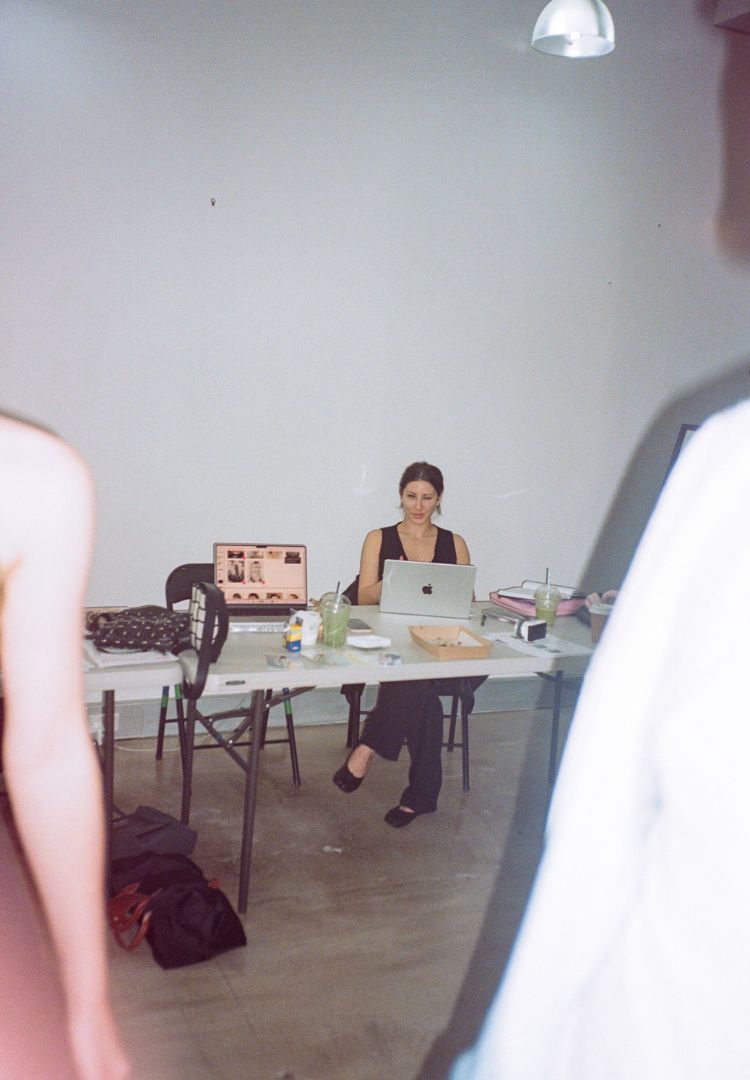
Wholesome answer: I’d be nowhere without the teams of people that help bring it to life. The producers, graphic designers, models, hair and makeup artists, photographers, videographers, digis, marketing managers – the list goes on.
Vain answer: praise, glamour and amazing clothes.
What would surprise people about your role?
Fashion really is that deep. It’s often seen as a deeply futile and expensive ‘hobby,’ but everybody wears clothes. I can’t tell you how many times people have made fun of me for liking these supposedly vain things like clothes and makeup. But I managed to make a career around it.
Clothes are the first way we choose to express ourselves every day, and I think it’s one of the easiest and most influential ways to make a statement without even having to speak. I genuinely feel sorry for people who have never experienced the psychological power of a good outfit.
What skills have served you well in your industry?
I’ve never had imposter syndrome. I truly believe I deserve to be in every room and can have exactly what I want. I’m lucky like that. Without this somewhat unhinged (I call it realistic) sense of confidence, I can see how someone could get walked all over in an industry full of hierarchy and self-promotion. If you don’t yet believe it, try saying to yourself, ‘I’m just going to be delusionally confident today’ and see what happens.
As an art director, you need to be able to control a room, collaborate often with people you’ve just met, and articulate exactly what you want. You can’t do that if you’re shy or unsure of yourself. I can guarantee you, without a shadow of a doubt, that confidence is the most valuable thing you can have in this industry.
People skills in general are just as important. Be kind to everyone and a generally nice person to be around, someone people look forward to seeing again. In the same breath, that doesn’t mean you need to be a pushover. I am proof you can be both.
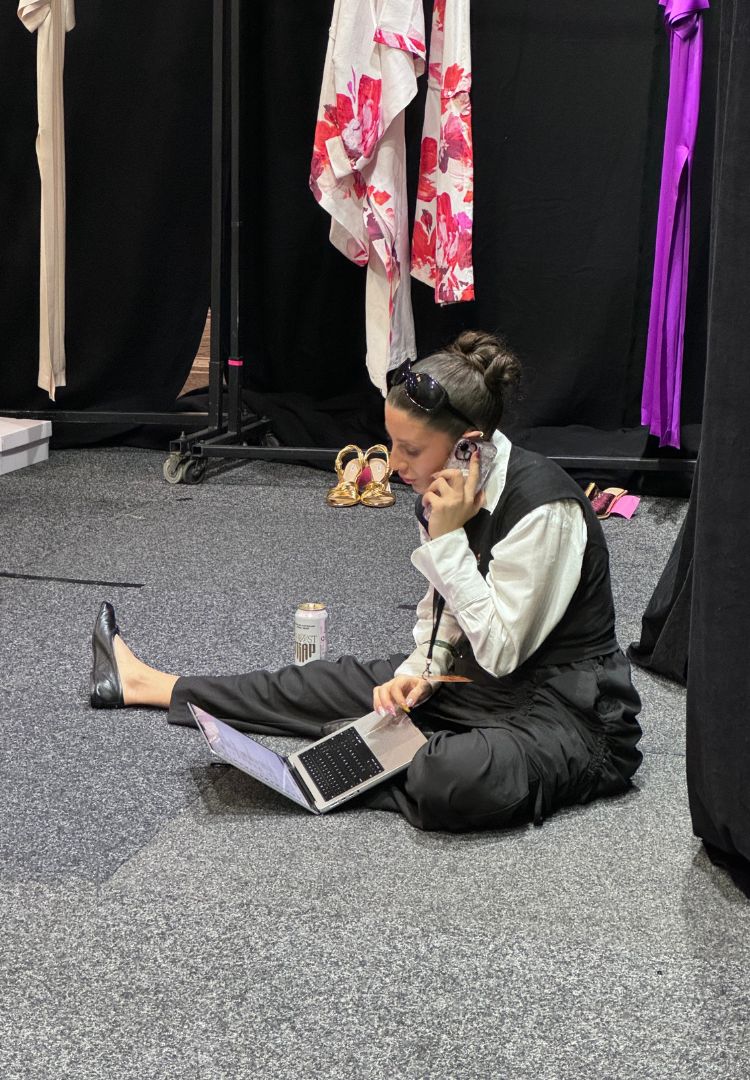
What advice would you give to someone who wants to be in a role like yours one day?
Train yourself to see references where other people just see things. An art director sees the world through a lens where inspiration can come from practically anywhere. I often find inspiration in unexpected places: the colour combinations left behind on an almost empty plate of food, or the handwriting on a note.
I follow a makeup artist on Instagram, Xenia Nerry, who is a great example of this. She creates makeup looks based on obscure and often disgusting references, like a moody burger or cigarette butts in a dirty sink. It’s a perfect example of finding beauty in the unexpected and creative ways to pull references.
I think protecting that instinct is really important. Don’t let Pinterest, or now even AI, replace the process of developing your own ideas. A creative brain needs more than just a Pinterest board or writing prompts. The most valuable part of creating is the time spent searching, experimenting and seeing where your instincts take you.
What about a few practical tips?
Never get too comfortable. As soon as you stop learning or growing, it’s time to move on. If you don’t back yourself, no one else will. Consider travelling or moving for work if you can. Introduce yourself to everyone. Take people out for coffee. Work hard, but also spend time with friends, by yourself, and completely switched off from work. Don’t be that person whose job is their entire personality.
It’s those nights spent after a shoot, several martinis deep, that make it all worthwhile. My friend (you know who you are) will inevitably bring up Jonathan Anderson’s Dior, and I’ll argue over archive Prada and whether the latest collection was genius or just good styling.
Get really, really good at manifesting. Always trust your gut. Pay attention to what excites you. Buy the vintage Roberto Cavalli dress.
Keep up with Teressia here.
Liked this? You’ll love these...