

Kita Alexander wants you to get in touch with your rage
PHOTOGRAPHY – Olivia Repaci
STYLIST – Annabel Dickson
MAKEUP – Soraya Boularas
WORDS – Lara Daly
“I don’t feel like I can be pushed around at all.”
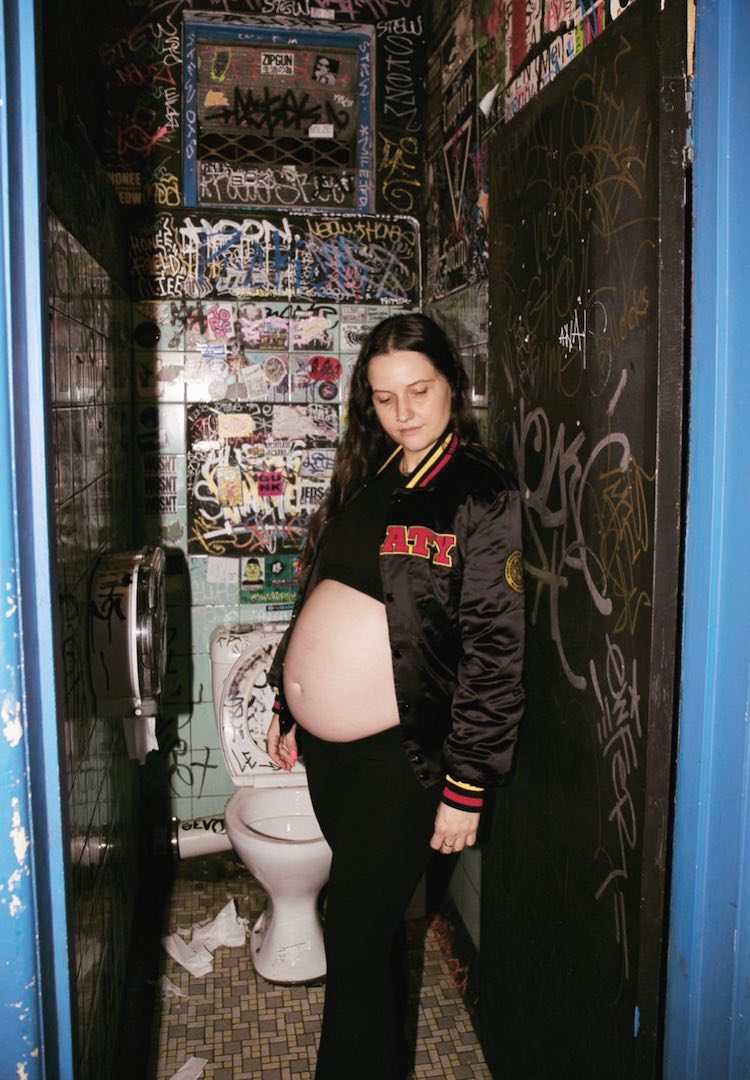
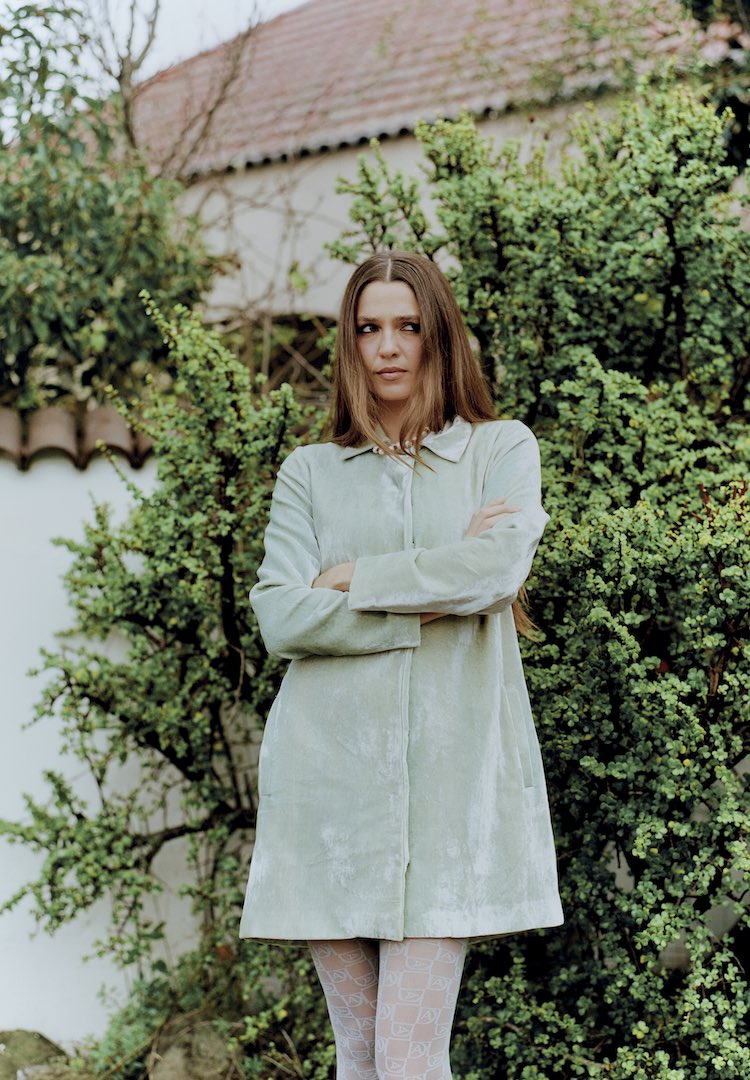
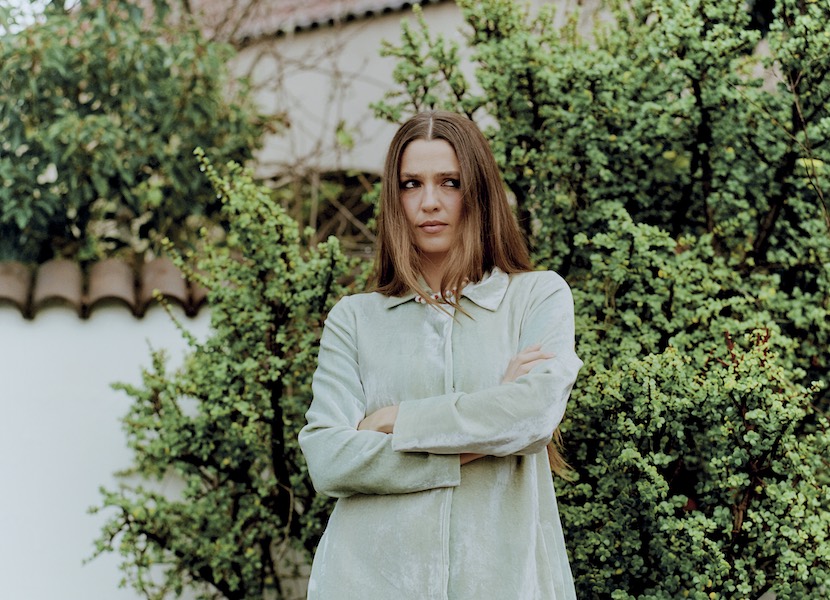
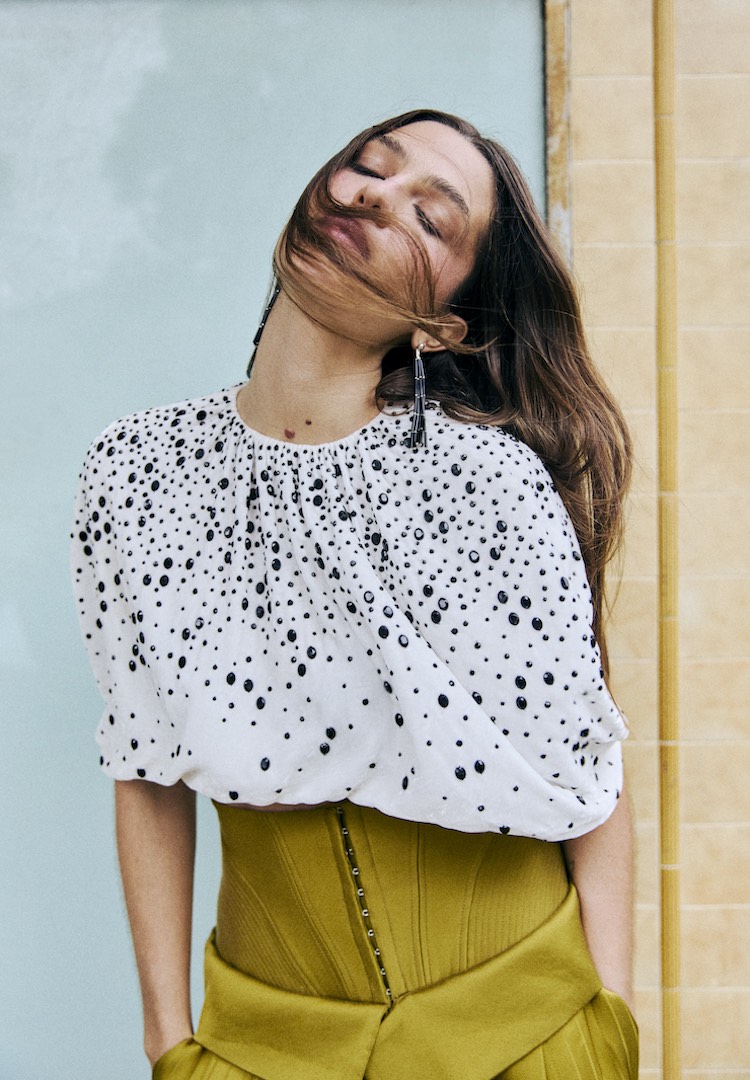
Kita Alexander arrives at our Sydney shoot on a rainy Thursday afternoon wearing a ruffled mini dress beneath a Spell jacket – a nod to Byron Bay, where she lives. As glam wraps up, she weighs in on the shape of her eyeliner, questions styling choices and slips effortlessly into poses before anyone asks. Between takes, she chats to her husband, former pro surfer Owen Wright, on the phone.
The past two years have been a whirlwind for Kita. Since releasing her first album, Young in Love, in 2024, she has joined Dua Lipa on tour, travelled to the UK to perform at festivals and a sold-out headline show, released a string of infectious pop singles and returned home for her Press Pause tour.
Discover more artists and music we love at FJ’s Music section.
For those unfamiliar, Kita is a singer-songwriter, a Pisces, a mother of two and, as she tells us, a reformed people pleaser.
The shift is palpable. More than a decade ago, a 19-year-old Kita made her official industry debut with her single, ‘My Own Way’. Back then, she was determined to be popular. “I wanted to be liked. I wanted my music to be liked.”
This version of Kita seems more certain of herself than ever, even if it risks being unlikeable. “I’m okay to rock the boat. I’m okay not being everyone’s cup of tea,” she says.
That tension sits at the centre of Rage, her newly released second album. The record moves through anger, vulnerability and self-doubt with the kind of honesty that’s become synonymous with her songwriting. Written in the Northern Rivers hinterland and released via Warner, Rage pairs warm, melodic pop with messy emotional terrain. During the recording of its title track, Kita lost her voice after finally allowing herself to yell.
It feels fitting for a woman who’s learning that anger isn’t always something to suppress; sometimes it’s what pushes you forward.
Now preparing for an international tour across Australia, the UK and Europe, Kita sounds energised. If Rage captures an artist learning to take up space, its creator has a huge opportunity to put it into practice.
Lara: Hi, Kita! You’ve had a huge year, what have the past 12 months felt like for you?
Kita: Professionally, I feel like it was me saying yes to a lot of things and then finding the joy in work. I pushed myself a lot last year; it could’ve really burnt me out… but instead it’s lit this fire inside me where every day I want to be accomplishing something.
I’m loving work so much, to the point where, you know, my kids might be a bit sad to see me leave… Me travelling is part of the deal. That is my job. I think it’s really great for me to be able to show them how much I love what I do, because work doesn’t have to be the thing that drains you or causes you anxiety… I’m really proud of myself for finding that joy and that fire.
You turned 30 earlier this year as well. Has that shifted your perspective?
Yeah, definitely. I have this mixed relationship with my twenties because I have this beautiful family, and I feel ahead in some aspects of my life, but then I feel like I’m playing catch-up a little bit in my career.
But then everyone says, in your thirties, you know yourself more than ever, you’re more confident in yourself, and I do feel that… I have more belief in myself, more confidence in going, ‘I can make anything happen if I put my mind to it.’
I have the what-ifs, and then I have the ‘Wow, how lucky am I to have two beautiful kids?’ And then also to still have the door to my career open. A lot of people said if I were to have kids, that door would shut, that window would close, and I wouldn’t get another opportunity. So I’m grateful I get to do it on my own terms now… I don’t feel like I can be pushed around at all.
You opened for Dua Lipa’s Radical Optimism tour last year. What did seeing someone like Dua operate at that scale teach you about performance – or even ambition?
I remember seeing Mumford and Sons very early on in my career, around the time I was trying to get signed by a record company, and I would say in interviews and in meetings, ‘I want to be playing arenas, I want to be playing stadiums.’
I got signed, I started my career, and then I had kids and I had a bit of a sabbatical [before] coming back. I think I lost that big, faraway dream. I was just doing art because I loved it.
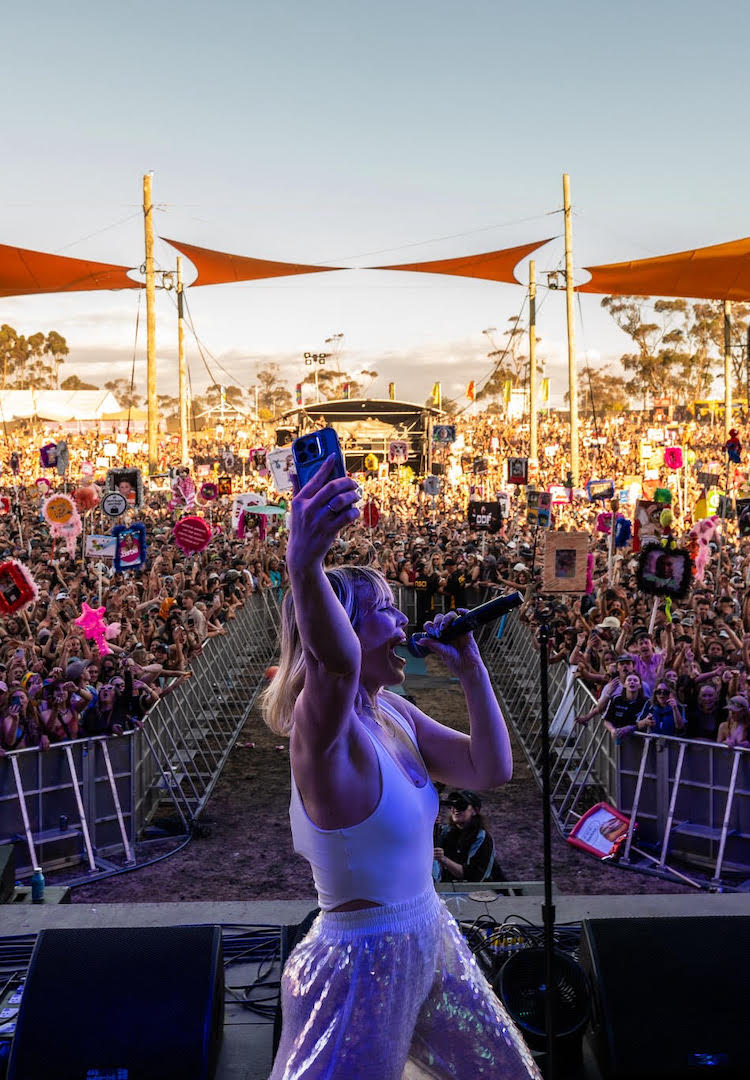
But playing with Dua every night, I got off stage the first time and [everyone] was like, ‘That was great! How’d you feel?’ and I was like… ‘I want that crowd to myself.’
And that feeling finally came back. I would love to be playing to big crowds. I love big crowds. There aren’t many experiences in life where you have that many people loving you… It’s not even an ego thing, it’s an energy thing.
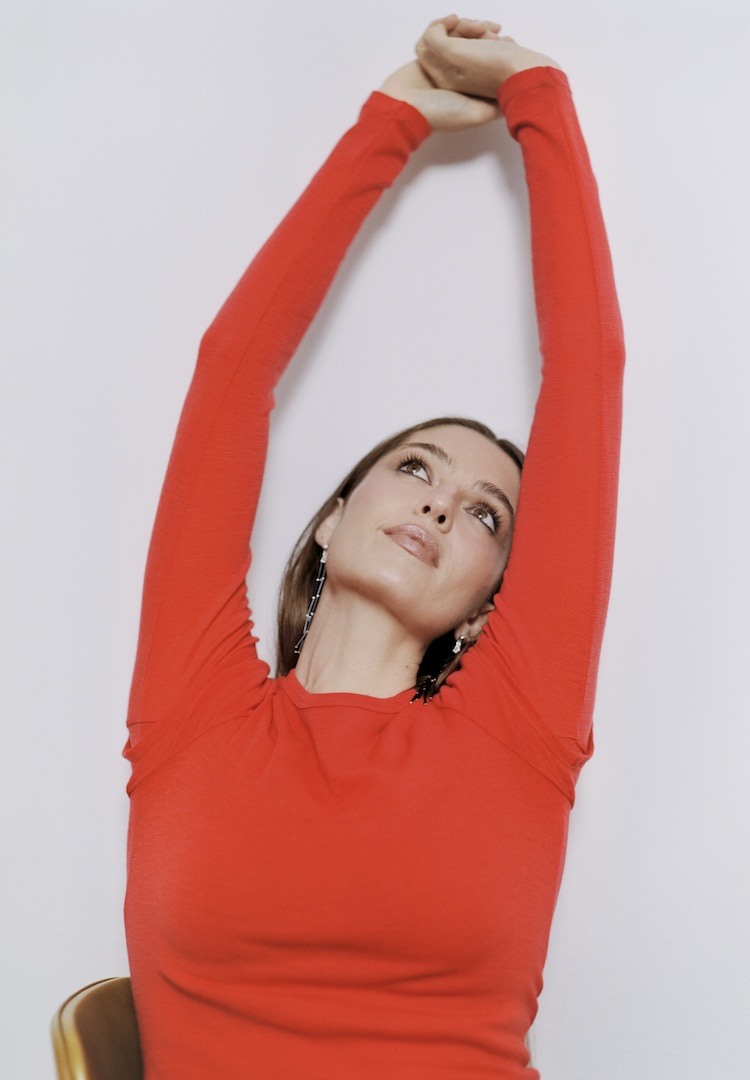
Let’s talk about Rage. You’ve described embracing anger as feeling quite radical for you. Why?
Because it’s something that I thought I didn’t have. You know, that’s not me. I’m not an angry woman. The fact that I have come to the realisation that I’ve always had it, I just named it something different, or I tried to shut it down, or I tried to forget about it, it’s definitely like a confrontation to myself… It’s created so much positive change in my life.
Were you someone who suppressed your anger growing up?
That’s the thing, I look back at my childhood and I see myself as quite an angry child. I would blow up. I can’t take criticism that well, or direction… I like to be in charge. But I think towards my mid-to-late teens, that’s when I probably figured out, ‘Oh, I want to be really likeable.’
Maybe it was just along the journey of life that I realised it’s not okay to show your anger and be loud, and have a voice. I think most women have the same story… please everyone, don’t cause a fuss, keep the peace. There aren’t many people in my life who I can see have embraced their fiery side from the get-go.
The album doesn’t sound angry in the way people might expect. How did you interpret that in the title track?
I really wanted to travel through the journey of my relationship with anger… At the beginning, you’re questioning yourself. You’re going, ‘I don’t know what I’m feeling, what is this?’ and then the verse is, ‘Oh wait, I think this is it, and I don’t like it.’
Then the bridge is where it’s like the big outlet and I’m yelling – it’s not that loud for a lot of people, but that’s me yelling – and that’s the release… And then the tail end of the song is coming back down, and it feels like the integration or the calm that happens after the storm.
There’s a thread throughout the album about taking up space. Did you feel pressure earlier in your career to be agreeable?
Yeah, yeah. Like still, with this record, I nearly called it ‘Miss Australia’. I thought people would either love it or hate it, but [that it would be] easier to digest than ‘Rage’. When I realised I was even having that thought in my head, I was like, ‘I can’t do that. Art’s not supposed to be palatable.’
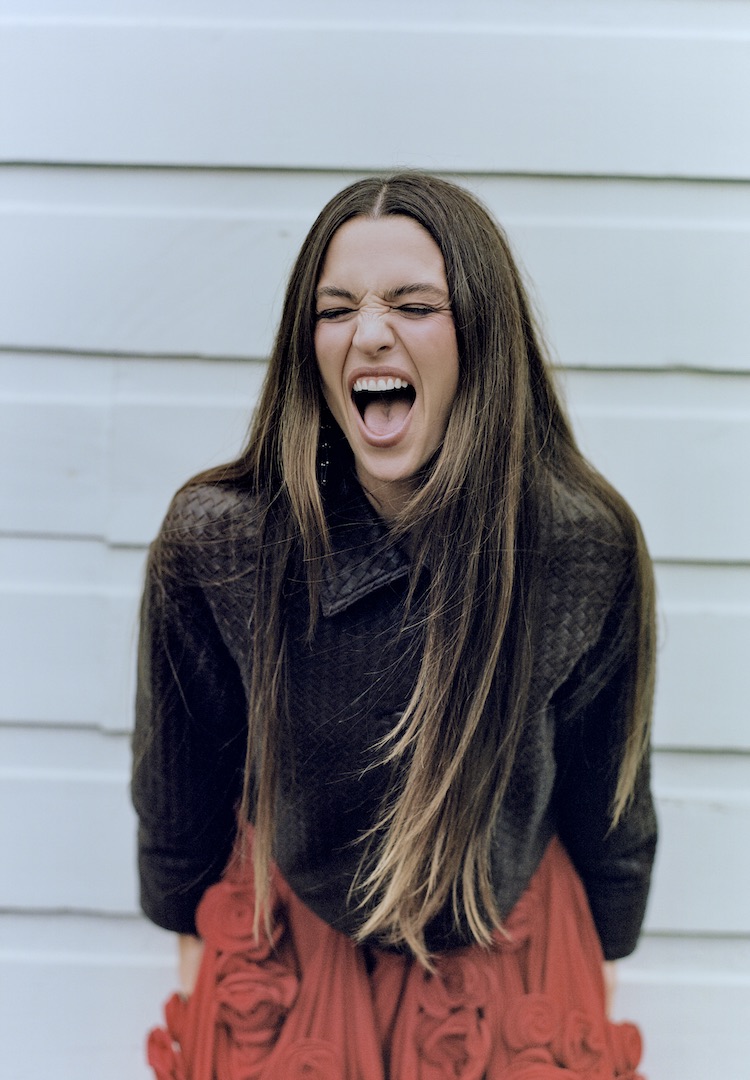
What’s changed in the way that you advocate for yourself now as an artist?
Oh, I’m very straight to the point with my team… I’ve always had ideas and wanted people to help me execute them, but now I just go, ‘No, I want this to happen.’
And look, if we’ve exhausted every option with what I want, then I’ll consider [something else]. I can still be manageable. I’m not a complete hothead going, ‘I want this!’ I can still work with my team. But I push back… I don’t put up with the first answer.
The only true thing about being an artist is having your original ideas and being yourself… if you’re constantly trying to please others and thinking about what they think, and wanting to get on that radio station or make everyone happy, then I don’t know, it just feels a little bland. I feel like I did that for a second in my career, and now I’m okay with rocking the boat a little bit.
Listening to ‘Miss Australia’, it feels like an internal monologue shaped by criticism and self-doubt: That pretty face of yours is only going to get you so far / Girls like you are only good at the start… How much of that voice is yours and how much has been projected onto you?
There are definitely little lines that have been projected on me from that song, like people saying stuff to me, but the majority is myself. There’s a bit of imposter syndrome, like, ‘I’m not allowed to do this, I shouldn’t be doing this, how dare you do this?’
I think tall poppy syndrome in Australia is brutal. I think it’s unfair that we do it to others and we do it to ourselves as well… We stop ourselves from succeeding before we’ve even succeeded.
At the end of this song, it’s me reclaiming it and going, ‘No, I don’t care if people think I’m crowning myself Miss Australia, that’s what I want to be.’ I would love to be a figure that Australia is proud of.
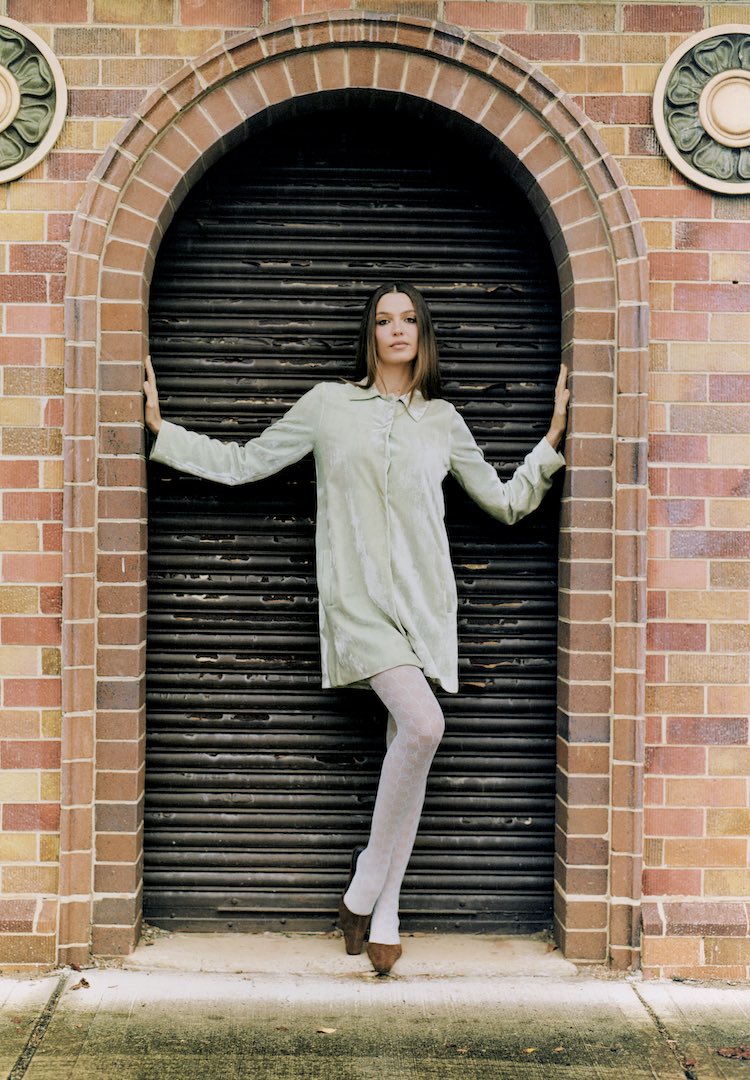
I want to ask you about the song ‘Sentimental Letter’, which is clearly about the emotional labour women often carry in relationships. What inspired this?
‘Sentimental Letter’ became a song that I wanted my daughter to embody. I wanted women to know from the very beginning that it’s okay to say, ‘No, I’m not going to do all this stuff.’ For me, it’s like an anthem for women, and I actually have my daughter singing on it. [I say], “I’m not your mum”, and she sings the “doo doo doo doo…”
Vulnerability is another thread throughout the album. Songs like ‘Avoidance’ and ‘Tell My Friends’ almost feel like opposites – suppressing emotion, then spilling everything out. Do you swing between those extremes in your own life?
Oh, I’m just an extreme person. I don’t think I can even keep up with my own brain. One minute I’m happy, one minute I’m sad, one minute I’m talking a million miles an hour, and then I’m mute.
Art is the most vulnerable thing you can do. You’re sharing your soul, you’re spilling what’s inside of you out… it can be scary at times. I know I’ve written songs and then people in my team will be like, ‘Are you okay?’ And I’m like, ’It’s just my art, let it live there.’
There’s always truth in all the songs, in some form or another, whether it’s me looking at my relationship with my colleagues, my friends, their relationships… That’s just art, though.
What do you hope people feel after listening to Rage?
I want them to get more in touch with their own rage and ask it what it’s trying to tell them.
This article was originally published in Fashion Journal Issue 200.
Keep up with Kita here.
Liked this? You’ll love these...