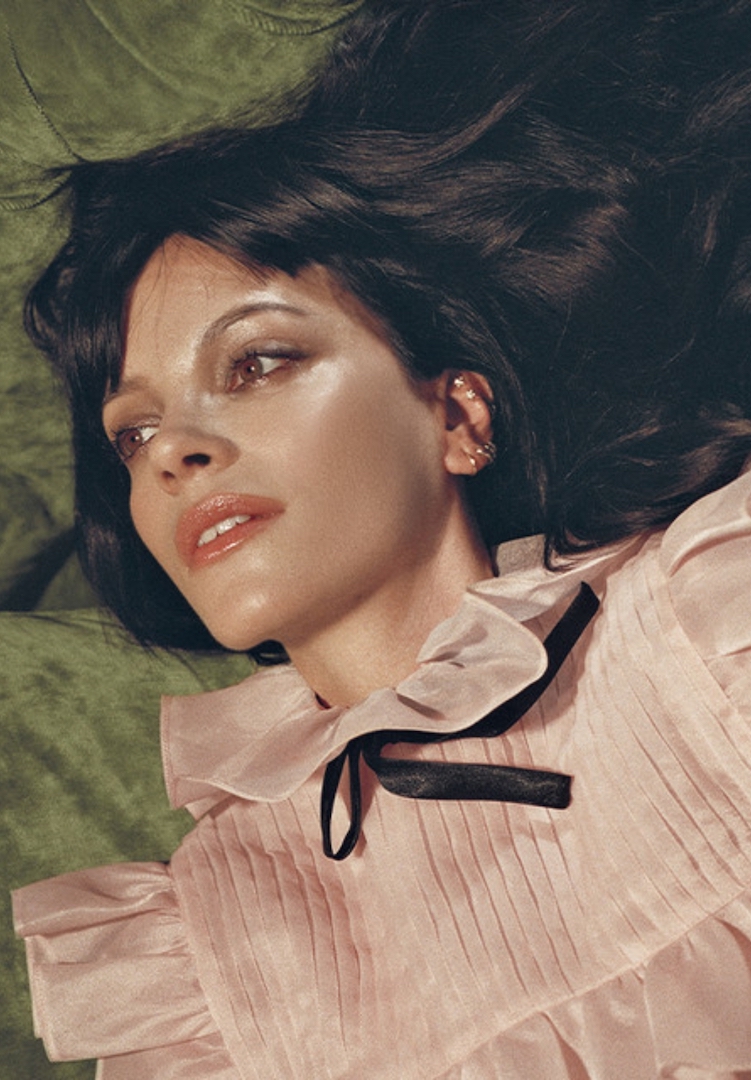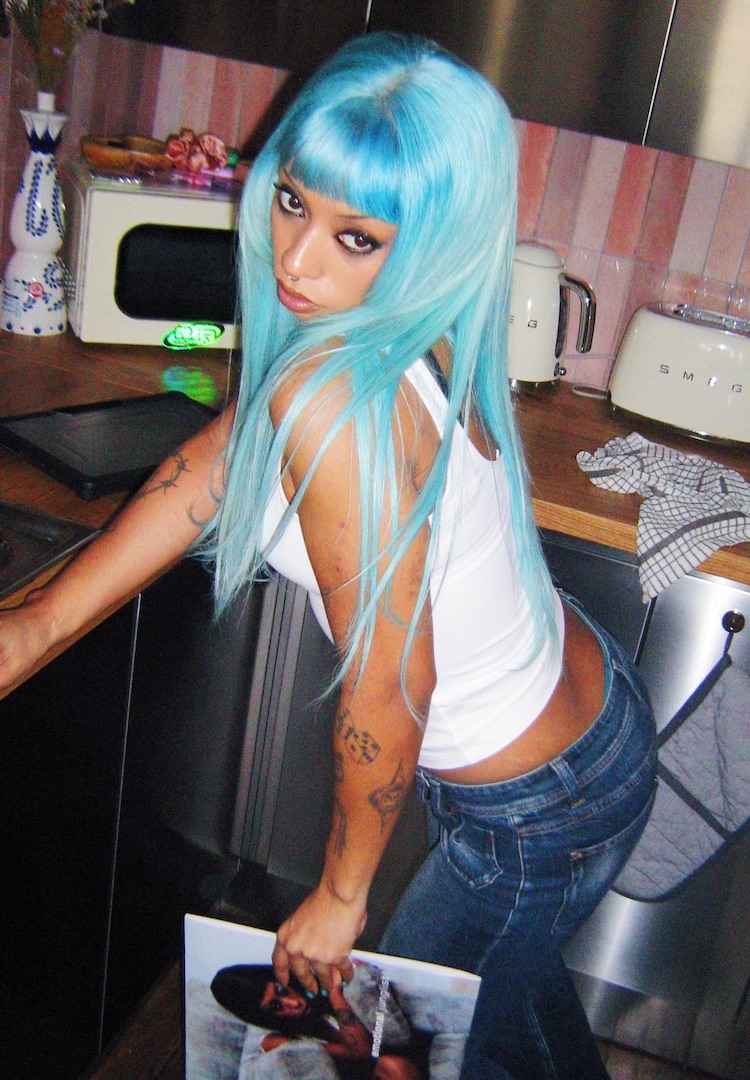
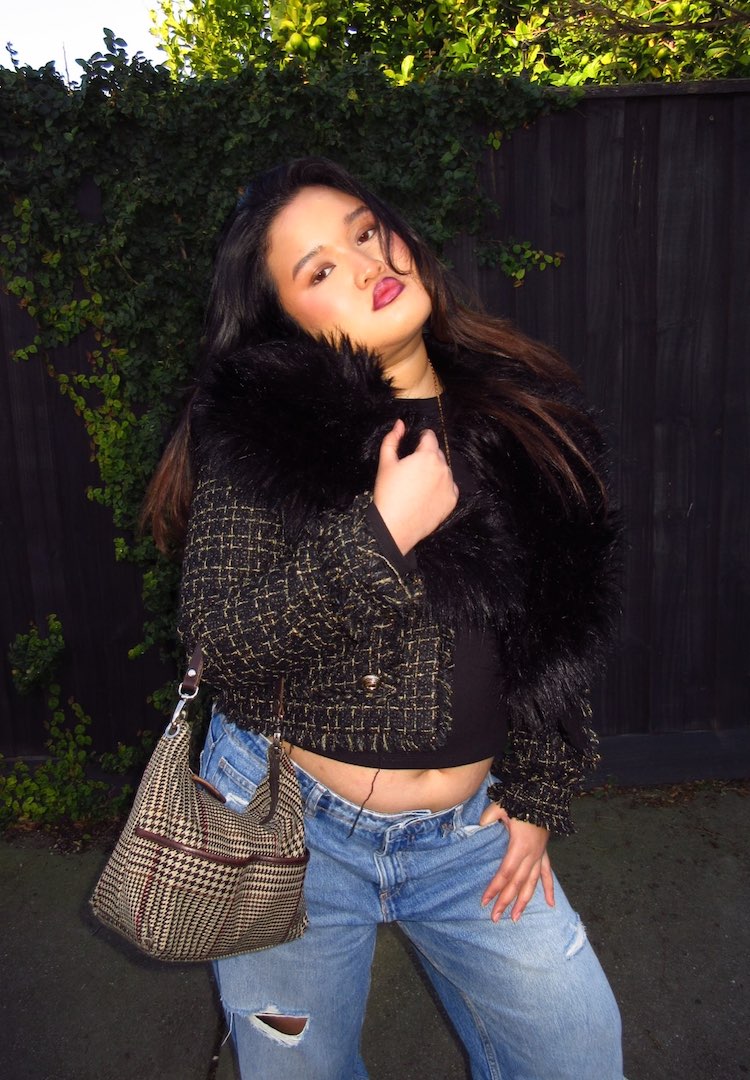


Nia Archives on roots, control and ‘emotional junglist’ dress code
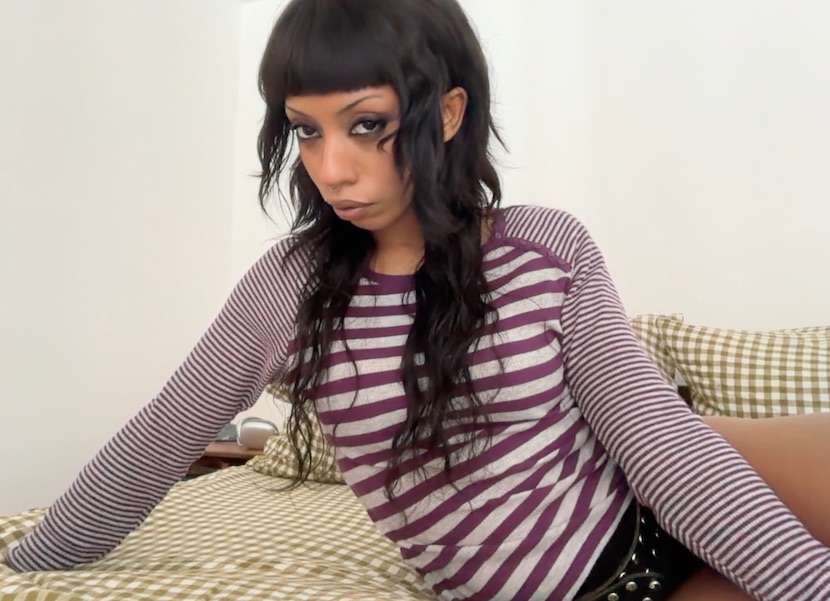
image via @archives.nia/instagram
words by frankie anderson-byrne
The Leeds-raised jungle producer arrives in Australia with a full band, a new album and a very secure audio pack.
Before Nia Archives knew what a sound system was, she was standing in front of one in awe. Leeds, she reminds me, is home to what she calls “the longest-running Caribbean carnival in history,” and her family took her along from a young age.
Her house was no quieter, full of gatherings soundtracked by hip hop and early dance music. I ask how the north, so often skipped in the story of rave, shaped her taste before London ever did. Her answer is simple: it was the whole curriculum.
Discover more artists and music we love at FJ’s Music section.
That education now has a global audience. Jungle is having a mainstream moment, and Nia is widely credited as one of the artists who carried it there. I ask how it feels to be a figurehead for a scene born in Black British, working-class communities, and what that obliges her to do. There’s no hesitation.
“Jungle music came from [people] making something out of nothing on pirate radio and in the rave. So if I’m the face some people see first, my job is to point backwards and name the people who started it all.”
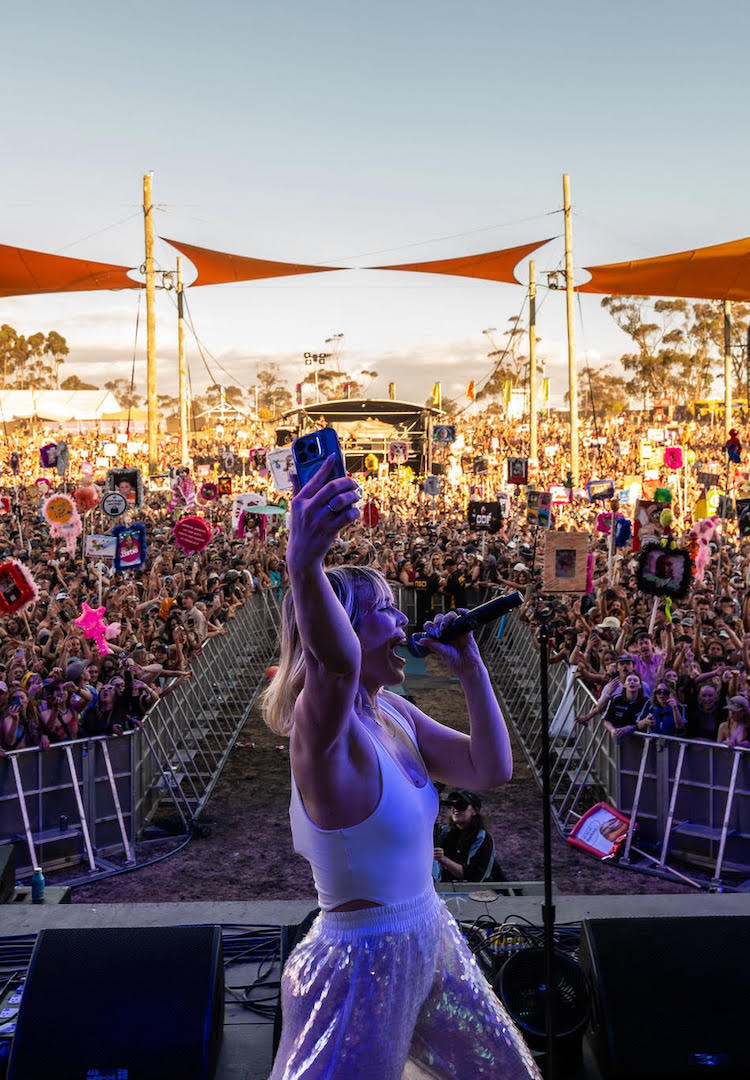
Credit, for her, is a booking policy. With her new-gen jungle label, Up Ya Archives, Nia says she always tries to book “the originals” on her line-ups at parties. This summer’s Australian run adds a new variable: her first shows with a full band. I wonder what changes emotionally when you stop controlling every drop on a laptop.
“It’s scary and I love it at the same time,” she tells me. “When DJ’ing I’m in control of everything but with a band you have to trust everyone and things breathe a bit differently every night. You give up a bit of control and get back something more exciting.”
View this post on Instagram
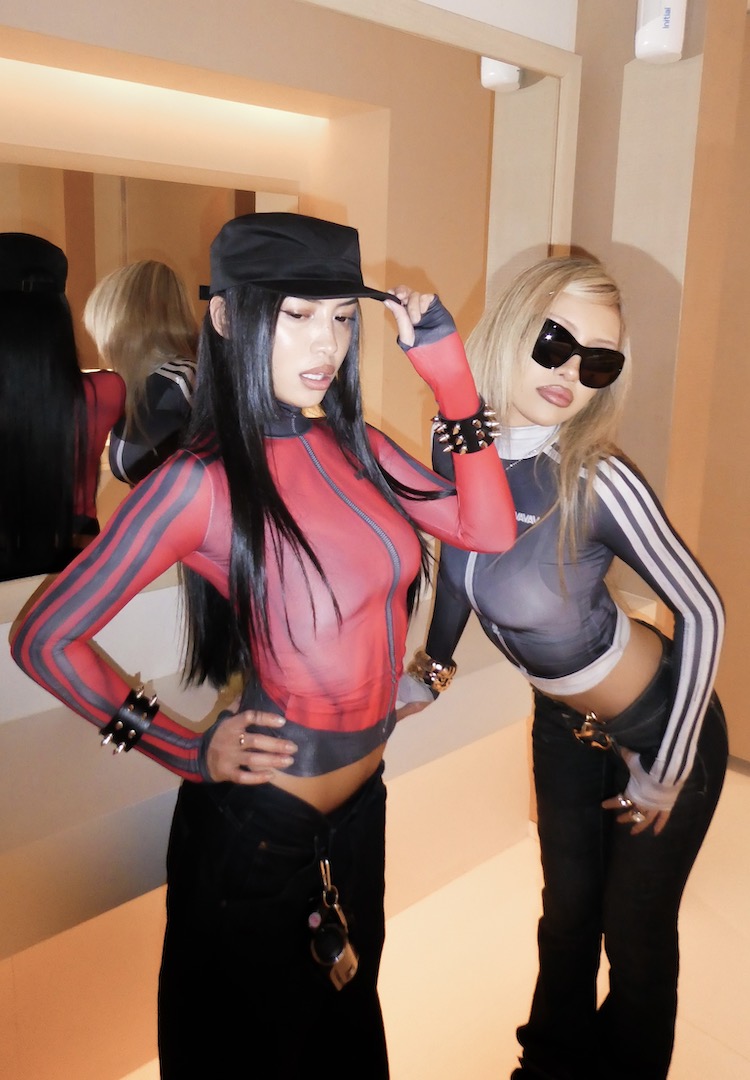
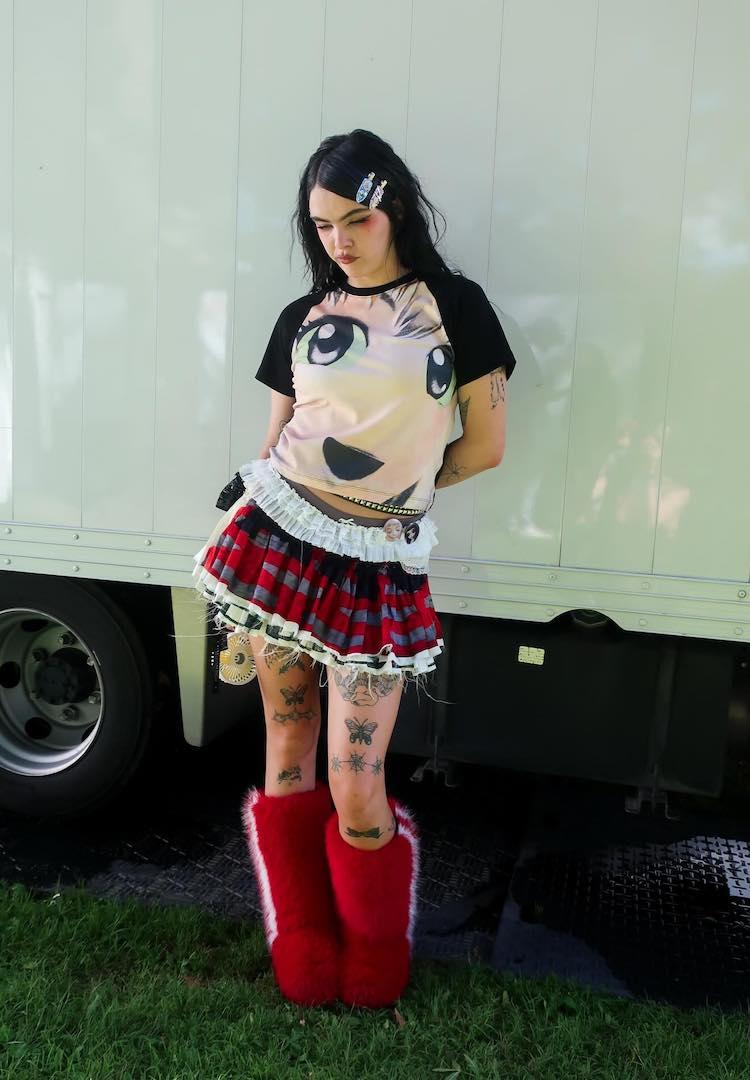
Nia’s wardrobe works on a similar principle of looseness. Her look draws on ’90s and 2000s rave influences, yet never reads as costume, so I ask where homage ends and ownership begins. Nia is unbothered by the distinction.
“I think my style is just me, it’s changed a bit since my last record and I borrow bits from all eras. I still like to style a C.P. jacket with a cute dress for stage, I’ll just drop the jacket once I get into my show flow.” It’s a considered piece of dressing that truly gets less precious by the minute.
That instinct extends to her collaborations with fashion brands, including Dr Martens, Nike, Peachy Den and the aforementioned C.P. Company. She takes her image seriously, and won’t compromise when creating work to ensure it looks and feels authentic to her. She’s blunt about the alternative. “You do see a lot of artists these days who just let the brand lead on that stuff, and it’s so obvious.”
Asked for the one thing she’d feel less herself without, she doesn’t hesitate: “My grills.”
View this post on Instagram
Practicality rules the festival question. With Beyond the Valley and Wildlands landing this summer, what are her non-negotiables on stage? “The main thing for me is always that I can jump around in it and my audio pack doesn’t fly out! I’ve seen a lot of fans at these first shows turning up in a similar style to me, so hopefully that happens when I’m in Aus this summer.”
And when the crowds disperse? “I hope they feel like an emotional junglist!”
Emotional Junglist is the album, the philosophy and, come December 29, the dress code.
Beyond the Valley sold out in presale, but Wildlands still has a limited number of tickets for both Brisbane and Perth. In January, Nia Archives will play two solo shows: at Melbourne’s Northcote Theatre and Sydney’s Metro Theatre.
Keep up with Nia here.
Liked this? You’ll love these...