

The dos and don’ts of buying vintage fur
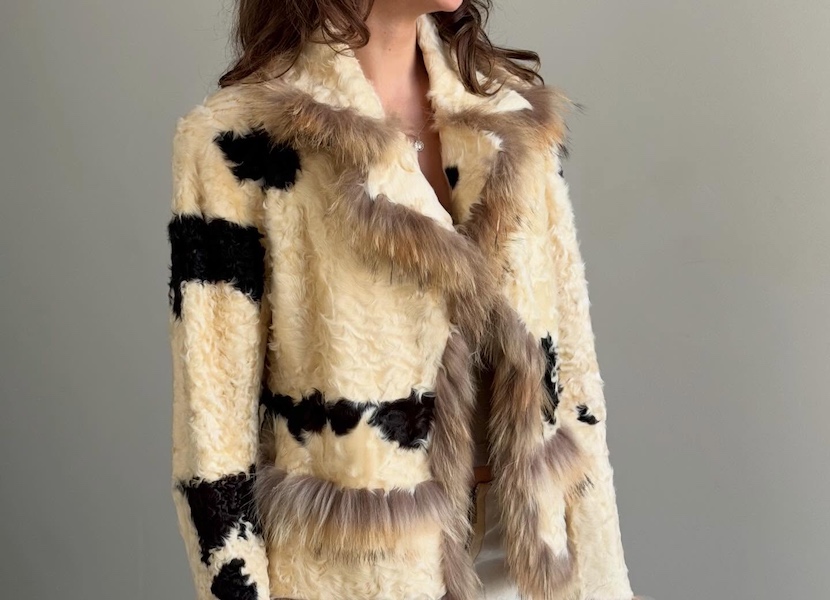
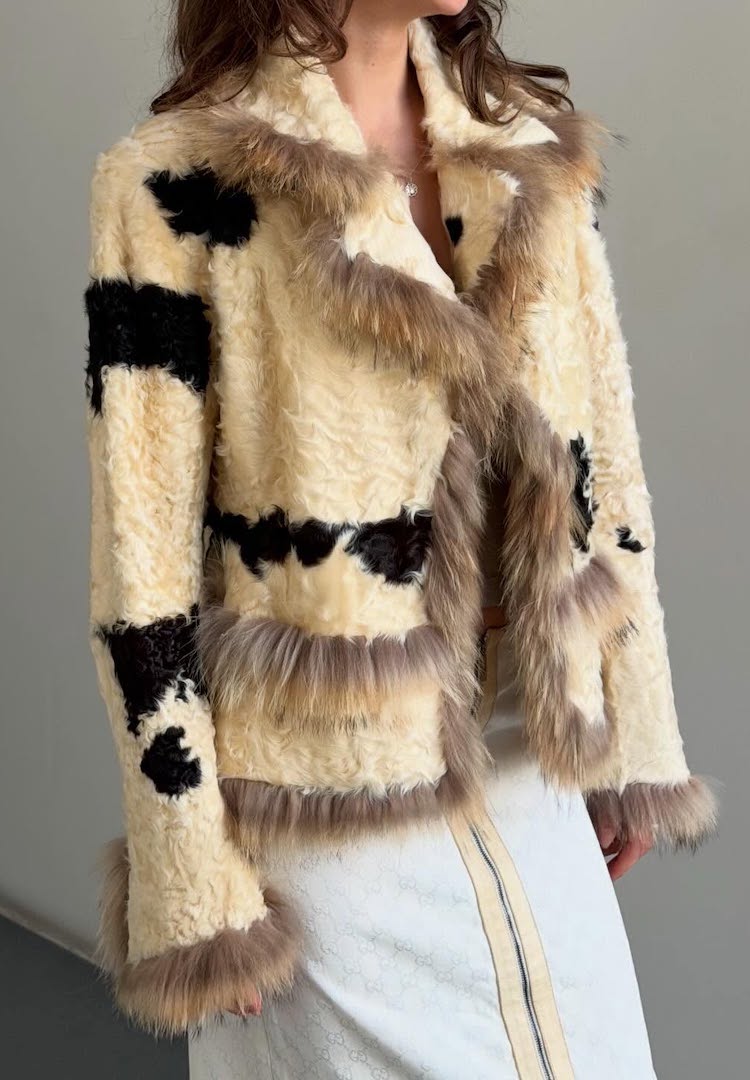
image via @guzziarchive/INSTAGRAM
words by daisy henry
A second life.
As someone born in the late ’90s in Australia, I grew up with a fairly strong anti-fur sentiment. I hadn’t inherited any vintage coats or coveted styles walking down Fashion Week runways. Instead, I associated it with splashes of paint on red carpets and PETA’s famous ‘I’d rather go nude than wear fur’ campaign.
Over the past few decades, major fashion houses have banned the use of fur in their collections, starting with Calvin Klein in 1994, followed by Stella McCartney in 2001. Gucci, Versace and Chanel banned the use of fur from 2018, with Prada and Miu Miu following suit later in 2020. However, it’s worth noting that LVMH, the owners of Fendi and Dior, have yet to follow suit.
Despite having fallen largely out of favour in the fashion world, fur has made a somewhat of a comeback in recent years – albeit in a different form than it took in the past. Fashion labels have introduced their own takes on faux fur, from Simone Rocha to Balenciaga, while vintage furs are growing in demand.
According to Arnie Kieldgaard, the owner and creator of Potts Point Vintage in Sydney, and Georgia Gordon, the curator behind vintage marketplace Guzzi Archive, while vintage furs have long been coveted by vintage crowds, they’re experiencing a resurgence more broadly.
View this post on Instagram
The appeal of vintage fur and the question of ethics
It’s hard to narrow the growing appeal of vintage furs down to just one cause. However, when I ask Arnie about the main appeal, he sums it up neatly: “It lies in its timeless glamour and sex appeal”.
In part, it relates to a general dismissal of the ‘clean girl’ in favour of Brat and ‘mob wife’ aesthetics, as well as a growing awareness of overconsumption and a move towards vintage, secondhand shopping. And, of course, the fact that they’ve stopped being made adds a level of exclusivity and scarcity.
On top of that are the environmental considerations. While faux furs (and new clothes more generally) involve the extraction of resources and the production of synthetic fibres, vintage furs have already been made. The notion that they’ve lived a long and storied life already adds to the appeal. “I love giving a new life to something that’s been discarded by someone else,” says Georgia.
Then there’s durability. “The fact they have lasted decades speaks for their quality,” adds Arnie. If sustainability is the question, then it’s generally better for the environment to buy something that’s already in circulation.
The vintage furs sourced by both Arnie at Potts Point Vintage and Georgia for Guzzi Archive, for example, have been around for decades. In some cases, vintage fur has been argued to be one of the most sustainable fashion items for its craftsmanship, warmth and durability.
On the other hand, animal rights advocates, including PETA, continue to strongly advocate against the use of fur. Whether it’s new or vintage, it’s seen by some to be morally reprehensible all the same, and to wear it is considered the same as promoting it.
Are all furs made equally?
Whatever your stance, vintage furs remain in the market nonetheless. For those who are interested in investing in a secondhand coat, there are a few considerations to keep in mind.
“Not all furs are equal and you get what you pay for,” explains Arnie. “Rabbit fur is thinner and breaks more easily, hence it’s cheaper. Higher-quality furs have thick skin and denser hair, providing more warmth. Exotic furs, like leopard, are the most expensive and command a premium.”
Georgia notes it also comes down to the craftsmanship. Where some fox fur coats can remain in good condition years on, others can deteriorate more easily.
View this post on Instagram
Care and condition
“One thing to keep an eye out for is whether there is a hole in the middle of a random part of the fur that’s flaky on the underside. This is likely dry rot,” Georgia advises. Both she and Arnie warn against this, noting that attempts to repair can be expensive and often futile.
“Keep a keen eye out for any holes, particularly around the arm seams,” Georgia adds. If you’ve spotted a seam tear, it’s fixable, though you’ll need to be careful as the weight of fur means they can rip easily. It also goes without saying, but you need to be just as careful when wearing the coat yourself. “Don’t be too rough or wave your arms around too much! I’ve torn so many under the arms.”
At the time of purchase, Arnie notes that it was commonplace to have your fur jackets routinely serviced when buying new. To extend the life of your own secondhand purchase, he suggests removing the lining if you can, and oiling the leather yourself.
When it comes to care, it’s important to store your vintage furs in a cool, dark space, away from sunlight. Though people used to store items with fur companies in the summer months (a pricey commitment), you can opt for breathable garment bags, padded hangers and lavender sachets to ward against moths.
“I take my furs out in rain or hail,” Georgia adds. “They’re super durable – just give them time and space to dry afterwards.”
For more on the ethics of vintage fur, head here.
Liked this? You’ll love these...