

The problem with thrift hauls: When op shopping becomes overconsumption
WORDS BY JADE NACIONALES
Is secondhand shopping always sustainable?
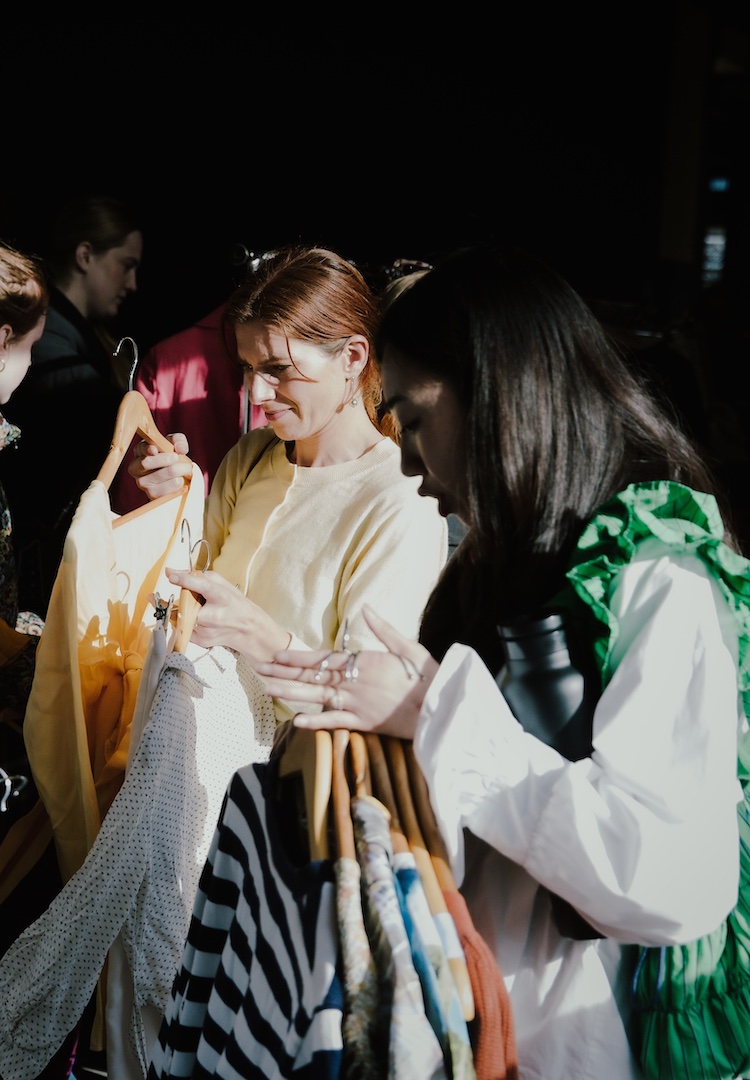
I have a well-documented weakness for a thrift trip. It can be the anchor of my entire day or a detour on the way home. There’s a thrill to unearthing something genuinely good: the fabric, the cut, the fact that no one else is wearing it.
Little compares to that feeling of striking lucky. The hunt is half the reward, and the story of where you found something becomes as much a part of the garment as the garment itself.
But I’m a victim of FOMO at the op shop – I would purchase an item fearing I’ll never see anything like it again. I proclaimed it kismet, the piece was meant to find me. As a result, my own wardrobe was overflowing with items that don’t see the light of day.
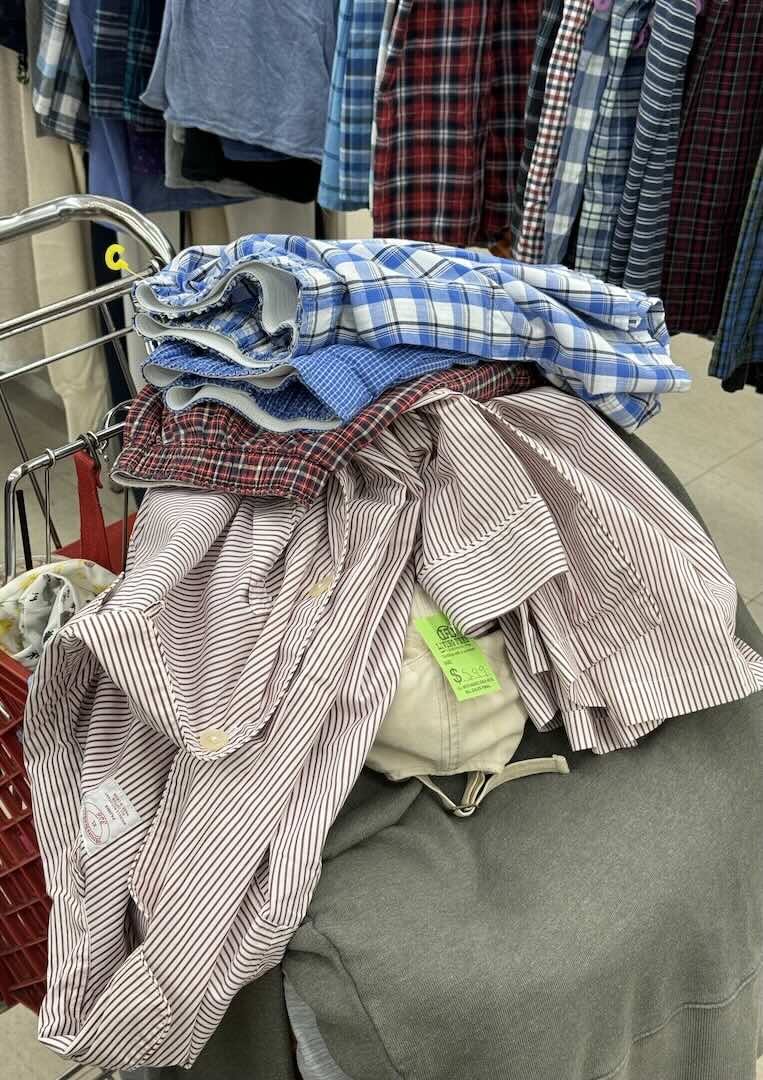
Almost everyone I know admits to owning too many clothes. The cycle is familiar – a closet cleanout, a pang of guilt over parting with something barely worn, and then another op shop trip as a reward. The clothes are secondhand, so the purchase feels responsible, even when I leave with many carelessly chosen items.
We all know the benefits of buying pre-loved fashion over new – it’s better for the planet and kinder to your wallet. But if you’re leaving the op shop with bag-loads of items you won’t wear, is it always the virtuous route?
Out of sight, out of mind
Australians are the biggest consumers of textiles in the world. On average, we buy 56 new items a year and one item will last only 12 months in a wardrobe. It’s no question that our buying habits need to be reassessed.
Each year in Australia, roughly 200,000 tonnes of textiles are donated to charity, which equates to about 250 million pairs of jeans. Simultaneously, another 200,000 tonnes of clothing are sent straight to landfill. Two streams of waste, near-identical in size, both driven by excess consumption.
Despite the volume of clothes we hand over to thrift stores, only a fraction is resold within Australia. The rest is shipped elsewhere, much of it exported to countries like Malaysia and Papua New Guinea, in the hope it will be resold.
Op shops made sense for a slower era. Volunteers and staff could thoroughly sort through local donations, resell most pieces and discard the small fraction of damaged goods. As donation numbers have climbed, charities today are left absorbing the overflow of our shopping habits, acting more like a holding bay before landfill.
Haul culture creating a disposable wardrobe
Adding to this overflow is the proliferation of haul culture. There was a time when fashion strictly adhered to seasons – a considered purchase, bought to last in a wardrobe. Now people are buying more than they need due to its affordability.
“We get a dopamine hit when we buy something new,” says Dr Alicja Kuźmycz, a fashion sustainability researcher based in Melbourne. “We feel good about it. We’re excited about it… probably more on the purchase side.”
That mindset – feeling good about buying, rather than owning – is what erodes permanence. “I think the problem is we’re not wearing it enough, and so we’re moving through things very, very quickly,” says Dr Alicja. “No matter how fabulous the pieces are that you’ve already got, if you keep adding to your wardrobe… there’s not enough days in the year to wear everything.” Her suggestion? Slow down enough to actually live in what you already own.
The real cost per wear
Every garment carries an environmental cost before it ever reaches an op shop rack – the water used to grow cotton, the energy to dye and weave fabric, the emissions from shipping it around the world. That cost is ‘paid off’ but only through wear. A dress worn 50 times has, in effect, divided its footprint by 50. A dress worn zero times hasn’t divided it at all.
“If you’re buying constantly from the op shops and not wearing them very much, you’re not really giving those pieces another second life… you’re still not extending the life of that garment enough to cover its carbon footprint,” explains Dr Alicja. “Very quickly too, they can get damaged… and it might actually end up in landfill instead if it’s not been looked after.”
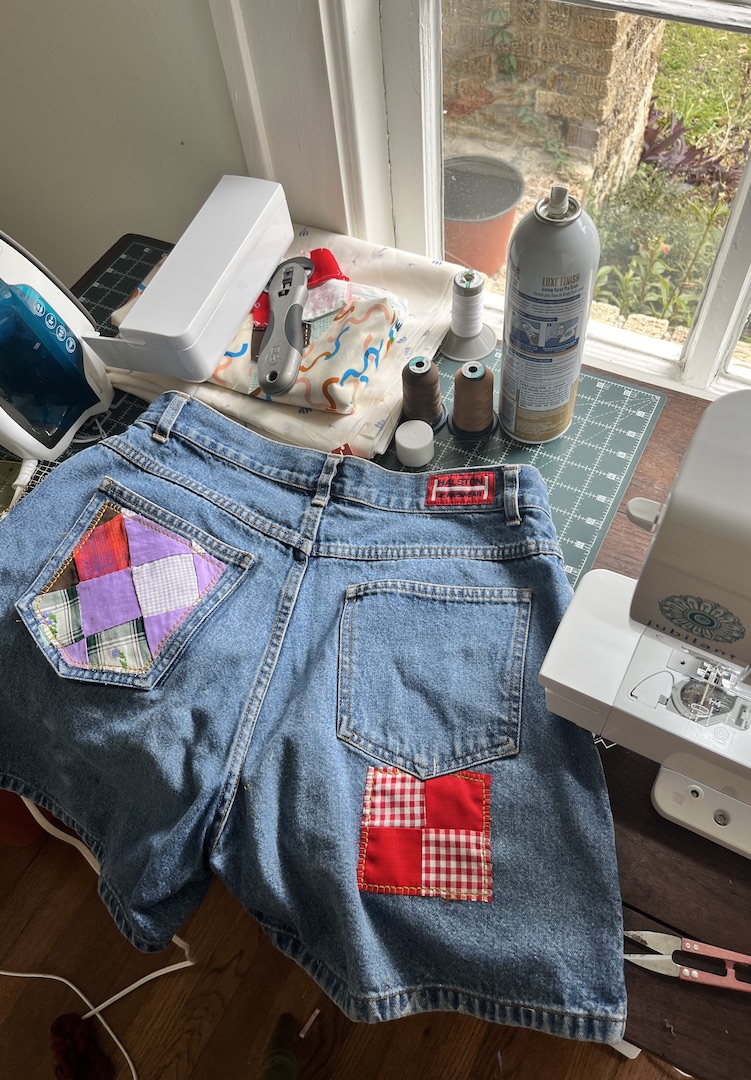
If there’s something you don’t reach for in your wardrobe, try upcycling it first. I can’t count the times I’ve almost donated something because I only envisioned wearing it one way. A skirt can become a strapless top, a collared shirt can be tied at the waist for dimension, you can cut a long sleeve into a tank – there are endless ways to work with what you already have.
I now find myself truly cherishing my secondhand items, simply because I put more thought into the purchase. I always create a plan of attack for specific items I’m looking for and if I am ever on the fence about an item, I leave it behind.
For more on secondhand shopping, head here.
Liked this? You’ll love these...