It’s a question that four fashion insiders hope to tackle at this year’s Melbourne Fashion Week (M/FW).
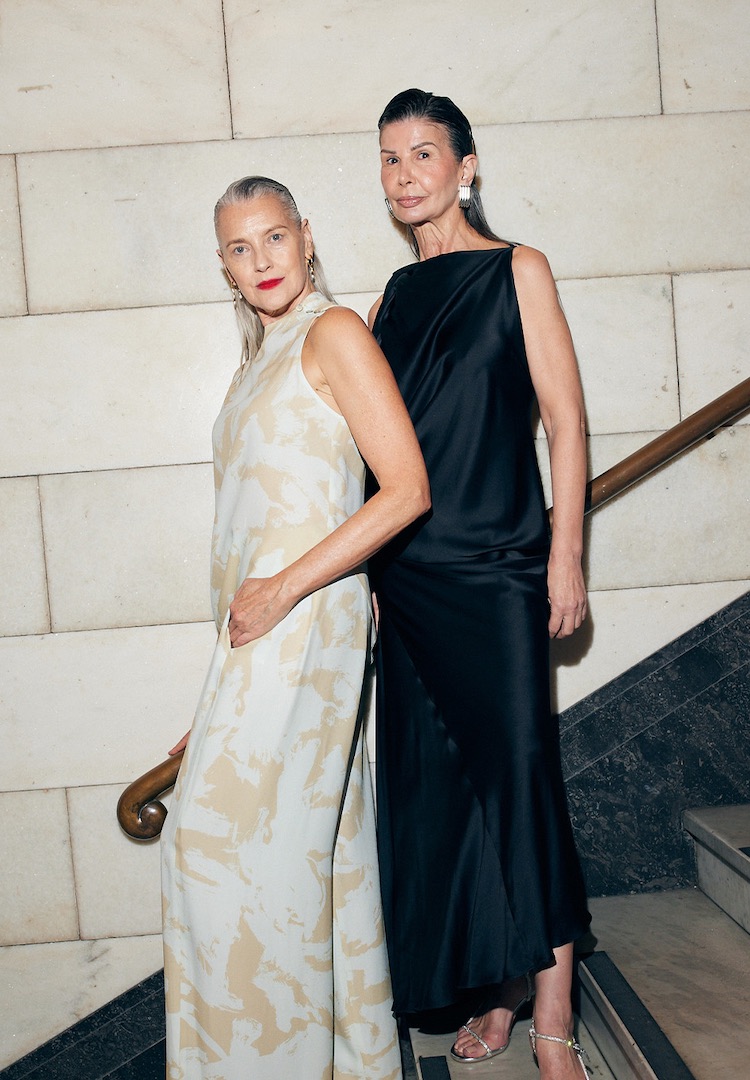
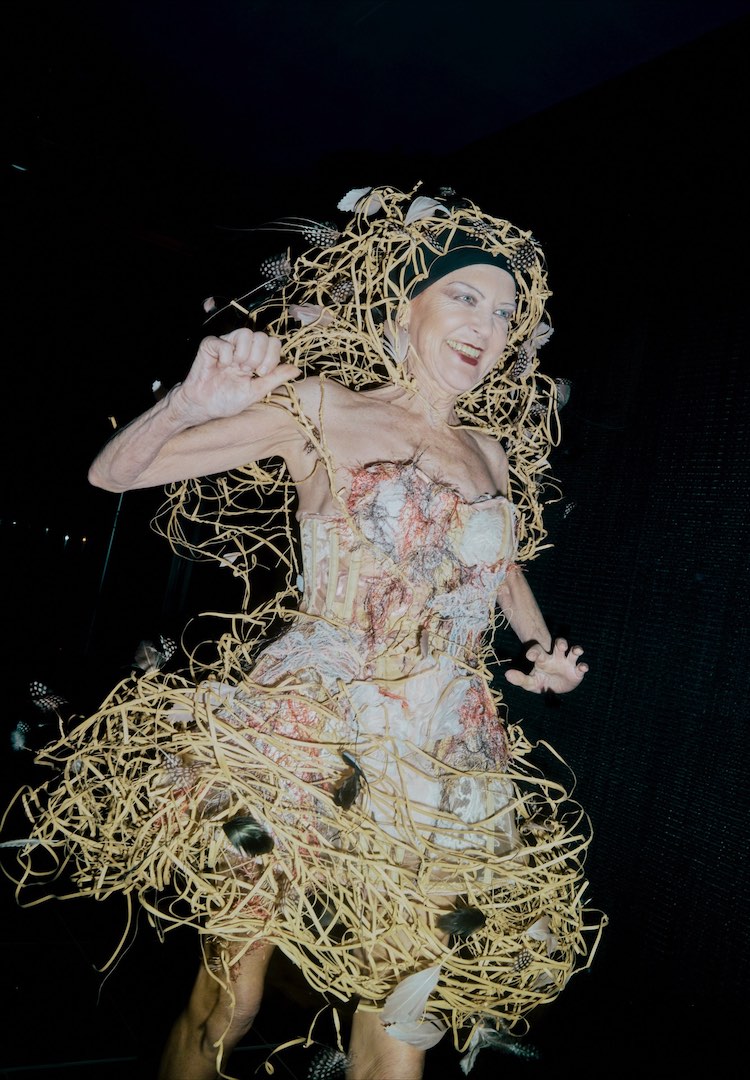
Joan Didion for Celine. Joni Mitchell for Saint Laurent. Dame Maggie Smith for Loewe. What do these three fashion campaigns have in common? These iconic women were all over 70 when they posed for three of the biggest fashion houses in the world. And yet, despite the overwhelmingly positive media coverage that followed these campaigns, these women are in the vast minority when it comes to representation in fashion.
We’ve arguably made excellent strides when it comes to representation of many areas of fashion and diversity reporting – however, we’re still lagging behind on age. As we see younger models overwhelmingly represented in casting choices for not only the runway but also marketing campaigns, many fashion outlets rarely even cover the stats on ageing representation.
For more fashion articles and features, head to our Fashion section.
While Vogue releases a comprehensive size inclusivity report each year, they choose not to track age inclusivity. The Fashion Spot used to track age demographics across runways, but has scaled back their reporting since the 2022 report showed that women over 50 were represented in less than one per cent of model castings. And while many outlets are claiming there’s a lift in age representation of late, it’s rarely backed up by hard statistics.
Given women over 40 made up 56 per cent of all clothing purchases in 2022, with their spend trending upwards, it’s a mystery as to why the industry seems to ignore their older demographic when it comes to runways and ad campaigns. And if it’s all about following the money, surely it should be boomer-city, considering their per capita spend on clothing in the US was 21 per cent higher than millennials and gen Z in 2023.
Similarly, in Australia, research has found that older women are not only more likely to make more expensive in-store clothing purchases than the rest of the population, but also spend 40 per cent more on clothing in-store than their younger counterparts.
Perhaps the marketing cohort will tell you that it’s all about aspiration? That younger models are more likely to sell to older consumers? Well, according to Ben Barry, founding director of the Centre for Fashion Diversity and Social Change, the organisation found that women were 200 per cent more likely to spend money when they saw models reflecting their age, and decreased by 64 per cent when they didn’t feel represented.
With 56 per cent of the country’s wealth held by those over 55, and less than two per cent held by Gen Z, it just doesn’t add up – particularly when you consider that Gen Z also hold the title of the ‘least loyal’ fashion consumer cohort, and overwhelmingly shop cheaper brands. So why the lag on representation?
It’s a fascinating topic that four fashion insiders hope to tackle at this year’s Melbourne Fashion Week (M/FW). Helmed by prominent journalist Virginia Trioli and featuring Public Relations powerhouse Kate Keane, founder and CEO of Clothing The Gaps Laura Thompson, and Melbourne stylist Sally Mackinnon, MFW Conversations is running at the problem head-on during their Visible and Valued talk, presented by Australian College of the Arts.
It was a panel that Sally pitched to M/FW after experiencing her own issues with ageism. “As a 54-year-old woman, I’m sick of not seeing my age demographic represented in the brands that I shop,” Sally tells me. “Social media opened up this huge world, which should be a great thing for inclusivity and diversity in fashion, but I feel like it hasn’t happened yet.”
“Fashion loves youth but it sells to women over 50,” she says. “There’s a clear disconnect between who the industry markets to and who is actually spending. This panel is about closing that gap.”
It promises to be a lively panel, with Kate telling me she has a different view to many others on the subject. “Social media plays such a major role in how we discover and follow brands but it naturally skews towards generations who have grown up with it,” she explains.
“We see brands actively looking for more creators over 50, but there are still relatively few established voices in that space… if more women over 50 were visible within the creator economy, I think we would naturally start to see more brands showing up for that demographic too.”
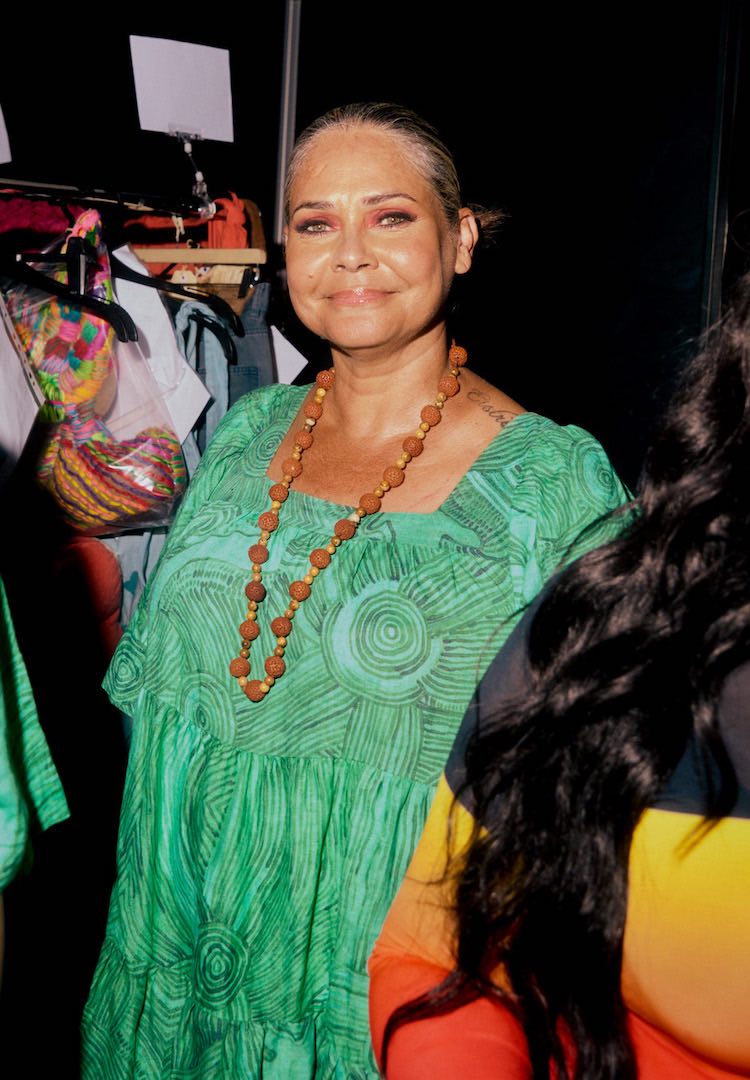
For many of the women I speak to about this topic, it’s about feeling the respect from the industry, something that Clothing The Gaps’ Laura Thompson is familiar with, as it’s a perspective already embedded into First Nations culture.
“For First Nations people, our Aunties and Elders are the most respected people in the room,” says Laura. “At Clothing The Gaps, our matriarchs have been in our campaigns from day one. They influence people and they build trust, and that transfers to us. They’re valued in our community, so we make them visible.”
And that’s what it’s all about, isn’t it? What we’ve been working towards? To make us all visible, whether that’s in-store, scrolling on Instagram or at Fashion Week itself. And the Visible and Valued talk does just that.
M/FW Conversations: Visible and Valued is presented by Australian College of the Arts and takes place at State Library Victoria Conference Centre on Tuesday 19 October as part of Melbourne Fashion Week. To purchase tickets, head here.