

Introducing Āhuru: the Aotearoa-made knitwear label blending comfort, craft and conscious design
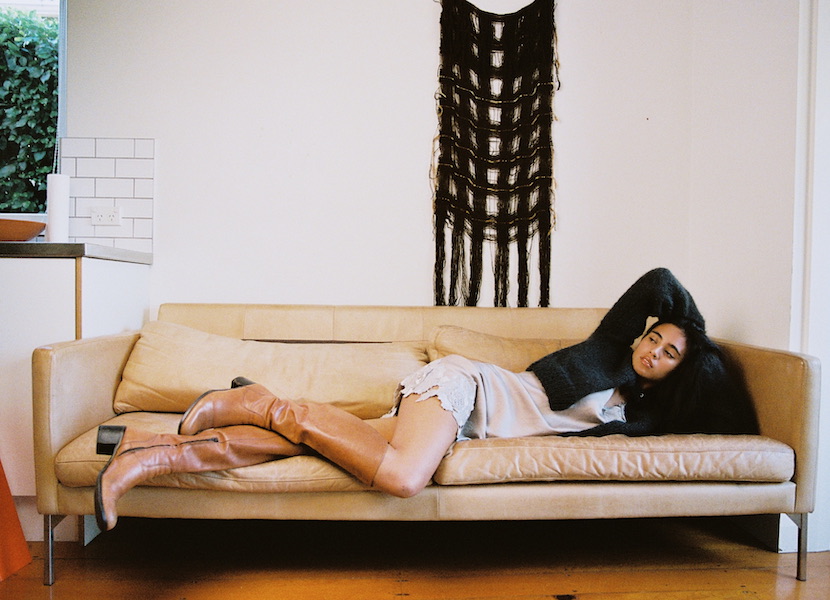
PHOTOGRAPHY BY DYLAN MARTIN
WORDS BY RUBY FOX
“Storytelling sits at the centre of the work.”
New Zealand-based designer, Natalie Robb (Ngāti Whakaue), began her knitwear journey at home on the Māhia Peninsula with her family. She grew up watching those around her create garments for the people they loved, and after making a jumper for a close friend, her passion only grew.
This eventually led to the creation of her own label, Āhuru. Originally launched in 2023 as ‘Amélie‘, the new name marks a new chapter in the evolution of Natalie’s practice. It also signifies warmth, comfort and shelter – ideas that she hopes to transfer into her garments.
For more fashion news, shoots, articles and features, head to our Fashion section.
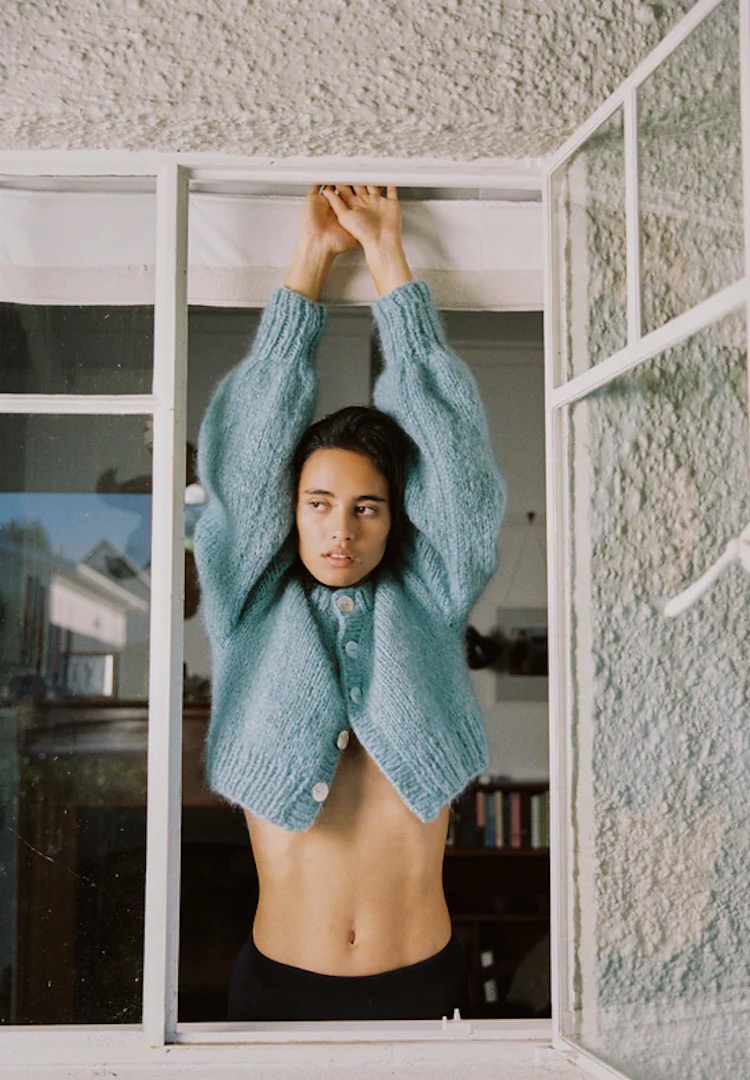
Āhuru’s debut collection, Heirloom, comprises button-up cardigans, vests and knitted balaclavas that feel unique yet effortlessly wearable. Each piece is handmade with care using homespun wool, a fabric she’s long loved for its character. “It’s not uniform, and that makes working with it exciting, as I’m not really sure what to expect.”
Natalie is also part of a craft group in Te Māhia, a secluded peninsula on the east coast of New Zealand’s North Island. Together, the wāhine (women) spin, dye and pass on knowledge through their hands. “Being around them has shaped so much of my practice. I’ve learnt to spin, felt, weave, crochet and dye through their guidance.”
View this post on Instagram
Fashion Journal: Hi Natalie! Tell me a little about yourself. What’s your fashion background?
Natalie: Tēnā koe! My name is Nat Robb (Ngāti Whakaue). I grew up in rural Aotearoa, and am currently living in central Tāmaki Makaurau (Auckland). We moved up from a small, remote coastal place called Te Māhia a year ago. We still have our house down there, so head back as often as we can. I’m very lucky to be able to dip in and out of both worlds.
I don’t have a formal background in fashion! One day, I picked up some knitting needles and the rest is history. I’ve worked in sustainability and climate change for close to 10 years and I’m now focusing more of my time on Āhuru.
How did your fashion label first begin?
It was very organic. My brother was knitting for his girlfriend, and my mum was crocheting bags for family members. It inspired me to make something myself, so I got them to help me figure out what pattern and yarn to buy. I became obsessed, like crazy obsessed, with finishing a jumper for my friend. I was constantly calling my brother, mum or my friend for help and I was so determined to finish it and see what it looked like. The first jumper must have looked okay because more friends started ordering from me!
I initially only charged them for the yarn and would knit them jumpers as I just loved doing it and seeing them worn by friends. Having a friend or someone close to me order a knit is still one of the best parts of my brand. After knitting many jumpers for friends, I decided to start posting them on a private Instagram page I named ‘G-U-Knit’. It was just a space to share my creations with my friends.
Eventually, people were sharing my knits on their stories and friends of friends started requesting to follow and ordering, so I thought, why not make it public and see how it goes? And here we are.
View this post on Instagram
What are you hoping to communicate through Āhuru?
Āhuru is constantly evolving, and where it sits now feels like its most considered phase yet. Storytelling sits at the centre of the work, shaped by what I’ve learnt from others, and how those experiences continue to inform my practice.
I’m part of a craft group in Te Māhia, where many of the wāhine have been spinning, weaving, knitting and dyeing for 40 to 60 years. They carry a depth of knowledge in slow, fibre-based practices passed down through their tīpuna (ancestors). Being around them has shaped so much of my practice. I’ve learnt to spin, felt, weave, crochet and dye through their guidance.
Through Āhuru, I want to communicate these slower ways of making and the beauty that exists within rural and remote communities. My work aims to honour the traditions held within small communities like Te Māhia and bring them forward through contemporary fashion.
Craft has brought this group of women together through a shared love of fibre, and that sense of connection sits at the heart of the work. I am proudly Māori, and I try to thread my connection to te ao Māori through my mahi, while continuing to uplift te reo Māori and our tino rangatiratanga.
View this post on Instagram
What kinds of materials do you love working with and why?
I love working with homespun wool. It has so much character and it’s different depending on who has spun it. It’s not uniform, and that makes working with it exciting, as I’m not really sure what to expect. I also have to give a special shout-out to mohair – I have used mohair from day one!
What do you think is unique about the fashion industry in New Zealand, and what needs to change?
I can really only speak to my own experience, but I’ve had a very positive one. There’s a strong sense of support and collaboration here, especially for smaller brands.
We have incredible designers like Rebe, Porter James, and Harris Tapper, and the wider creative community is just as strong. Our stylists, like Estelle Schuler and Natasha Ovely, and photographers such as Holly Sarah Burgess and Dylan Martin are some of the best in the world. It’s a really positive, collaborative environment.
If anything, I’d love to see more funding for local production and upskilling to support this where possible. I understand the limitations for production onshore currently – manufacturing options here are limited and it’s not always viable, but continuing to invest in and rebuild local capability would make a big difference.
View this post on Instagram
Where can people buy your pieces?
Through my website and The Shelter in Auckland.
Anything else you’d like to add?
Big shout out to my friends, whānau, Māhia spinners, Someday Studio, and everyone else for the constant support and encouragement, ka nui te mihi aroha.
You can follow Āhuru here.
Liked this? You’ll love these...