

A closer look at The Social Studio’s community driven approach to fashion
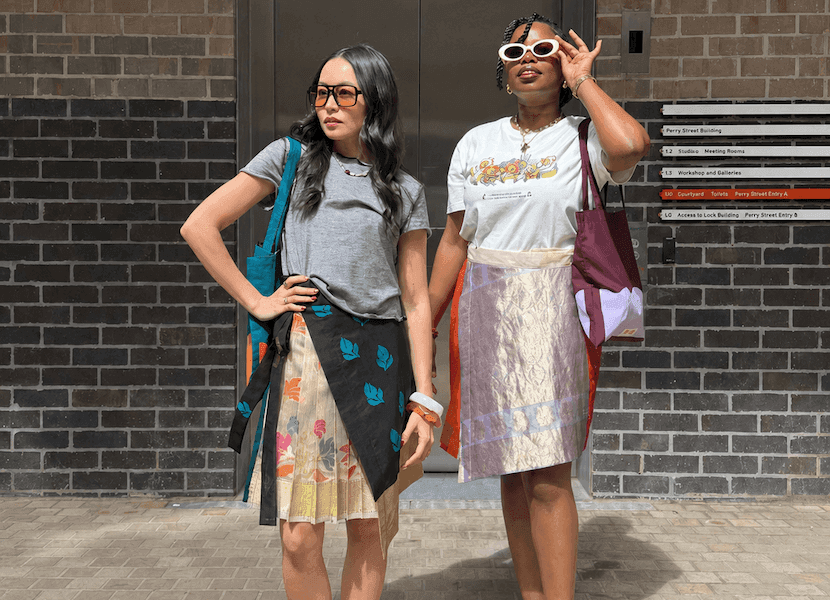
IMAGE VIA @thesocialstudio/INSTAGRAM
WORDS BY RUBY FOX
A fashion statement.
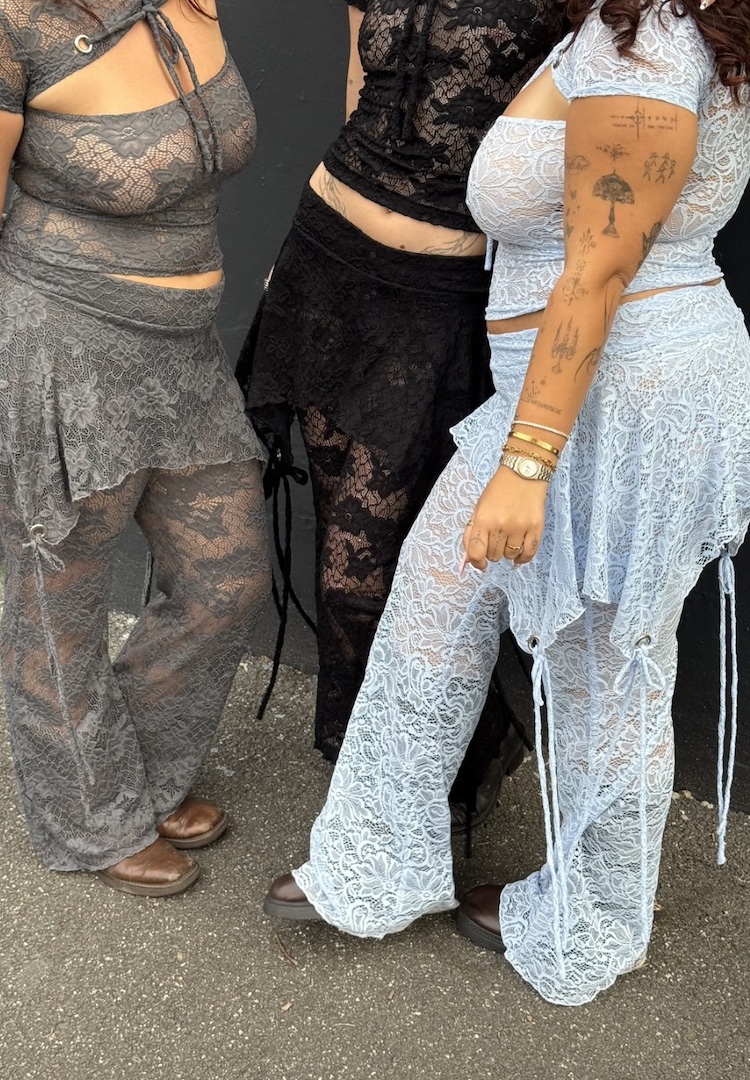
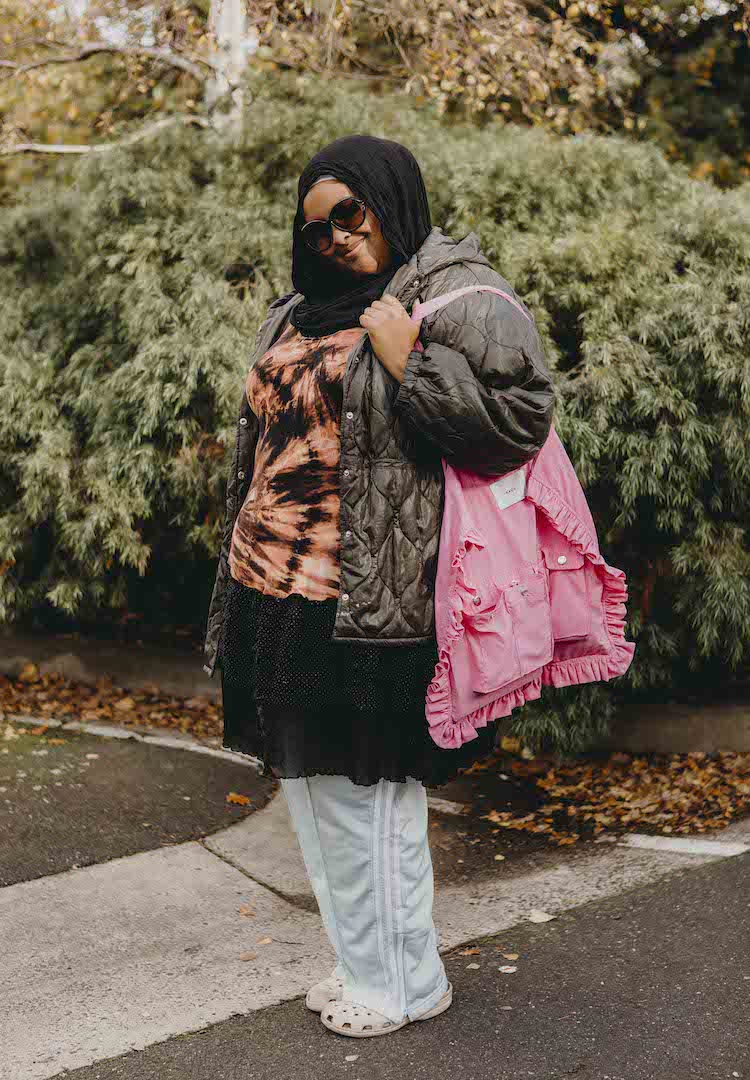
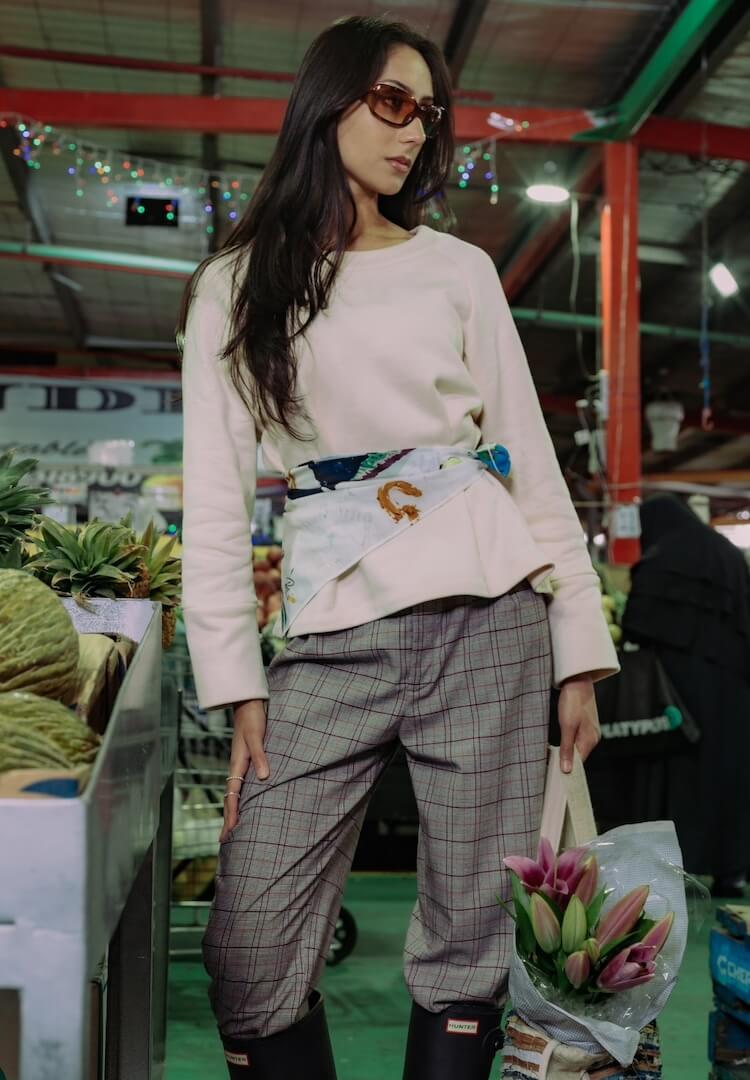
Since launching in 2009, Melbourne-based fashion label The Social Studio has grown into far more than a place to find beautiful pieces. As a not-for-profit fashion retailer, manufacturer, studio and fashion school, it has become one of the city’s most multifaceted fashion organisations.
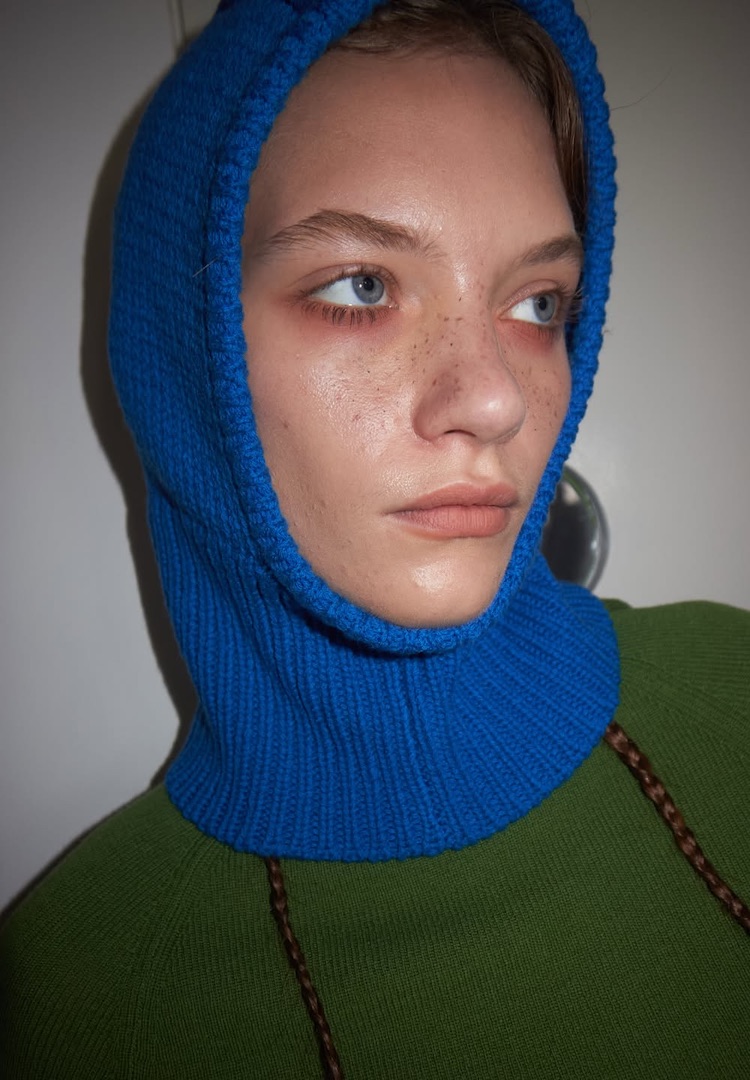
From tailored pants, plaid skirts and tie-dye dresses to sewing workshops and knitting classes, it brings design, education and employment together in one space, running out of Collingwood Yards.
For more fashion news, shoots, articles and features, head to our Fashion section.
The Social Studio’s goal is to empower people from refugee and migrant backgrounds through crafting, creating and learning. Each garment tells the story of the person who made it and each sale helps create new opportunities.
Here to tell us how is Dewi Cooke. After an extensive career as a journalist, focusing on social and welfare issues, Dewi wanted to bring this same sense of purpose to the fashion world. Now, as Chief Executive Officer at The Social Studio, Dewi takes care of the business while prioritising the people behind it.
Fashion Journal: Hi Dewi! Can you tell me a little bit about how you pivoted into fashion?
Dewi: I spent more than a decade at The Age where I reported across a range of news areas but mostly specialised in covering social and welfare issues and, later, the arts. I freelanced for several years after leaving The Age but I missed the sense of purpose that being in the newsroom brought. My former editor, Farah Farouque, was chair of The Social Studio and I was interested in being part of an organisation contributing to a greater good. In early 2020, I joined the board. One month later, Melbourne went into its first Covid-era lockdown and by October 2020 I was CEO.
View this post on Instagram
How did The Social Studio first begin?
The Social Studio was established on Smith Street, Collingwood, in 2009 by Dr Grace McQuilten, who is still on the board to this day. Grace had a vision of using creative social enterprise to support refugee and asylum-seeking young people through their settlement journey in Australia – a physical space that would provide them with opportunities to engage with work and education in a trauma-informed way.
It started with upcycling donated clothing and quickly evolved into a Certificate Three training program in apparel, fashion and textiles, delivered with our longtime partner, RMIT. There was even a much-loved cafe and fabric printing enterprise at one stage. In 2020, we moved to our current home at Collingwood Yards, where we still run our free Certificate program. Now, we also have professional manufacturing, mending and retail enterprises, our own in-house fashion label and we deliver award-winning creative projects.
Why was it important to work primarily with people from refugee and new migrant backgrounds?
Research into settlement experiences for refugees and forcibly displaced people pretty clearly shows that English language proficiency, disrupted education and a lack of local networks are all significant barriers to their social and economic participation in Australia. Our work tries to help people break through those barriers and build confidence in themselves in doing so. Caring for people who have come to this country seeking refuge and hope for a better, safer future is what being part of a community is all about.
What exactly does the team make?
Our amazing team is made up of Cynthia (production manager), Masoomah (production and design assistant) and seamstresses Nyamal, Ani and Loan. Besides our own in-house label, we also manufacture for small-to-medium brands, arts centres and some government and corporate clients. We are clothing specialists, but we can also do accessories and homewares.
View this post on Instagram
Can you tell me a little about the studio’s production process?
We are really proud to still be manufacturing clothing in Collingwood, which was once such a hub for the local industry. We are Ethical Clothing Australia accredited, which means we open up our books to the union each year and go through an audit to ensure our staff are treated fairly, paid properly, and work in a safe environment.
Importantly, this also means that we prioritise working with other local suppliers like pattern makers and screen printers. This means that not only are we helping reinvest in the local economy, but also making more sustainable choices by being part of a hyperlocal supply chain.
The Social Studio works with a lot of deadstock fabrics. What are the benefits and challenges involved with this?
Deadstock is excess fabric from brands or mills that need to find a new use. Utilising what is already circulating in the system, rather than commissioning new virgin materials, is one of the most environmentally conscious choices you can make when designing new clothing.
The difficulty is that sometimes these fabrics are deadstock for a reason – there may only be limited quantities left, or there was a flaw in the roll or the range of available colours is not broad enough. These are all constraints you have to work with and it can be disappointing for our designer when sometimes less fabric than we need is available, or a fabric arrives that looks and feels completely different to what’s expected. In those moments, we often have to think quickly to come up with a solution, which is how we wound up with our cute quilted vest this season!
View this post on Instagram
What other fashion labels does The Social Studio stock in-store?
Besides our own brand, we also stock the work of other First Nations and culturally diverse creators in our store. Some, like Melbourne label Remuse, have been friends and collaborators of the studio for years, while others, like social enterprise Music in Exile, we’ve got to know since moving to Collingwood Yards. We stock more than 40 different makers, including some of our own graduates, and mostly we find them by just keeping an eye on social media and looking for interesting work.
What do you think needs to change in the Australian fashion industry?
The industry has become much better at showing diversity on runways and in campaigns but it would be great to see more opportunities for culturally diverse designers on some of the big stages. As a manufacturer, we would love to see more big brands bring some of their manufacturing back to Australia and support the longevity of the local industry.
Who are your dream Australian collaborators?
We would love to collaborate with Christian Kimber. We’ve never done a menswear collaboration before and big brands like Aje. But we love working with small brands and artists, too. I’d love to do something with local label Soliela or an artist like David Sequeira.
View this post on Instagram
What courses do you offer and who can join?
Our two-year Certificate in apparel, fashion and textiles is our flagship program. This is an RMIT qualification, but to be eligible to study at the studio, you need to have come from a refugee or non-English speaking new migrant background and have a Health Care Concession card. RMIT offers the same qualification on its Brunswick campus to the general public.
We also run social sewing classes for students and alumni, and have a traineeship program for our graduates to do paid work across manufacturing, mending and retail. We’ve been asked to teach workshops to the general public, so we recently launched a series of creative mending and repair workshops in May and July.
Where are your hopes for The Social Studio over the next five years?
We see a lot of potential in mending and repairing, both as a pathway into work for our students and also as a way to build community. We would love to develop a mending-specific curriculum and expand our paid workshops program. We’re investing a lot in our in-house brand at the moment and, again, see that as a vehicle for impact where students can be involved in design and our customers can support locally-made fashion that’s kinder to people and planet.
How can people support your work?
Shopping with us or attending one of our workshops is a great way to support us. Not only are you helping to fund programs but also providing more opportunity to work for our students and community. With the end of the financial year coming up we are also accepting donations. Anything over two dollars is tax-deductible.
To learn more about The Social Studio, shop its in-house label, book a workshop or donate, head here
Liked this? You’ll love these...