


How do fashion and lifestyle brands scale without losing their sense of identity?
On keeping the all-important niche.
‘Starting is the hardest part.’ It’s a platitude uttered in TED Talks and red-carpet interviews, printed on motivational mugs and shared to your mum’s Facebook page alongside Minion memes and badly cropped sunset vignettes. If you’re looking for a sign to launch your own fashion label, it’s a sentiment that might move you to take the leap. But then what?
In fashion, visual identity is everything and carving out space in a crowded market is no easy feat. When so many brands offer similar products, marketing and storytelling are often the levers that move the needle – but not always in the right direction. So, after working in fashion retail and advertising agencies in Australia, Lewis Bolton spotted an opportunity.
Looking for a new nine-to-five? Head to our Careers page for new listings daily.
“From both sides, I kept seeing the same gap. Brands with great product and strong creative were handing their advertising to people far removed from the brand,” he explains. “The work came out looking disconnected.”
In 2020, Lewis started his agency, Circles, to build the opposite: a small, selective agency that learns each business properly. Starting was the simple part: he approached the brands already hanging in his wardrobe (Alfred’s Apartment, Earls Collection, Vaucluse Studios).
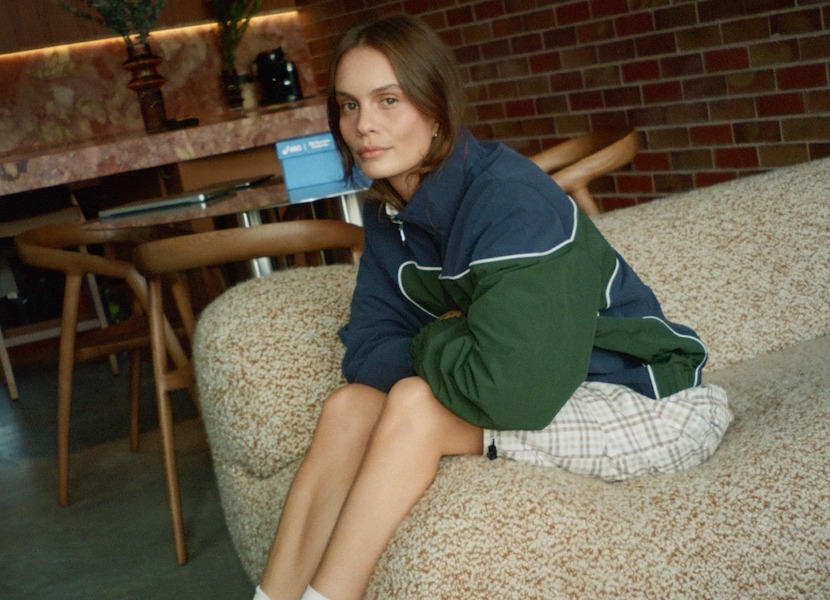
Circles Agency for Fleur Studios
For the last seven years, Circles has worked with fashion and lifestyle brands to connect creative thinking with commercial growth through paid advertising. Here, Lewis shares what it takes to scale a fashion label without losing sight of the all-important niche.
How do you help a fashion brand grow its sales and reach while staying true to its creative identity?
Start from the brand, not the platform. Look at what it already does well: its campaigns, product stories and photography. Build the advertising around that, rather than forcing it into a formula. Then let the data guide the volume, not the look. Test which stories, products and formats people respond to, then make more of those using the brand’s own creative. Separate reaching new customers from selling to existing ones, so you can see where growth is coming from. Sales have their place but shouldn’t be the only reason someone buys.
How has your background in fashion shaped your approach to working with brands today?
I’m an obsessed consumer and always will be. An ad should feel like an extension of the brand, not something bolted on to hit a sales target. Agency work taught me that feel isn’t enough. You need a deeper understanding of how the business operates and you need to be able to break the metrics down in a way that’s easy to digest for founders and marketing teams.
We’ve never treated brand and data as two different jobs. Every number gets tied back to the brand and every creative call gets checked against the numbers. I read creative like I’m inside the brand and data like a media buyer, then bring the two together.
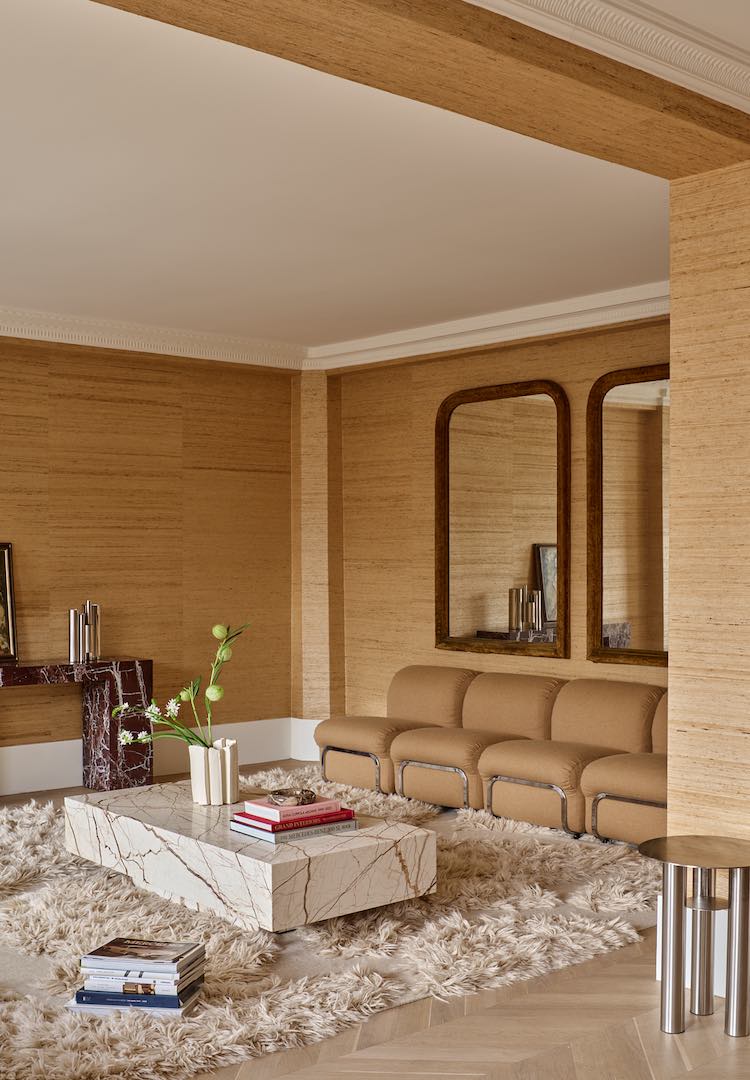
Circles Agency for Earls Collection
What makes Circles different from other agencies?
I think our approach to performance marketing is different. We merge data and creative insights, communicate clearly and always come with next steps. We also truly understand brand creative and the tone of voice of each partner. We don’t publish client results, either. Those numbers belong to the brands. We mostly work with fashion and lifestyle businesses, increasingly founder-led, and I’d rather talk about those relationships, some going back to our first year.
If we did share client results, there’s a good chance the agency would be bigger. But it’s a trade-off I’m not willing to make. It also isn’t always sunshine. There are bad months in business and a report doesn’t make it feel any better. We tell you what the data is saying, then make the judgment call together.
We also don’t hide our use of artificial intelligence. AI takes on the analysis, reporting and testing groundwork, giving us more time for strategy and review. I think of AlphaZero, the DeepMind system that learnt chess by playing against itself. Every test should feed the next decision. The machine finds the patterns; we decide what to do with them. I think it’s the best opportunity brands and agencies have ever had to connect the dots and find insights we’ve never had access to before.
What are some common mistakes you see fashion brands make when it comes to paid advertising?
Chasing ads that work for someone else, even when they look nothing like your brand. Setting budgets without understanding margins or what a new customer costs. You can get busier without getting more profitable.
Cutting prospecting when cash gets tight and relying entirely on people who already know you. It can look efficient while you’re losing future demand. Also, changing things too quickly. Give a test enough time to tell you something before moving on.
Can you share an example of a time Circles helped a fashion brand grow strategically?
StreetX started with a cold Instagram DM. Daniel, the brand’s founder, had run Facebook ads himself and was sceptical of both the channel and agencies. The challenge was making paid work for a brand built on drops and community. We started with a clear account structure, a focus on reaching new customers and creative that still looked like StreetX.
As the business grew, we built profitability tracking by drop and market, looking at product cost, shipping and what we were paying for a new customer, not just what the ad platforms reported. That gave us a clearer basis for decisions about spending and expansion into the United States.

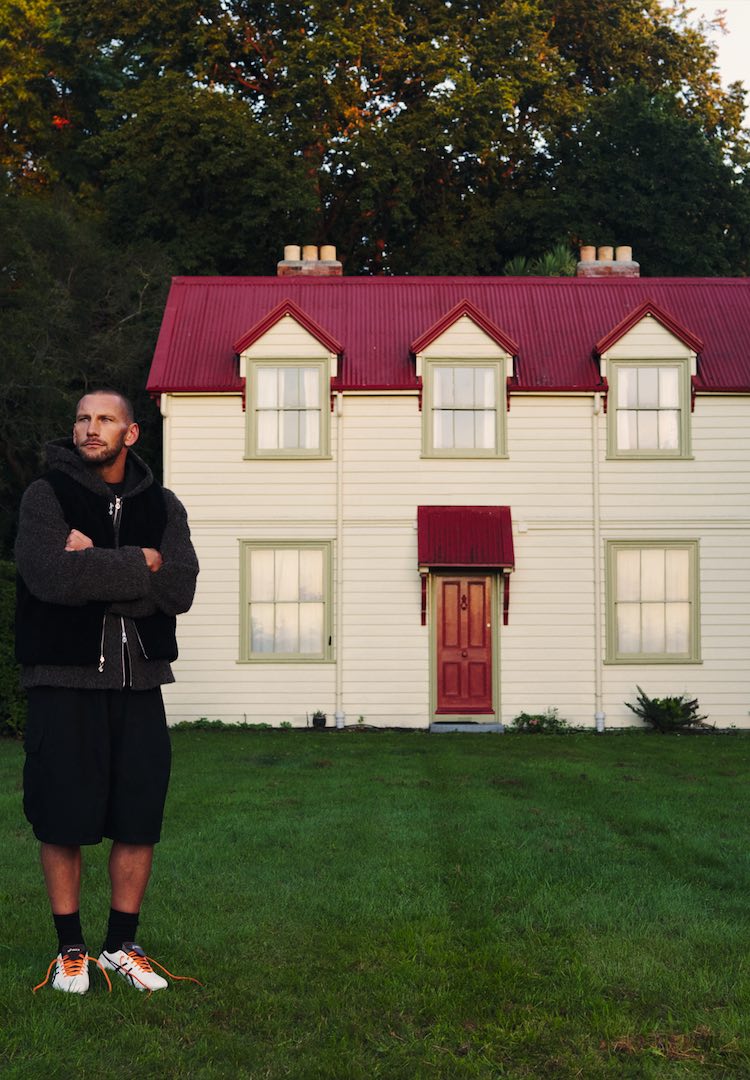
Circles Agency for StreetX
What’s your biggest piece of advice for fashion founders looking to take their business to the next level?
Know your numbers and connect them to the creative. It’s hard to make a confident decision when you’re guessing what’s working. Build the calendar and respect it: drops, launches, sales, restocks. Media works best when it’s planned around the business, not the other way around.
Shoot more than you think you need, in real settings, then use what you learn to decide what to make next. And choose partners you can build with. The longer we work with a brand, the better we understand the business. You don’t get that understanding overnight.
Over the last seven years, what have you learnt about the relationship between creativity and commercial growth?
They feed each other. The creative brings people in, and the data helps you understand what they responded to: the product, the world it lives in, the reason to buy. The data doesn’t tell you what to make. It tells you what to make more of.
Healthy margins also give a brand room to take creative risks. The commercial work matters because it helps pay for the work you want to make.
Paid media shouldn’t be a black box of spend in, numbers out. Every ad is a lesson about your customer: what stops them, what moves them, what they ignore. I’d like founders to expect more than a monthly report. What did we learn and what are we going to do with it?
Want to learn more about scaling up your fashion brand? Head here.
Liked this? You’ll love these...