

Is made-to-order the future of fashion? Three designers weigh in
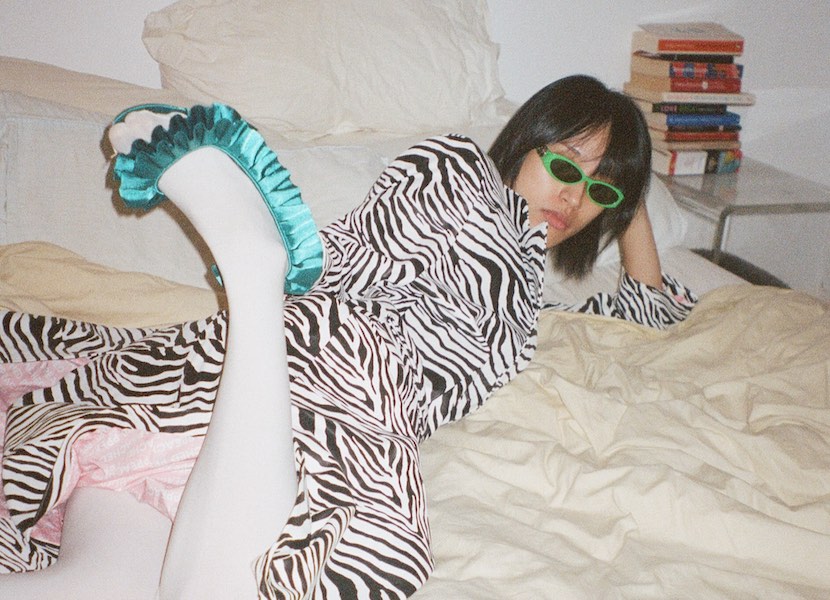
IMAGA VIA @PPEACHED__/INSTAGRAM
WORDS BY MARYEL SOUSA
“I don’t think there’s one answer.”
The inconceivable waste produced by the fashion industry is no longer a well-kept secret. We know fast fashion production pollutes our oceans and soil. We know 80 to 150 billion pieces of clothing are made each year, and we know most of those garments will end up rotting in a landfill somewhere in the Global South.
Sometimes, blame is placed on the consumer, who is told to support sustainable brands, choose secondhand or curb their buying habits. Other times, we admonish the producer, with their revolving door of stock that cannot possibly sell before next season. The truth is, the problem lies in the middle, nestled uncomfortably between supply and demand. Could we find the solution there, too? Perhaps.
For more fashion articles and features, head to our Fashion section.
A growing number of designers are embracing the made-to-order model. When clothes are made to order, everyone’s hands are clean. Brands needn’t worry about sitting on unsold stock and, with enough patience, consumers can still scratch the itch to buy. But there’s a question beyond whether or not made-to-order is a ‘good’ option: Does the model realistically hold the key to fashion’s future?
How and why it works
Made-to-order does what it says on the tin. Shoppers place an order, brands make the garment and the piece is shipped upon completion. Fashion lecturer, designer and developer of the Wardrobe Maths Calculator, Dr Alicja Kuzmycz, explains that the model’s benefit is twofold.
“Many brands struggle to pre-estimate the number of garments that will sell, not to mention the mix of sizes they’ll need; made-to-order is one way to mitigate overproduction,” she says. “It may also help individuals plan their wardrobe better, because it’s often a slower, more thoughtful process.”
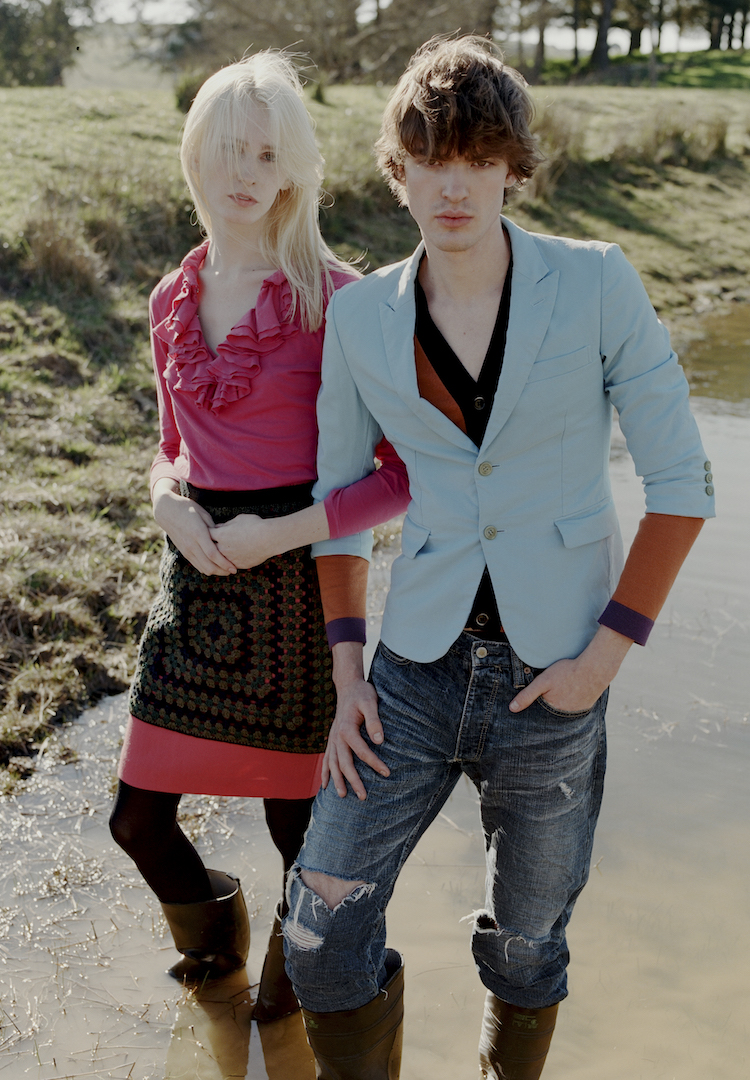
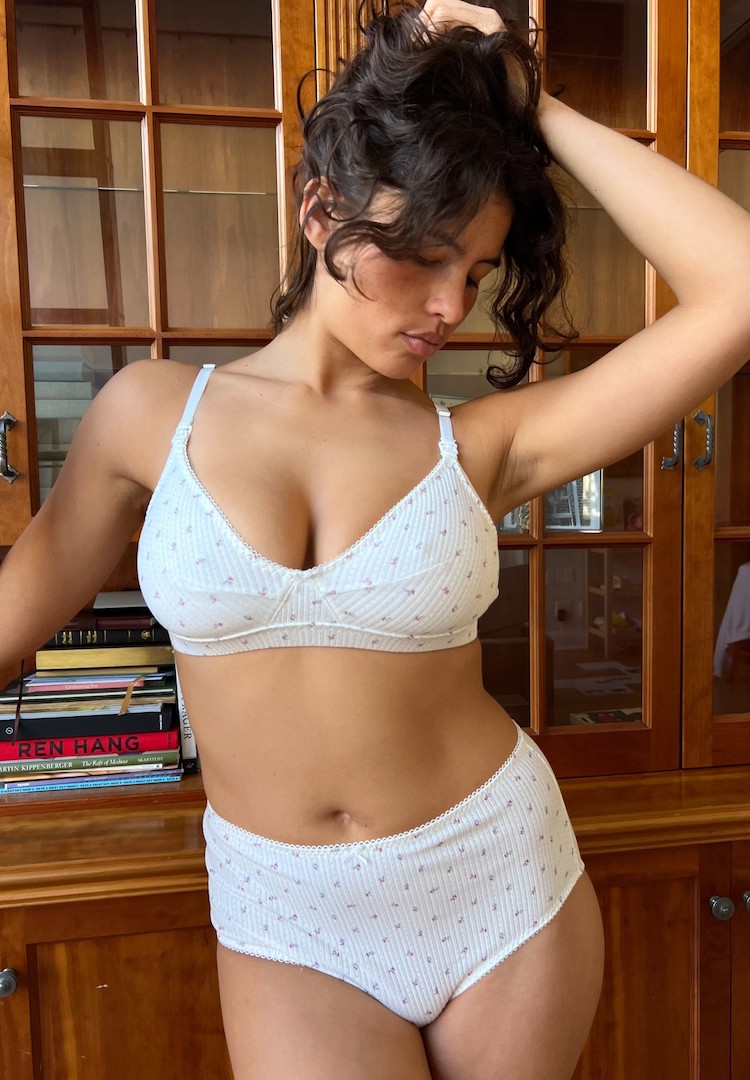
Small and emerging brands, in particular, reap the rewards. Elizabeth McPherson, founder of Ppeached, tells me the made-to-order model was always the easy choice for her brand. “From the start, I wanted to be really considered about how much stock we were producing. Made-to-order allowed us to understand what our customers were loving and produce based on real demand.”
When shoppers order from Ppeached, specialist makers in China move the piece into production, where it can be individually customised, cut, constructed and finished before undergoing quality control. Within three weeks, it will arrive at its new home.
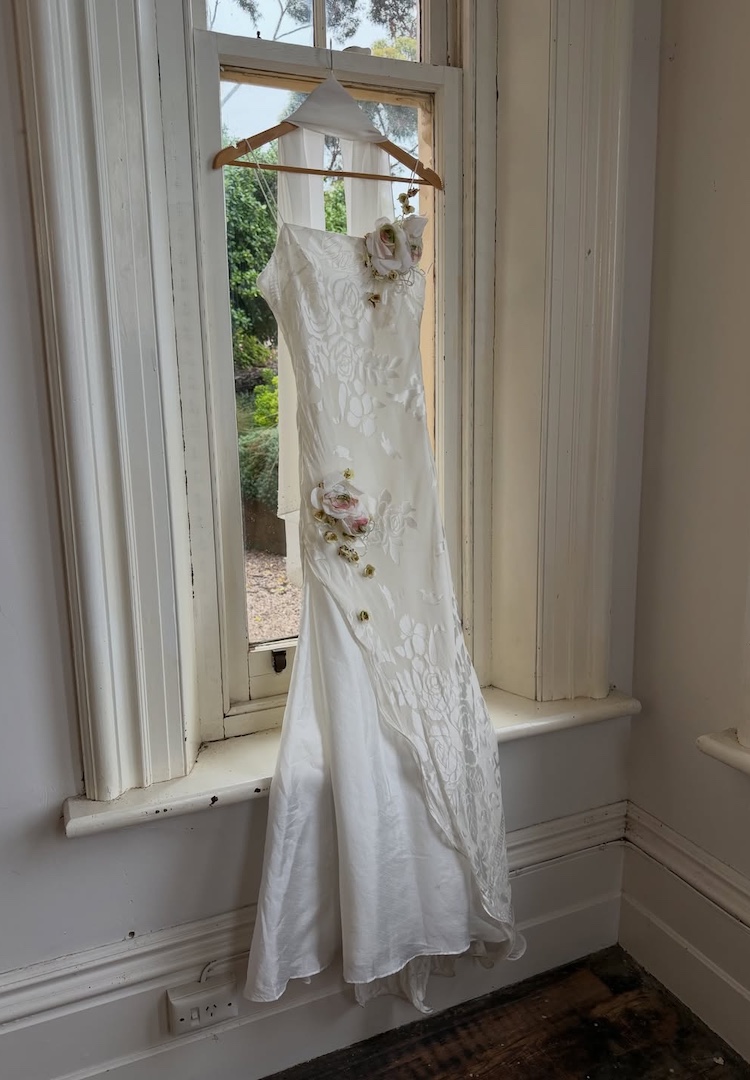
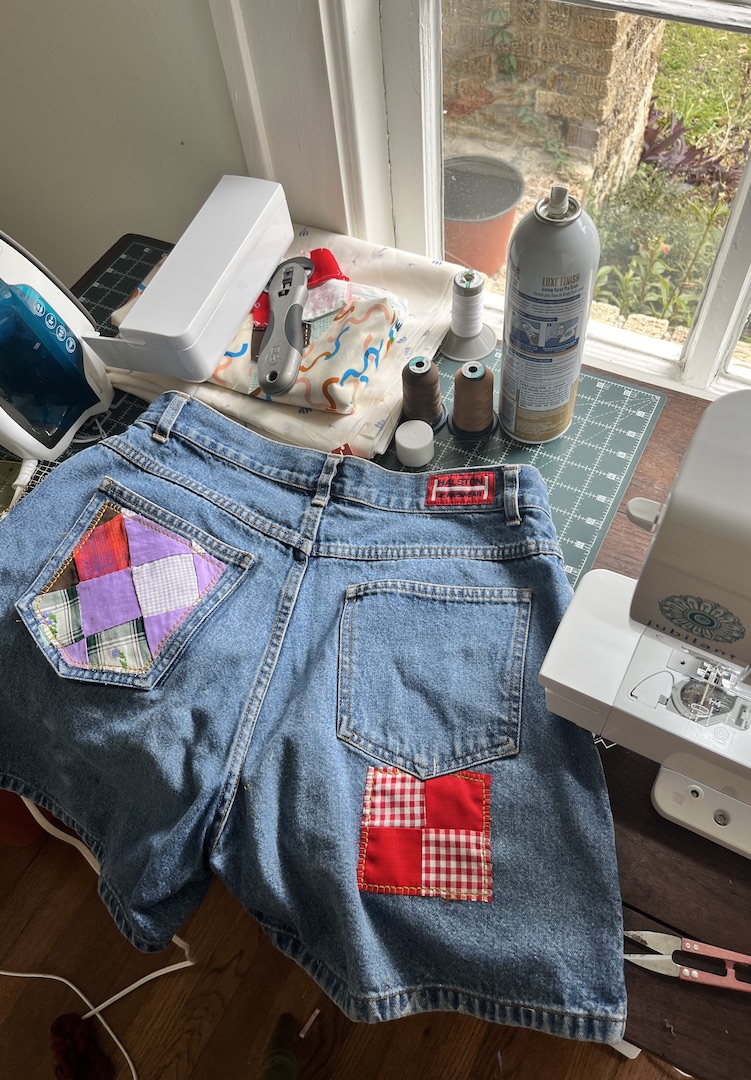
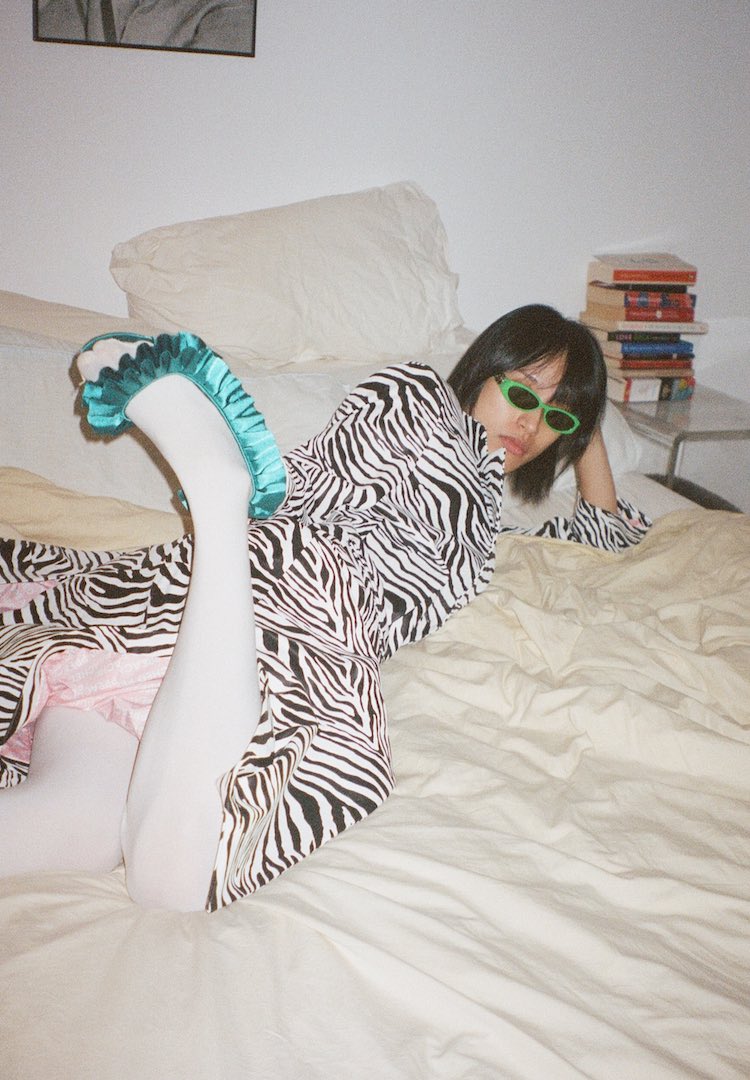
For other brands, the entire made-to-order process happens in-house. Lucinda Houghton of Melbourne band Lucinda Babi handles everything herself, from buying the fabric to cutting and sewing the pattern to wrapping the package and, finally, posting the order.
“There’s something freeing about designing pieces to be made this way,” she tells me. “I don’t have the pressure of needing to sell the quantities produced in a manufacturing run, which stops me from getting caught up in trend cycles and anxiously second-guessing consumer preferences.”
When sustainability becomes unsustainable
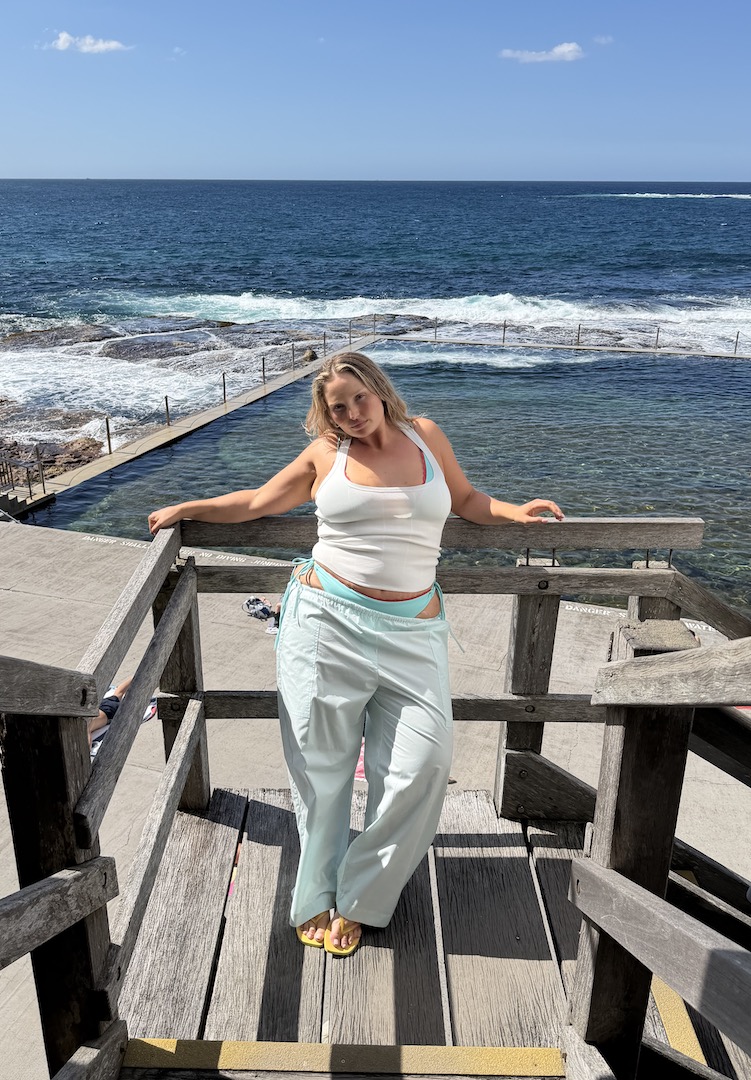
The model isn’t without problems. When we think about sustainability in fashion, we also need to consider what’s sustainable for the designer. For new labels trying to stay afloat, the tedium of made-to-order can stifle creativity and limit growth. Ultimately, for Jess Grindell’s eponymous label, the model became unviable.
“I always felt like I was behind, always catching up,” she recalls. “It hindered my creative process because I was so busy making orders that I couldn’t put my attention into creating something new.”
Likewise, Lucinda finds that the made-to-order model reduces her capacity, not just in designing but in running the business. Higher costs and inconsistent sales throughout the year make hiring another set of hands feel like a risky gamble, so she bears the brunt alone.
Consumers, too, can find the model frustrating. For better or worse, the buy-now, have-it-tomorrow nature of online shopping has bred a culture of impatience. Garments made to order may be better for the planet, but they also take weeks to arrive, usually just south of a month.
For brands like Lucinda Babi, which prioritise commission projects and bridal pieces, the long wait is to be expected. But as Jess puts it, the vast majority of consumers have grown accustomed to buying clothes like groceries – with immediacy and regularity. Until the general public is on board with slowing their roll, made-to-order brands will have limited opportunities to expand.
“There needs to be some way of educating that audience that actually works,” says Jess. “Like the warning pictures on cigarette packets, something like that but for tags of clothes made unethically.
That’s not to say that made-to-order is impossible to sustain. Ppeached and Lucinda Babi plan to stick with the model for the foreseeable future, and the brands are just two of many making the commitment.
So, as with most things, the answer to fashion’s waste problem isn’t one-size-fits-all. The made-to-order model is promising, but unless shoppers are ready to embrace the virtue of patience, the problem isn’t going to disappear.
For more on minimising fashion waste, head here.
Liked this? You’ll love these...