

From the Southern Highlands to Fashion Week, Iti is the Australian label to watch
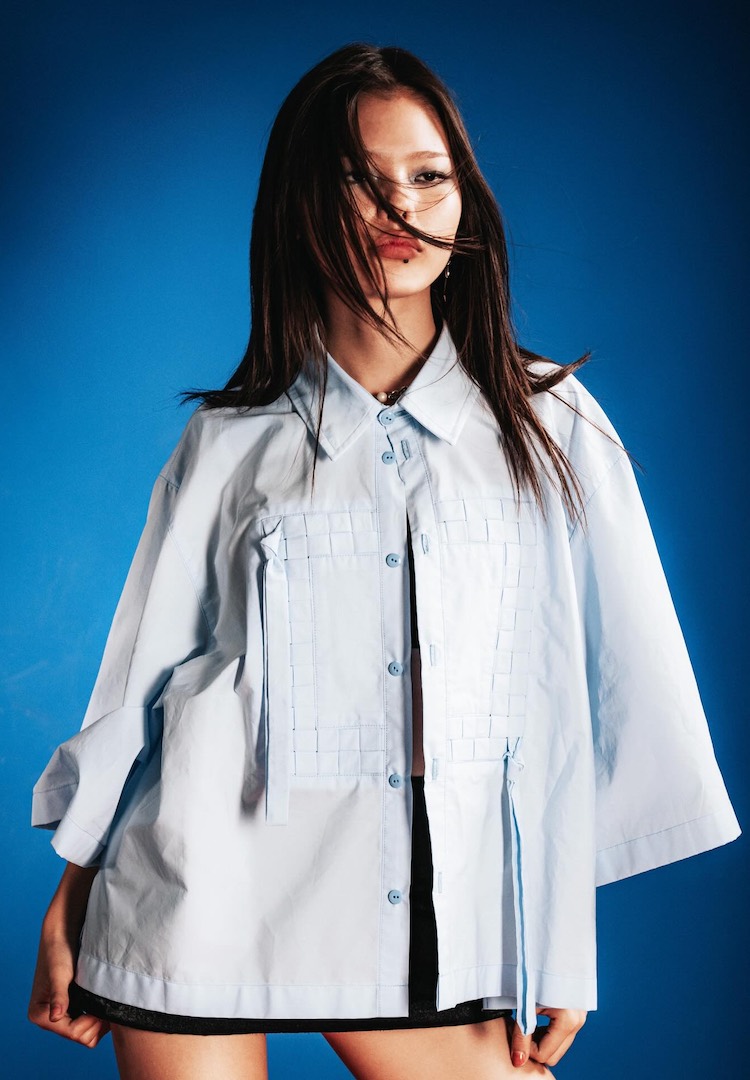
PHOTO BY ERIN MACK
AS TOLD TO MARYEL SOUSA
“Stepping out onto the runway, it felt like I’d finally arrived.”
From childhood, Jeorge Bradford felt the pull to create, but it wasn’t until he entered university that he shared his talent with the world. When Jeorge started wearing his own handmade shirts, sewn from leftover curtain fabric, people noticed. Then, when enough people had, Iti was born.
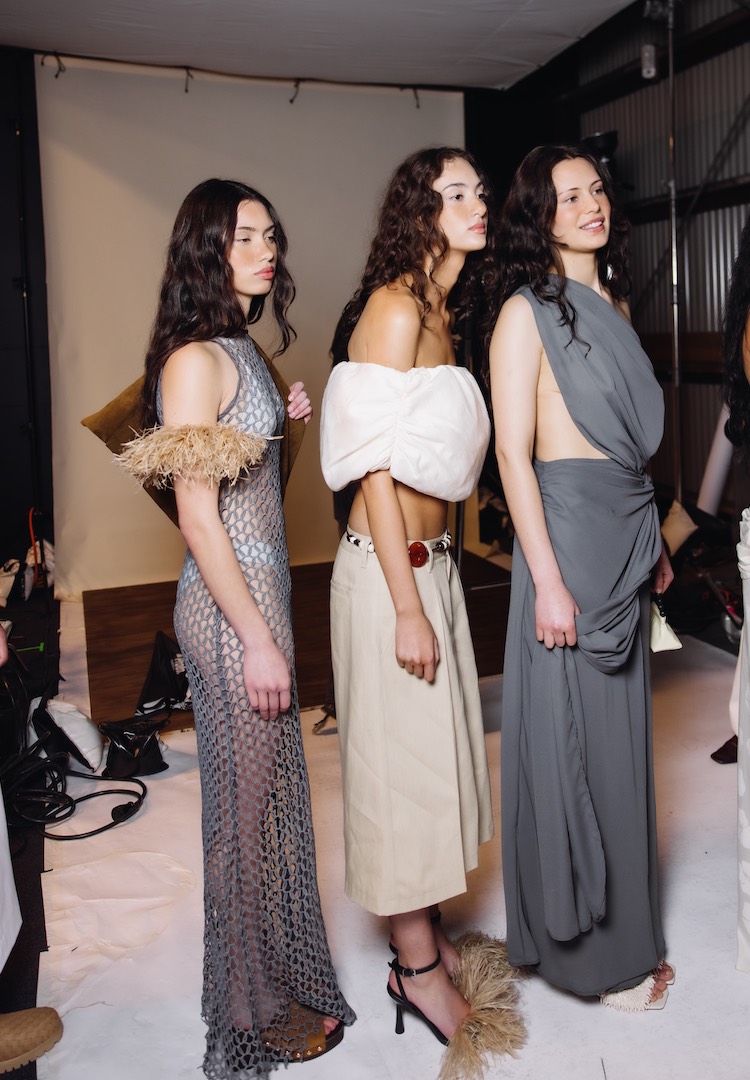
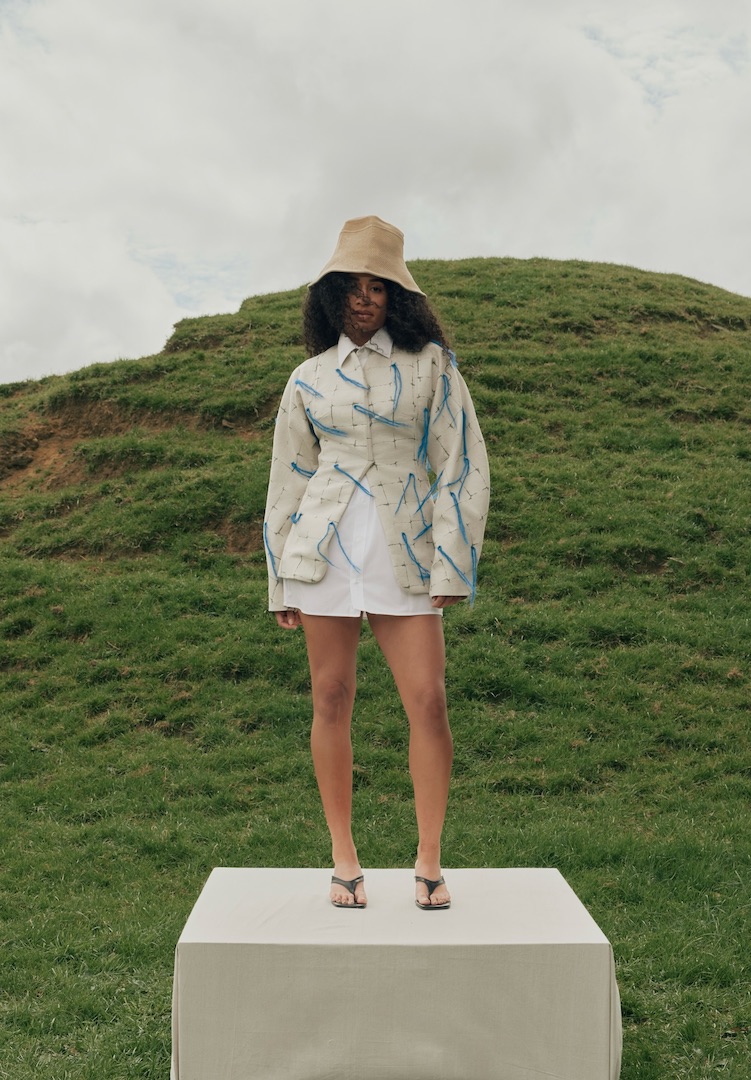
When Fashion Journal editors first saw Iti on the runway at New Zealand Fashion Week, we knew instantly that the brand had something special. Made predominantly from deadstock and designed in Australia’s Southern Highlands, Iti’s garments reinterpret wardrobe staples as genderless and universal.
For more fashion articles and features, head to our Fashion section.
It’s easy to recognise Iti’s design language. Nearly all Iti pieces feature Jeorge’s signature weaving technique: a crisp ribbon of cotton lattice, with strands handwoven directly into the garment. “Something more intentional I’m always trying to communicate with my clothes is their handmade-ness,” says Jeorge. “I think it’s such a unique experience to buy a shirt from someone who made it with their hands.”
For now, Iti is a labour of love, with Jeorge spearheading design, production, and promotion on his own, but we suspect his dreams of a more substantial presence in the industry won’t be long in the making. In the meantime, we’ll be watching with bated breath to see how Iti approaches its next transformation.
View this post on Instagram
Fashion Journal: Hi Jeorge, tell me a little about yourself. What’s your fashion background and where are you based?
Jeorge: Hello! I live in Moss Vale, a little regional town 90 minutes from Sydney in the Southern Highlands of NSW, but I’m originally from Christchurch, Aotearoa. I studied fashion at UTS and have been sewing since I was little. I used to make outfits for my Barbie dolls all the time, but only started making clothes for myself when I got to uni.
How (and when) did Iti begin?
Iti started with me making clothes for myself. While I was studying, I worked at a curtain store to pay my way through my degree and would often make my shirts from whatever leftover fabric I could get my hands on. Soon, I noticed more and more people would come up to me and tell me they loved my shirts, and one day someone asked if I would make them one.
To be honest, at the beginning I didn’t see it as anything more than an addition to my resume. Because I was working full time while studying, I didn’t have the extra time to do internships or work experience, which is often the natural beginning of a career in fashion. But Iti soon became far more important than that. I really fell in love with my clothes.
Iti is just over three years old, but honestly I still feel like I’m in the early challenging phase. I’m super lucky that my stockists in Brisbane and Melbourne have been really supportive from the jump, but getting into the Sydney market has been really challenging.
View this post on Instagram
What are you hoping to communicate through Iti? Has this evolved since you first launched?
It really started with trying to redefine the shirt. As a working person, shirts were part of my everyday, but I didn’t feel comfortable with anything available, especially in menswear. I wanted shirts in natural, reliable materials that weren’t constrictive or super fitted – clothes I could comfortably nest in.
Something more intentional I’m always trying to communicate with my clothes is their handmade-ness. The weaving motif really emulates this. Clothing is often, even from fast fashion brands, still handmade. And especially in Australia, where we’re so disconnected from this process, I want to try and bring it back to the forefront. I think it’s such a unique experience to buy a shirt from someone who made it with their hands.
How would you describe the label to someone discovering it for the first time?
Iti is clothes as shelter. Iti takes everyday menswear garments, like trousers and shirts, and reinterprets them using off-the-body, oversized cuts and intricate woven motifs. All clothes are made in 100 per cent cotton and are handmade in the Southern Highlands.
View this post on Instagram
What inspires you most when you’re designing?
I think my woven motif is most inspiring to me. I’m always thinking of ways to push the technique into different shapes and interpretations, but always wearable. My latest collection at NZFW was majorly inspired by my beginnings with fashion. I had Barbie dolls as a kid and would spend my weekends making them different outfits with scrap materials, but they were, for some reason, always superheroes. The outfits I made for them were always like superhero costumes, and I wanted to reference that in this collection by using vibrant reds and blues, almost like comic book characters.
What kinds of materials do you most love working with and why?
Cotton. Always cotton. It’s the most forgiving material to work with, especially with the weaving. Each strand is cut, sewn, turned and pressed, which is a lot of processing for a material to go through. But nothing presses as flat and as crisp as cotton. I know it’s not the best environmentally, which is why I try to only use cotton from deadstock or reclaimed suppliers.
View this post on Instagram
How big is your team?
On the payroll? No one yet. But mainly everything is done by me: the production, the design. I made my own logo; I run my website and Instagram myself. However, my husband and mother-in-law are incredibly supportive. My mother-in-law used to be a wedding dress maker in the ’80s, so she sometimes helps me with some sewing for big orders, since she’s a very talented seamstress.
Can you tell me a little about your supply chain, from design to production?
I design it. I make it. I go to the post office and send it on its way. The complexity of my supply chain mainly comes from what fabrics are available. As I only use deadstock and end-of-roll suppliers, the pickings are slim, and I mainly prioritise the quality of the cotton I’m sourcing over the colour. Whatever colours I can find is what I make.
View this post on Instagram
How does your sizing work?
Because Iti’s are designed to sit off the body, they’re ‘one size fits most’. So I haven’t embraced traditional sizes for my brand. I make everything myself, so only having one pattern size for each design allows me to keep production small. The cuts are quite large, as I want as many people to be able to wear them as possible. I make the shirts either in a boxy cropped look or in a long dress-like cut. It’s a wide-set bodice with a wide-set sleeve, so pretty roomy for most. Most elements of the clothes, like hems and waists, are adjustable with drawstrings.
What are you most proud of so far?
I was really proud of my showing at NZFW. As a Kiwi, it was such an honour to have my first ever fashion show in my home country. The whole experience was incredible. Making clothes is always where I saw my future, so naturally this was a real dream of mine actually coming true. Stepping out onto the runway facing all those people, I don’t know – it felt like I had finally arrived.
View this post on Instagram
Where are your hopes for Iti over the next five years – where do you see the label heading?
It sounds very boring and not very glamorous, but my main goal would be for Iti to be a stable source of income for me. This is what I love to do, and for that to be my full-time job would be my only wish. I think it will always stay small and nimble; I have no interest in owning a huge brand. A pie-in-the-sky goal of mine would be to have a little store that I can make and sell Iti out of. I have dreams of a sewing desk in the window, with an Iti retail space behind me.
Keep up with Jeorge and Iti here.
Liked this? You’ll love these...