

Spell-casting, structure and sit-ups: Five authors on their writing rituals

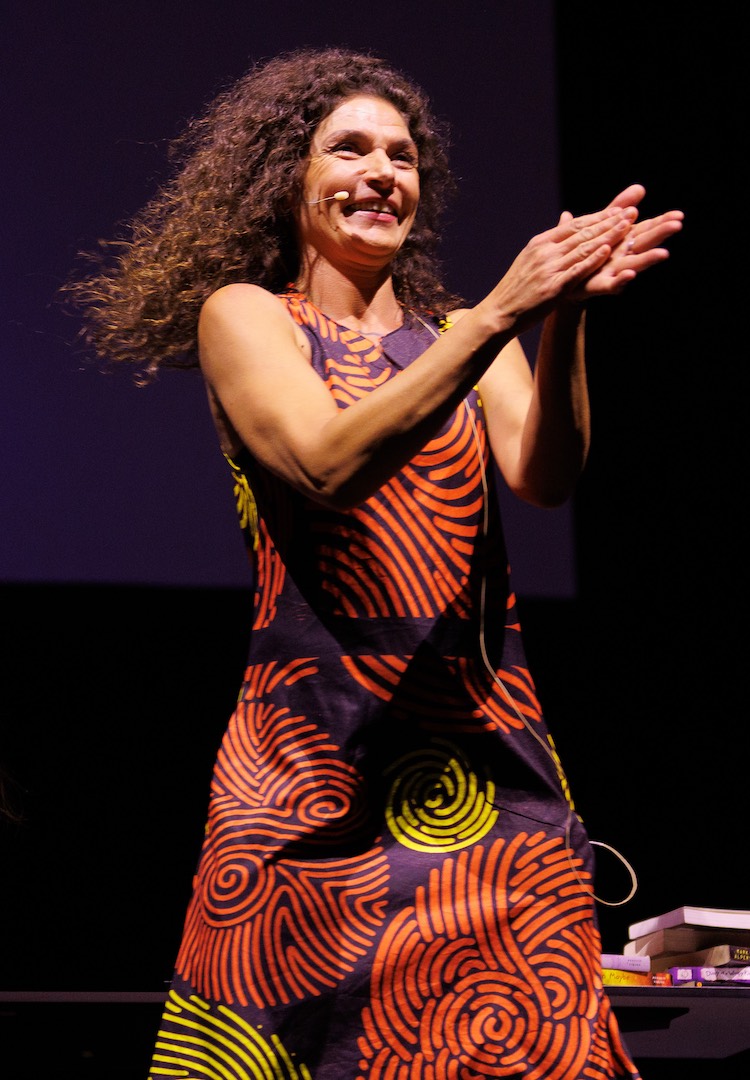
IMAGE VIA RACHEL LYNCH
AS TOLD TO MARYEL SOUSA
“I treat it like training at the gym.”
The ritual of creative writing is intrinsically romantic and equally intimidating. When writing Norwegian Wood, Haruki Murakami famously rose at 4am, spent up to six hours writing, then ran 10 kilometres each day. Maya Angelou is said to have rented a plain hotel room and isolated herself therein to write, with nothing but a thesaurus, a dictionary and a Bible. Like clockwork, Joan Didion took an hour and a strong drink every afternoon before dinner to review her work.
For more author interviews and book recommendations, head to our Life section.
Establishing such a routine feels like a Herculean task. In fact, the creative routines of famous writers seem less like a learned technique and more like the way things are, were and always will be. But the rational brain knows that’s not true. From award-winning authors to those just making their debut, writing on a schedule requires intention and the approach varies wildly.
Like many aspiring writers, we always want to know more about the process. Curious about the unique writing rituals of Australian and New Zealand authors, we asked five of our favourites what it takes for them to get their ideas down on paper.
Jess Ho, author of People With Money and Raised by Wolves

Every time another writer hears about my routine, they think it’s unhinged. I treat it like training at the gym. It’s scheduled, methodical and measurable.
If I’m writing long-form, I divide the total number of words by the time I have to turn over the draft, build in a few weeks of buffer and force myself to hit my daily targets. I chip away at it and after a few months, it’s done. I say this having a chapter outline, the perspective which I am writing from and everything plotted out, first.
Unfortunately, the way I approach creative work isn’t creative at all. I can’t even be in public. I sit at home in complete silence at my desk and type until I’ve hit my desired word count. I’m in awe of writers who can think for months, pull up in random cafes or pubs over a weekend and write 20,000 words. I’m lucky if I write 2,000 a day. I am, in fact, the tortoise.
Pip Adam, author of Audition and Nothing to See
I find writing hard – boring, terrifying and self-esteem-crushing. I’ll do anything to avoid it. In this way, writing isn’t much different from any of my other jobs. I’ve built an arsenal of rituals to trick myself into believing I can do the task at hand. When I was hairdressing, I had a pair of shoes I only wore in the salon.
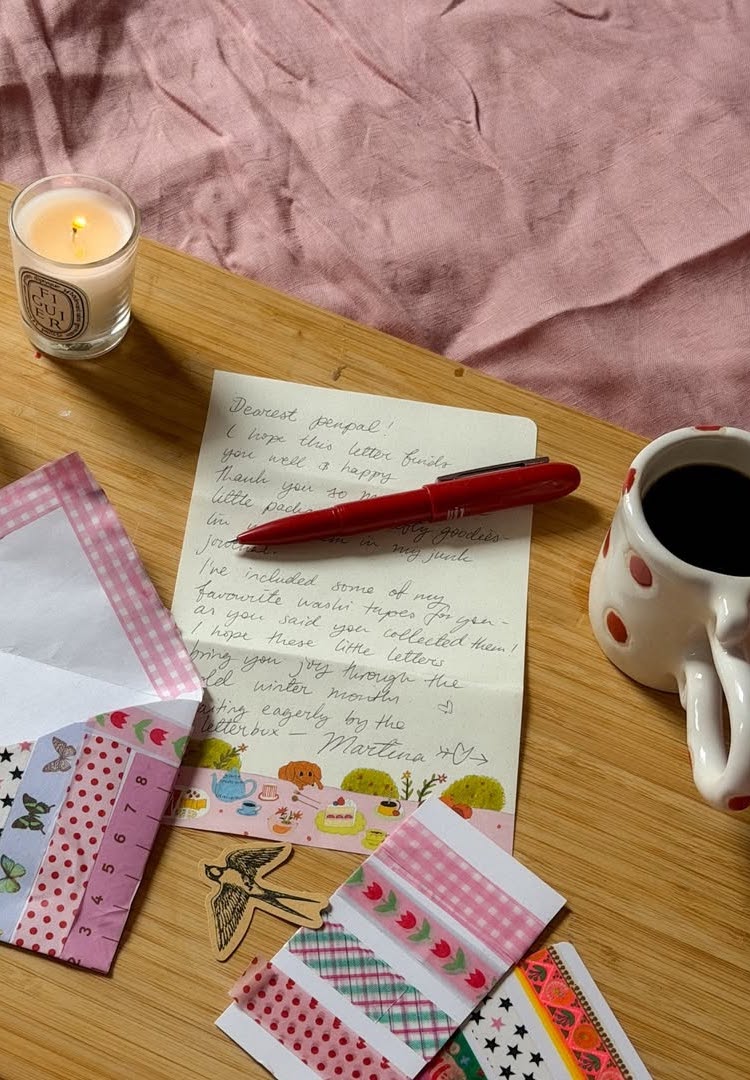
It’s werewolf-type magic where I transform myself into a monster that can cut the next bob or write the next paragraph. I use spells. Bright Post-It notes saying things like, ‘Everything that is, is welcome’, which I don’t believe but reminds me there have been other days – the day I wrote on this Post-It note, for instance – and that things pass and there is a whole world outside the chapter I can’t write, where Post-It notes are made and sold and written on.
I assign each project a song that I listen to on repeat to get myself into the mood of the work and out of my crushing self-doubt. For Audition, the song started as ‘Expecting to Fly’ by Headless Chickens and for the thing I can’t write today it’s ‘Georgie’s Song’ by Womb.
Lucianne Tonti, author of Good Witch and Sundressed
When I’m writing a book – so long as I’ve done all my research and interviews – the structure of my days is the same. I wake up at 6am and work out. It’s either swimming, yoga, weights or cardio. I take my coffee somewhere outside, either at a café near the studio or at the pool where I swim.
While I’m drinking coffee (it’s usually at least two), I try to clear my niggling to-do list – you know, the emails, text messages, bills and social media replies – on my phone. This time is sacred to me. I try to sit in the sun – early morning sunlight is a big mood enhancer – and the combination of serotonin, endorphins from the exercise and caffeine sets up the rest of my day.
I aim to have showered and eaten breakfast, and to be sitting at my desk by 9am. I keep a notepad beside my laptop and the first thing I do is write a list of what I want to get done in order of priority. Then I read over whatever I wrote yesterday. I might make some light edits and forge ahead. When I have a hard deadline and word count, I work towards a daily target. Somewhere between 1,000 and 2,000 words.
When it’s hard to concentrate and nothing is flowing, my only rule is that I have to stay at my desk. Although it might take all day, eventually I’ll drop in and even if I only write a few hundred words, I find something has been going on internally, like my subconscious has been rearranging ideas. This sets me up better for tomorrow, and the next day, and the day after that.
Valerie Ng, author of Driver Driver
Where do I write? Hard to say. Right now it’s evening. I’m in the office typing this up, but often, I’m in bed. Or I’m in the living room. Or I’m at the library or a pub or a café or a bus stop.
Two weekends ago, I spent over $500 to book an Airbnb in the Blue Mountains and sat there and wrote for a whole day. The fact that I was in a cottage in the Blue Mountains was totally irrelevant to the act of writing, for writing is an impulse and it can be done anywhere.
The whole trip was a waste of money, I thought. I spent about 10 or so minutes looking at mountains and 10 or so hours looking at a Word document. Writing is a complicated fixture for it is often painful, often impossible, yet it always feels urgent and, from time to time, sublime.
It’s impossible to think of how else one can achieve sublimity so quickly and unexpectedly, at some mundane and tedious location. Sublimity at a small and overfamiliar desk in a small and overfamiliar room; sublimity at the office at night, in between emails.
Madeleine Ryan, author of The Knowing and A Room Called Earth
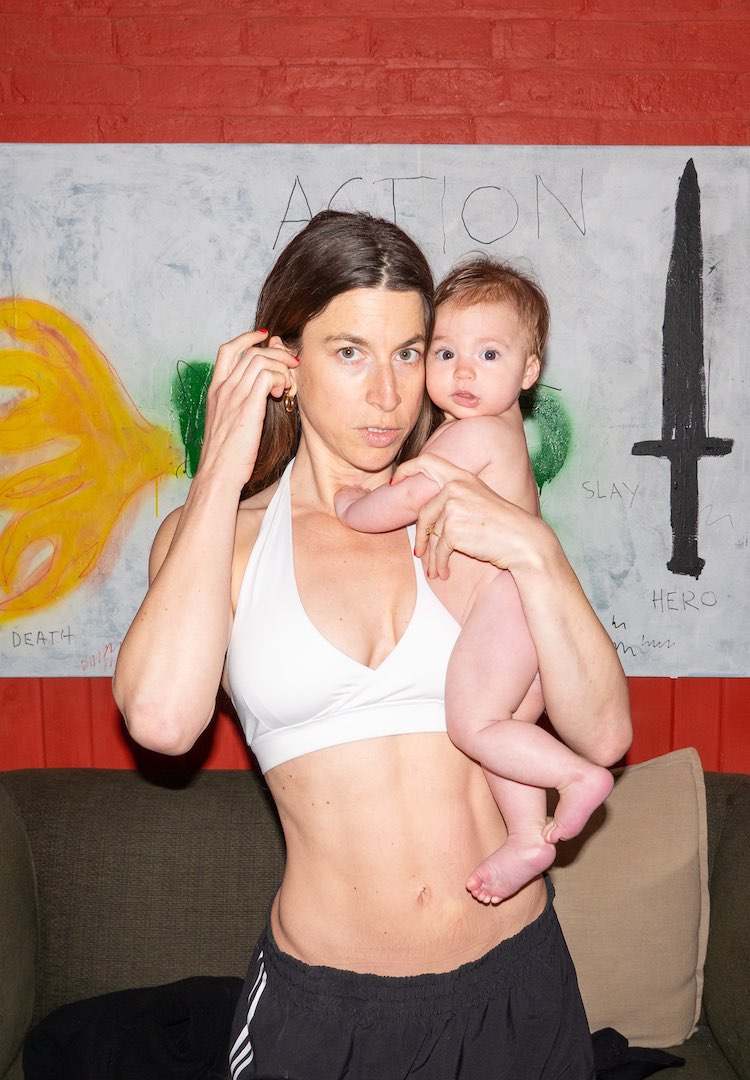
There’s something about moving my body that opens my heart and mind. I spend more time exercising and thinking than writing. I run the dog. I do strength training with weights at home and callisthenics using the monkey bars at the local high school. I stretch my body and face, even while the kettle is boiling.
I do everything I can to create space for inspiration and revelation to reach me. Then, I write. And, when I do, I usually light incense, a candle or oil burner. I make myself a tea or a decaf. I get a decadent chocolate or a homemade carob ball. I make the whole scene pleasurable because if the scene isn’t pleasurable, nothing pleasurable or of value is going to come from it.
But different phases of life have inspired different habits and I’ve been many different writers. Once upon a time, I downed snus and organic wine while writing. These days, I’ll write one-handed on my phone while ‘dream feeding’ my baby.
That said, writing and exercising have always gone hand in hand. When I wanted to be an actress, I wrote and exercised. When I worked as a waitress, a nanny, a tutor, a factory hand, a numerologist, a receptionist, I wrote and exercised. And the day I was working on this – surprise, surprise – I wrote and exercised.
For more on authors’ writing routines, head here.
Liked this? You’ll love these...