

Costume designer Bridgette Hungerford on creating the illusion of authenticity
IMAGE VIA @BRIDGGIESMALLS/INSTAGRAM
AS TOLD TO MARYEL SOUSA
“Costume design is hugely anthropological.”
Welcome to How I Got Here, where we talk to people who are killing it in their respective fields about how they landed their jobs. We explore the peaks and pits, the failures and the wins, and most importantly, the knowledge, advice and practical tips they’ve gleaned on the journey.
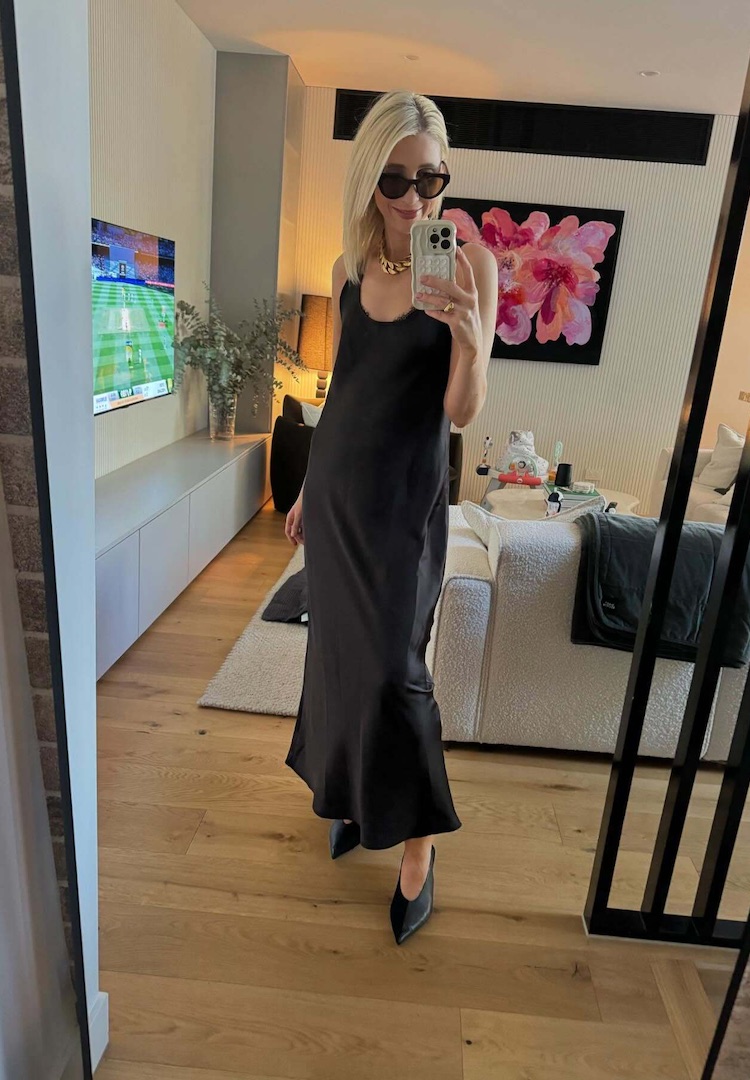
Costume designer and buyer Bridgette Hungerford took the scenic route into the film and TV industry. Born and raised in Brisbane, her career aspirations took her to Sydney, then Melbourne, before taking her oceans away to the gritty streets of Berlin and, finally, to glamorous Parisian sets. “My time in Paris is honestly what I consider my true formal education,” she says. “It taught me everything.”
Looking for a new 9 to 5? Head to our Careers page for new listings daily.
While her role as a styling assistant for Marfa Journal in Paris taught her the ins and outs of getting a job done, it wasn’t until she returned to Australia that Bridgette began to explore other modes of storytelling. After designing for her first short film, she was hooked, amazed at how costume design helped create worlds and characters that feel believable.
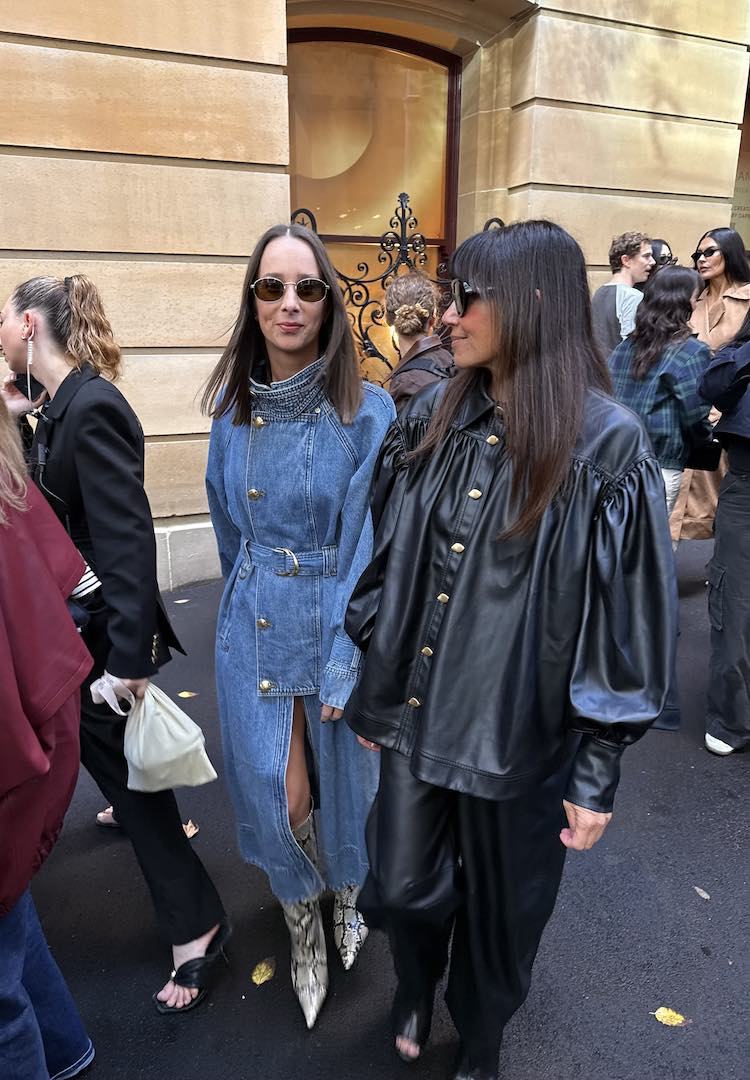
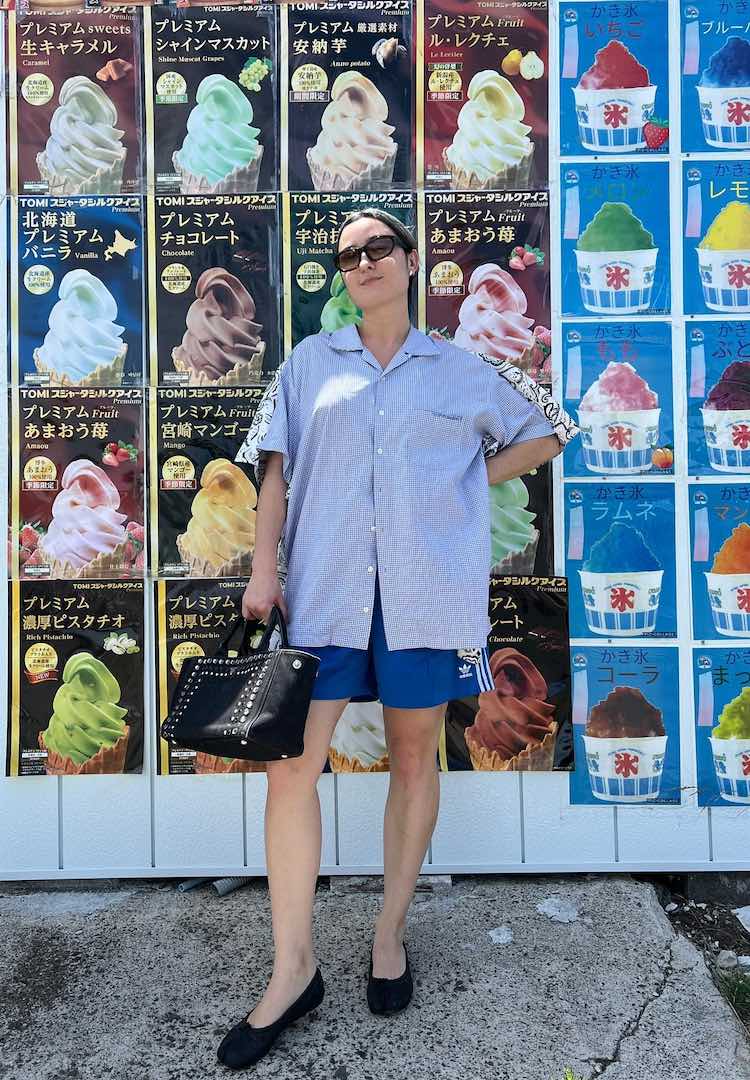
Bridgette likens creating the illusion of authenticity through costume design to cultural anthropology. “You have to stay engaged with what’s happening in culture globally, but pay equal attention to what people are wearing in the supermarket,” she explains. “Some of the most useful references come from simply observing how real people dress, adapt and live in their clothes.”
But the job requires more than people watching and Bridgette says that the process can be long and all-consuming. In a notoriously challenging industry, collaborating with other members of the production team can be as intimidating as it is fulfilling. Staying calm amid it all has been key to her success. “Some days can feel like you’re putting out one fire after another… I’ve watched some of my mentors navigate absolute catastrophes with humour rather than irritation, which I try to emulate.”
View this post on Instagram
Fashion Journal: Hi Bridgette! Did you have an idea of your dream job growing up?
Bridgette: I always knew I wanted to work with clothing but I didn’t know exactly what that looked like. Growing up in Brisbane, there weren’t many resources for getting a foot in the door. As someone who’s always been a little impatient, I wanted to get some work experience under my belt as early as possible.
Luckily, my high school offered a program that allowed us to study outside the standard QCE curriculum. I completed a Diploma in Fashion Design alongside my senior studies. It meant I could start building a portfolio quite early and gave me a really solid set of practical skills.
At one point in my senior year, I strong-armed my parents into letting me disappear to Sydney during the school semester for a four-week styling course at Whitehouse Institute so I could slip it into my portfolio before applying for university.
View this post on Instagram
Take us back to when you were first starting out. Did you continue studying or start climbing the ladder right away?
I’ve definitely thrown myself into things headfirst and subsequently figured it out as I went. As a result, my journey has been non-linear with countless detours along the way. After high school, I was accepted into university, but on a whim, my best friend and I decided to pack up and move to Melbourne instead. I decided I’d rather start interning – I could always study down the track.
Within a year of relocating, I landed an internship under Ingrid at Verner, which was hugely formative. I was also interning with a couple of online magazines, and I knew that working for a fashion publication was something I wanted to pursue.
Through a cold email, I was offered an internship at Novembre Magazine in Berlin, which I jumped on, despite not having the funds to actually move there. I spent the next few months saving up what 20-year-old me thought was enough to move to Europe. After several months there, I returned to Australia. I wanted to deepen my understanding of visual language and gain a more formal education in critical analysis, so I began studying a Bachelor of Art History and Curating.
A dear friend I’d met at Novembre put me in contact with an editor at Marfa Journal. After a FaceTime interview, I landed a job as her first assistant. My time in Paris is honestly what I consider my true formal education. It was while working as a stylist assistant that I gained a holistic understanding of what goes into executing a job from beginning to end. It taught me everything.
I still draw on the skills learnt during that time: email etiquette, reading the room when you don’t speak the language, the importance of meaningful research and referencing, navigating the dance of an incredibly cramped fitting space, pushing through exhaustion, having the backup option steamed and prepped if there’s a last-minute change. Paris was also where my interests began to expand beyond stills and print.
View this post on Instagram
How did you land your current role?
While I was in Paris, I worked alongside some incredible designers who expanded the way I understood clothing. It showed me how much a garment can communicate and how clothing can serve as a vehicle for storytelling. I became more interested in exploring how clothing and image-making could apply across disciplines.
When I returned to Australia, I had the opportunity to design a short film. From there, I started reaching out to costume designers around the country and spent the next few years working as a costume buyer on domestic and international film productions. After gaining experience, I started actively pursuing my own projects.
What challenges have you faced getting to where you are now?
The film industry can be a highly stressful and challenging environment. Every job and every shoot is its own beast, so there really is no typical day. There are often many voices in the room for any creative decision, and this has really pushed me to back my own taste and instincts. I’ve had to lean into the discomfort of standing my ground, which didn’t come naturally to me at first.
What part of your job do you find the most rewarding?
I really value the early stages of character research and development, before any actors are cast and things get more concrete. I love having the space to properly break down a script and start identifying the key moments, motivations and shifts that might inform a character’s costume arc.
The deep dive into reference imagery is one of my favourite parts of the process, spending days pouring through photography books and magazines. From there, I source garments, collect fabric swatches, and gradually begin to establish the visual language of each character and the wider world they inhabit.
Those early conversations with the director are incredibly exciting, especially as you begin collaborating with the production designer and hair and makeup designer. It’s the point where everyone’s individual research and ideas begin to overlap, and you start to see a shared visual language emerge across the project.
View this post on Instagram
What would surprise people about your role?
It still surprises my friends who aren’t in the industry how all-consuming my job is. I tend to go underground for a few months, then resurface as we get closer to wrapping.
What skills have served you well in your industry?
Some days can feel like you’re putting out one fire after another. The pace can be relentless. Your attitude is so important – staying calm and clear-headed in high-pressure situations is a huge asset. I’ve watched some of my mentors navigate absolute catastrophes with humour rather than irritation, which I try to emulate. It’s incredibly valuable to maintain perspective when everything around you feels urgent.
View this post on Instagram
What advice would you give to someone who wants to be in a role like yours one day?
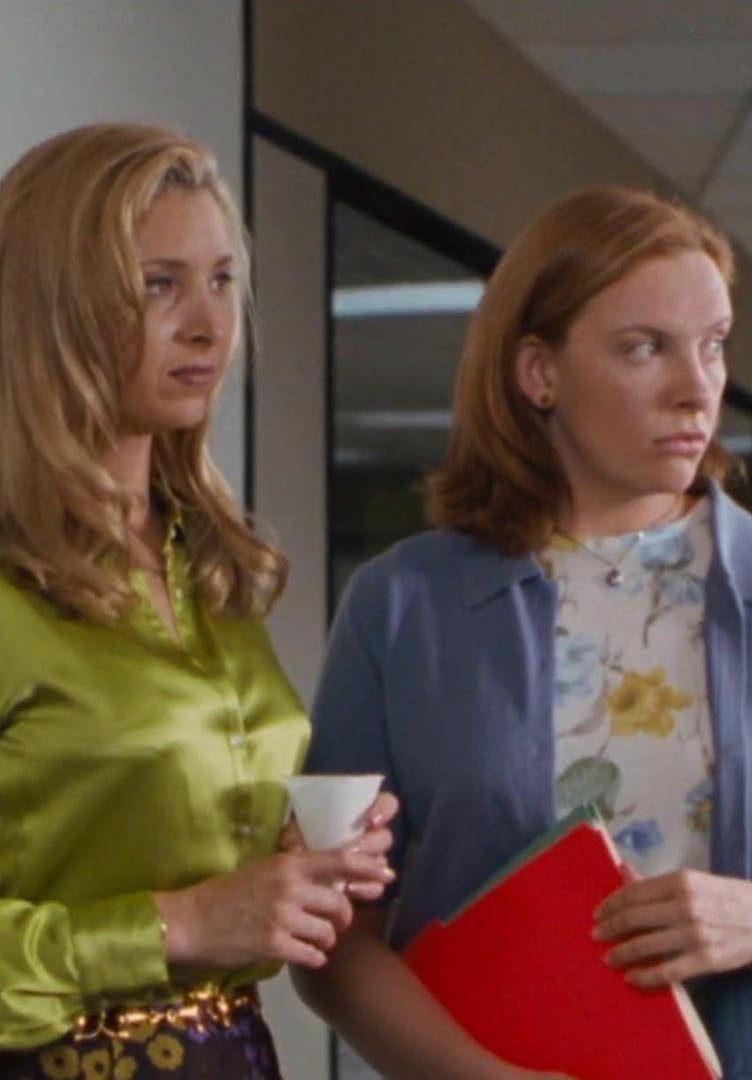
Costume design is hugely anthropological. For a character to feel authentic, many external factors inform how they might dress. What would they reach for in a moment of comfort? What’s their socio-economic background? Where do they live and what do they have access to? What do they want to communicate about themselves? What do they want to hide about themselves?
Stay engaged with what’s happening in culture globally, but pay equal attention to what people are wearing in the supermarket. Some of the most useful references come from simply observing how real people dress, adapt and live in their clothes.
View this post on Instagram
What about a practical tip?
So much of a project’s success or failure comes down to organisation. It’s not particularly groundbreaking, but it’s effective. Before I get to work, I run through a mental checklist of everything that needs to happen that day, plus any pressing carryover tasks from the day before.
So much of my job is time management and thinking ahead to avoid bottlenecks. You’re spinning a lot of plates, and some days it feels like you’re just moving tasks to the next day, but laying it all out in front of you makes sure nothing falls through the cracks!
Follow along with Bridgette here.
Liked this? You’ll love these...