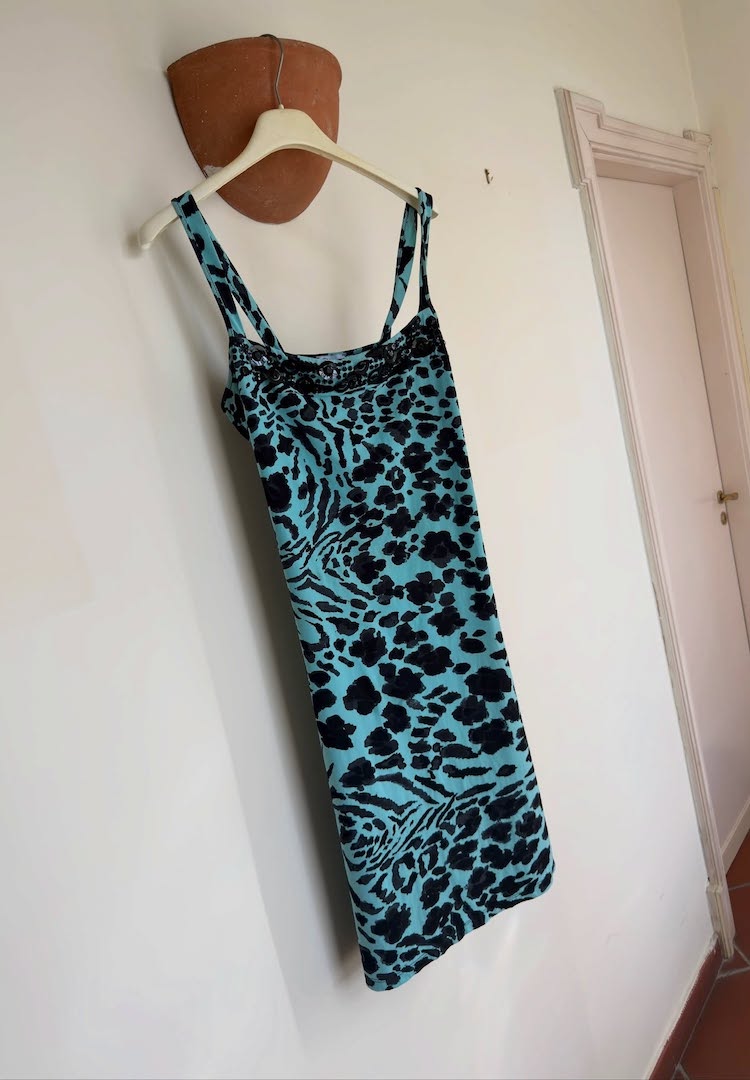


Australia’s first fashion library gives designers access to 1,000 vintage pieces
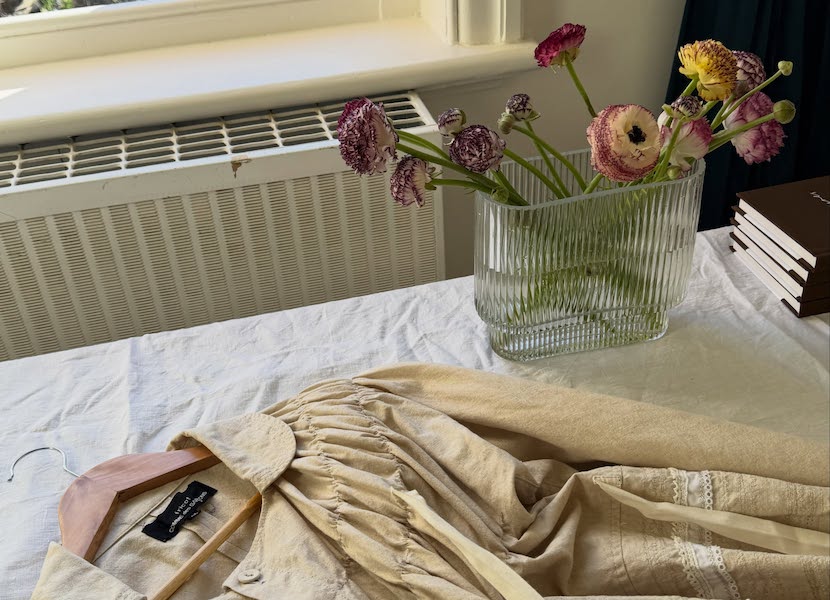
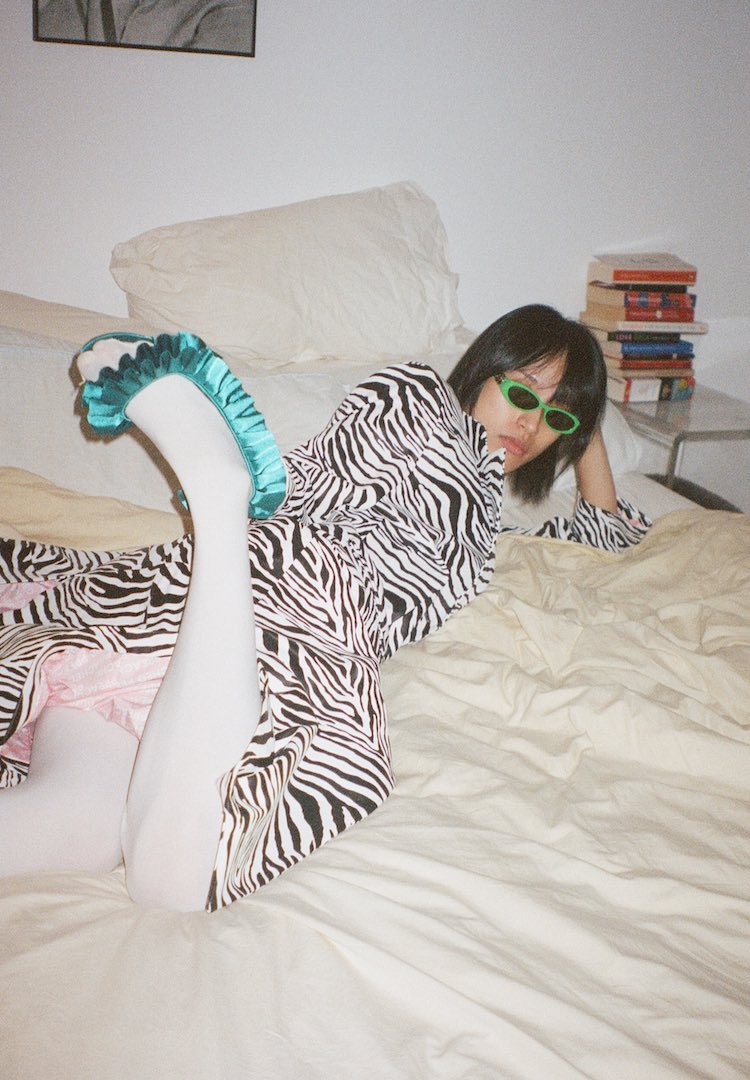
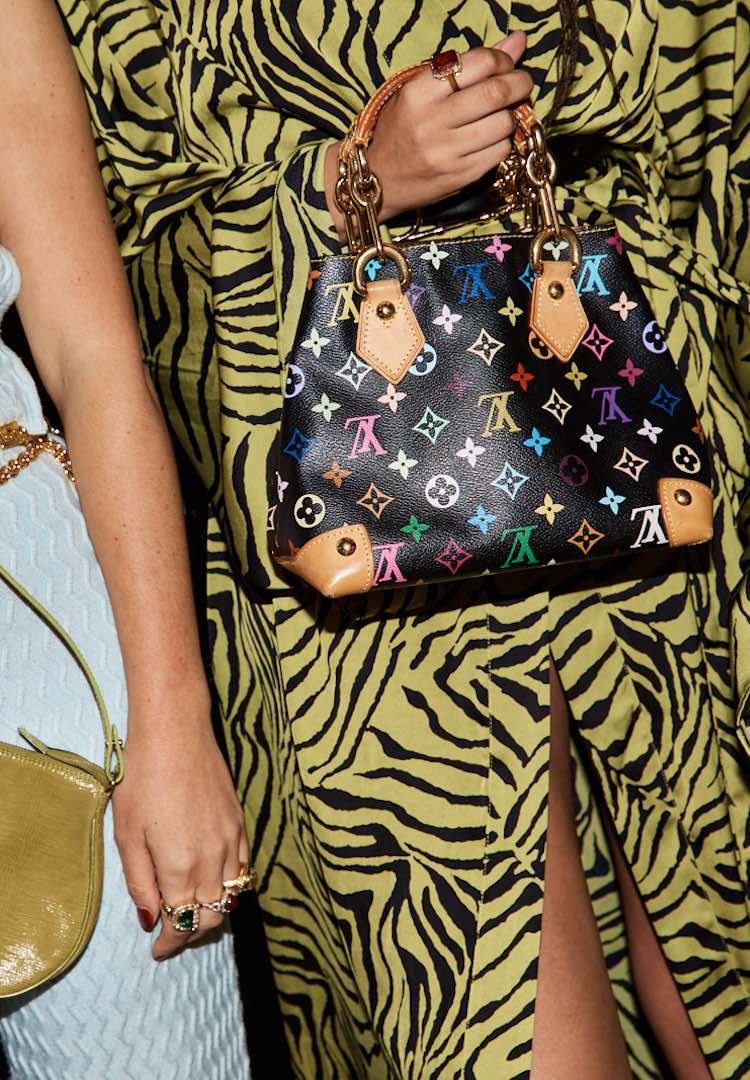
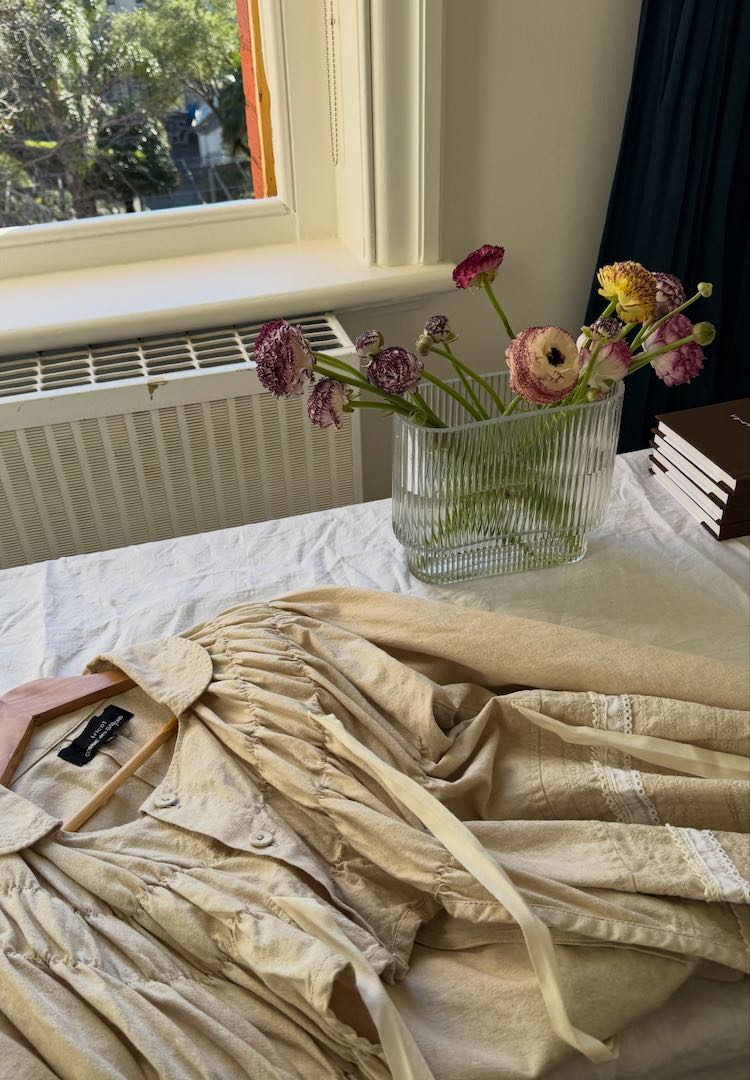
IMAGE VIA @THISERAARCHIVE/INSTAGRAM
AS TOLD TO MARYEL SOUSA
A curated archive for Australian designers.
Two years ago, fashion archivist Hannah Canham returned to Melbourne after a decade abroad, with over 1,000 pieces of vintage and antique clothing in tow. Each garment was collected lovingly over a lifetime and across continents, and each is available for rent through Australia’s first fashion library, This Era Archive – if you’re a designer, that is.
“My clientele are exclusively fashion designers looking for inspiration for upcoming collections,” Hannah explains. “They can browse the archive like a library, looking for research that fits their collection concept.”
While archives like this are common among major international fashion houses, it’s a new way for Australian designers to approach referencing. The model lets them see historic garments from brands like Schiaparelli and Prada up close, observe how they drape on the body and notice details easily missed in a photograph.
For more fashion articles and features, head to our Fashion section.
Hannah runs This Era Archive alone from Abbotsford Convent, storing most of the collection’s thousand pieces in a warehouse nearby. Only 60 are available for viewing at any given time, curated to meet designer briefs. Its aforementioned eras span the ’20s to the ’90s, with some antique pieces well over a century old.
Once a garment has been rented, it’s temporarily retired to prevent oversaturation. In Hannah’s experience, though, every designer has a unique interpretation of each piece. The creativity her pieces spark in others drives her own work. “It’s a lovely thing to provide inspiration, and even better to see how talented and creative designers can interpret it,” she says.
In the next few years, Hannah sees more Australian designers making use of the archive. But while they catch on, she’ll continue This Era Archive as a labour of love. “In countless cities I’ve visited, I bought vintage not to wear, but just because it inspired me, and I had to have it. Before I even knew I would start an archive, I was just a collector.”
View this post on Instagram
Fashion Journal: Hi Hannah, tell me a little about yourself. What’s your fashion background and where are you based?
Hannah: I lived overseas for 10 years, in New York, Madrid and Berlin, then moved back to my hometown of Melbourne two years ago, where my business is now based. I graduated with a Bachelor of Design, Fashion at RMIT, then moved to New York to intern at The Row. After my internship, I worked as a designer for various independent brands in New York, and during that time I was introduced to the world of vintage clothing archives. I worked in the fashion industry as a designer for four years before launching my archive.
View this post on Instagram
How (and when) did This Era Archive begin?
After living in New York, I moved to Madrid, where I started my vintage rental business, This Era Archive. I’d been sourcing vintage for inspiration as a designer, both by purchasing vintage and renting from archives, and I loved the rental-archive business model. Some archives were huge warehouses filled with vintage, where you’d be up high on a ladder sifting through; others were more curated. Those were my favourite.
It planted the seed that I wanted to create my own archive one day from the vintage I’d been collecting over the years, that fashion designers could use as inspiration. I enjoy this interaction with designers, being part of their design process and really zooming in to appreciate the details of construction for research purposes.
View this post on Instagram
How exactly does the rental process work?
My clientele are exclusively fashion designers looking for inspiration for upcoming collections. They can browse the archive like a library, looking for research that fits their collection concept. Often, designers come to the showroom with a fit model to try pieces, as fit can be a great starting point. Once they’ve narrowed down the pieces that inspire them most, they rent them.
Designers can rent clothing from my archive for two weeks, one month, three months, or an entire season. Three months is the most common period in Europe, but in the US, designers tend to work faster and usually don’t borrow for longer than a month. During this time, they can study the construction and fine details, source similar fabrics or try them on fit models to see what might inspire new designs.
In the past, I always had a full showroom with my archive in one place (in Madrid and Berlin), where I took design appointments. I also did pop-up showrooms in New York and Paris to bring about 200 pieces to designers in those cities. Currently, I have a small office at the Abbotsford Convent where I keep about 60 pieces from the archive.
The rest of the archive, around 1,000 pieces, is kept in storage. Fashion designers can explore the entire archive through the online catalogue with a password. Then they can retrieve pieces to view at my office before renting.
After a piece is rented and returned, it’s put to rest for a season so designers aren’t all renting the same pieces one after another. Although, in my experience, every designer interprets a piece differently. This always reminds me why vintage rental archives are such a wonderful, cyclical source of inspiration.
View this post on Instagram
How do you choose what makes it into the archive?
I curate my archive based on my personal taste. I’m most drawn to subtle design details and I think this unites the archive. I gravitate toward small pleats, interesting button details and a unique collar, over and over again, and I find them in a piece from the ’20s and then in the ’70s. So there’s definitely this language being spoken within the archive, where all the pieces relate to one another even though they’ve come from different designers and different decades.
How do you source pieces?
My favourite way to source is when I travel, usually around Europe, at flea markets, other vintage vendors, vintage fairs and stores. Every city has a different type of vintage and I love that my archive brings all those places together. During the pandemic, I sourced a lot more from online auctions. But I realised that I much prefer to source in person because of this element of mystery. I don’t know what I’ll find, and it’s just a feeling that compels me to buy something; I just know it fits in with the archive. In 2019, I published Treasures, a vintage shopping guidebook, which compiled five favourite vintage stores from fashion industry professionals across 25 cities around the world, including my own favourite spots.
View this post on Instagram
What are you most proud of so far?
It was a delight to do a pop-up showroom in Paris back in 2019 and a great way to connect with designers based there. Working with my first big luxury house was also a very important moment. It meant a lot for designers at that level to appreciate the vintage I’ve sourced and find inspiration in it. Every collection that comes out from a designer who has sourced from This Era Archive is something I am proud of, because it’s a lovely thing to provide inspiration, and even better to see how talented and creative designers can interpret it.
Explore This Era Archive here.
Liked this? You’ll love these...