


You hate your new haircut. Should you break it to your hairdresser?
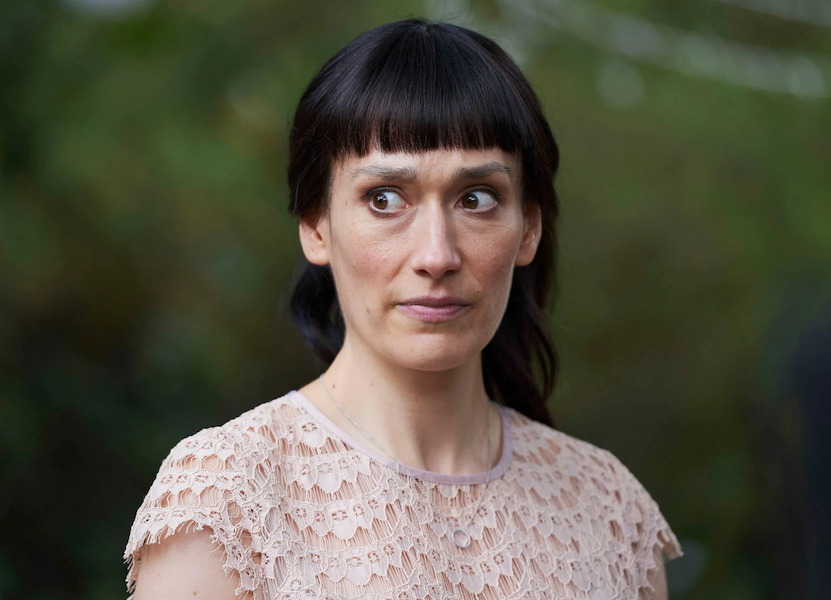
IMAGE VIA IMDB
words by daisy henry
To speak or not to speak?
Everyone I know has felt the pain of a bad haircut at least once. I went in, guns blazing, ready to commit to a wolf cut. A few tears later, I realised I just wasn’t emotionally cut out for the shag.
In a similar vein, I know friends who’ve asked for bangs and found their cowlick simply won’t cooperate, and others who’ve been done dirty by a stylist and walked out of a salon with a mullet they never asked for. The good news is, unlike hair colour, which can inflict some permanent damage, a bad cut will always grow back. With that said, it definitely demands a heavy dose of resilience.
For more haircare reviews, check out our Beauty section.
Just as a regrettable haircut can be a rite of passage for clients, it can be the same for hairdressers. In fact, most will know almost immediately if you don’t like the end result. “I can often tell by body language when someone isn’t happy,” says Tara-Lee Mitchell, hairstylist and owner of Mitch Studio.
While it can sometimes be a simple case of miscommunication, a good hairdresser should listen to your feedback, own it, and offer a solution. “I had a client I’d cut before, three or four times, always with great results,” explains Melbourne hairstylist and salon owner, Donna Sheridan. “She got in touch after a cut that I gave her, saying she was really unhappy and that she didn’t think anything could be done.”
After seeing a few photos, Donna asked her to come back to the salon for a follow-up. “She was understandably reluctant — she’d had hair cut off that she didn’t want gone. When she came in, I looked at it and owned it straight away: I’d overlaid the front and it wasn’t the style she had been going for,” Donna says. “I apologised, and told her I’d love the opportunity to take responsibility for it.”
“I still feel a bit of the shame of having got it wrong in the first place, but I also feel really honoured that she’s continued to trust me to make it right.”
Why you should always say something
Staring at yourself in a cape for hours is confronting enough, let alone when you’re faced with a haircut you don’t like. In a way, you’re vulnerable and you don’t want to come across as rude. But, depending on the gravity of the situation, both Donna and Tara are adamant that it’s always worth saying something.
“As a hairdresser, you can usually read the room: most clients finish a cut looking excited, checking themselves out in the mirror, clearly feeling good. But sometimes it’s less clear. They might just not be used to seeing themselves with the new style yet, or they’ve been sitting there so long, caped up, that it’s hard to judge,” Donna says.
“If you genuinely can’t pinpoint what’s bothering you, that’s fine. Go home, wash it, let it dry and settle naturally, and see how you feel about it once you’re out of the salon environment. But if you can identify something specific you don’t like, say it there and then.”
Most salons will also offer a complimentary fix if you do go home and find that you’re unhappy with a haircut, provided it’s not more than a week post-appointment. “Don’t try to fix it yourself,” Tara adds.
How to bring it up
If you’re anything like me, the anxiety over feeling too fussy is hard to override. But both Donna and Tara insist that you can be direct. “I appreciate someone who’s clear about it,” Donna says. “My feelings matter, sure, but at the end of the day the client is the one who has to live with the haircut — it’s not about me, it’s about them.”
Her advice? Speak up, then and there, in the chair. That way, whether its the length, layering or something else, you can point out exactly what you mean, and your hairstylist can see what you’re talking about and adjust it on the spot. Otherwise, sending a post-appointment email or message with a few photos is still worth it.
“You’re paying for a service and getting your hair done these days isn’t cheap,” Tara adds. “99.9 per cent of the time your stylist wants to make you feel your best and would prefer to know about it straight away.”
In the case that you’ve had a big change, like a re-style or a fringe for the first time, it’s also important to keep in mind a certain level of maintenance that might be involved. And, in other cases, you might need to take some ownership if you’ve essentially got what you asked for.
How to avoid getting a haircut you’re not happy with
Everyone is likely to wind up with a bad haircut at some point in their lives, but there are measures you can put in place to reduce the chances. The first is to bring in photos of the hairstyle on people with similar hair texture to you. “If you’re seeing a good stylist, they should be able to suggest and recommend what aspects of the photo will or won’t work… [but] don’t even get me started on AI images,” Tara says.
Even if the photo isn’t a perfect match, Donna insists imagery is still useful. If it’s heavily styled, for example, it’s a good chance to discuss whether you’re happy to commit to daily upkeep, or if you’d prefer something lower maintenance.
Beyond that, honesty is essential. “Be honest with your hairdresser about any previous chemical treatments you have had in your hair, as this can affect the result; don’t be scared to tell a hairdresser what you haven’t liked or enjoyed in the past; and remember good haircare is like good skincare, and sometimes you need to follow a regimen to get good results,” Tara adds.
For more haircut inspiration, try this.
Liked this? You’ll love these...