


What is ‘lymphatic walking’ and why is everyone talking about it?
words by daisy henry
“Move with intention, always.”
Lest we forget some of the wellness trends that have made the rounds on TikTok lately. Some have been relatively harmless, like when everyone started sleeping with raw onions in their socks to ward off the flu. Others, like injectable peptides, less so.
As of recently, videos featuring the term ‘lymphatic’ have been popping up everywhere. As a result, lymphatic drainage, lymphatic massage and lymphatic walking are all sweeping through the wellness world. While it’s become a buzzword, the concept does have merit.
For more perspectives on wellness, head on over to our Health section.
Breaking it down, the body’s lymphatic system acts as a natural drainage system. It’s made up of vessels, tissues and organs that collect excess fluid called lymph, made up of protein, waste, cellular debris and bacteria. Unlike the cardiovascular system, which relies on your heart as a pump, the lymphatic system relies on movement to function.
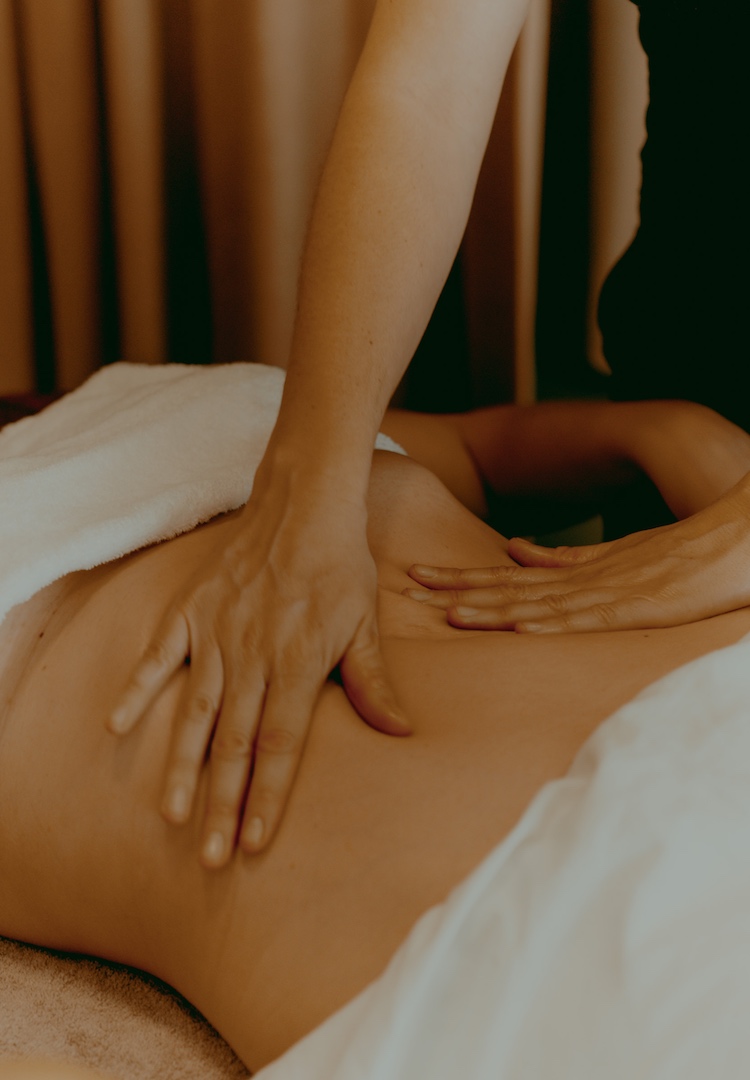
As explained by Holly Putna, whose Melbourne studio Soften specialises in lymphatic drainage massage, muscle contractions and deep breathing help push lymph through your vessels and back into your bloodstream. When we’re stagnant for a long time, it’s said that excess fluid can build up, causing swelling, bloating and discomfort.
As a result, people online are testifying that certain types of exercise can support your lymphatic system and help drain fluid. One trending workout is ‘lymphatic jumping’, which is exactly what it sounds like: jumping around with your arms dangling, hopping, body waves, swinging your arms and twisting.
Interestingly, many of these routines resemble years-old Chinese exercises, including qigong, which encourage small, repetitive movements to support your nervous system, reduce inflammation and release stress. Lymphatic walking builds on this, offering an alternative to your regular stroll through the park.
How exactly do you go on a lymphatic walk?
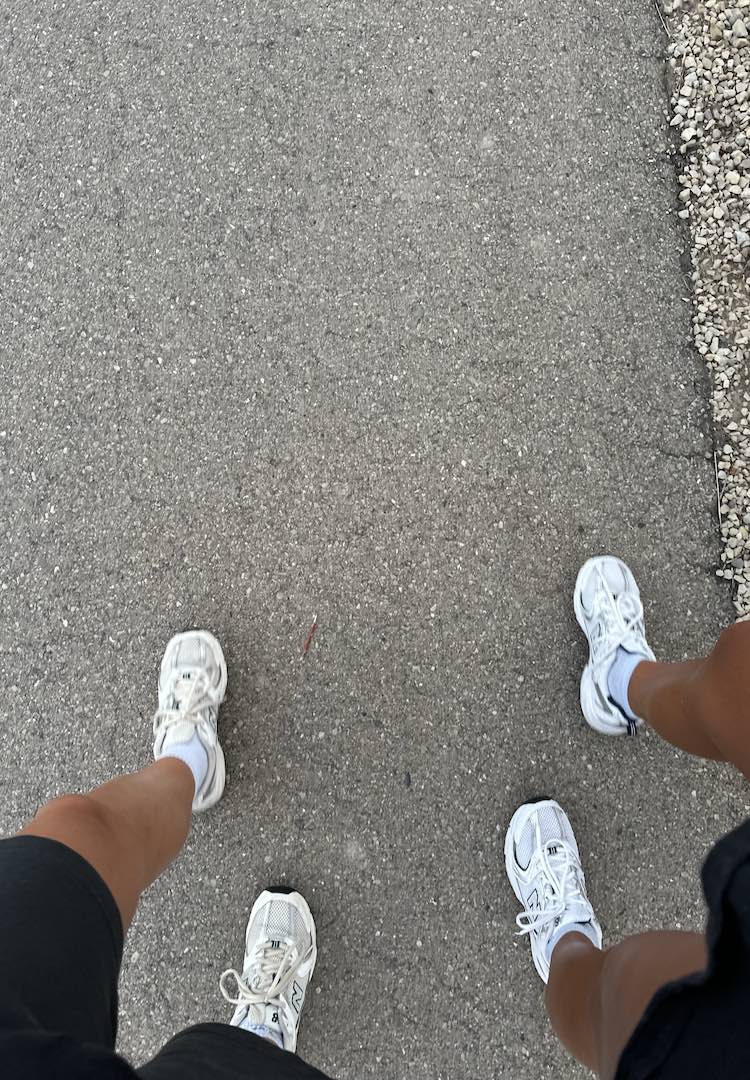
From afar, ‘lymphatic walking’ might not appear noticeably different from a typical walk. In fact, the most important factor lies in your intention and awareness.
“When going on a lymphatic walk, focus on moving with purpose and intention rather than following a strict pace or posture,” Holly explains. “Use deeper, diaphragmatic breathing alongside active movements such as swinging your arms and engaging more muscles, as movement and changes in pressure from breathing help encourage lymph flow.”
Whatever you’re calling it, most experts encourage deep diaphragmatic breathing due to a long list of benefits, from helping reduce stress and heart rate to improving muscle function. The added bonus, in theory, of this approach is how it can help pump your lymph.
What is the benefit of lymphatic walking?
“The wellness trend of lymphatic walking may seem a little silly, as it really is just walking with a few adjustments, but walking is the easiest and most effective thing you can do for your lymphatic system,” Holly explains.
Around 30 minutes of exercise each day is recommended for most adults, and though it can seem slower and less exciting than a HIIT class, walking has a host of positives, like aiding digestion, lowering blood pressure, improving circulation and alleviating anxiety.
Ultimately, walking with added arm movements (like swinging), deeper breaths and engaging more muscles can be a net positive, regardless of what it’s called.
What is worth keeping in mind, though, for most people, your lymphatic system functions naturally on its own accord. While some people can develop lymphedema, which involves a buildup of lymph fluid, puffiness and bloating can also be attributed to other factors, like diet, poor sleep and weather.
While you don’t necessarily need to venture out on a ‘lymphatic walk’, paying more attention to your body and breathing won’t hurt. “Ultimately, the biggest benefit is simply that it encourages consistent daily movement,” Holly adds.
For more about lymphatic jumping, try this.
Liked this? You’ll love these...