

Seven Australian authors on the books that changed their life
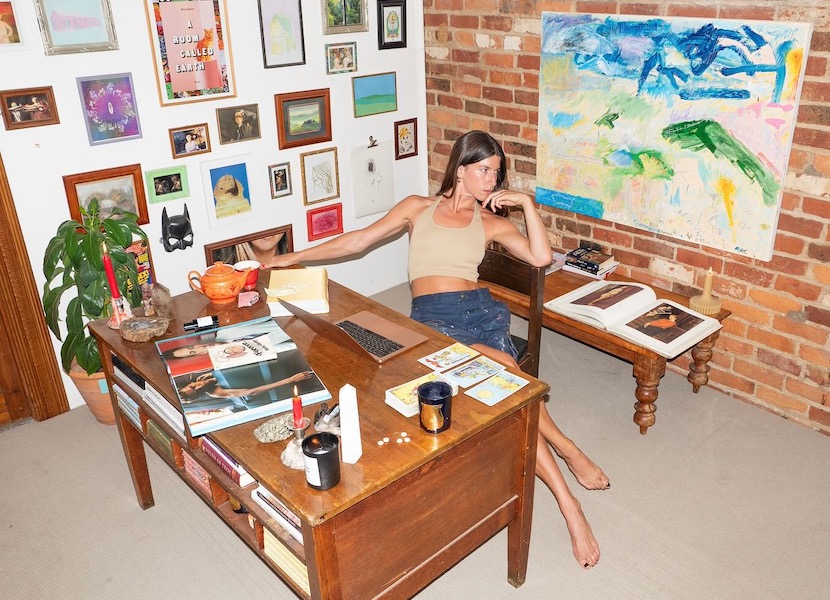
photography by Hector Mackenzie
words by daisy henry
The power of the written word.
As a devout reader, I’m certain that books really do have the ability to change your life. A good book will immerse you wholeheartedly. Sometimes, stories help articulate an experience that you don’t have words for; other times, you might find yourself becoming as invested in the characters and their lives as though they were real people.
Regardless of whether it’s a best-seller or an indie release no one’s ever heard of, being impacted by a book can feel like an utterly singular experience. For these reasons and more, reading widely is considered fairly essential for most authors.
For more author interviews and book recommendations, head to our Life section.
For any type of writer, reading a good book can be a sacramental act. Some will linger more than others, revealing new and different ways to tell stories and craft sentences. If you’re in need of a similar dose of inspiration, we’ve asked six of our favourite local authors for the stories that have changed their lives and shaped their craft.
Jess Ho, author of People With Money and Raised by Wolves
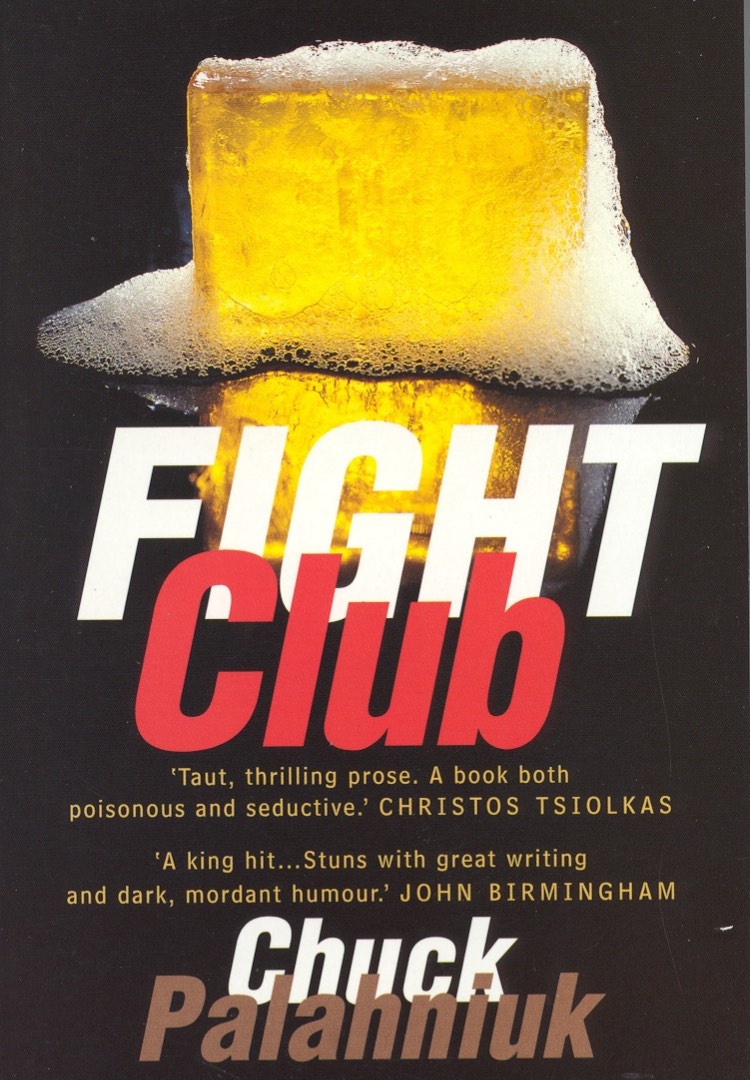
At risk of sounding like a dude-bro, a book that really changed the way I viewed books and the potential of storytelling is Chuck Palahniuk’s Fight Club. I came across it when I was in high school and everyone was going through their Harry Potter phase. I think it was also the first book where I paid attention to the subtext: extreme themes of isolation, warnings against consumerist culture, nihilism and exploration into the dangers of unchecked toxic masculinity.
I found it funny when people started picking up the book and thought it glorified mindless violence. In a way, it served as a litmus test for literacy through my teens and 20s.
I was also fixed on the taught, minimalist writing. That style really impacted me because as I studied creative writing, I had to endure a lot of workshops and some people just needed to learn when to stop. My biggest lesson wasn’t deciding what story to tell but learning to do the most with the least. I’ve become ruthless with my drafts. I am the first to kill my darlings. I don’t care. It’s not about me; it’s about the story.
Abbey Lay, author of The Slip
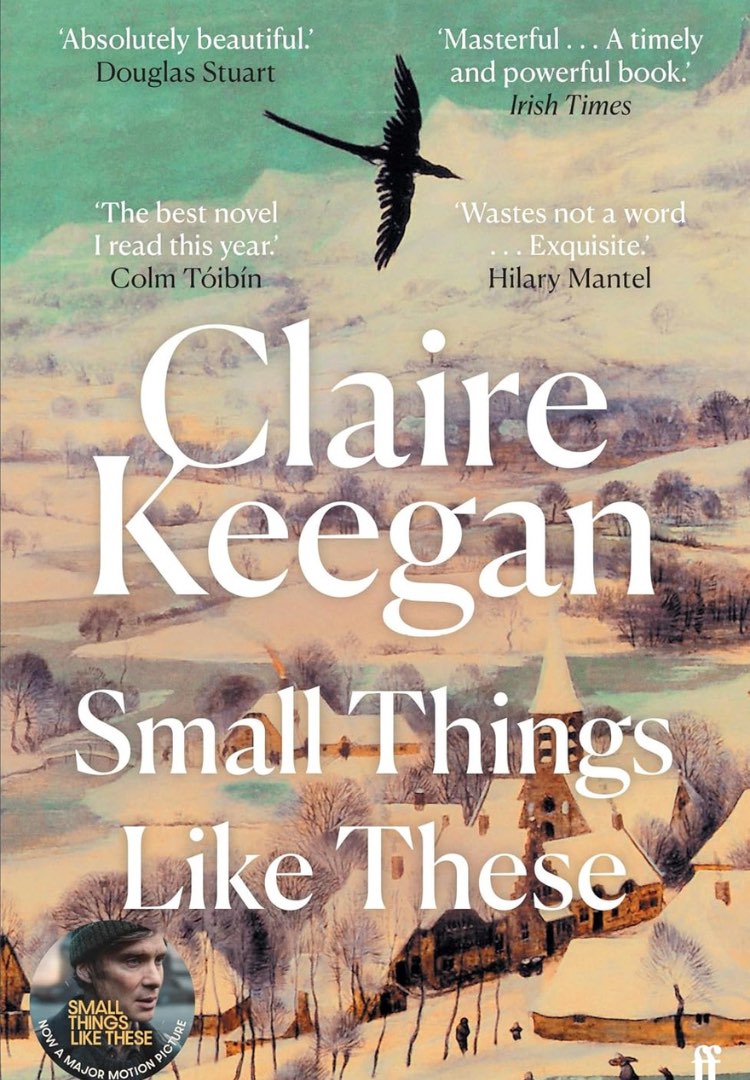
I came across Small Things Like These by Claire Keegan some five years ago, by accident. I read the first sentence – “In October there were yellow trees” – and couldn’t understand why something so ordinary could work such magic, why the world of this story came so instantly alive in those six words. That was my experience all the way through: every detail seemed at once so natural and so perfectly curated as to be undeniable.
And then there was the subtle moral ambiguity challenging the simple reading that this is a hero’s journey, a masterful control of tension, the economy of the prose, the structure of the paragraphs. I could go on, but in the end I felt deeply respected as a reader, and came away thinking that the story could have been told no other way. I only ever fail to evoke these characteristics in my own writing but they are what I aspire to.
Lucianne Tonti, author of Good Witch and Sundressed
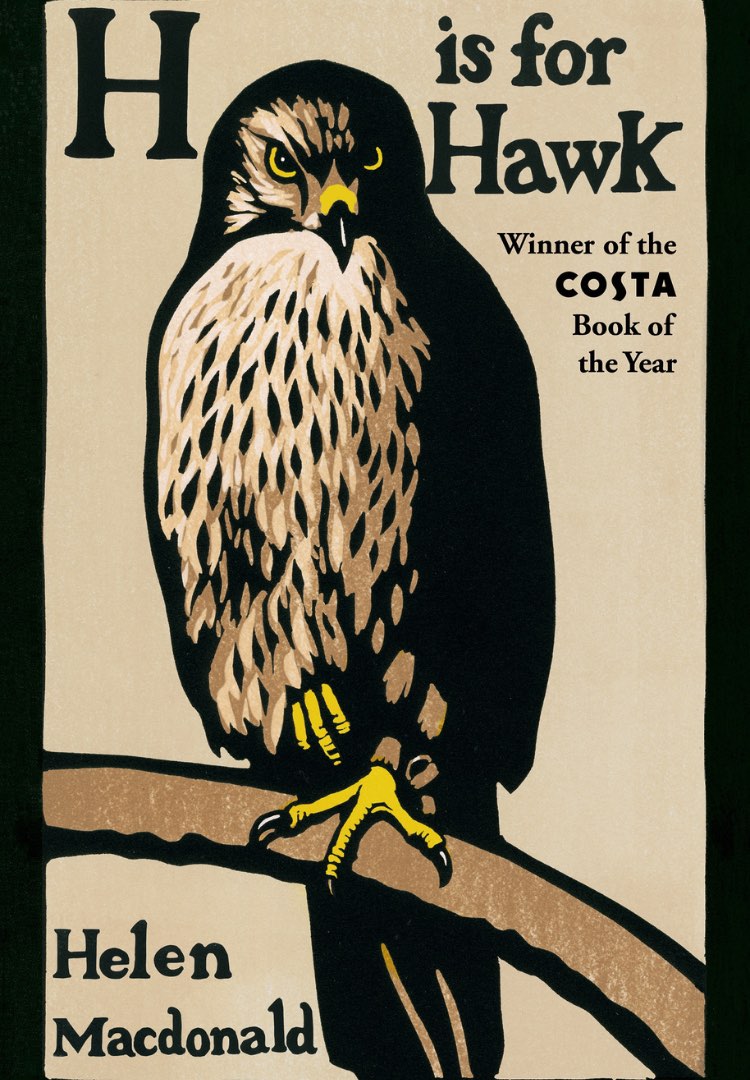
I read H is for Hawk by Helen Macdonald in the year after my Dad had passed away. I was in my late 20s, I’d just moved to London and I was very lonely. None of my friends had lost a parent and no one really knew what to do or say to make me feel better.
The book is an exploration of Macdonald’s grief over her father’s death and how she channels it into training a goshawk. She is such a beautiful writer, and I was constantly underlining passages or scrawling them in a notebook. Like this one: “For the first time I understood the shape of my grief. I could feel exactly how big it was. It was the strangest feeling, like holding something the size of a mountain in my arms.”
At the time, it did what all good books do and made me feel less alone, it made me feel seen. Now, reflecting on it, over a decade later, it’s interesting to note that she interweaves her love of this wild creature throughout the narrative – she’s telling two stories. That’s something I’m often trying to do in my writing – letting my love of the natural world become a plotline, building two stories at the same time.
Joshua Anthony Hortinela, author of Hate You to Love You
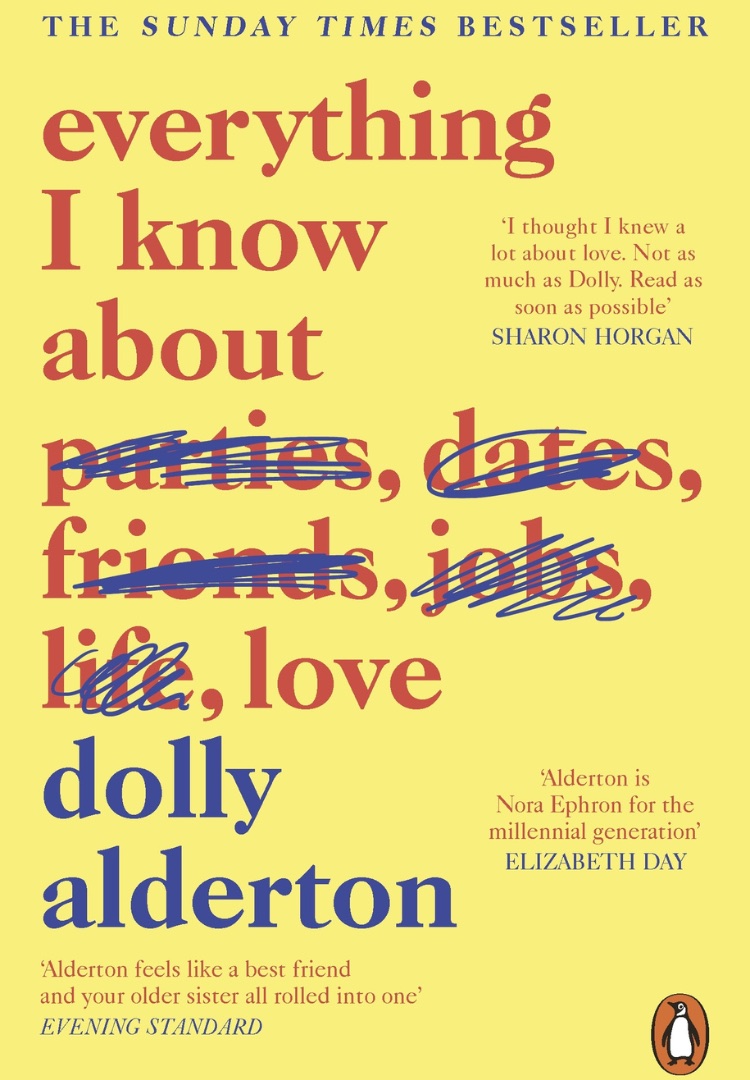
There’s something to be said for a book that you keep returning to, no matter how many times you read it. For me, it’s Everything I Know About Love by Dolly Alderton. On a surface level, this book serves as a sort of “agony aunt” collection or pieces, anecdotes and advice. Alderton has a signature warmth, wit and vulnerability to her writing that completely draws you in.
Yet on a deeper level, this book has impacted through the myriad of ways its resonated with different chapters of my life. It’s relatable when reading the chapters about share houses, friends and crappy jobs in your early twenties. It’s relatable when reading about loss. It’s relatable when reading about terrible dates. I’ll keep coming back to this book over the years, and I have no doubt that I’ll find something new to resonate from it when the time comes.
Victoria Hannan, I Love the Whole World!, and Marshmallow
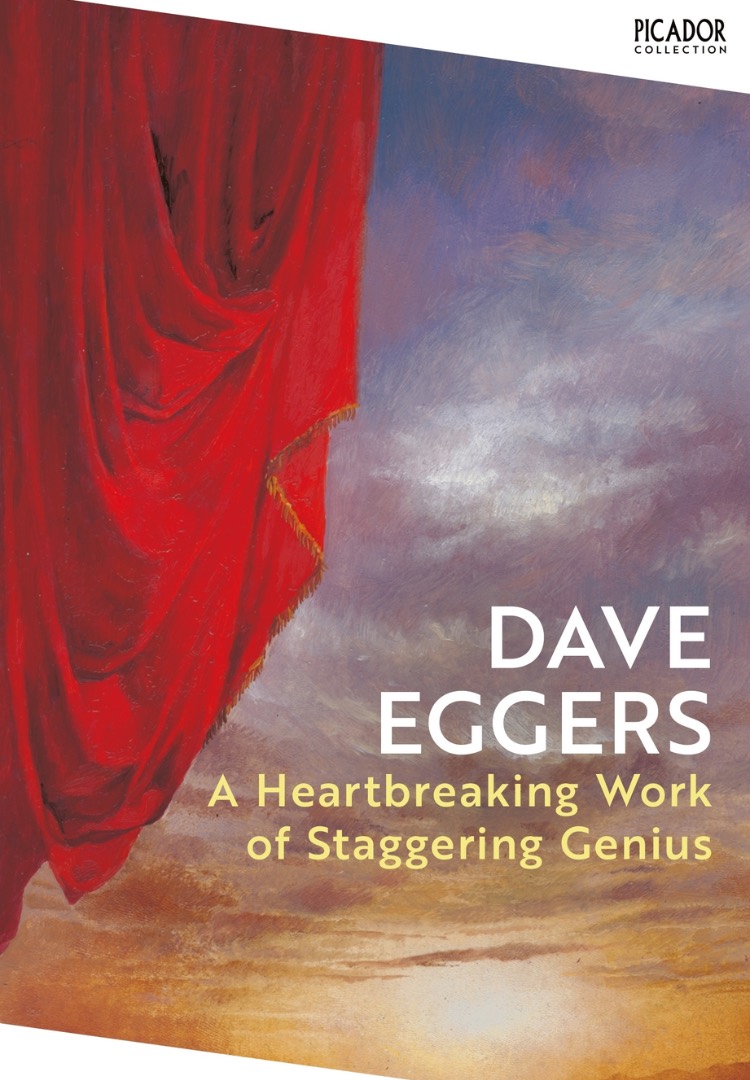
Dave Eggers’ 2001 memoir, A Heartbreaking Work of Staggering Genius, made me understand that a book could be both completely itself and completely alive. I read it at a time when I was trying to work out what kind of writer I wanted to be, and Eggers opened my eyes to the fact that writing can be messy, funny, sentimental, self-conscious, excessive and sincere all at once. It showed me that literary writing didn’t have to choose between intelligence and feeling, or between formal experimentation and the desire to tell a good story.
More than anything, it made writing seem like an act of enormous possibility. I remember the feeling of reading it and realising there’s no one right way to write. That the most powerful thing a writer has is their own voice. It changed not only what I wanted to write, but what I believed a book could be.
Zarah Butcher-McGunnigle, author of Autobiography of a Marguerite and Leaves Fall Off to Create Drama
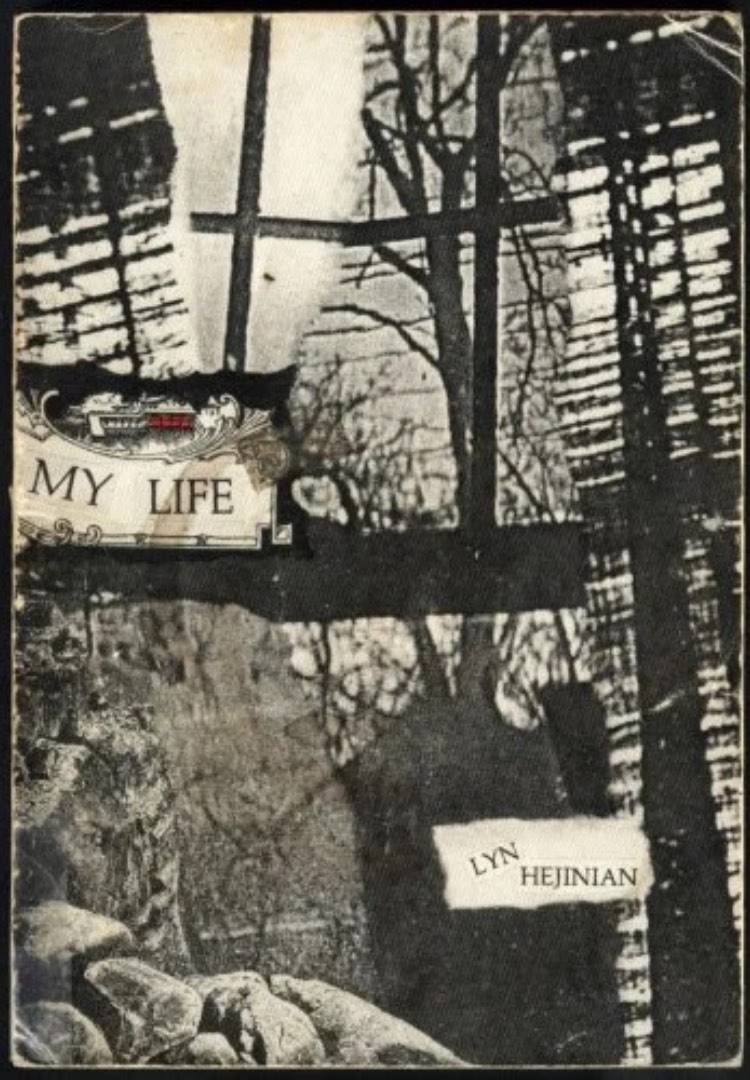
My Life by Lyn Hejinian is an experimental poetic autobiography first published in 1980. I was introduced to this book by a new friend I’d met at a university poetry reading. My Life was one of the texts being discussed in his contemporary poetry class (he was a year ahead of me). I was around 19 or 20, writing lyric poetry (influenced by Louise Glück and Sylvia Plath) but feeling stuck in my writing.
My Life introduced me to a whole new way of writing and thinking about poetry. It allowed me to experiment with a new style and voice and take risks in my own work. My Life is concerned with the nature of memory and challenging the typical conventions of memoir, and the form reflects this. It was originally composed of 37 prose poetry paragraphs, with 37 lines each, to reflect the age of the author at the time of writing.
The paragraphs are disjunctive; each sentence often has no clear transition from the one before it. The logical and emotional gaps between the sentences require the reader to participate in meaning-making. This is a very different experience from reading a traditional lyric or confessional poem, where readers are given epiphanies by the author.
My Life helped me to fall in love with the prose poetry form, and to embrace the fragment. It influenced my writing of my first book, Leaves Fall Off To Create Drama, which I wrote when I was 20. This book was only published this year (15 years in my drawer!), alongside a new edition of my first book, Autobiography of a Marguerite.
Madeleine Ryan, author of The Knowing and A Room Called Earth
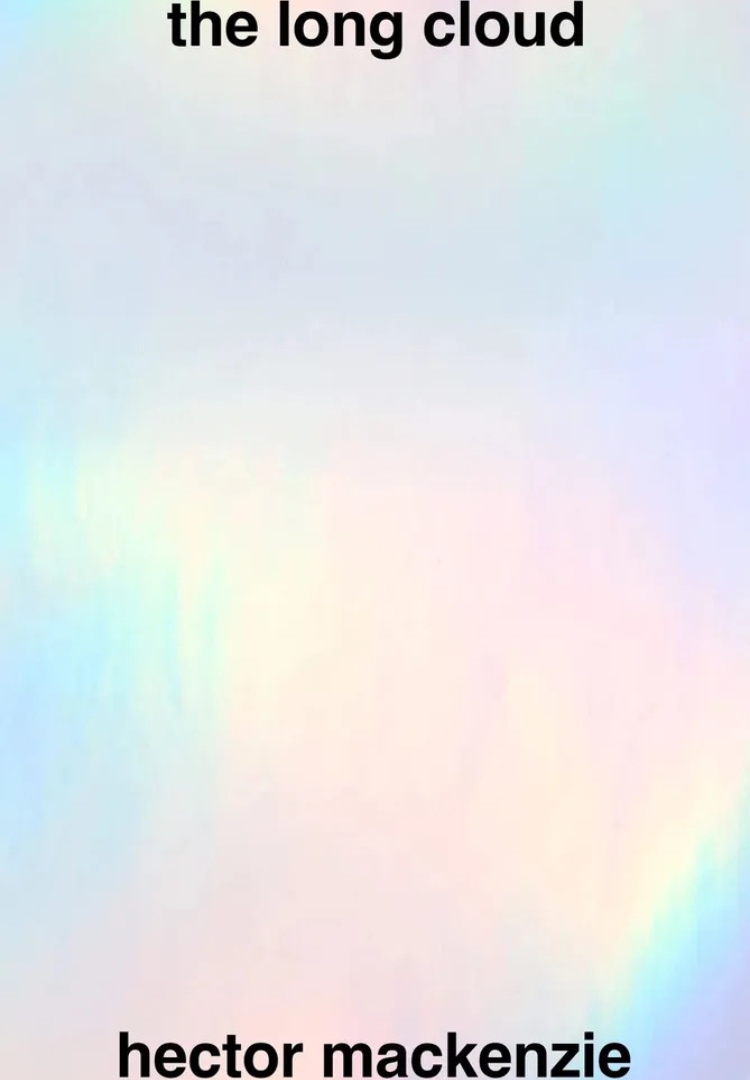
The Long Cloud is a masterpiece and it literally hit bookshelves this week. The premise is simple: it’s about a male model who returns home to New Zealand after ten years living in London. But the way the book traverses complex themes like belonging, self-worth, beauty, family, power, sex and money is unmatched. It has a purity of heart and a grace that is totally disarming.
It’s also the most tender dissection of the male psyche I’ve ever read; it made me question how I treat men and how I treat myself. It’s also funny. I’ve never laugh-cried so much while reading a book. And it was written by my partner, Hector Mackenzie, which is a blessing and a curse. I read every draft of The Long Cloud and from the first one I knew that our lives would be forever changed by him writing it. It is vivid, simple and utterly inspiring. Read it and I suspect you’ll be forever changed by it, too.
For advice on becoming an author, try this.
Liked this? You’ll love these...