

How I Got Here: Substack’s Head of Partnerships on ditching the ‘ten-year plan’
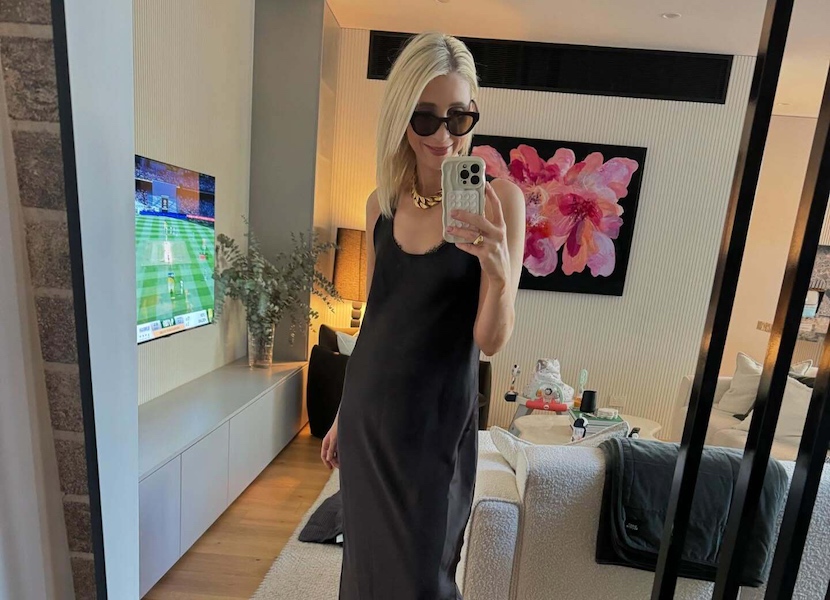
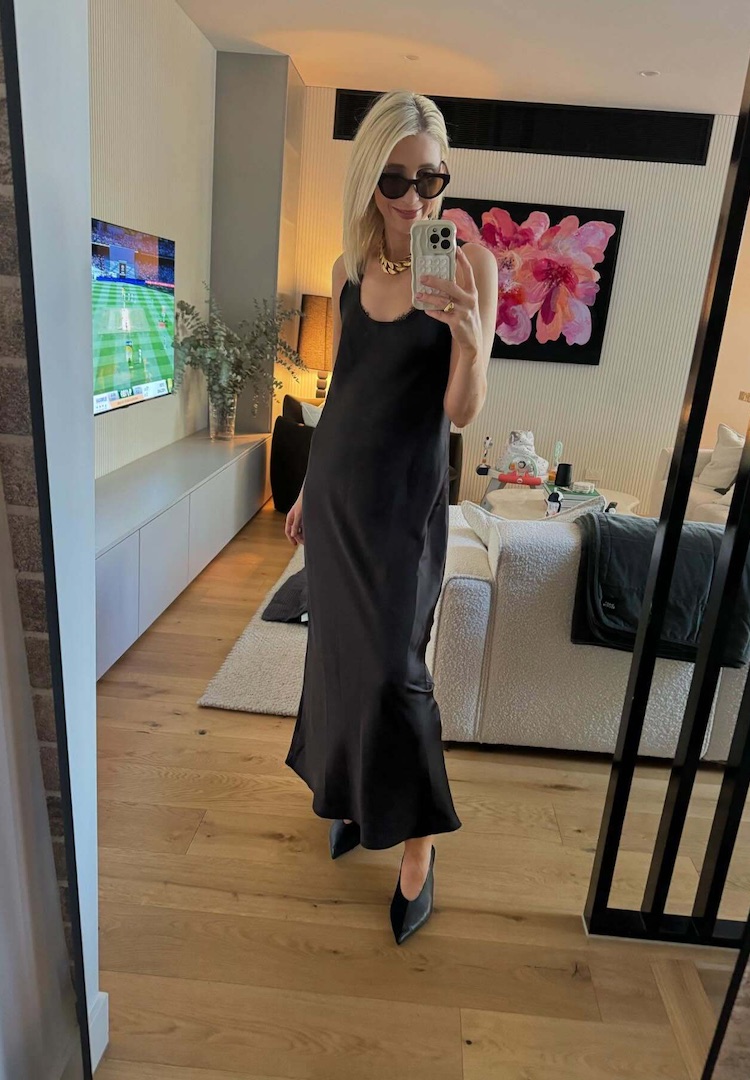
image via @annabellelucyrussell
as told to daisy henry
“If there’s something you want to do, or something you want to be known for, start doing it and do it consistently.”
Welcome to How I Got Here, where we talk to people who are killing it in their respective fields about how they landed their awe-inspiring jobs. We explore the peaks and pits, the failures and the wins, and most importantly, the knowledge, advice and practical tips they’ve gleaned on the journey.
Whatever corner of the internet you prefer lurking in, chances are you’ve come across Substack. Launched in 2017 as a platform for writers to connect directly with readers and earn money through subscriptions, it has since grown into a sprawling home for creators of all kinds, with tens of millions of users worldwide.
Looking for a new nine-to-five? Head to our Careers page for new listings daily.
Annabelle Russell sits at the centre of it all. As Substack’s Head of Partnerships, she is the platform’s first (and only) Australian-based employee, connecting with everyone from sports writers and academics to podcasters, recipe developers, finance experts, political commentators and cultural tastemakers.
Despite studying professional communication at university, she says it’s a career she never could’ve predicted. After a stint working in TV development, Annabelle went on to work at Meta and TikTok before landing at Substack, a role that didn’t even exist when she was at school.
After more than a decade in the industry, her advice for anyone trying to carve out their own path is to take initiative. “If there’s something you want to do, or something you want to be known for, start doing it and do it consistently. Create the content, publish the essay, record the interview.”
Fashion Journal: Hi Annabelle! Tell us what you do as the Head of Partnerships for Substack Australia and New Zealand?
Annabelle: I’m the first dedicated hire for Substack in this market and my role exists to lead the next phase of investment in the region. What that means in reality is supporting the growth of the local Substack ecosystem via creator onboarding, education, support, storytelling, awareness-building and more.
Take us back to when you were first starting out in the media industry. What did you study?
I studied a Bachelor of Professional Communication at RMIT University, which covered Media, PR and Journalism. I was an avid reality TV and documentary fan at the time, and was fascinated with how to turn a great content idea into a commercially viable series. Mark Burnett, the creator of Survivor, was nothing short of a genius in my eyes. So I set out to write my honours thesis on exactly that.
It led to a six-month internship in Sydney working in research and development for a global TV production company. I was paid $400 a week, which barely covered a room in a Sydney rental but thanks to my unbridled enthusiasm, they offered me a better-paid, full-time job. So I made the Sydney move permanent and stayed in TV development for seven years, working across Warner Bros, Channel Seven and other production companies.
Eventually, I decided to make the move out of TV into content more broadly. It was a big decision. TV development had always been a real passion, but I found myself drawn to the world of digital and social, where the democratisation of content delivery was allowing for more voices and stories to be told. I knew where audience interests were heading and I wanted to be a part of that shift.
A year after the transition, I landed a role at Facebook (now Meta), which was a career turning point. I joined the ANZ business marketing team, and ended up working on content insights and marketing across the Asia-Pacific. When TikTok launched in Australia (think peak Covid and Renegade dance trend times), I was brought on as one of the founding members of the local Content Partnerships team. I spent the next five years helping to build TikTok’s presence in this market.
Along the way, I had my eye firmly on Substack. So when there was an opening to join the team, I jumped at it.
What were the first Substack writers that introduced you to the platform?
Two New York writers who were on my radar early were Hunter Harris, who runs Hung Up, and Emily Sundberg, who runs Feed Me. As a travel and hotel lover, I was also an avid follower of Yolanda Edwards, the former creative director of Condé Nast Traveller, who continues to bring her trusted recommendations and aspirational intel to Substack via the aptly titled Club Yolo.
Closer to home, Melbourne writer Anna Mackenzie of Anna Mack’s Stack stands out. For several years, she’s been writing on the topic of portfolio careers – the idea that you can be financially successful via several part-time roles, rather than one full-time gig. It’s subject matter I think is more relevant than ever, and she’s grown a global subscriber base of over 19,000 as a result. She’s a wonderful writer, and a great example of what’s possible when you commit to your craft and expertise.
What challenges have you faced getting to where you are now?
One of the biggest challenges I faced in my early career was getting the exposure I needed to go to the next level. The TV industry presented a somewhat traditional and hierarchical working environment, which meant that I often felt like ‘the intern’ even when I wasn’t one. I definitely had more to contribute.
The tech industry opened my eyes to businesses with a growth mindset and flatter team structures. I’m incredibly grateful for the strong female leaders I experienced in these environments who uplifted and empowered their teams to do their very best work. Ever since then, I’ve been fortunate that growth and development have been a daily occurrence.
The lesson is: if you’re in an environment that no longer supports your growth and ambition, then it’s no longer the place for you.
What’s the best part about what you do?
My role exists to support people making money doing the work they believe in, on a platform where the incentives are aligned. It feels genuinely meaningful to help talented individuals turn their expertise into a real business and build an audience they own. I’m successful if I can help others be successful, and that’s what makes the work so rewarding.
What would surprise people about your role?
Despite the fact that I’m the only Substack employee in Australia (currently), I am never, ever lonely! A typical day sees my diary filled with meetings with sports writers, academics, podcasters, recipe developers, finance experts, political commentators, cultural tastemakers and everyone in between. I feel very lucky to be constantly exposed to such interesting people across so many different walks of life.
Do you have any routines or tips for keeping up with conversations, current events, or even discovering new writers?
I’ll be totally honest, working as an Australian employee in a global business, the first thing I read in the morning is my Slack messages to get up to speed with any key overnight updates from my US and UK colleagues. Wellbeing experts would likely be horrified!
For my daily fix of the news headlines, I’m a big fan of The Squiz podcast, because it gives me a great overview in under 10 minutes (I’d love to see them on Substack!) I have industry publications, like Mumbrella and Mediaweek, bookmarked in my browser for regular checks throughout the week. Of course, my main source of cultural commentary is Substack. I subscribe to a large number of publications that come directly to my inbox, which lets me be intentional about my content consumption.
I also have two helpful routine tips, which are not to be gatekept! The first is saving Substack posts for offline reading, like when I’m on the plane, and the second is the voiceover feature that lets writers attach a narration of their articles directly to a post. It’s like having a mini audiobook from your favourite writers, a true game-changer for my weekend walks.
What skills have served you well in your industry?
Being a self-starter. To me, that means having strong self-motivation and the ability to create a roadmap when none exists. Emotional intelligence is also an invaluable skill when building meaningful, collaborative partnerships.
What advice would you give to someone who wants to be in a role like yours one day?
My role didn’t exist when I finished school, so there’s no way I could have predicted that I’d end up where I am today. My biggest advice is to trust your instincts around where your industry is headed and position yourself to be on the frontline of those shifts. Be accepting of the fact that a ten-year plan no longer exists.
What about a practical tip?
If there’s something you want to do, or something you want to be known for, start doing it and do it consistently. Create the content, publish the essay, record the interview. I’m inspired every day by the talented writers and creators who put their work out into the world on their own terms, without being asked.
Keep up with Annabelle here.
Liked this? You’ll love these...