

Made by and for migrant creatives: Introducing Made in Kin
PHOTOGRAPHY BY Carlin Stephenson
AS TOLD TO DAISY HENRY
“We often talk about community as though it’s something you find, but I’ve come to believe it’s something you build.”
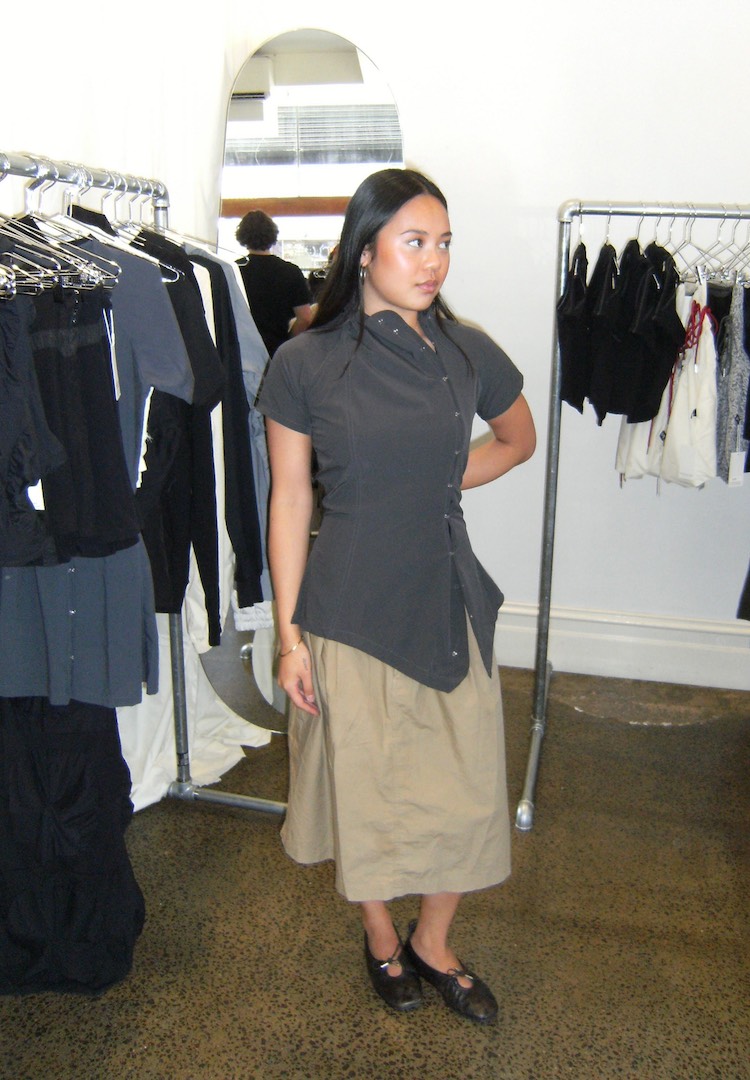
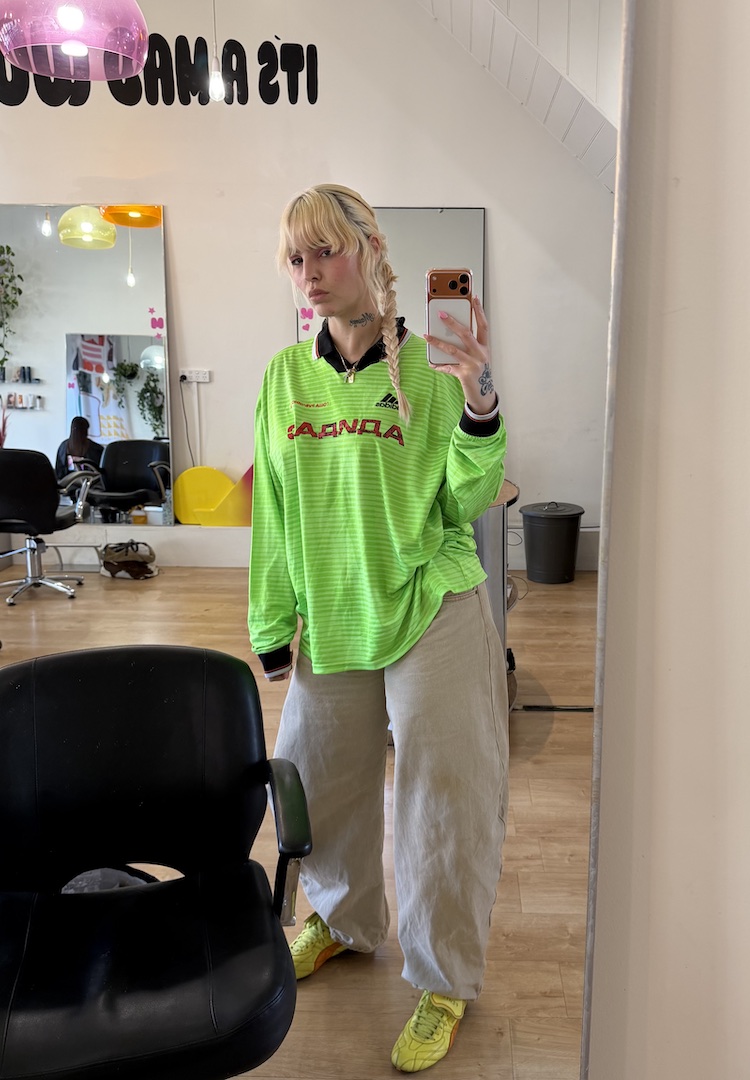
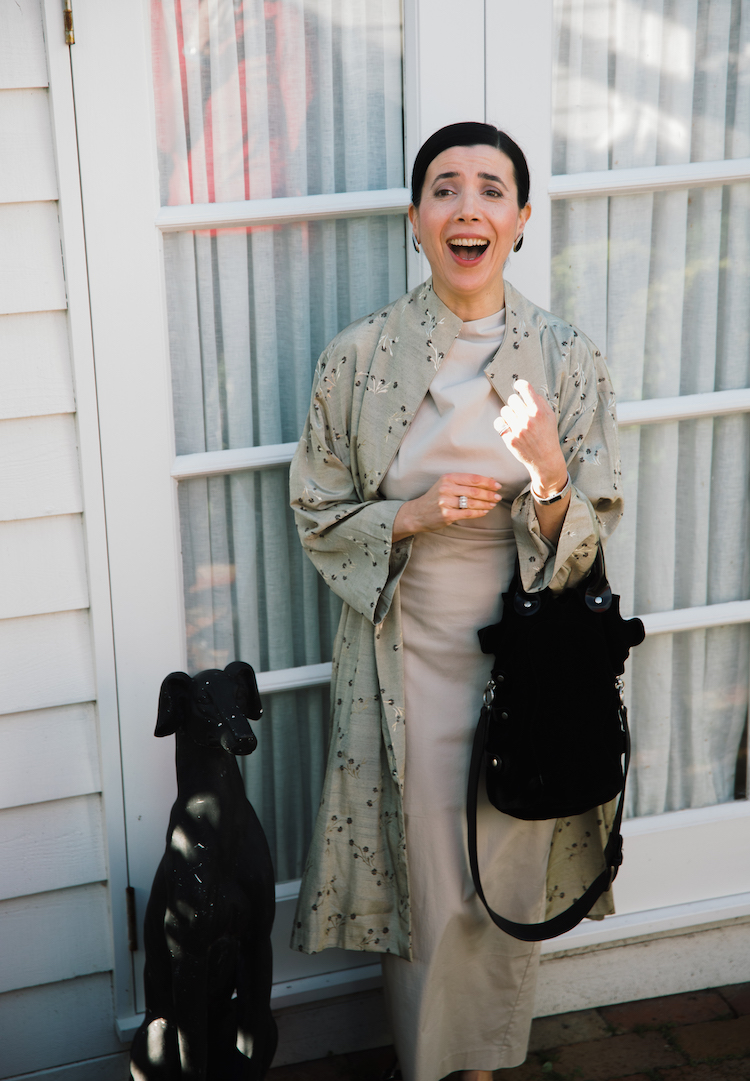
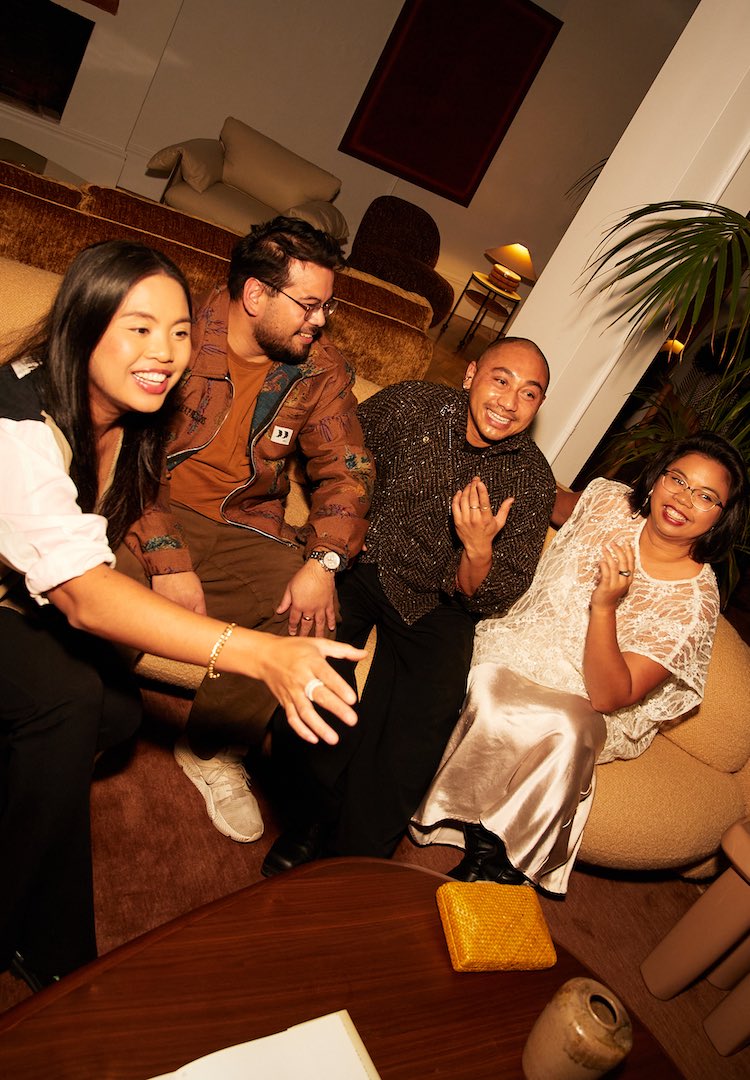
I was lucky enough to attend ‘Meet Made in Kin’ a few weeks ago and I left reeling – in the most positive sense of the word. The event, held at Ellison Studios in Melbourne, was a night dedicated to Australians of colour shaped by migration. As a second-generation Fijian, I’d never experienced a space quite like it.
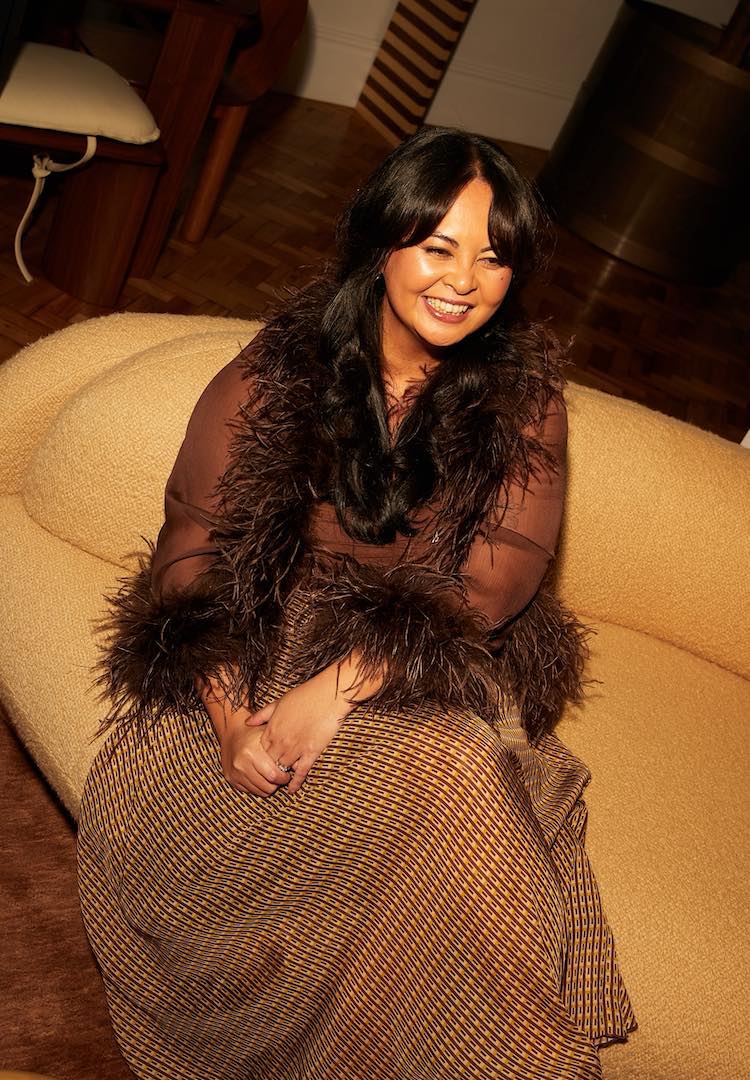
The event was hosted by Made in Kin, an organisation designed to connect, platform and champion people of colour. Founded in February, it’s the creation of Melbourne-based writer and first-generation Filipino immigrant Pauline Morrissey.
Interested to hear how others navigate the world? Head to our Life section.
Now, Made in Kin exists across three core pillars. There’s Studio, where creatives from migrant backgrounds can become part of its Creative Directory; Stories, where anyone with a personal story of migration can share their experiences; and Social, where you can attend in-person events.
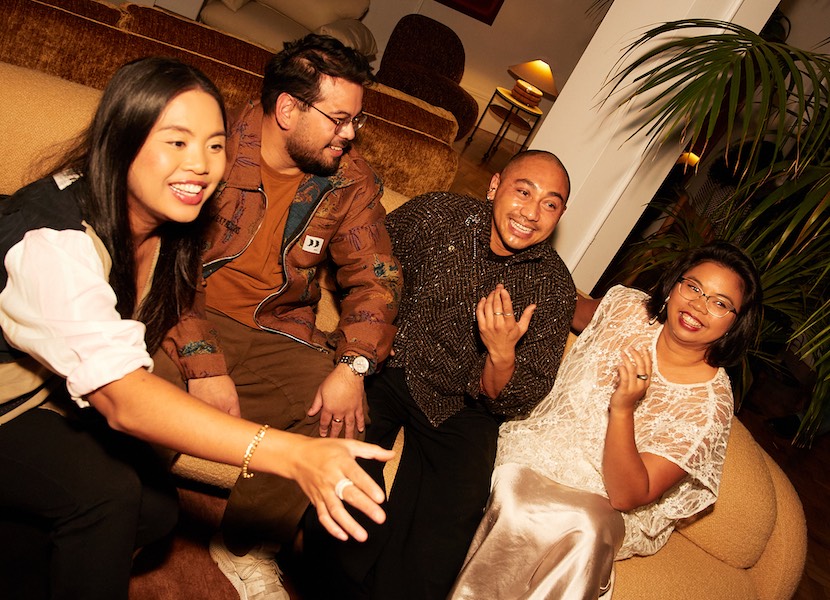
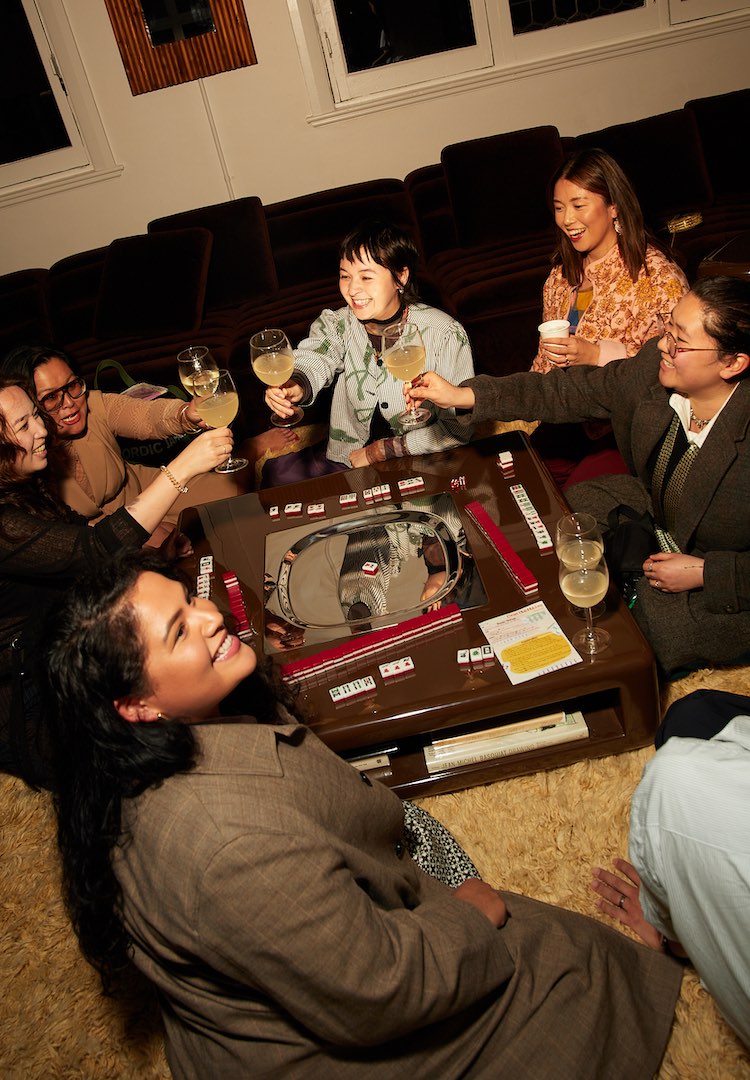
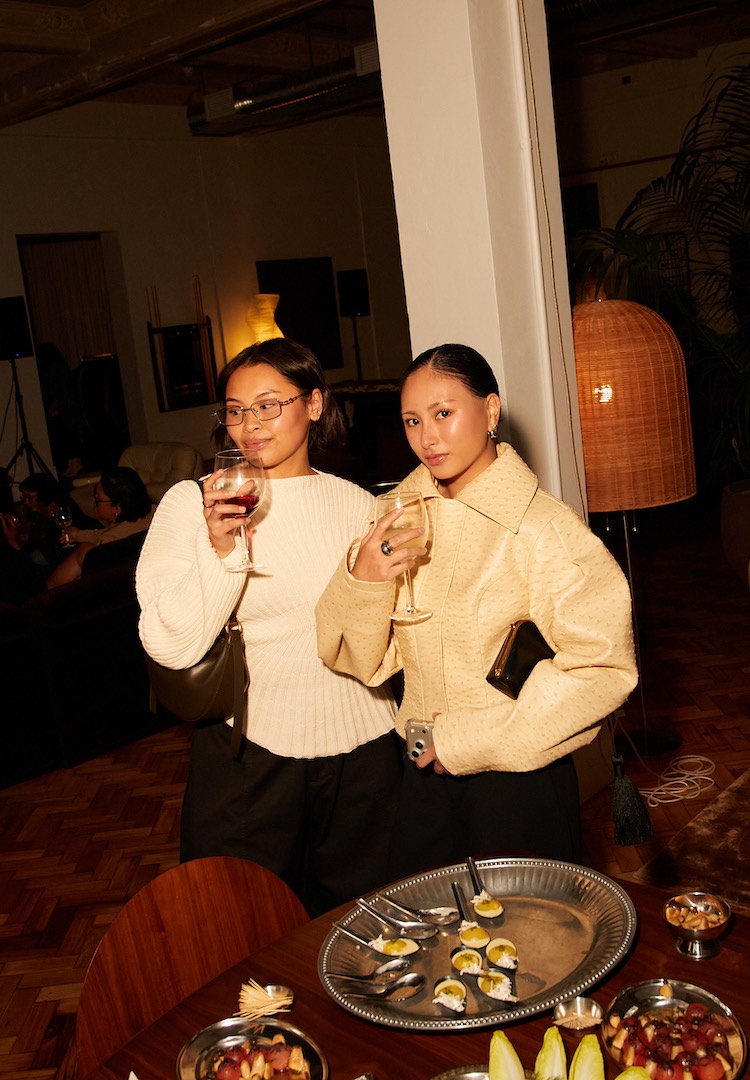
The night I attended featured a panel of creatives including Parth Rahatekar, Bella Loke, John Gatip and Connie Cao, alongside grazing tables by Supper Hour, music from Chi Chi Makwaza and Kudzai Dionne, and a slideshow of family photographs curated by Tyron Tran.
Below, Pauline shares where the name comes from, her favourite part of running the organisation and why its key symbol is a plastic chair.
Fashion Journal: For those who are unfamiliar, can you explain what Made in Kin is?
Pauline: Spanning Studio, Stories and Social, Made in Kin is a multidisciplinary platform built to connect and champion people of colour across photography, writing, design, food, art and culture.
Through Studio, I’m developing a national Creative Directory that helps brands, publications and organisations discover talented creatives from migrant backgrounds while advocating for a more representative creative industry. Stories commissions and publishes diasporic narratives told with nuance by those with lived experience, while Social creates spaces for connection through events and gatherings.
What was the catalyst or motivation behind launching Made in Kin?
After more than a decade working in Australia’s creative and editorial industries, I feel like I’ve earned the right to speak honestly about them. In an industry where freelancing can often be fleeting, I’ve built a career with real staying power. I’ve written for many of Australia’s leading publications, collaborated with major brands, attended countless industry events and built a career I’m genuinely proud of. But none of it came easily.
I didn’t get here because I had a fancy education, knew the right people or had the financial or emotional safety net of my family. In fact, it was quite the opposite. I became the writer who was dependable, adaptable and always willing to bring more to the table than what was asked of me.
I had to be exceptional, relentlessly reliable and constantly finding ways to add value. Looking back, I think that pressure to prove yourself beyond doubt is one many creatives of colour know all too well.
As my career became more established, I found myself looking around those rooms and noticing how few other people of colour were there alongside me. When you’re one of the people who has made it into those spaces, it’s easy to believe things are improving because you’ve become part of the picture. But once I looked beyond my own experience, I realised there was a much bigger, systemic gap.
There was no shortage of talented photographers, writers, designers, filmmakers and artists from migrant backgrounds. The problem wasn’t talent – it was visibility, access and opportunity.
I didn’t want to simply celebrate multicultural communities – plenty of organisations already do that beautifully. I wanted to advocate for them within the creative industries themselves, challenging who gets commissioned, whose stories get told and who gets invited into the room. Instead of waiting for someone else to build the platform I wished existed, I decided to build it myself.
Where does the name come from?
‘Made In’ is inspired by the labels stitched into the clothes, objects and products we buy every day. Those labels tell us where something was made, but they also carry assumptions. Countries across Asia, Africa and Latin America have long been viewed as places that manufacture for the Western world, while the creativity of their people is often overlooked. I wanted to reclaim that language and wear it with pride.
‘Kin’ speaks to family, community and the people who help us belong. For many migrant communities, kin extends far beyond blood – it’s the neighbours, friends, mentors and chosen family who support one another and create opportunities together. Together, Made in Kin is a celebration of where we’re made and who we choose as our kin.
Why does Made in Kin focus on those in the creative industry?
Our work is for Australians of colour shaped by migration. Through our Stories arm alone, we feature family businesses, parents, community leaders, first and second-generation Australians and everyday people navigating identity and belonging. Creativity is simply the vehicle through which those stories are told.
I chose to focus on the creative industries because that’s the world I know best, and because creativity shapes culture. The photographers behind campaigns, the writers behind articles, the designers shaping brands and the filmmakers telling our stories all influence how Australia sees itself. If we want a more representative cultural landscape, we have to create more opportunities for the people making that work.
Who can be part of Made in Kin and what does joining mean?
There are lots of ways to be part of Made in Kin, depending on who you are. If you’re a creative from a migrant background, joining our Studio means becoming part of our national Creative Directory. Every creative is professionally photographed in our signature plastic chair and featured on the website, where brands, publications and organisations can discover and commission their work.
Our Stories arm is open to anyone with a migration story to tell. Whether it’s about family, identity, food, love, grief or belonging, we’re interested in the lived experiences that shape multicultural Australia. Social brings that community together through events, conversations and gatherings.
I think we often talk about community as though it’s something you find, but I’ve come to believe it’s something you build. It isn’t just turning up to an event or adding your name to a directory. It’s introducing two people who should know each other, championing someone else’s work, volunteering your skills or simply asking, “How can I help?”
Many of us have grown up believing opportunities are scarce, so, understandably, we focus on our own careers and survival first. But the communities that create lasting change aren’t built by people simply consuming them. They’re built by people who occasionally choose contribution over competition.
I love the imagery of the plastic chair. What does it represent?
The plastic chair is probably the most recognisable symbol of Made in Kin – and not by accident. I spent months collecting them from Facebook Marketplace, driving all over Melbourne and Sydney to rescue them before spray-painting them the familiar shades I remembered from my travels through the Philippines, like cream, dark brown and light teal.
For so many Australians from migrant backgrounds, the plastic chair instantly feels like home. In Australia, it’s often treated as backup furniture, wheeled out for a backyard barbecue. Across much of Asia, it’s part of the architecture of everyday life. It surrounds dining tables overflowing with food, lines the front of grandparents’ homes, fills birthday celebrations, local eateries and market stalls.
In many ways, the plastic chair reflects what Made in Kin is trying to do: challenge what we value, expand what we see as worthy of celebration and remind people that beauty has always existed in the places we’ve overlooked.
What’s your favourite part about running Made in Kin?
Without question, it’s watching confidence become contagious. I’ve watched people arrive at one of our events alone, shy and visibly nervous, then leave a few hours later with a room full of people cheering them on. I’ve seen creatives begin valuing their own work because they’re finally surrounded by others who value it too.
At a time when the word immigrant can feel like a dirty word in parts of our public conversation, I love that Made in Kin exists as the antidote. It’s a place where people feel proud of where they come from, proud of the work they create and proud to champion one another.
What’s been a highlight for the organisation so far?
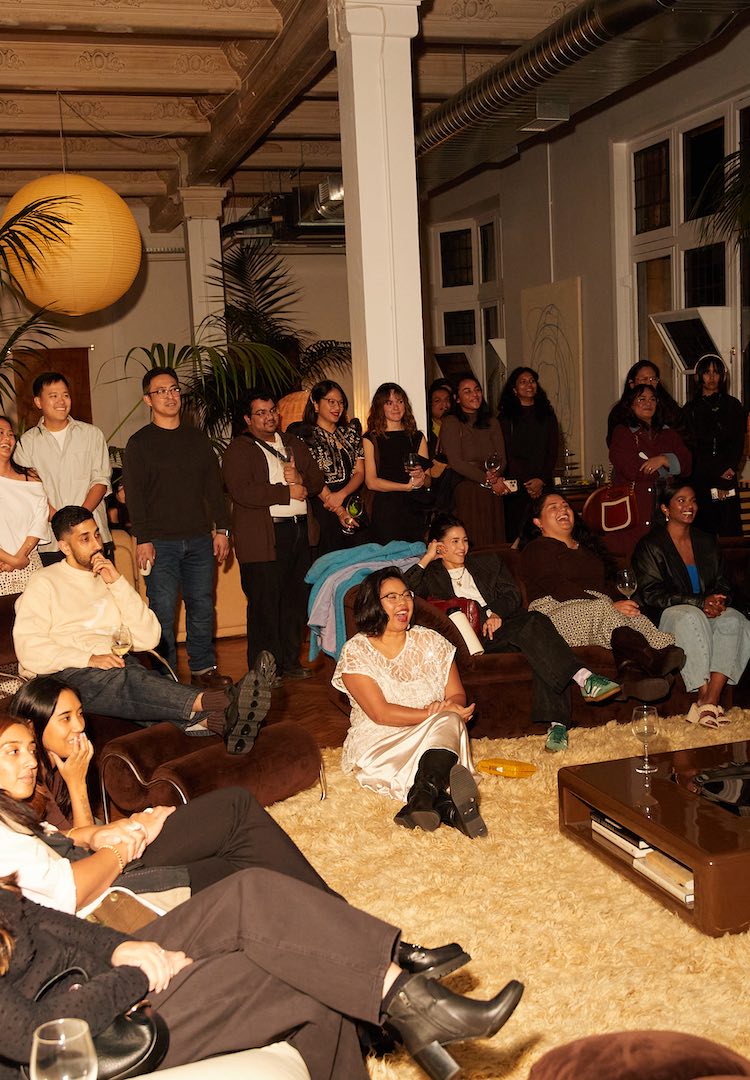
We’re only six months old, so I truly believe the best is yet to come. But hosting our first major community event at Ellison Studios’ concept space, The Lobby, is a milestone I’ll never forget.
The Lobby has hosted magazine launches, Melbourne Design Week events and gatherings for some of Australia’s most recognised creative brands and publications. Then there we were – a four-month-old platform centred on Australians with migration stories, invited into the room.
That invitation came through a relationship built over many years. I’d been writing about Ellison Studios throughout my work and, when I pitched the idea, they said yes within a couple of hours. No lengthy justification, no convincing, just trust.
What hurdles have you faced in launching Made in Kin?
The biggest challenge hasn’t been building Made in Kin – it’s been advocating for it. So much of this work happens behind the scenes and much of it feels like unpaid labour. Countless emails and conversations explaining why Australia’s creative industries should broaden who they commission, collaborate with and celebrate.
The hardest part has been trying to shift one persistent misconception: that multicultural creatives are asking for charity. We’re not. We’re bringing together some of Australia’s most established, thoughtful and talented creatives to say: look at the quality of this work, look at the audiences we reach, look at the communities we engage. This isn’t about lowering the bar or filling a quota. It’s about recognising excellence that has too often been overlooked.
The other reality is that Made in Kin is still just me. People often message our Instagram with, “Hi team,” and it always makes me laugh because there isn’t one. Every story commissioned, every creative photographed, every partnership pitched, every event planned, every DM replied to and every late-night spreadsheet has been done by me, funded entirely through my freelance work.
It’s a huge undertaking, but one I believe is worth every hour and every dollar because communities like this don’t build themselves. The next chapter is making sure they’re sustainable enough to keep growing.
What’s next for Made in Kin?
The honest answer is that Made in Kin needs money to grow. Not because I want to build a bigger organisation for the sake of it, but because funding creates opportunity. It pays writers to tell important stories, commissions photographers, puts filmmakers behind the camera and allows us to host events where people genuinely connect.
Australia already spends millions on marketing campaigns, creative projects and grants every year. I’d simply like to see more of that money directed towards multicultural creatives and organisations that have already proven they can create exceptional work and deeply engaged communities.
We’ve spent six months proving the idea works. The next step is making sure it’s properly resourced to reach its potential.
Keep up with Made in Kin here.
Liked this? You’ll love these...