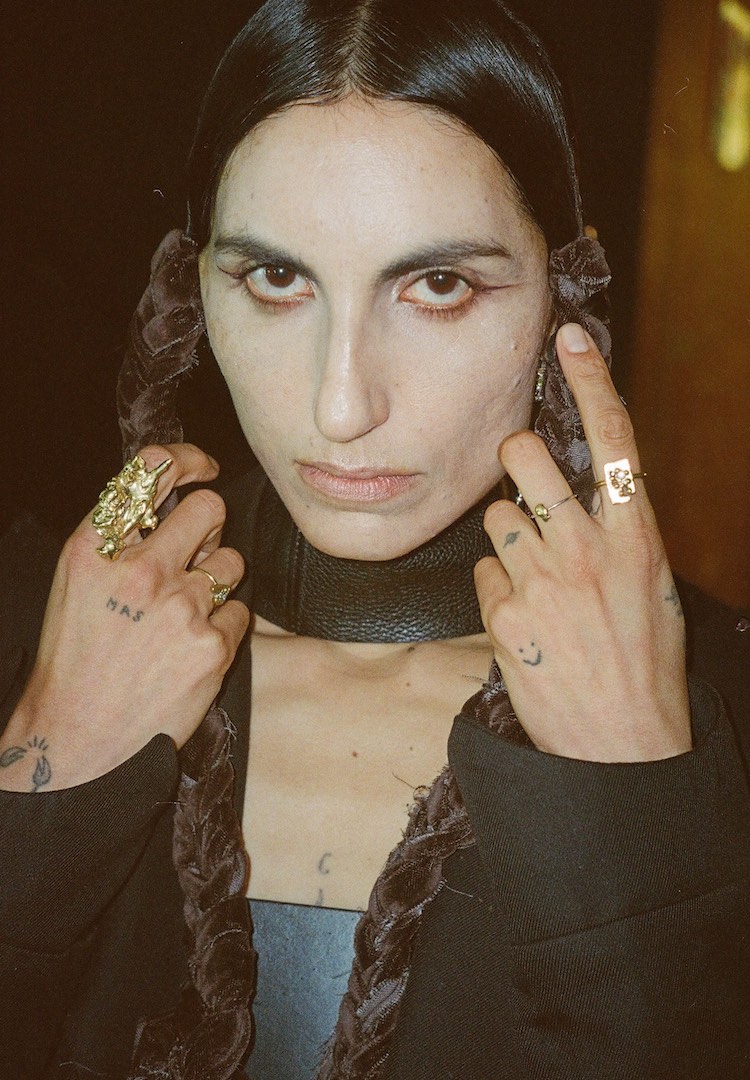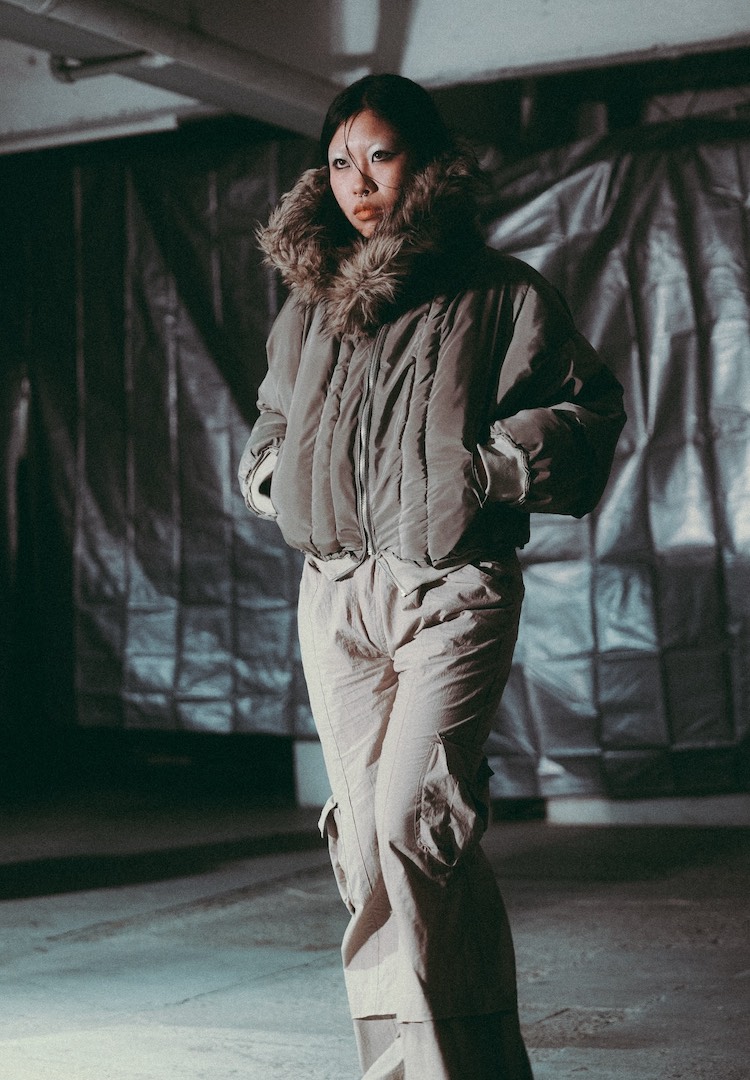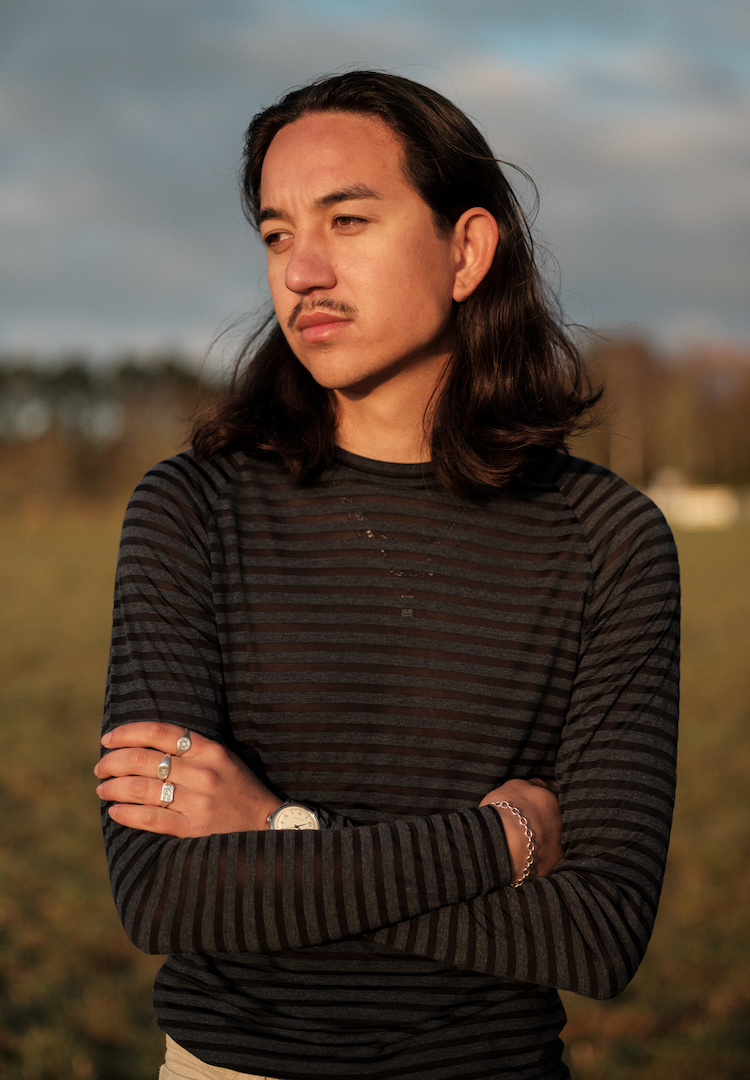
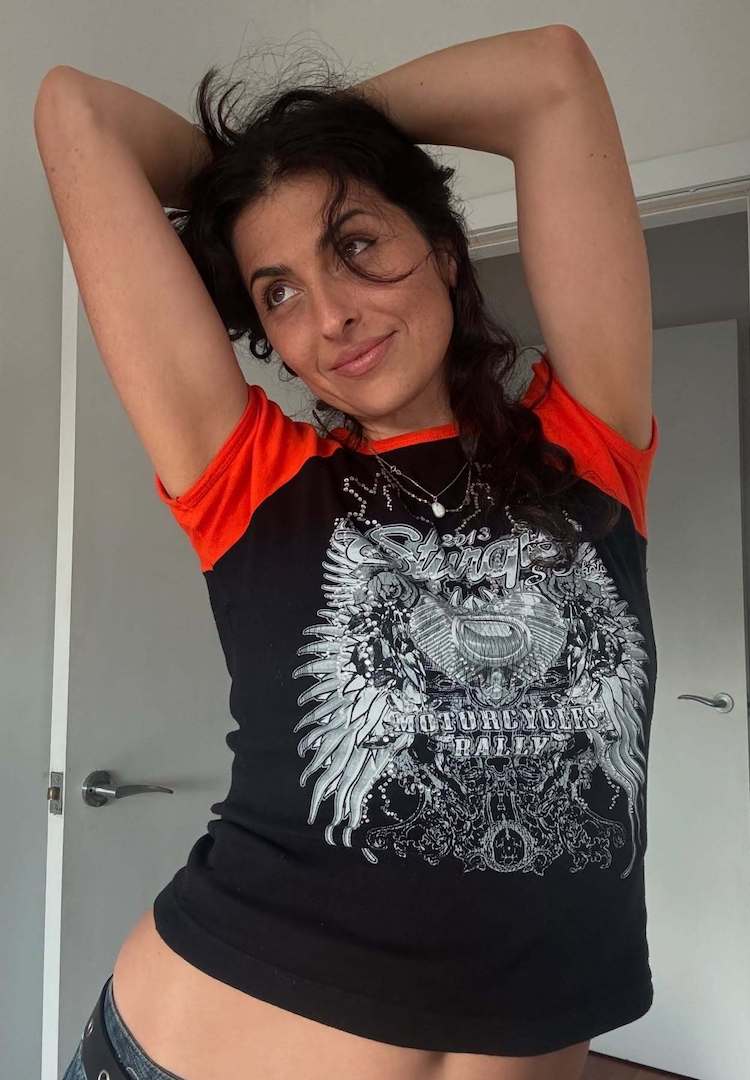


Meet Bidi, the new menswear label from Sucker’s founders
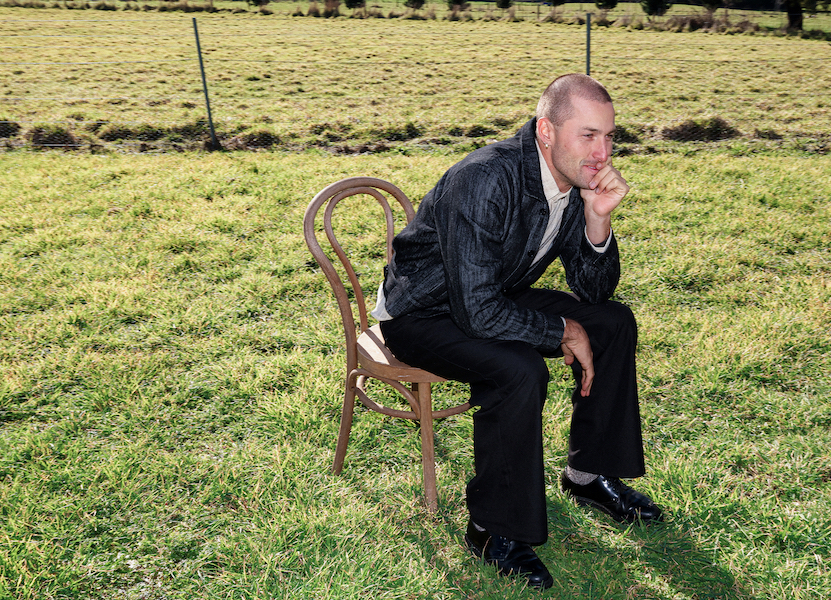
photography by Liam Carmody and Aden McLeod
as told to maryel sousa
“We always say, you need to learn every rule before you break them.”
After years of working with independent designers, Aden McLeod and Ben Tambyah are putting their learnings into practice. The duo first crossed paths in 2015 at a house party, going on to open Melbourne artist-run gallery space Sucker in 2018, before evolving the business into a multi-brand fashion store. Now, they’re taking what they’ve learnt from working in retail and launching their own clothing label, Bidi.
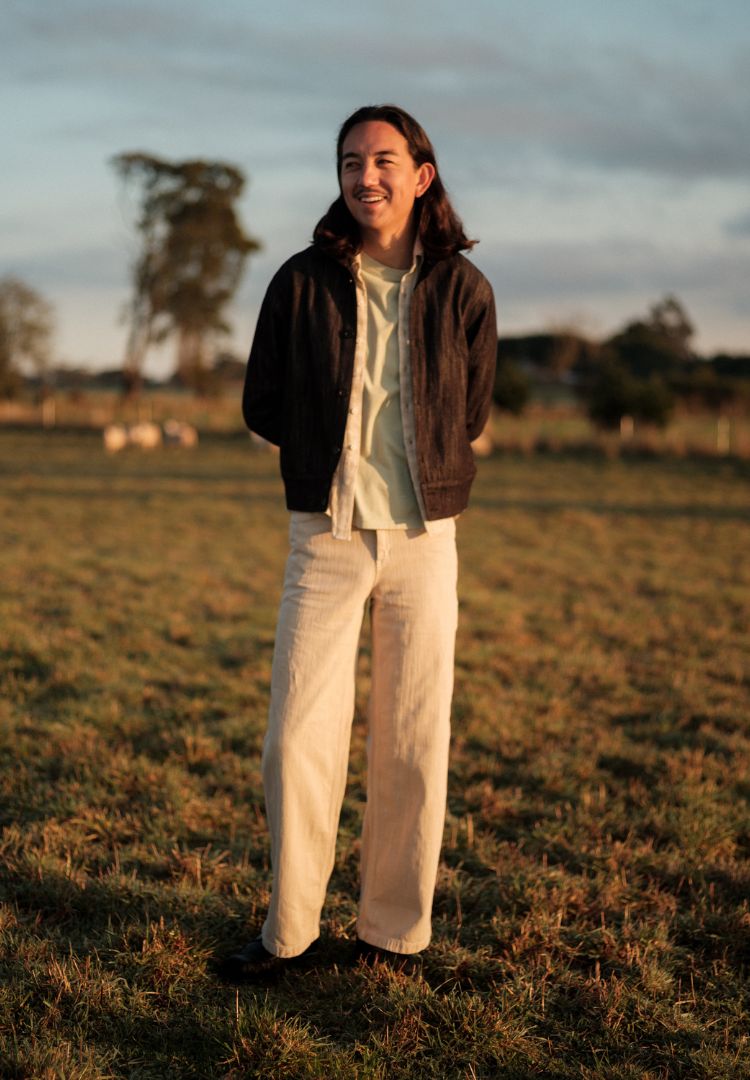
The label’s debut collection, Number One, was a year in the making, involving months of research and a trip to Bangalore, India, where the pair explored fabrics and production possibilities. For Aden and Ben, the process was about getting hands-on and working out what they wanted their clothes to feel like. “We spent days holding and touching swatches, wearing samples and observing how fabrics drape over different body shapes,” Aden explains.
For more fashion articles and features, head to our Fashion section.
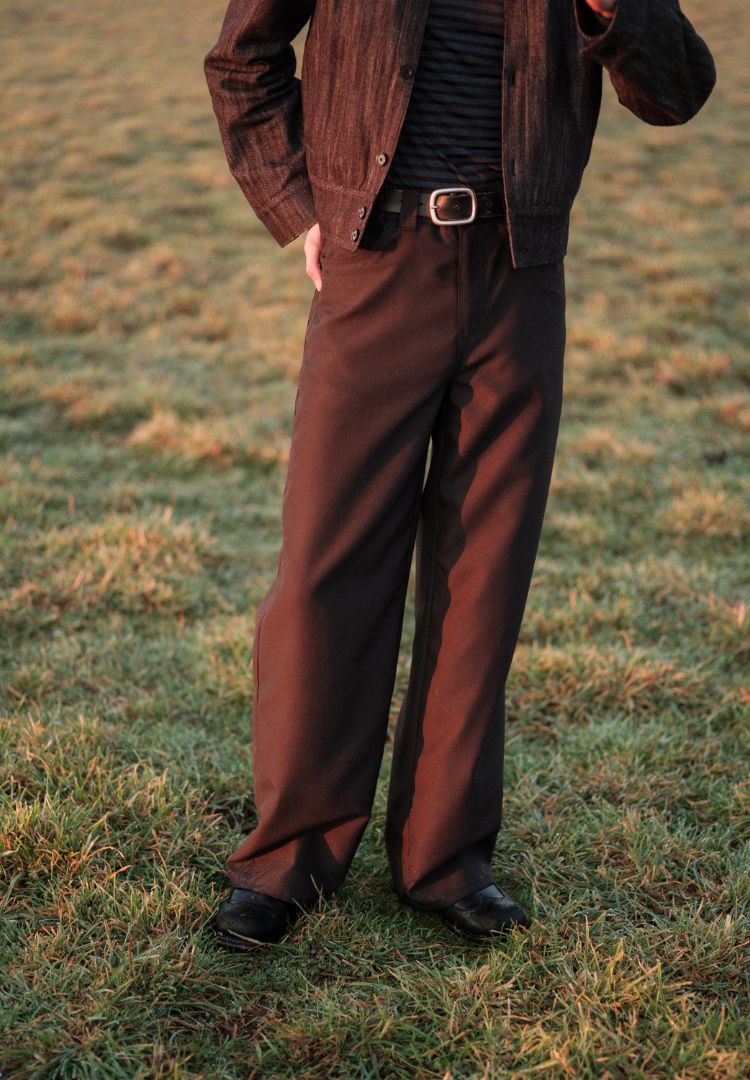
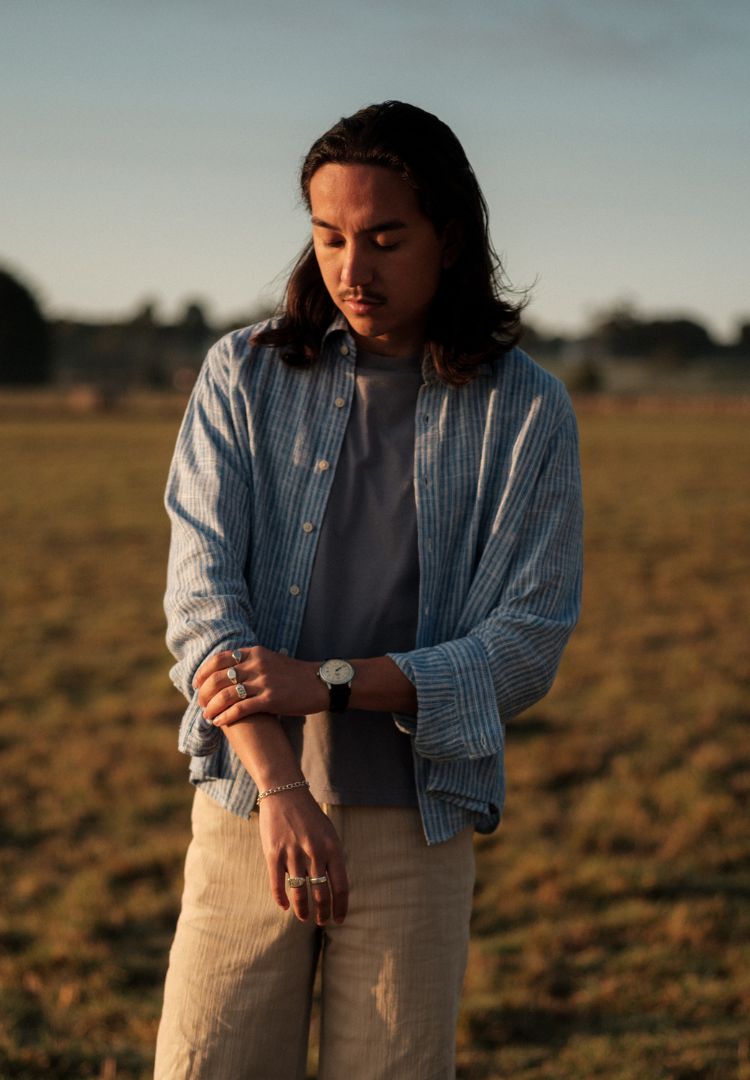
That material-first approach carries through to the finished collection, which spans lightweight linen shirting, Australian-milled cotton T-shirts and heavyweight denim, all made in Melbourne. Even the name reflects the duo’s interest in natural materials. A bidi is a hand-rolled cigarette originating in India, made from tobacco wrapped in an ebony leaf.
“We liked the idea of a more natural, raw cigarette, which reflects our long-term approach as we explore natural processes and materials,” the pair explain. Much like the name itself, Bidi is about taking something familiar and refining it with quieter details.
Fashion Journal: Hi Ben and Aden! What led you to launch Bidi together?
Ben: We’d been running the Sucker clothing label for as long as the store’s been around, but it always felt like it had to directly reflect the shop’s offering. It almost became a souvenir, and felt like a constraint on our personal interests when it came to clothing. Creating something new felt like a chance to lean into all the experience we’d gained from running a fashion retail space and working with designers over the last five years.
Aden: When you’re around such a variety of clothing for so long, you begin to understand the nuances of fabric and design. The more intrigued we became, the more we wanted to dive deeper into not only the design process, but the clothing we wanted to make.
You’ve been business partners for nearing a decade now. What’s your working relationship like?
Ben: Since we opened Sucker in 2018, our vision, relationship and purpose haven’t stopped growing. Simply put, I work on the front end. Aden works on the back end. After almost 10 years working together, we’ve developed a dynamic that’s balanced and purposefully efficient. Now, we lean into our skill sets rather than share every part of the job.
Can you run us through the lead-up to officially bringing Bidi into the world?
Ben: The Number One collection and the label launch took about a year of planning, research and development. Aden had always had the clothing element of the label in his head; it was about harnessing the ‘why’, the purpose. The branding, story and identity came first and took around three months.
We began sampling around six months before the launch. While that was happening, we went on a research and inspiration trip to Bangalore, India. It let us explore all our options and see what opportunities were truly out there. After the trip, we cemented a united idea of where this all was actually going, which gave us a lot of confidence and readiness.
We always say, you need to learn every rule before you break them. I felt like we’d done our due diligence and now it was just about the product speaking.
Did you run into any challenges?
Aden: When working on the Sucker label before Bidi, we ran into a multitude of hurdles because we weren’t in sync on the product’s vision, purpose and standards. Heading into the Bidi project, we knew that throughout production, we wanted to take things a little lighter and have fun with the process.
If we wanted to use linen, we’d use linen. If we wanted textured denim, we’d do it. It wasn’t going to be a big deal because the research was there. Alana, our production manager, made the process a lot smoother than it would’ve been if it were just Ben and me.
Our biggest hurdle, though, is just being happy with the process and result. We can definitely get caught up focusing too much on what’s next instead of taking a step back and looking at what we’ve just pulled out of our arses.
How would you describe Bidi’s aesthetic to someone discovering it for the first time?
Ben: It’s for city-siders looking for an escape.
Aden: It’s about the details you don’t notice at first glance, but when you get closer, touch it, feel it and then wear it, the fabric feels nice on your skin and the shape, over time, forms to your body.
What kinds of materials have you worked with most in the debut collection?
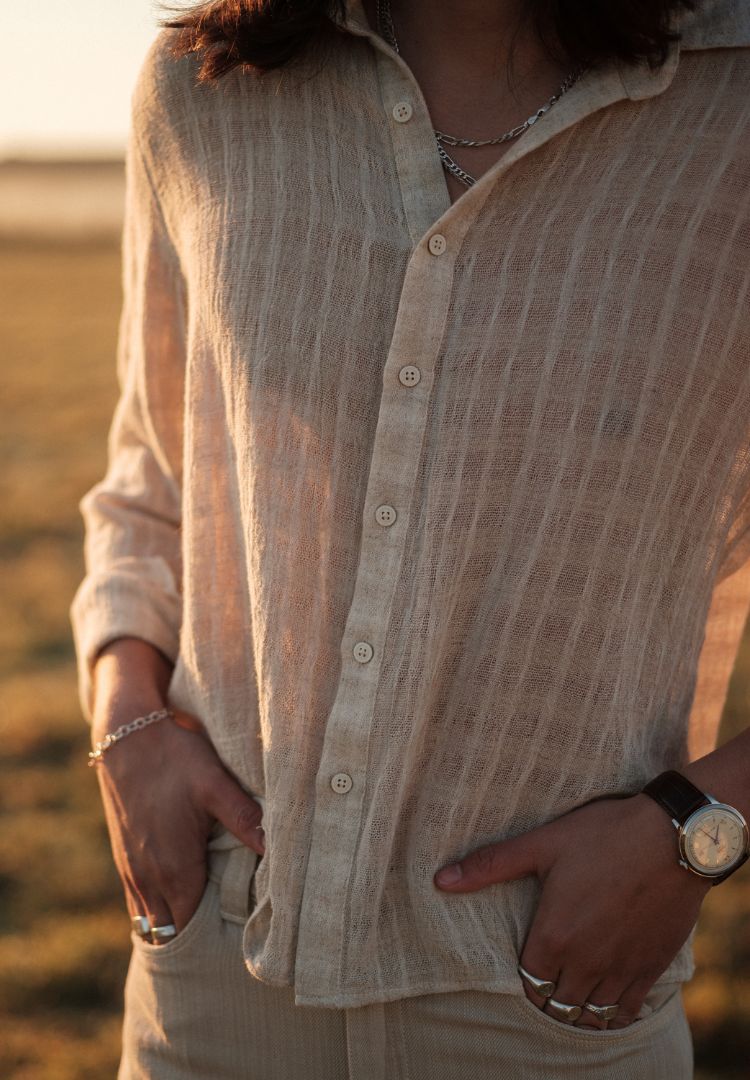
Aden: We spent days holding and touching swatches, wearing samples and observing how fabrics drape over different body shapes to ensure they felt great on the skin. We used lightweight linens, viscose and cotton for our shirting. Our T-shirts are Australian-milled cotton. Our denim comes from a heavyweight cotton-flax blend.
I also noticed your pieces are made in Melbourne. Why was this important to you?
Aden: For the debut collection, we felt it was important to be as close to production as possible so we could make on-the-fly adjustments and get hands-on if needed. As we keep refining and understanding the Bidi garments and messaging, we’ll look at all our options.
How did running a retail store like Sucker help you in creating Bidi?
Ben: Because of the nature of our work, we’ve been having conversations with emerging and established designers for over five years. We’ve heard about the ins, outs, ups and downs of how to successfully (or unsuccessfully) run a clothing label.
Aden: Seeing and feeling all the products that come through the store has definitely given us a lot of insight, but also taught us what we like and dislike. It’s given us the chance to study key details like quality, fit, fabric, construction, detail and grading, which we’ve directly integrated into Bidi’s garment design.
Where did the name ‘Bidi’ come from?
Aden and Ben: A Bidi is a hand-rolled cigarette originating from India, made of tobacco flakes wrapped in an ebony leaf. We liked the idea of a more natural, raw cigarette, which reflects our long-term approach as we explore natural processes and materials.
While standard cigarette smoke can be off-putting, a bidi infuses the tobacco base with cloves and spices, giving it a distinctive, aromatic note. Similarly, we take standard clothing items, like a shirt, and refine them with subtle, quiet details that create a sense of exploration within a standard pattern.
What are each of your most-worn pieces from the collection?
Aden: The Jones shirt in blue stripe. As it gets warmer, it becomes an easy reach.
Ben: The Taylor jeans in almond. It’s something I’ve been looking for for so long, so it’s great to have our label on it.
Bidi is also stocked exclusively in-store at Sucker. Will you keep it this way, or do you have plans to expand?
Aden and Ben: For now, we want to keep it homegrown to refine the brand and prioritise garment quality before exploring expansion.
What are your hopes for Bidi over the next five years?
Aden and Ben: Bidi’s all about learning and experiencing through material, so we’re looking forward to doing that. This will come in the form of travelling, understanding new landscapes and climates and how the clothes wear in them. We plan to learn about unique fabrics from all over, gathering as much information and inspiration as we can, so it becomes not so much about the product but the experience.
Bidi is stocked exclusively at Sucker. Head in-store to 63 Johnston Street, Fitzroy, or shop online here.
Liked this? You’ll love these...