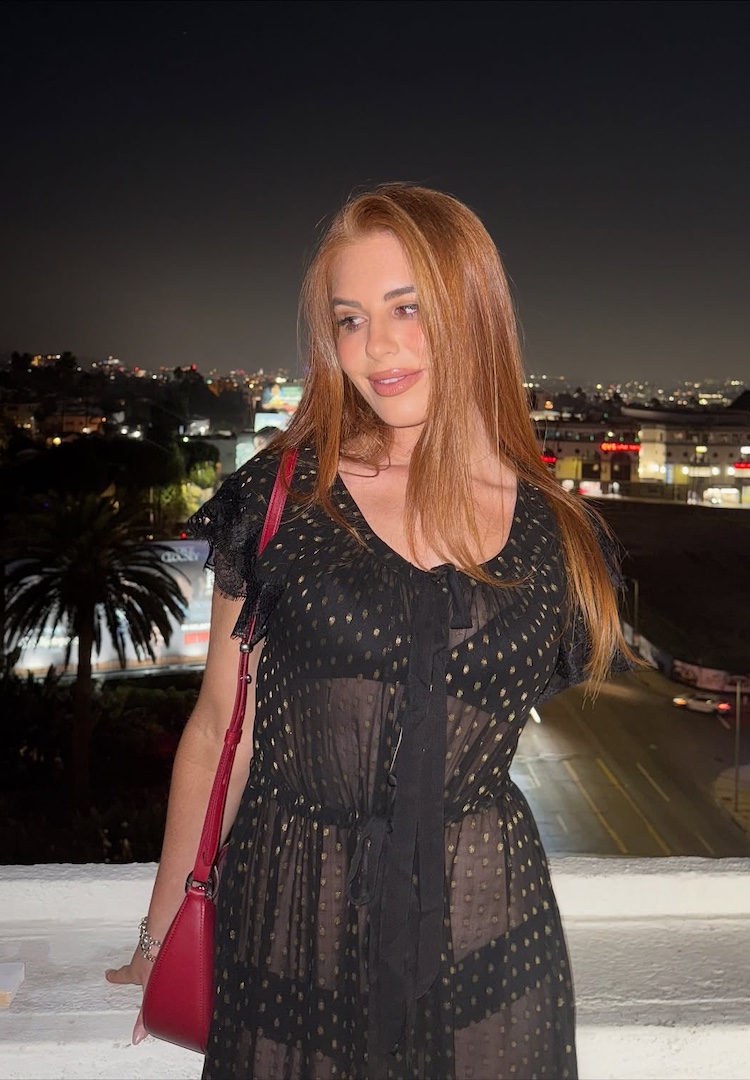


Meet Emma Gillman, the Australian who built a million-dollar business helping OnlyFans creators
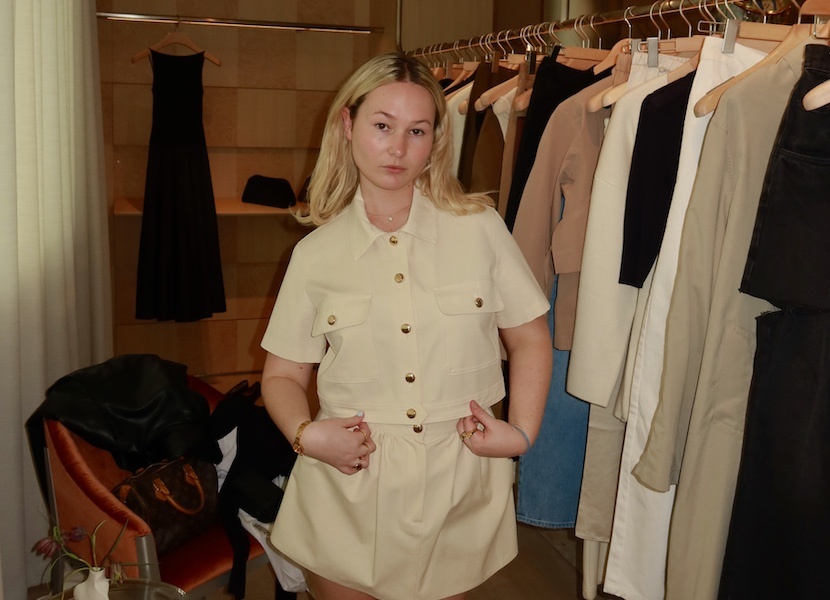
IMAGE SUPPLIED
AS TOLD TO FASHION JOURNAL
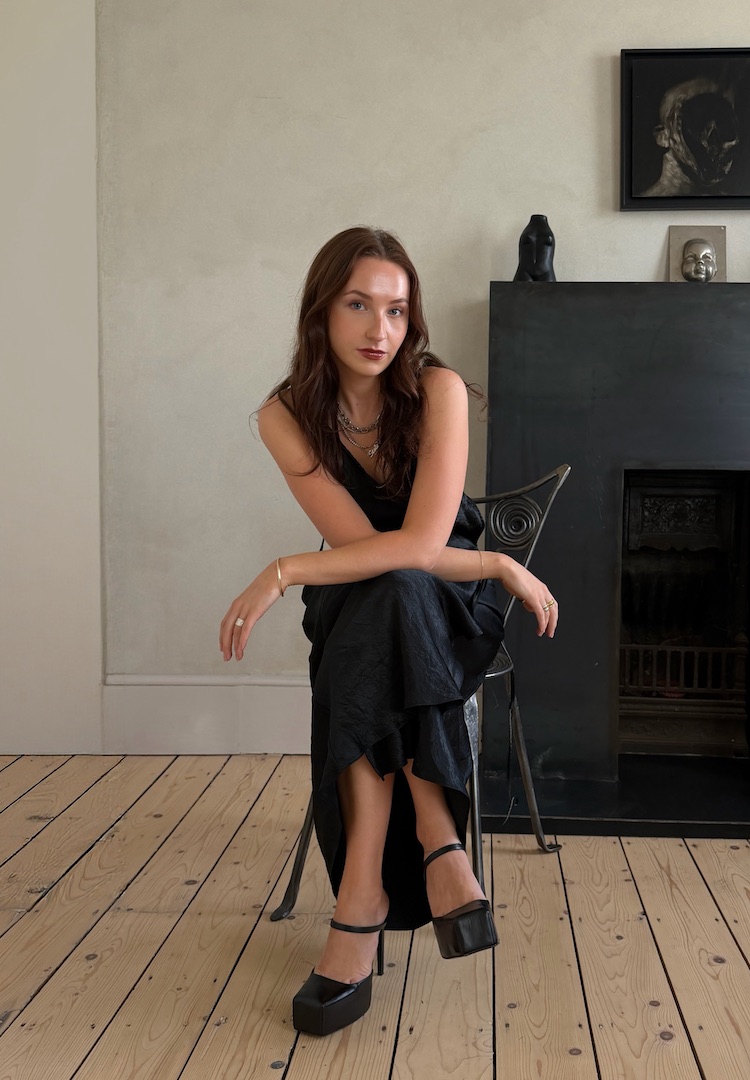
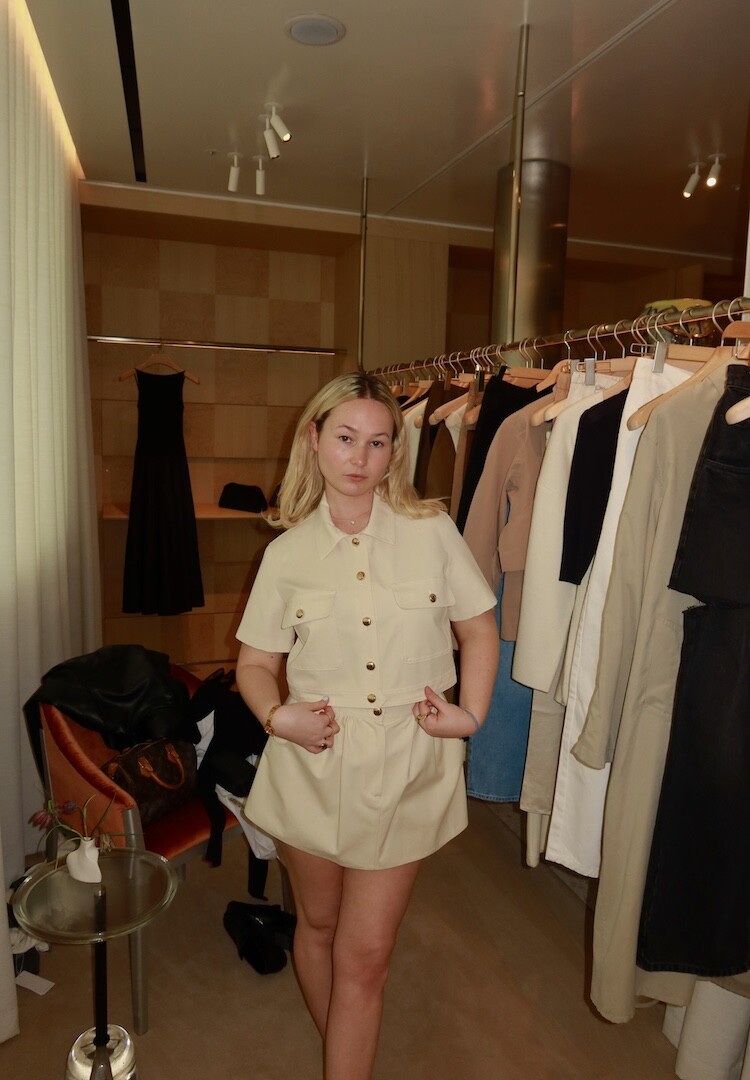
The real-life Maddy Perez.
Have you ever stalked someone on LinkedIn and wondered how on earth they managed to land that wildly impressive job? While the internet and social media might have us believe that our ideal job is a mere pipe dream, the individuals who have these jobs were, believe it or not, in the same position once, fantasising over someone else’s seemingly unattainable career.
But behind the awe-inspiring titles and the fancy work events lies a heck of a lot of hard work. So what lessons have been learnt and what skills have proved invaluable in getting them from daydreaming about success to actually reaching the top of their industry?
Looking for a new 9 to 5? Head to our Careers page for new listings daily.
Welcome to How I Got Here, where we talk to people who are killing it in their respective fields about how they landed their awe-inspiring jobs, exploring the peaks and pits, the failures and the wins, and most importantly, the knowledge, advice and practical tips they’ve gleaned along the way. For this instalment, we hear from Emma Gillman, Founder and Director of The Siren Group, a boutique PR agency representing OnlyFans creators across Australia, the UK and the United States.
Emma’s rise to success seems predestined. From working as an intern-slash-aspiring-sex-writer at Mamamia while completing a journalism degree to finding her niche in public relations, her ability to carve an ‘Emma-shaped hole’ wherever she goes has put her exactly where she wants to be – where no one else dares to go.
Finding gaps is Emma’s speciality, and the most glaring gap she’s found was the industry’s lack of strategic support for OnlyFans creators. “The industry can attract a particular type of operator: typically a young man who’s watched too many sales videos and decided this is their route to quick money,” Emma says. “Strategy is the afterthought, and respect is rarer still. For too long, these women have been choosing from the best of a bad bunch, not because better doesn’t exist, but because better hasn’t bothered to show up.”
So Emma decided to become the change, founding The Siren Group as a beacon of hope for women on OnlyFans, providing them with genuine care and treating them as ‘serious businesswomen who’ve built serious businesses.’ Since then, Emma’s built her agency into a million-dollar business, securing press for her clients in publications across the globe.
“The creators I work with are some of the best people I’ve ever met, and to help make their vision boards a reality across so many areas has been endlessly fulfilling. That’s not something you can manufacture. It comes from genuinely caring about the people you work with and I think they feel that.”
View this post on Instagram
Fashion Journal: Hi Emma! Tell us a little about who you are and what you do.
I’m the Founder and Director of The Siren Group, a million-dollar PR agency that got there by going where most publicists wouldn’t. We work with adult creators and spicy brands, representing some of the highest-earning female OnlyFans creators across the UK, Australia and the US, among them Lily Phillips and Annie Knight. I see it as part traditional publicity, part celebrity talent management – for some of the most taboo and talked-about names globally. The kind of job people actually like hearing about at a dinner party.
Can you walk us through a typical day in your life on the job now?
Late last year, I moved to the UK to expand the agency, but my team is still mostly based in Australia, so my day usually starts around 7.30am with a coffee and a check-in before they log off for the evening. We manage a roster of around 15 creators, so there’s a lot of time zone maths, WhatsApp messages and context-switching. Some mornings, I’m reviewing a press release for an Australian creator, then jumping into a call with a TV producer in London, then speaking to a US client about how a story is landing.
A big part of my role now is overseeing strategy. The team writes, pitches and handles a lot of the day-to-day media work and I come in across positioning, bigger opportunities, tricky calls, partnerships and anything that needs founder eyes. I also spend a lot of time meeting people who might add value to our clients or the business, whether that’s producers, brand partners, accountants, lawyers, platforms or other agencies in the space.
There’s usually a nice little window in the middle of the day when Australia has gone to bed and America isn’t awake yet, which is when I try to go to the gym or get actual deep work done. Then I’m back online in the evening for US clients.
It sounds glamorous and sometimes it is. I do spend a few days a month in London for face-to-face meetings and projects. But a lot of the job is still reviewing copy, managing people, checking invoices, planning around time zones and rewriting quotes from bed at 11pm.
View this post on Instagram
Did you have an idea of your ‘dream job’ growing up?
I was set on being a journalist from as young as I can remember. I loved the idea of being close to the action, knowing what people were talking about, having a take on it and finding the bit of the story everyone else had missed. I ended up studying a Bachelor of Journalism, and for a while, that really was the dream. I think what I worked out through doing was that I was just as interested in the business of attention as I was in journalism.
Take us back to when you were first starting out. Did you study to get into your chosen field or start as a junior and climb the ladder?
In my last year of high school, I got early acceptance into my first-choice university for a journalism-specific degree. It was a two-year accelerated Bachelor of Journalism with a lot of practical learning, internships and on-the-job experience built in.
I was very eager to work straight away, though. Probably annoyingly eager. I really wanted to work at Mamamia, so I reached out and told them internship hours were a requirement of my degree and that I’d love to do them there. They weren’t really offering internships at the time, but they let me in a tiny bit and I made what the founder, Mia Freedman, would call an ‘Emma-shaped hole’ where I hoped life was easier with me than without me.
From there, I moved into writing sex and relationships at one of Australia’s largest women’s media companies. I saw how stories were packaged for social media and learnt very quickly that media is just as much about making your audience care as it is about writing.
Then, PR became the natural next step. I liked working on longer-term narratives with clients rather than pushing out multiple stories a day.
Looking back, that editorial background became my competitive edge. I ended up as an account manager at a boutique PR agency and took to it really quickly. Journalism taught me what makes people care, and PR taught me how to shape that attention more deliberately.
View this post on Instagram
How did you find yourself as a publicist for adult content creators?
As a sex and relationships journalist, I had a front-row seat to the rise of OnlyFans creators and I could see very clearly that there was nobody in their corner in the way there should have been. No one was thinking about their long-term positioning, personal brand or reputation beyond the platform. These were women building serious businesses and the strategic infrastructure just wasn’t there for them. I saw that gap and I knew I was the right person to close it.
That work started to travel through the industry. I was becoming known as someone who understood how to take stories that felt niche or taboo and translate them into something mainstream audiences would emotionally react to and that reputation opened doors quickly.
What did the experience teach you?
Growing the agency taught me a lot about how quickly attention can move when a story hits a cultural nerve. It also taught me that going viral is the easy part, relatively speaking. The harder part is working out what to do with that attention once it lands. Working in that kind of high-volume, high-scrutiny environment made me much sharper. I learnt how to move quickly, read public reaction in real time and separate genuine reputational risk from internet noise.
It also really clarified the kind of work I wanted The Siren Group to do in the long term. I became much more interested in helping adult creators build brands with depth and longevity, rather than chasing the biggest possible reaction in the moment. That experience definitely shaped how I think about publicity now: attention is useful, but only if it’s being directed somewhere.
View this post on Instagram
What challenges have you faced getting to where you are now? Can you tell us about one in particular that stands out to you?
I think if I were a 45-year-old man running a traditional agency, people would probably call me driven. As a young woman working with adult creators, there’s often an assumption that my success is accidental, unserious or somehow morally negotiable.
Someone close to me once told me, firmly, that she didn’t respect what I was building and that she found my clientele harmful to women. What stood out to me was that she had no issue with sex work itself or with what happens behind closed doors. The problem she actually had was a woman profiting from it publicly. Visibly. On her own terms.
And yet the same people who take issue with my work will happily clock in at alcohol brands, gambling companies or fast fashion brands. Yet, that person was pointing her moral compass in only one direction: towards the woman with full autonomy over her own body.
A big part of what I’ve learnt is how important it is to back yourself before there’s external validation. Because there are plenty of rooms where people will underestimate you immediately based on your age, gender or clientele before you’ve even spoken.
What is a common misconception about your industry or your role?
I think OnlyFans creators are very good at making people believe they’re naturally controversial and one-dimensional, when in reality, that version of them is carefully curated to attract subscribers. It’s a product that works. Where mainstream media sometimes misses the mark is taking that at face value, rather than recognising it as one part of a much bigger picture.
View this post on Instagram
What do you want people to know about your industry and role?
Despite generating millions, many OnlyFans creators are still building their businesses without access to the strategic infrastructure available to mainstream talent. What people outside the industry don’t always realise is that there still aren’t many high-quality service providers willing to work openly with adult creators and the ones who do fill that gap aren’t always doing so well.
The industry can attract a particular type of operator: typically a young man who’s watched too many sales videos and decided this is their route to quick money. Strategy is the afterthought, and respect is rarer still. For too long, these women have been choosing from the best of a bad bunch, not because better doesn’t exist, but because better hasn’t bothered to show up.
What’s the best part about your job?
The creativity and agility. Being a founder has honestly been the most fulfilling thing for me. I love seeing the big picture across branding, marketing, finances, staffing, operations and strategy. Those are the things I genuinely obsess over.
View this post on Instagram
What would surprise people about your role?
While my client meetings are fun and definitely more raunchy than your standard PR agency, the girls I work with are businesswomen and it’s a lot more professional than you might expect. I truly believe most high-performing businesses would hire some of my creators as their Chief Marketing Officer if they spent five minutes understanding their natural ability to read audience behaviour, intuitively understand sales funnels and attract and convert new audiences.
What skills have served you well in the industry?
The obvious journalist and publicist in me would answer ‘storytelling’, but not in a traditional sense. A big part of my job is taking something someone says offhand, that they don’t think twice about, and recognising that there is something that will pique the general public’s curiosity. Then I’ll take it and shape it into something the media and a broader audience will care about.
I’m also very good at reading people and understanding what makes them interesting, even when they don’t see it themselves. A lot of my clients don’t come in with a perfectly packaged narrative. It’s my job to find it, sharpen it and position it in a way that feels both true to them and commercially useful.
Also, I hesitate to call it a skill, but empathy and open-mindedness play a big part in creating an environment where creators, who are rightfully sceptical of businesses in this space, feel safe to open up to our team and me.
View this post on Instagram
What has been a major career highlight for you so far?
I’ve travelled the world with clients and one of my favourite media tours was with Annie Knight, travelling between London, New York, Miami and LA. After visiting the New York Post offices and US Weekly, we both had sit-down interviews with 60 Minutes Australia, which flew a crew out to capture the business side of OnlyFans.
It was, obviously, incredible to travel and meet the journalists we speak with day-to-day, but more than that, it was so fulfilling to see the years of work we put into shaping a personal brand that was both challenging and relatable.
When she first came to us, she was an everyday Australian creator building her own strong social media presence. But with her commitment to building her OnlyFans business and our work shaping her long-term narrative and building a media presence designed to last well beyond a viral moment, Annie Knight is now a millionaire with a growing property portfolio.
The creators I work with are some of the best people I’ve ever met, and to help make their vision boards a reality across so many areas has been endlessly fulfilling. That’s not something you can manufacture. It comes from genuinely caring about the people you work with and I think they feel that.
What advice would you give to someone who wants to be in a role like yours one day?
Be open-minded and curious, talk to everyone and think deeply about what evokes emotion in people. Whether it’s excitement and aspiration or anger, I have always been intrigued by what makes people buy or leave a social media comment or talk about a topic over drinks.
Follow along with Emma here.
Liked this? You’ll love these...